
New 2025 Step Van Trucks For Sale
Shop new 2025 step van trucks for delivery, parcel, and route service. Compare body lengths, payload, EV platforms, and cab access features.
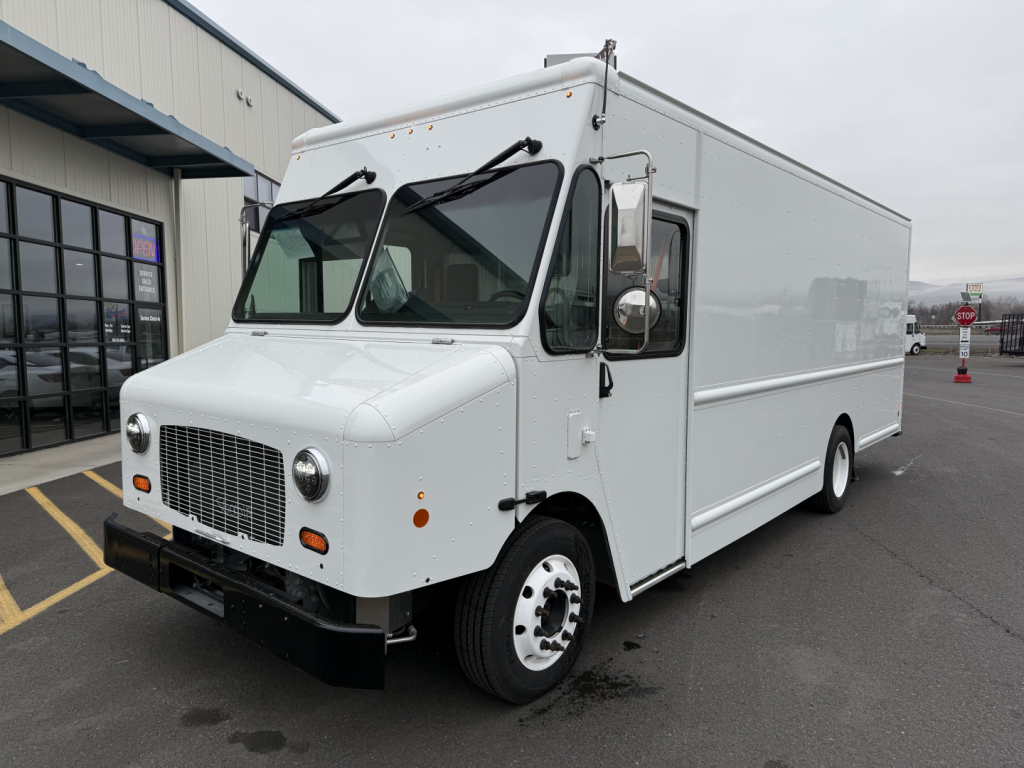
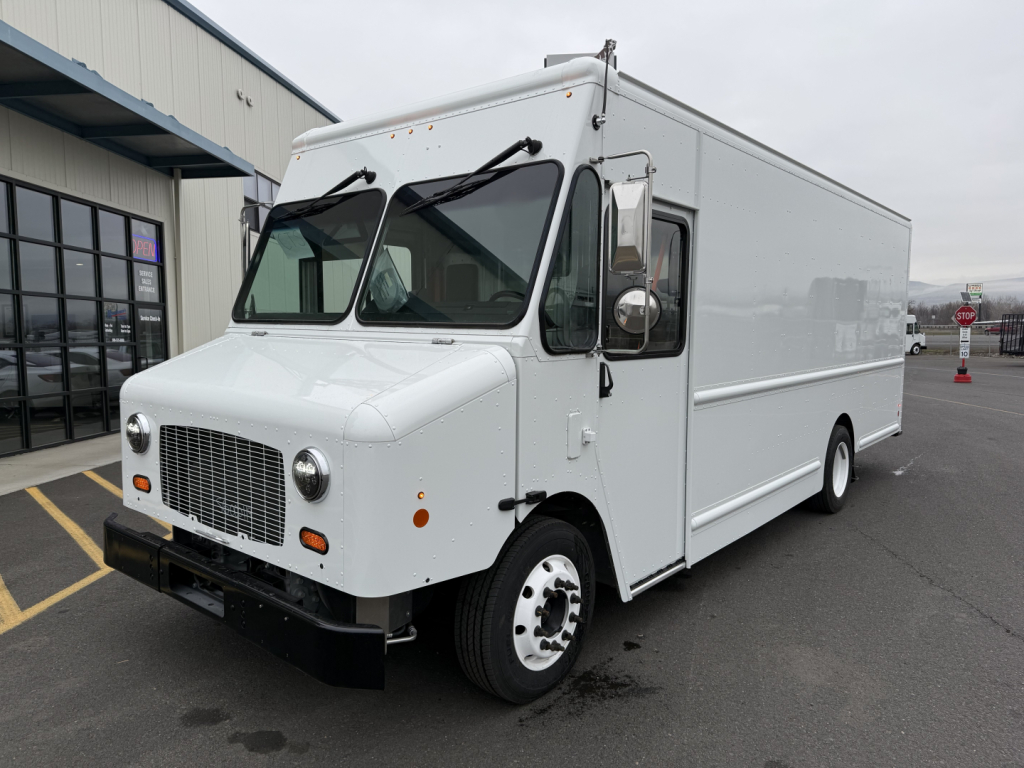
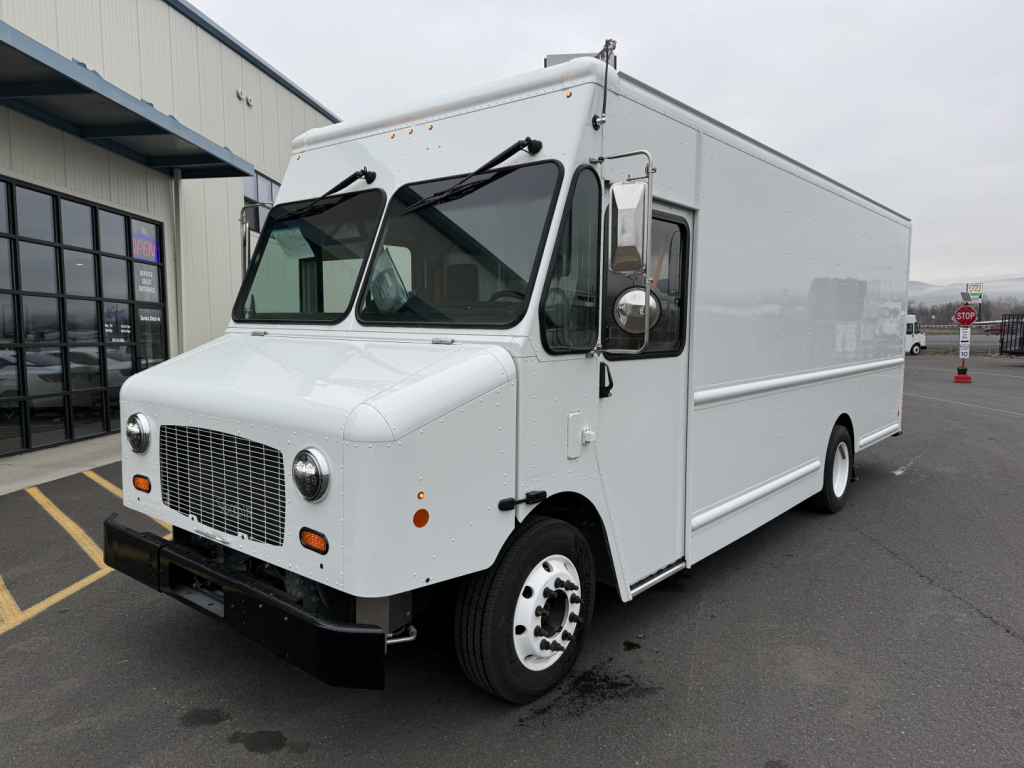
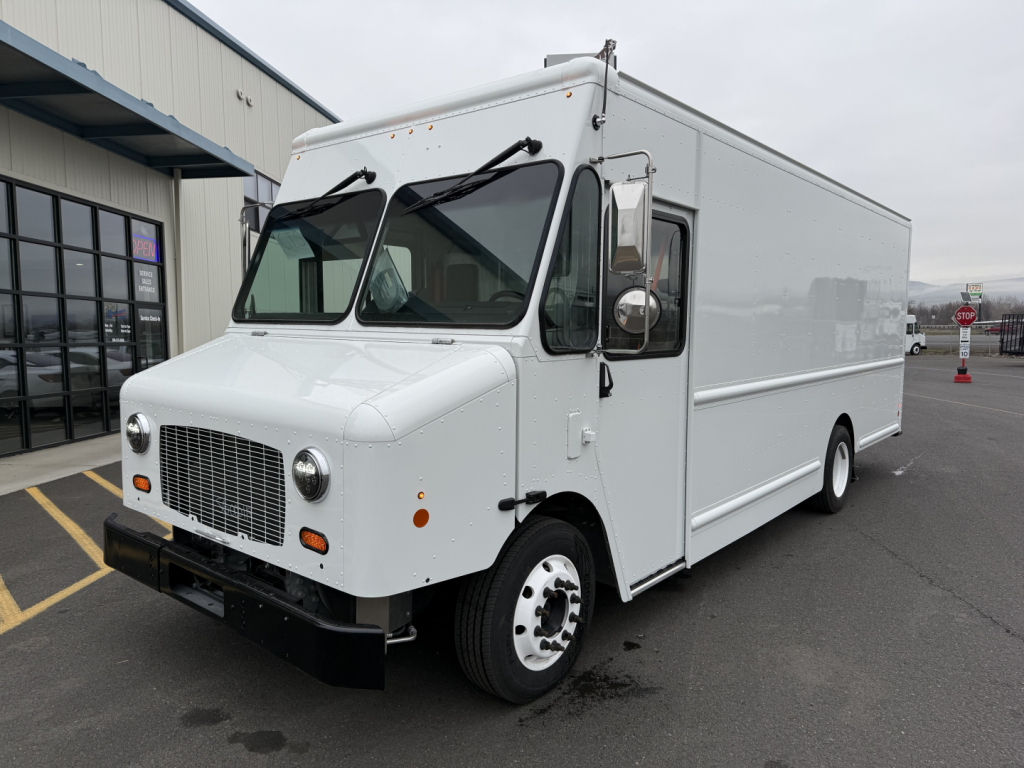
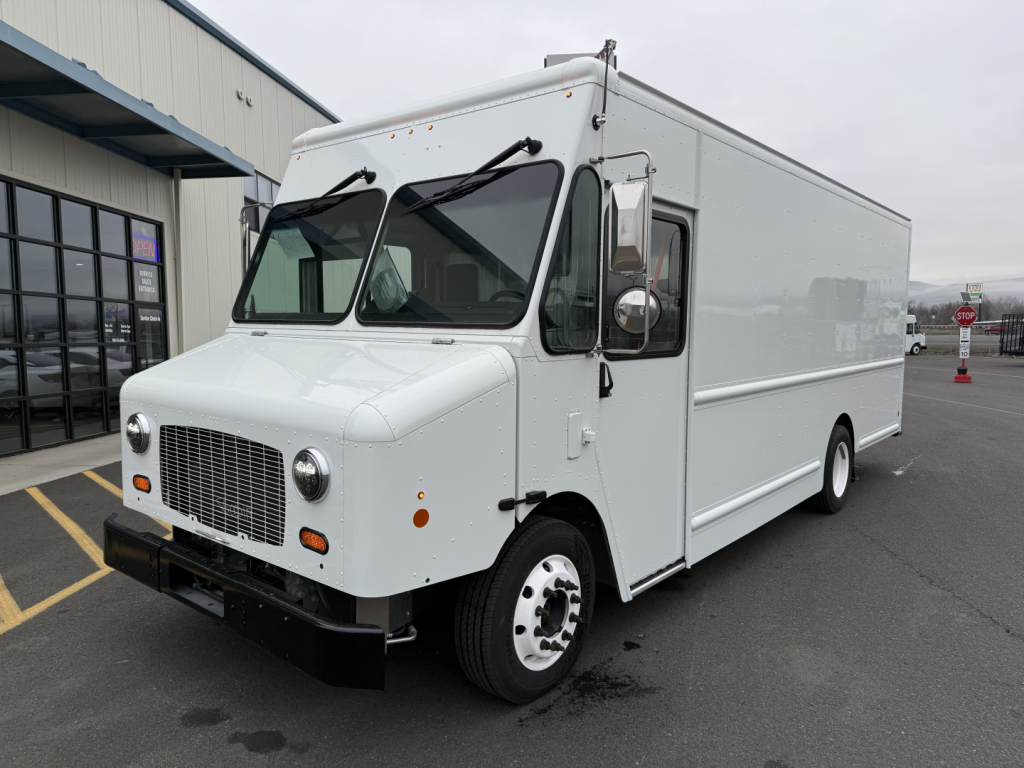
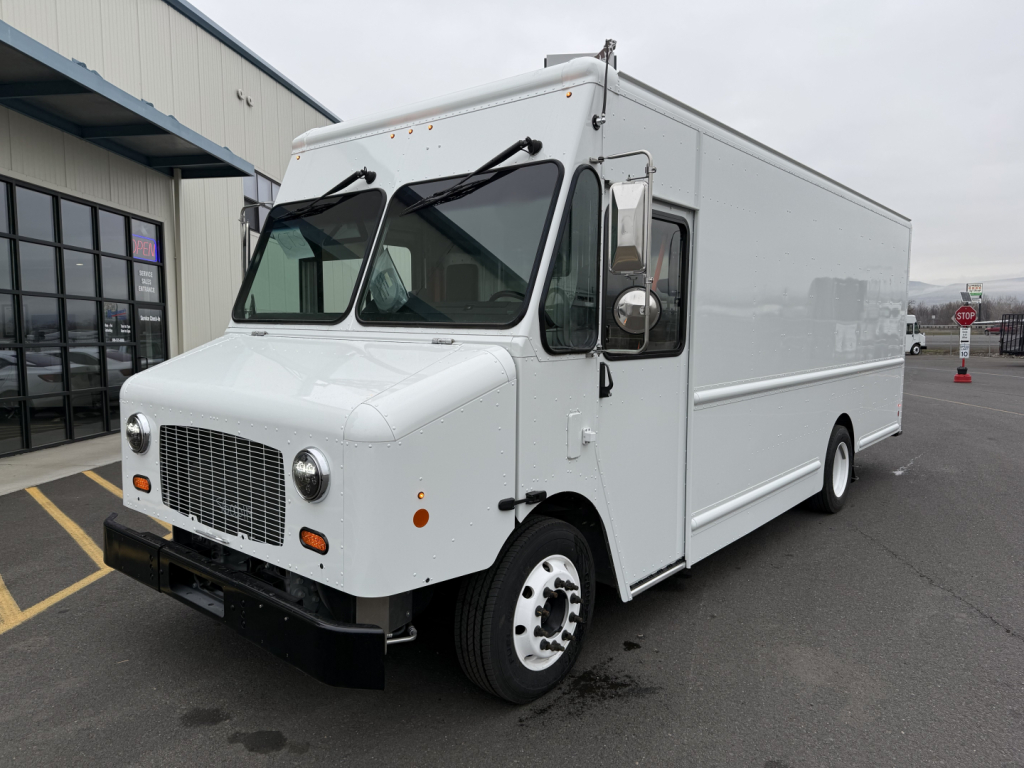
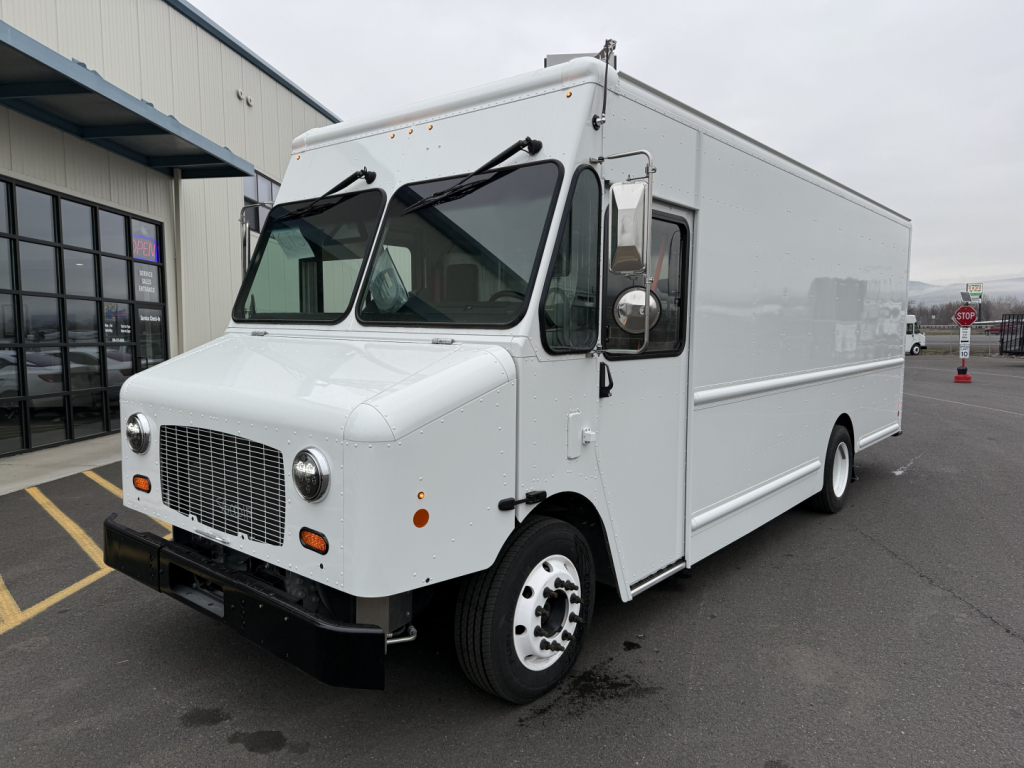
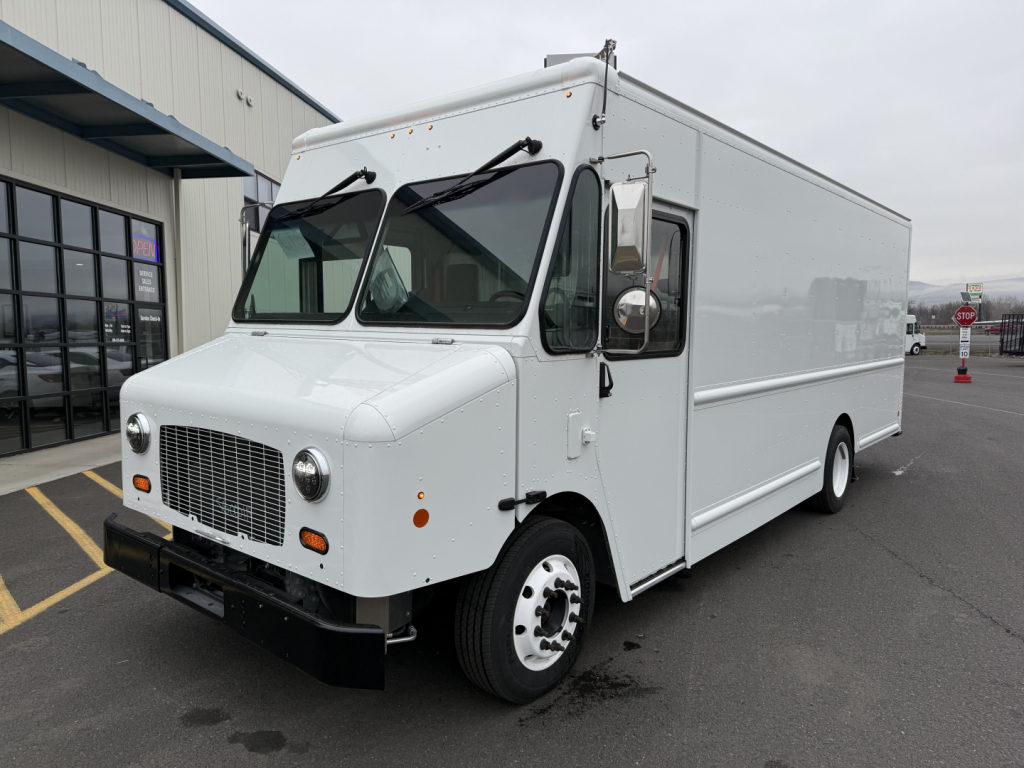
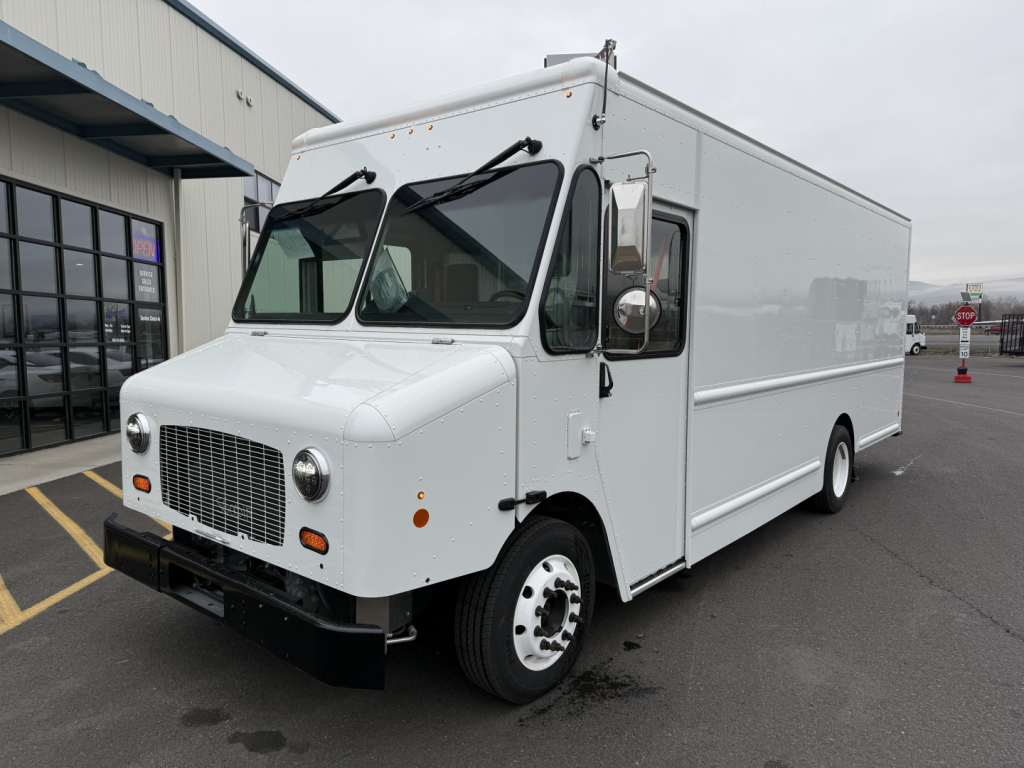
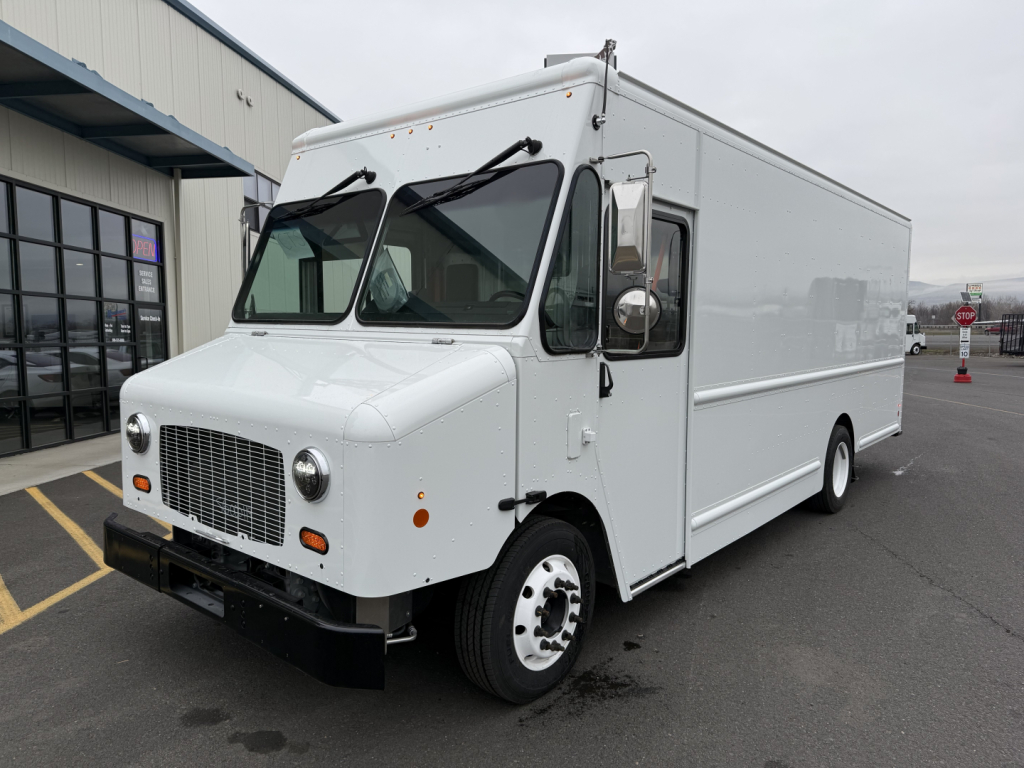
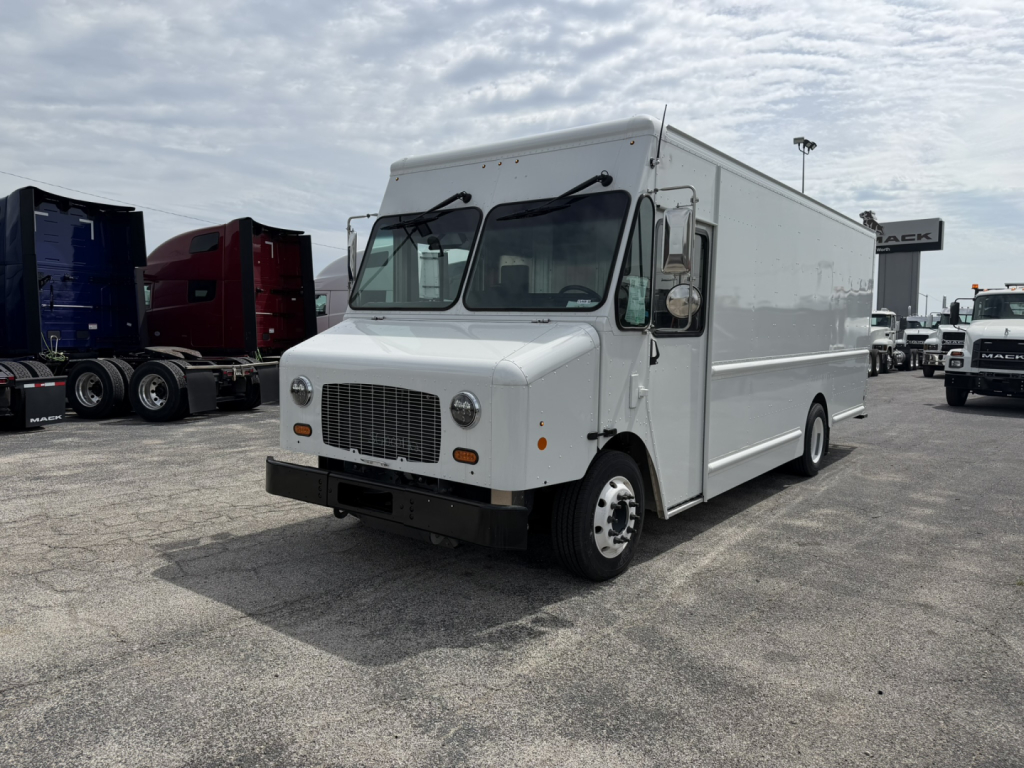
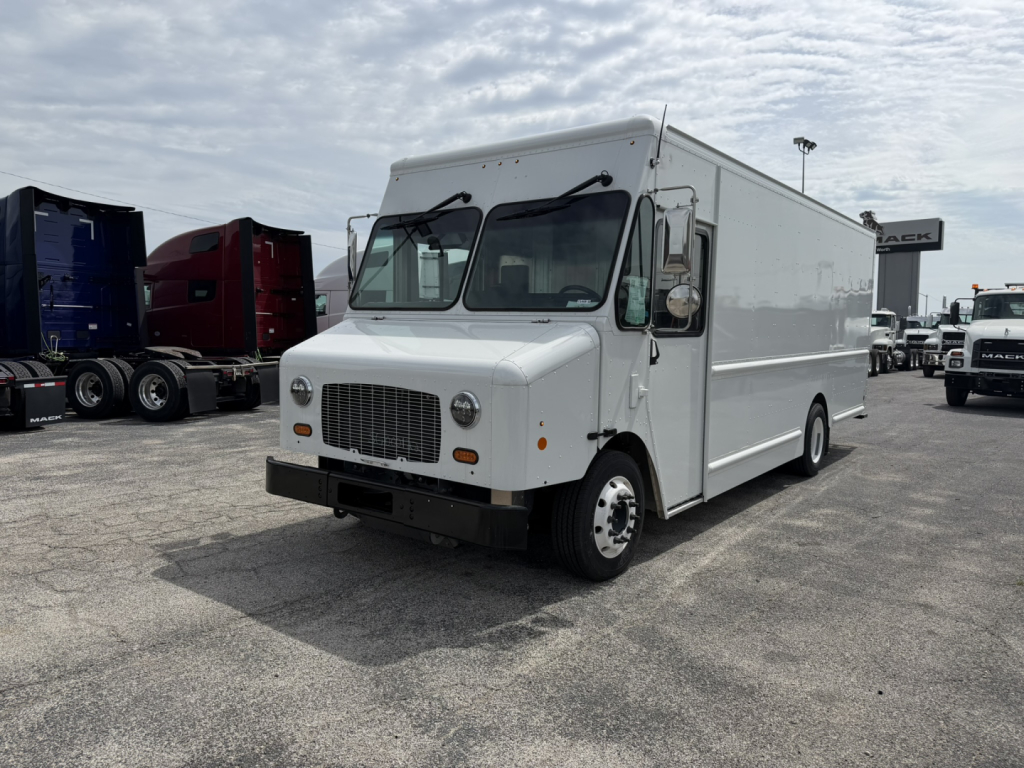
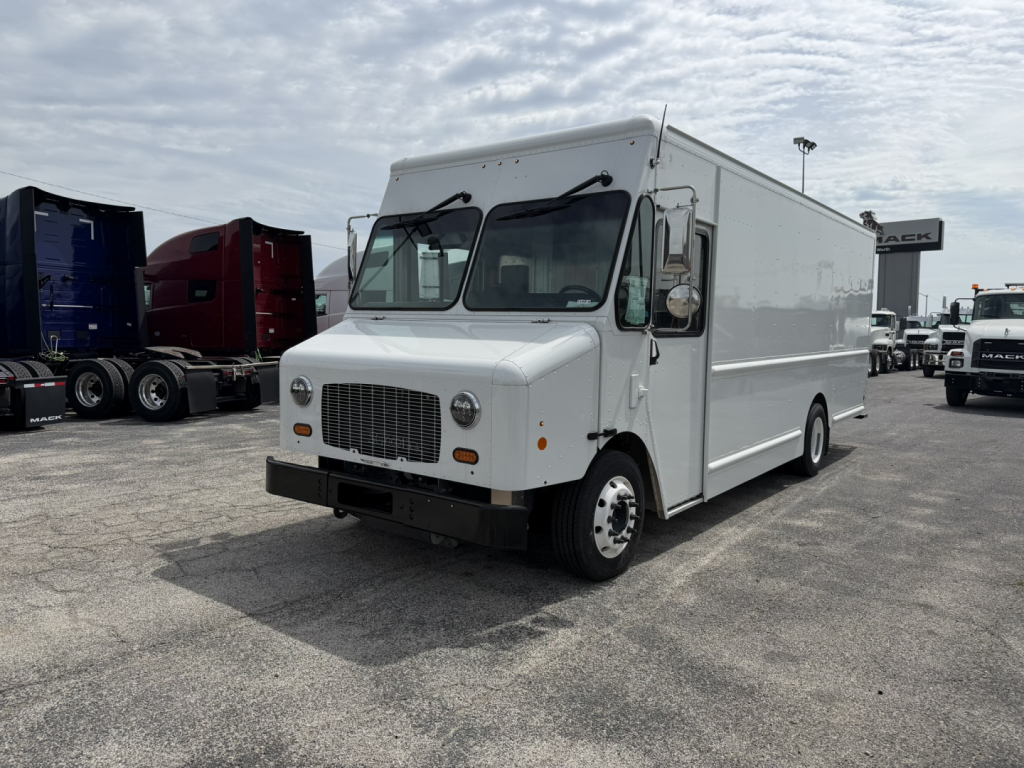
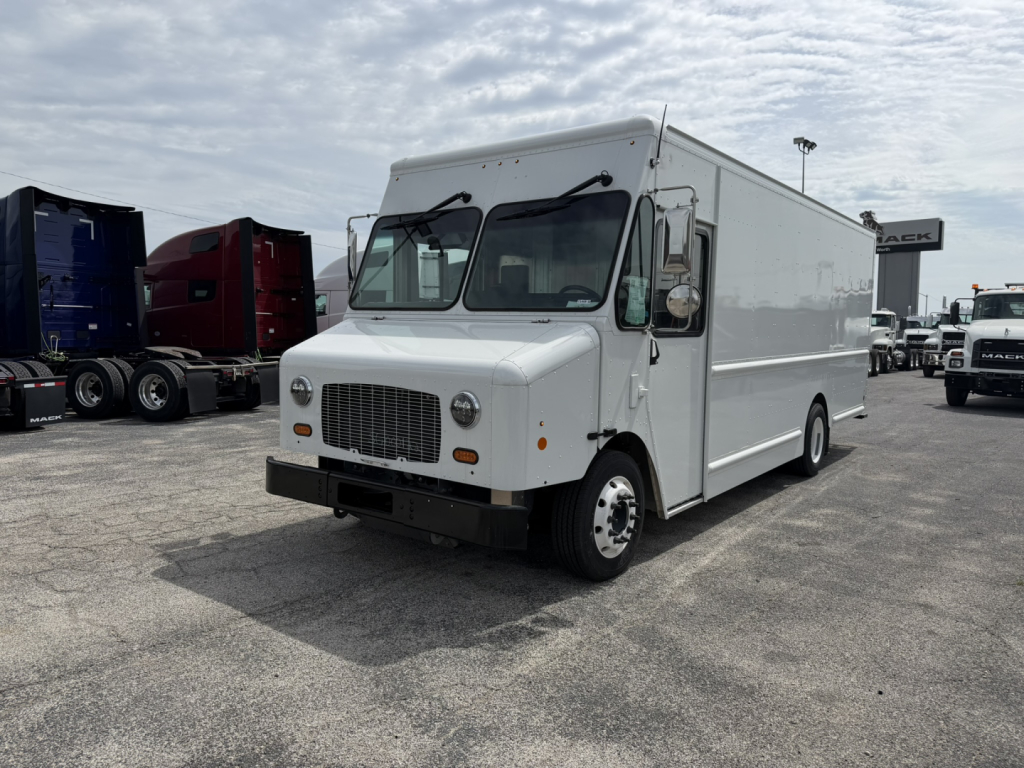
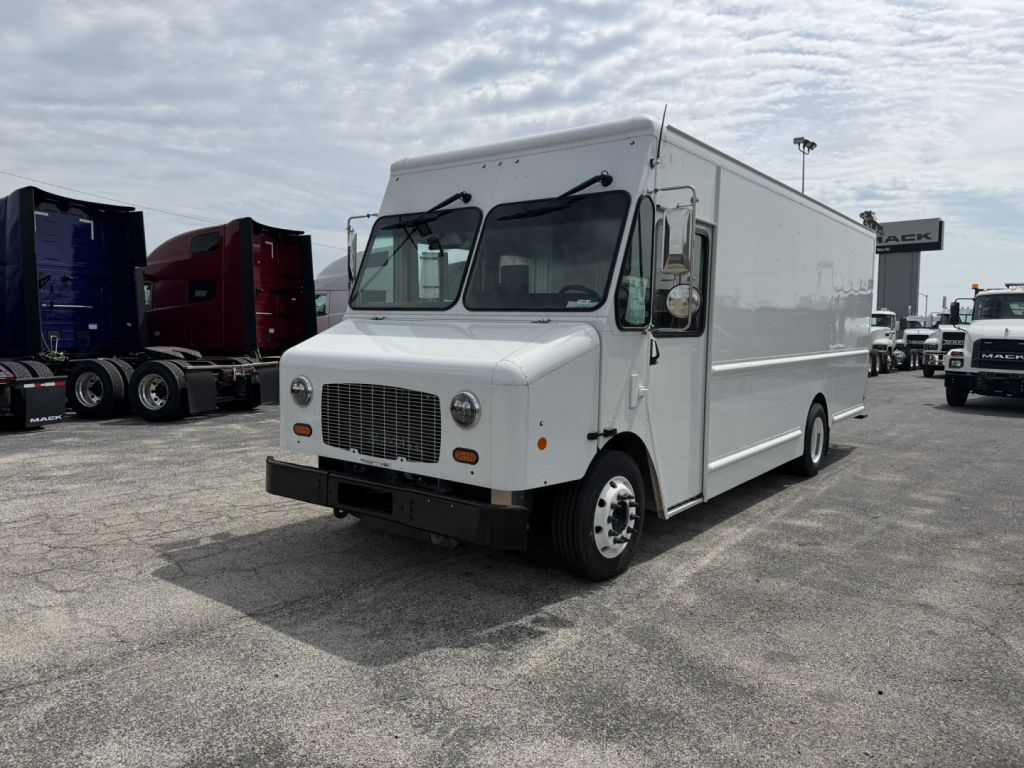
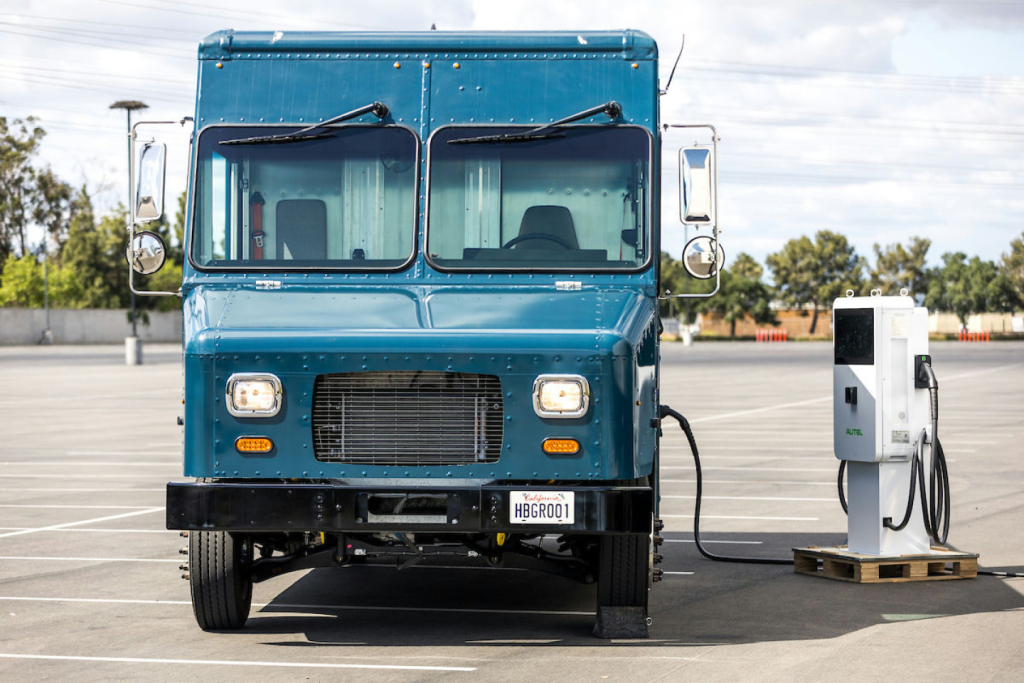
Selling a new 2025 step van truck? List your new 2025 step van truck for sale and reach thousands of commercial buyers.
New 2025 Step Van Trucks
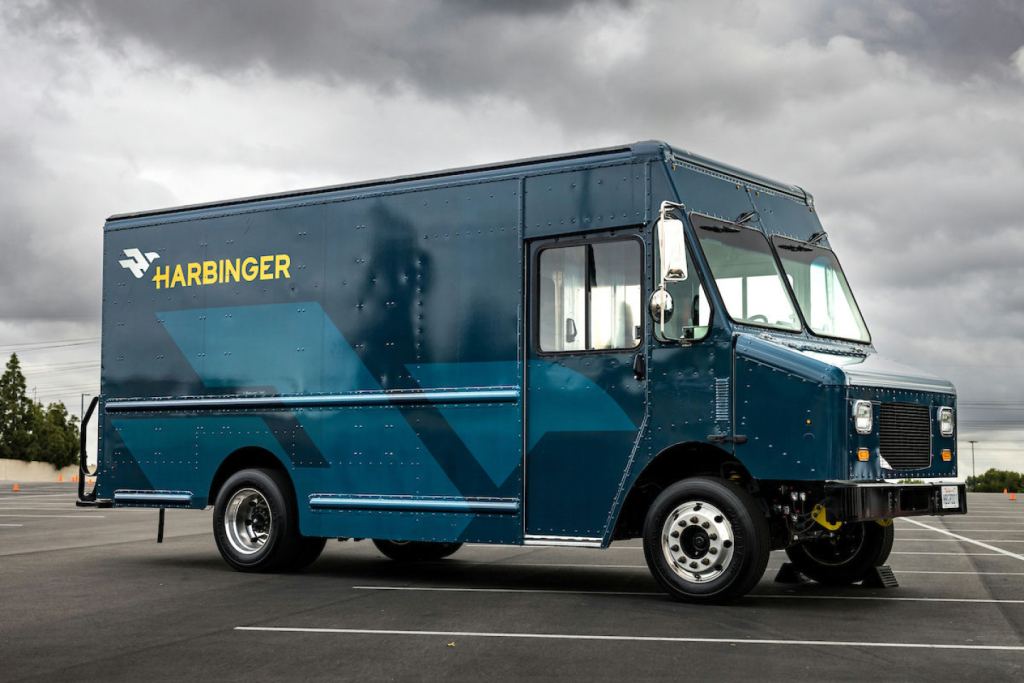
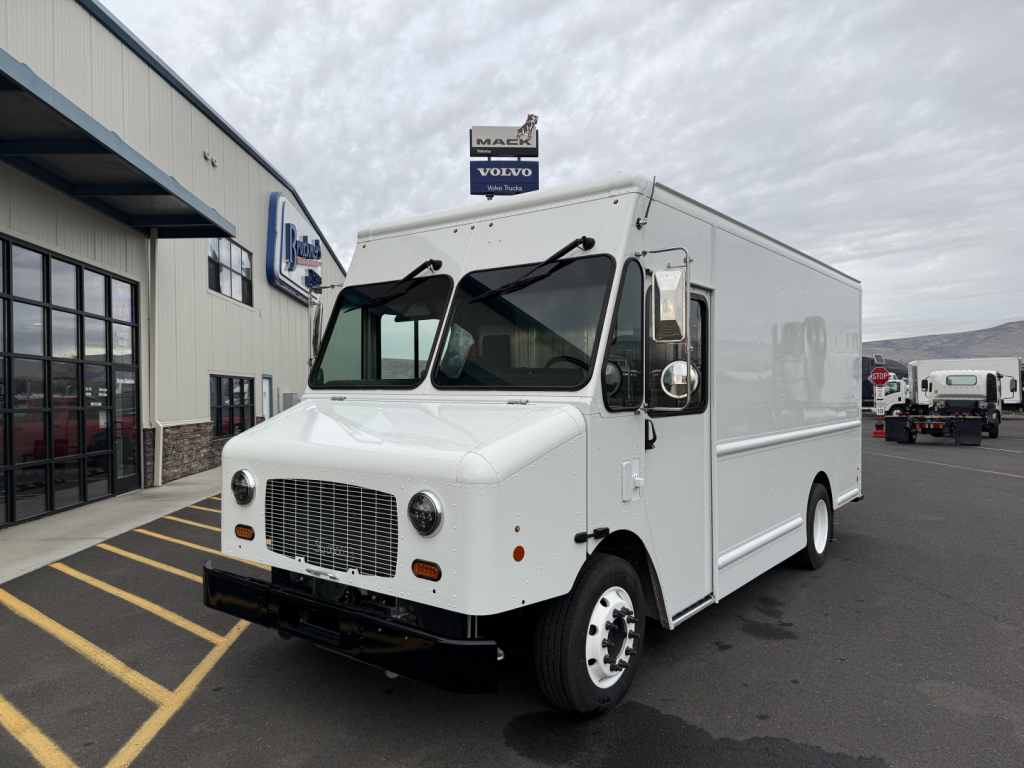
Body size and route profile should drive the buying decision first. Common step van configurations vary by wheelbase, interior height, and body length, with layouts designed around standing room, side access, rear roll-up or swing doors, and shelving capacity. Buyers typically compare GVWR, payload, door opening dimensions, turning radius, and axle ratings alongside cargo cube. On a 2025 model, it is also smart to look closely at visibility, camera systems, low step-in height, and how the bulkhead, shelving, and floor material match the intended duty cycle. For parcel and last-mile fleets, small differences in aisle width and shelf design can have a real effect on stop times.
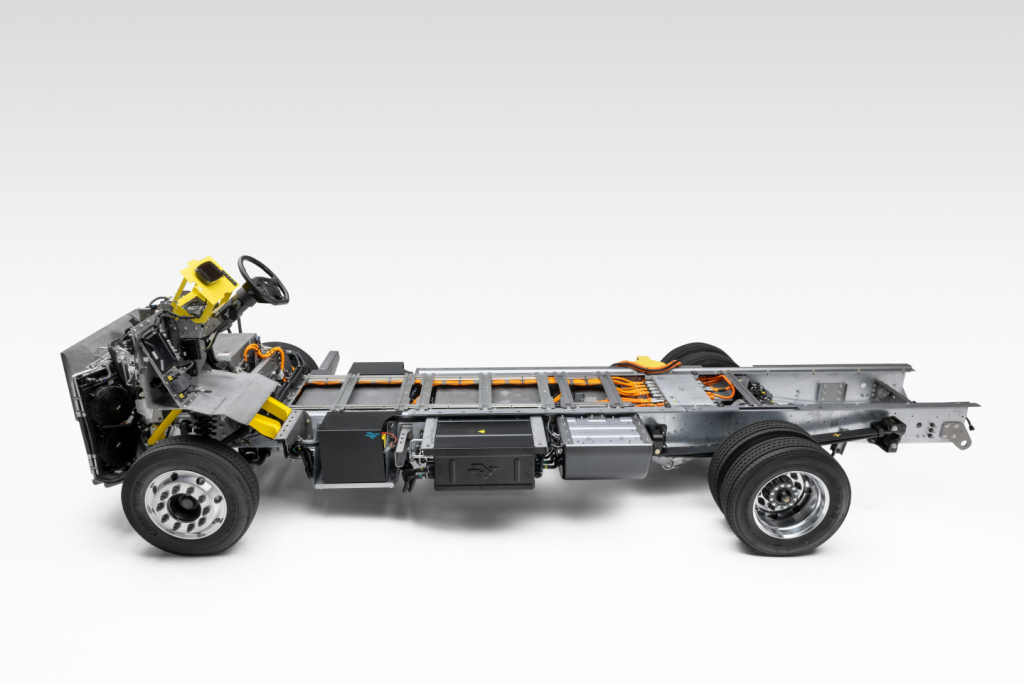
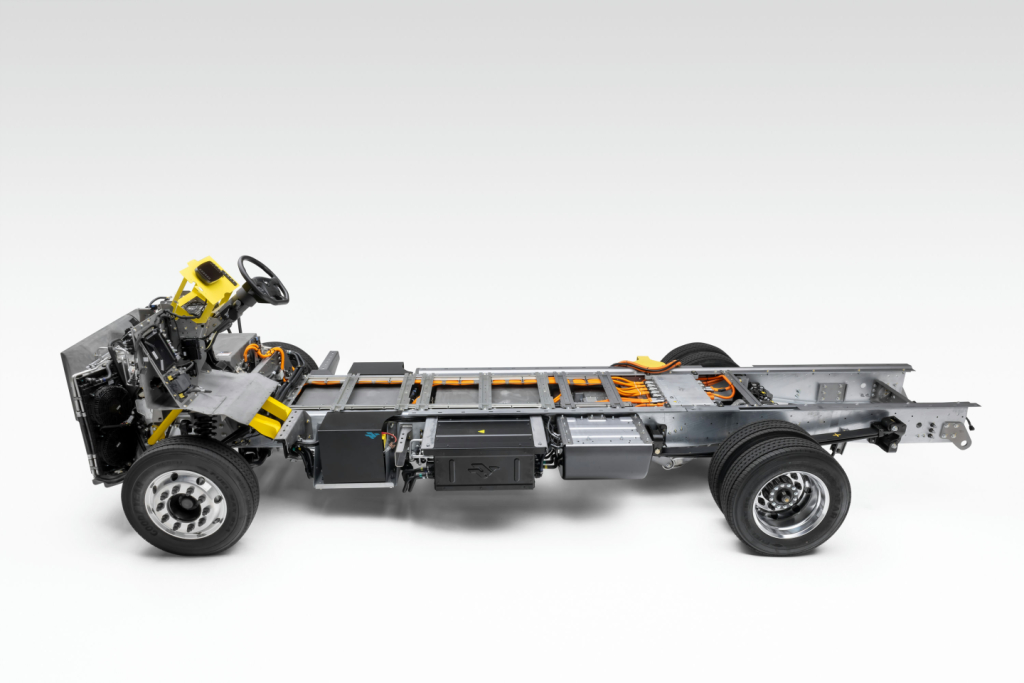
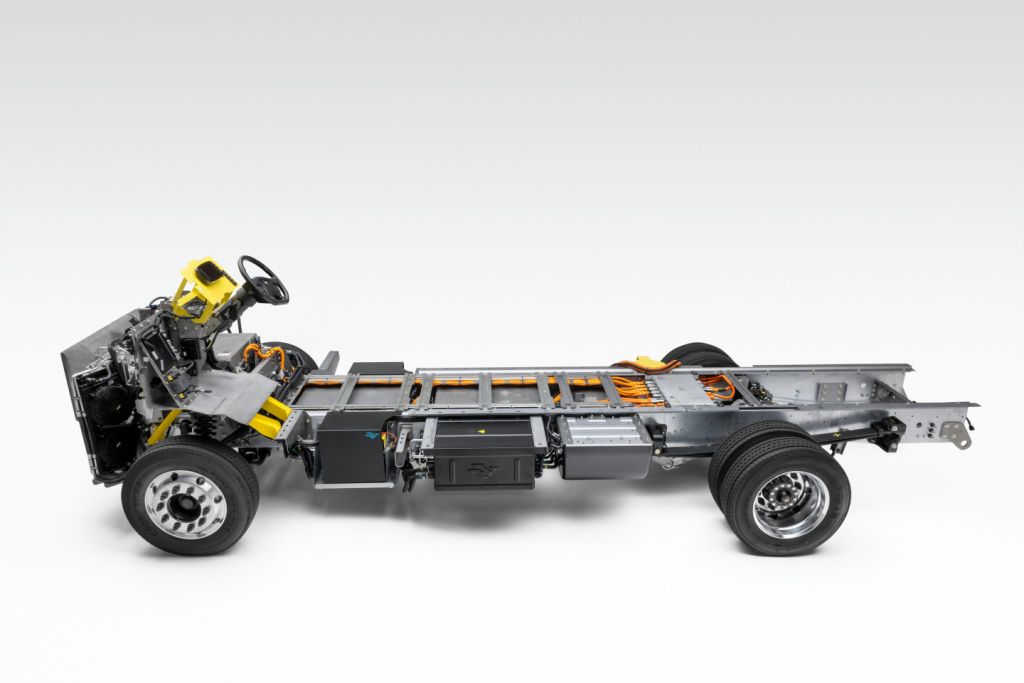
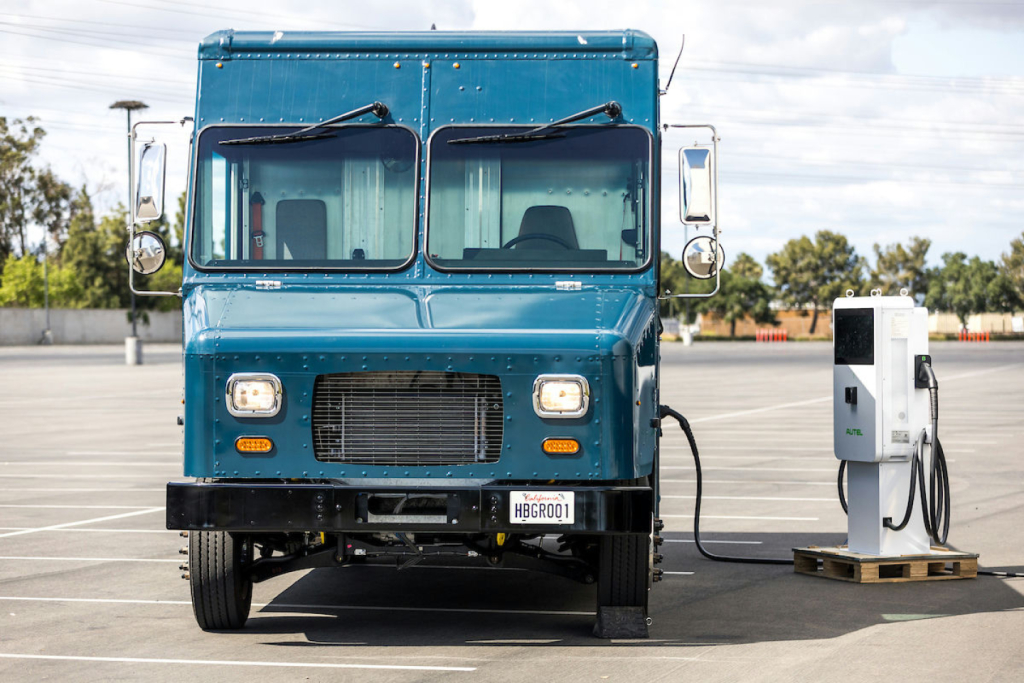
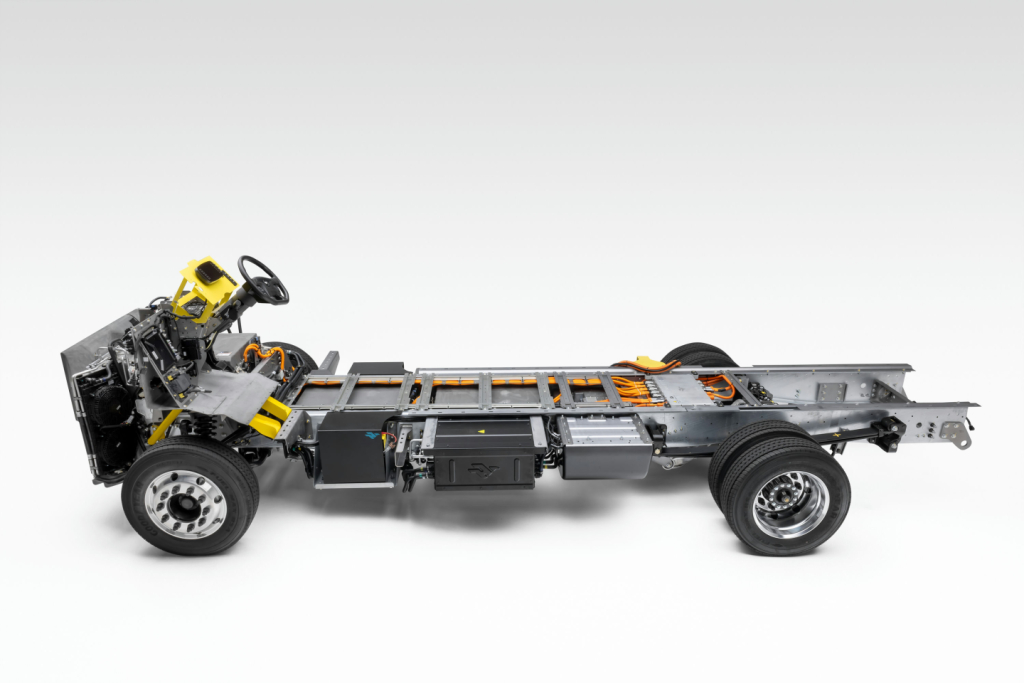
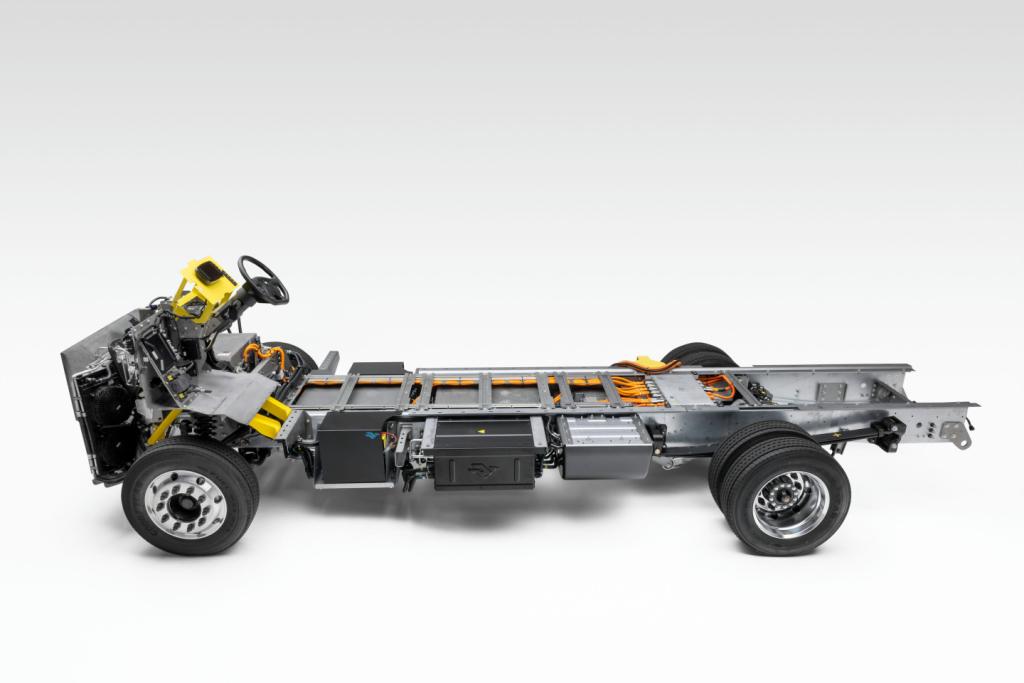
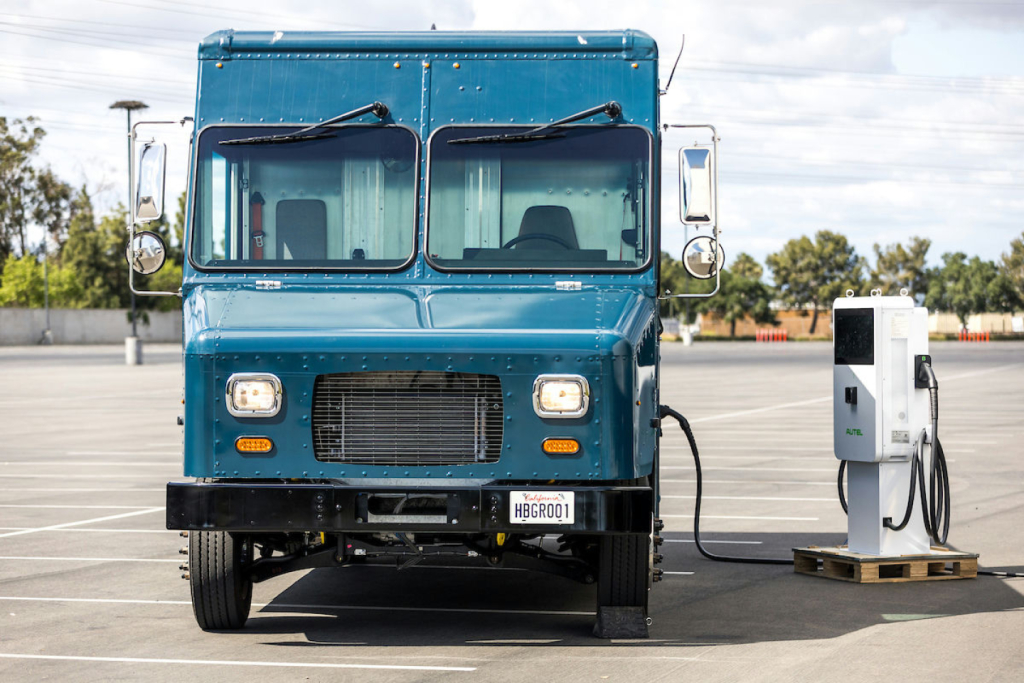
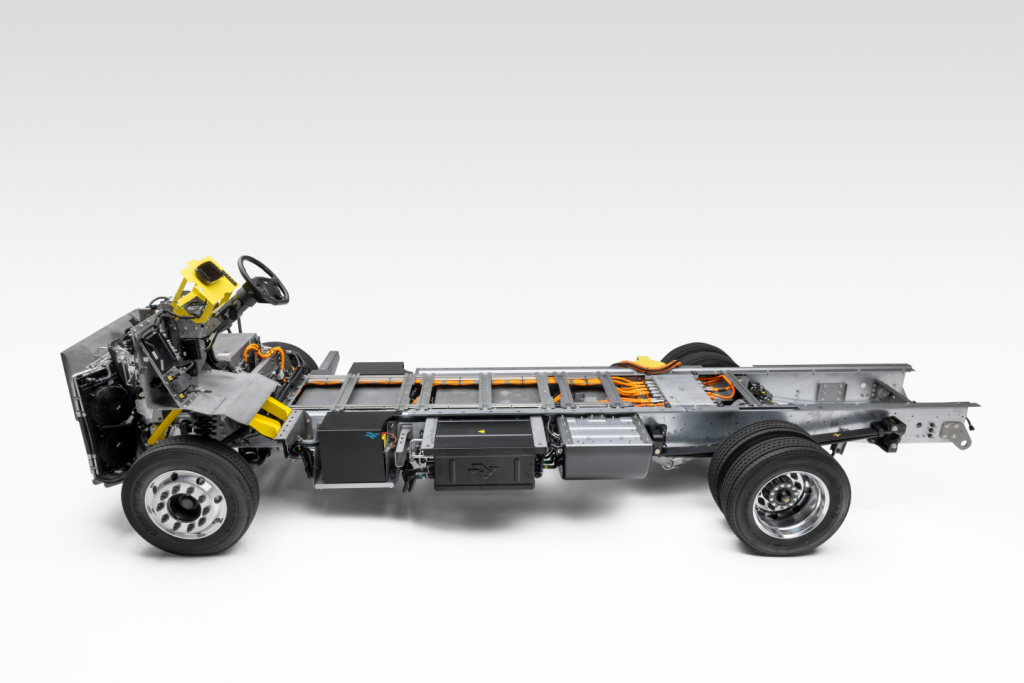
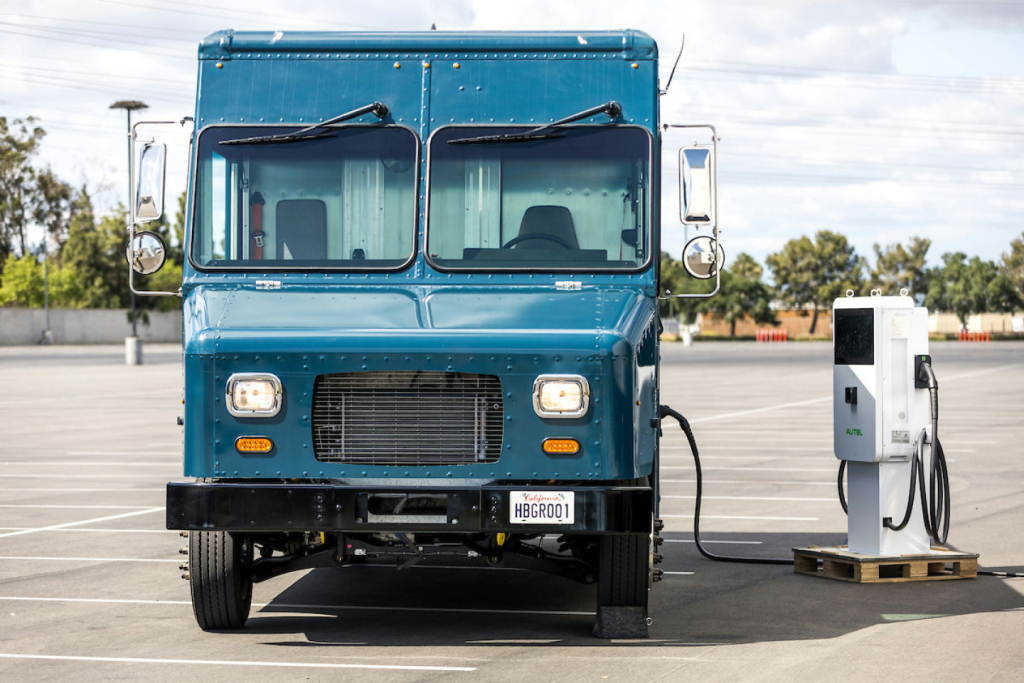
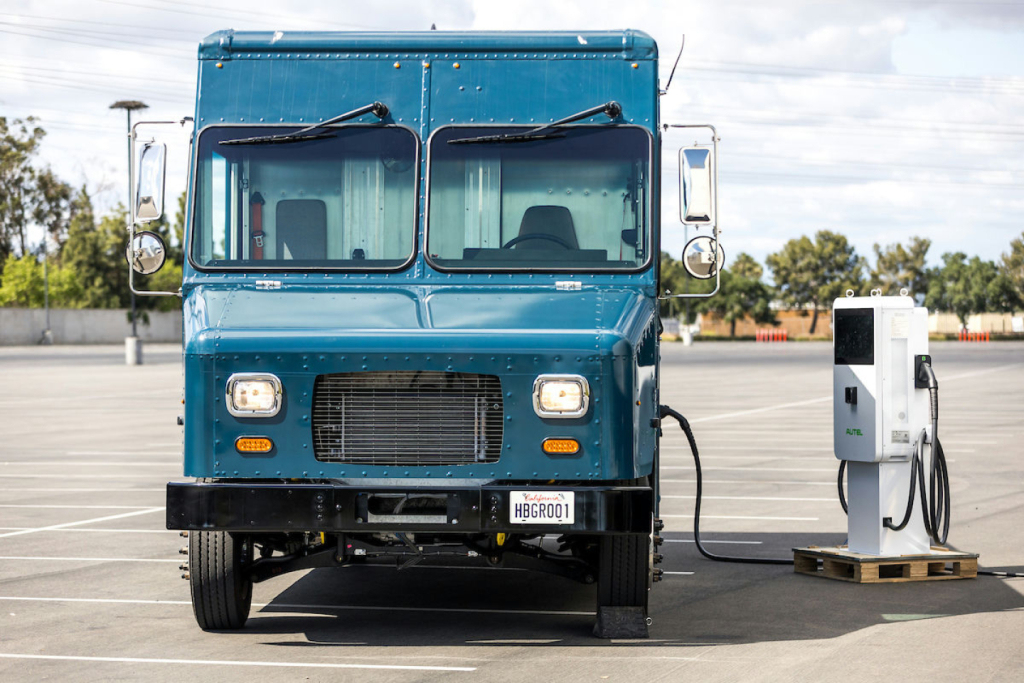
The 2025 step van market also includes a growing number of electric platforms, which is especially relevant in local delivery. New electric step vans can offer lower operating noise, reduced maintenance complexity, and strong low-speed torque for dense stop-and-go work. Battery range, charging compatibility, payload impact, and upfit integration are the key issues to review. A buyer should confirm how the body, HVAC load, telematics, and accessory power draw affect real-world route range. If the truck is being spec'd for city delivery, food distribution, or municipal service, an EV step van may be a strong fit when routes are consistent and charging access is planned correctly.
A well-spec'd step van truck is less about peak horsepower and more about route productivity over a full shift. Look for durable body construction, corrosion protection, slip-resistant flooring, practical shelf placement, and service access to common wear items. Suspension tuning, brake feel, and entrance ergonomics matter because these trucks spend their lives in repeated stop-start operation. For buyers comparing new 2025 step van trucks for sale, the best unit is the one that matches route density, cargo handling needs, driver comfort, and operating cost targets without sacrificing uptime.
Frequently Asked Questions about New 2025 Step Van Trucks
What is a step van truck used for?
A step van truck is used for multi-stop delivery and service routes where drivers need fast entry, easy movement inside the body, and organized cargo access. Common applications include parcel delivery, bread and snack routes, laundry and linen service, vending, tool and parts delivery, and mobile repair operations. The walk-in design makes it efficient for routes with frequent stops because the driver can move from the cab to the cargo area quickly and safely.
What should I compare when buying a new 2025 step van?
The most important comparisons are GVWR, payload, cargo cube, wheelbase, turning radius, interior height, and door layout. Buyers should also review step-in height, visibility, camera coverage, shelving options, floor material, axle ratings, and body construction. If productivity is the goal, details like aisle width, rear door opening, and how quickly a driver can access frequently used freight can matter as much as headline specs.
Are electric step vans a good choice for commercial fleets?
Electric step vans are a strong choice for predictable local routes with frequent stops, limited daily mileage, and access to dependable charging. They typically perform well in urban delivery because electric drivetrains provide smooth low-speed torque and can reduce maintenance needs compared with internal combustion models. The main buying factors are actual route range with payload, charging time, battery warranty, and how auxiliary loads such as HVAC and body equipment affect usable range.
How long is a typical step van body?
Step van body lengths vary by manufacturer and application, but buyers will commonly see compact and mid-size route bodies as well as larger walk-in bodies designed for higher cargo volume. The right length depends on the balance between cube and maneuverability. Dense city routes may favor a shorter wheelbase and tighter turning radius, while parcel, uniform, or linen operations may need more interior storage and shelf space.
What is the difference between a step van and a cargo van?
A step van is purpose-built for route work, with a walk-in body, upright interior, larger cargo cube, and easier curbside entry and exit. A cargo van is usually smaller, lower in overall cubic capacity, and less efficient for drivers making constant stops throughout the day. For operations that need shelving, stand-up room, and rapid loading and unloading, a step van usually offers better workflow and route efficiency.