
Conventional Sleeper Trucks For Sale in Colorado
Conventional sleeper trucks in Colorado with strong frames, insulated sleepers, low tare weight, and corrosion protection for mountain duty.
Learn moreTop Makes
By Year
40 Listings
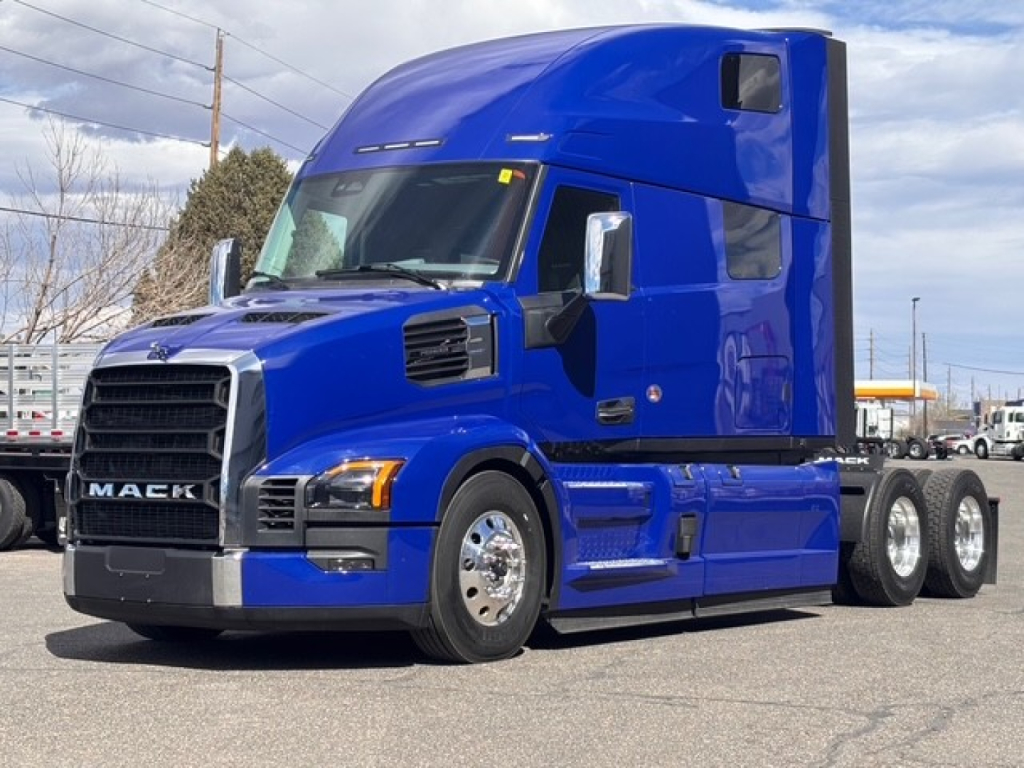
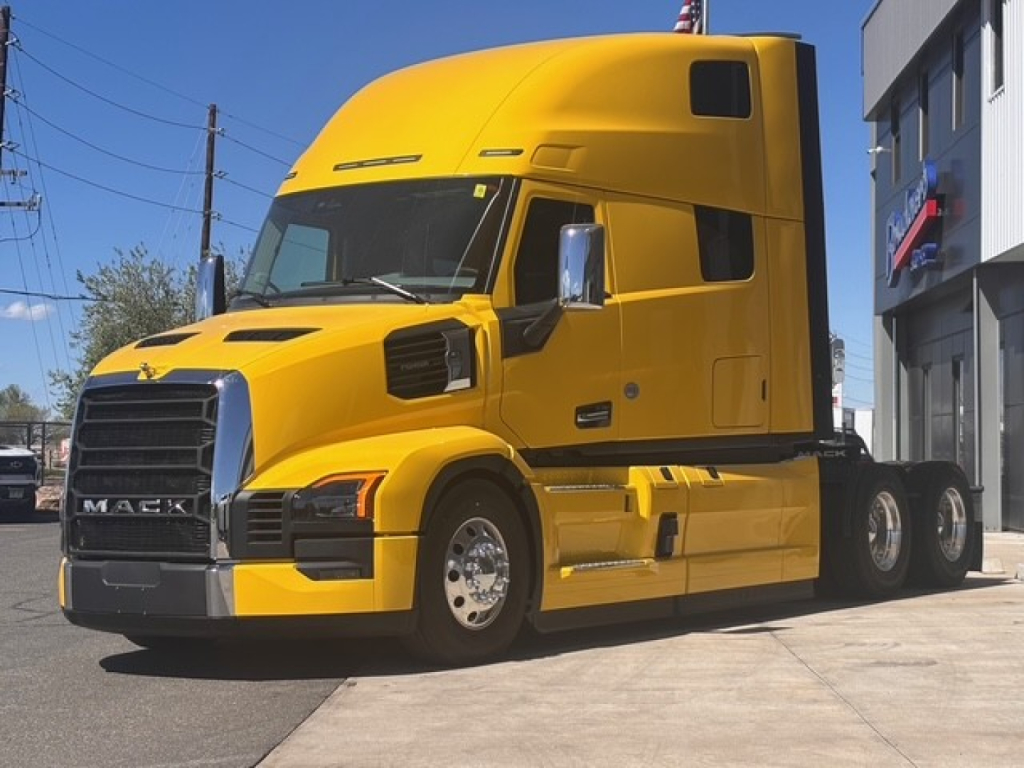
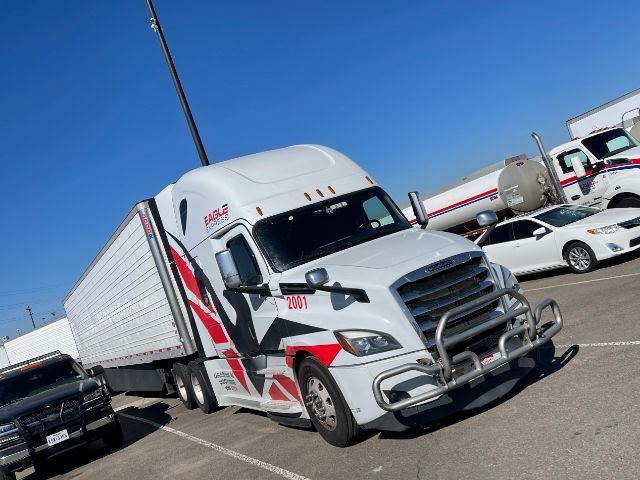
Showing 37 to 40 of 40 results
Have conventional sleeper truck to sell? List it here to reach thousands of buyers.
About Conventional Sleeper Trucks in Colorado
Conventional sleeper trucks pair a long hood cab with integrated bunk space to cover long Colorado stretches efficiently. Buyers weigh hood aerodynamics, wheelbase, and axle placement against maneuverability in mountain towns and terminal yards. In high altitude service, look for 13 to 15 liter engines with torque in the 1,650 to 1,850 lb ft range, deep cooling packages, and robust engine brakes or transmission retarders for long descents on I 70. Automated manual transmissions reduce driver fatigue on grades, while direct or overdrive top gears should be matched to rear ratios for your cruise speed and terrain.
Structural and floor strength matter because sleepers carry weight through the cab, bunk, and frame under constant torsion. Frame rail section modulus and RBM numbers indicate resistance to twist, and double frame inserts or heavy liners may be warranted for heavy haul or rough oilfield approaches. Inside the cab, reinforced sleeper and cab floors with aluminum or composite pans, closely spaced crossmembers, and solid scuff zones at the bunk entry resist sag, squeaks, and fastener pull through. Air ride cab mounts and high capacity rear suspensions, 38K to 46K, protect cabinetry and electronics from vibration and extend service life.
Thermal integrity becomes a daily cost in Colorado winters and summer passes. Closed cell foam insulation in the sleeper walls and roof, tight door and window seals, and insulated floor mats reduce heat loss and cut idle time. Diesel fired bunk heaters and battery powered HVAC, or a full APU with shore power capability, keep drivers comfortable without running the main engine, reducing fuel burn and maintaining aftertreatment temperatures more consistently. Heated mirrors, fuel line warmers, cold soak start aids, and winter grille shutters shorten warm up and stabilize cab temperatures, while UV tinted glass and sunshades help in high elevation sun.
Tare weight drives payload and fuel economy, so consider aluminum wheels, hubs, crossmembers, battery boxes, and air tanks, composite fairings, and disc brakes where appropriate. Wide base singles can remove several hundred pounds, but duals offer better traction margin in snow and chain up conditions common in Colorado, so weigh savings against grip. Corrosion resistance is critical with magnesium chloride and salt brines, so look for e coated or powder coated frames, aluminum or stainless cabs and steps, sealed electrical harnesses, stainless fasteners, and treated aftertreatment brackets to prevent cold soak cracking and clamp corrosion. Spec collision mitigation systems, adaptive cruise, LED lighting, TPMS, and heated air dryers to keep the truck predictable on mountain routes and to protect uptime.
Structural and floor strength matter because sleepers carry weight through the cab, bunk, and frame under constant torsion. Frame rail section modulus and RBM numbers indicate resistance to twist, and double frame inserts or heavy liners may be warranted for heavy haul or rough oilfield approaches. Inside the cab, reinforced sleeper and cab floors with aluminum or composite pans, closely spaced crossmembers, and solid scuff zones at the bunk entry resist sag, squeaks, and fastener pull through. Air ride cab mounts and high capacity rear suspensions, 38K to 46K, protect cabinetry and electronics from vibration and extend service life.
Thermal integrity becomes a daily cost in Colorado winters and summer passes. Closed cell foam insulation in the sleeper walls and roof, tight door and window seals, and insulated floor mats reduce heat loss and cut idle time. Diesel fired bunk heaters and battery powered HVAC, or a full APU with shore power capability, keep drivers comfortable without running the main engine, reducing fuel burn and maintaining aftertreatment temperatures more consistently. Heated mirrors, fuel line warmers, cold soak start aids, and winter grille shutters shorten warm up and stabilize cab temperatures, while UV tinted glass and sunshades help in high elevation sun.
Tare weight drives payload and fuel economy, so consider aluminum wheels, hubs, crossmembers, battery boxes, and air tanks, composite fairings, and disc brakes where appropriate. Wide base singles can remove several hundred pounds, but duals offer better traction margin in snow and chain up conditions common in Colorado, so weigh savings against grip. Corrosion resistance is critical with magnesium chloride and salt brines, so look for e coated or powder coated frames, aluminum or stainless cabs and steps, sealed electrical harnesses, stainless fasteners, and treated aftertreatment brackets to prevent cold soak cracking and clamp corrosion. Spec collision mitigation systems, adaptive cruise, LED lighting, TPMS, and heated air dryers to keep the truck predictable on mountain routes and to protect uptime.