
2020 Conventional Sleeper Trucks For Sale in Colorado
Browse 2020 conventional sleeper trucks in Colorado. Compare sleeper sizes, engine options, axle setups, wheelbase, and fuel economy features.
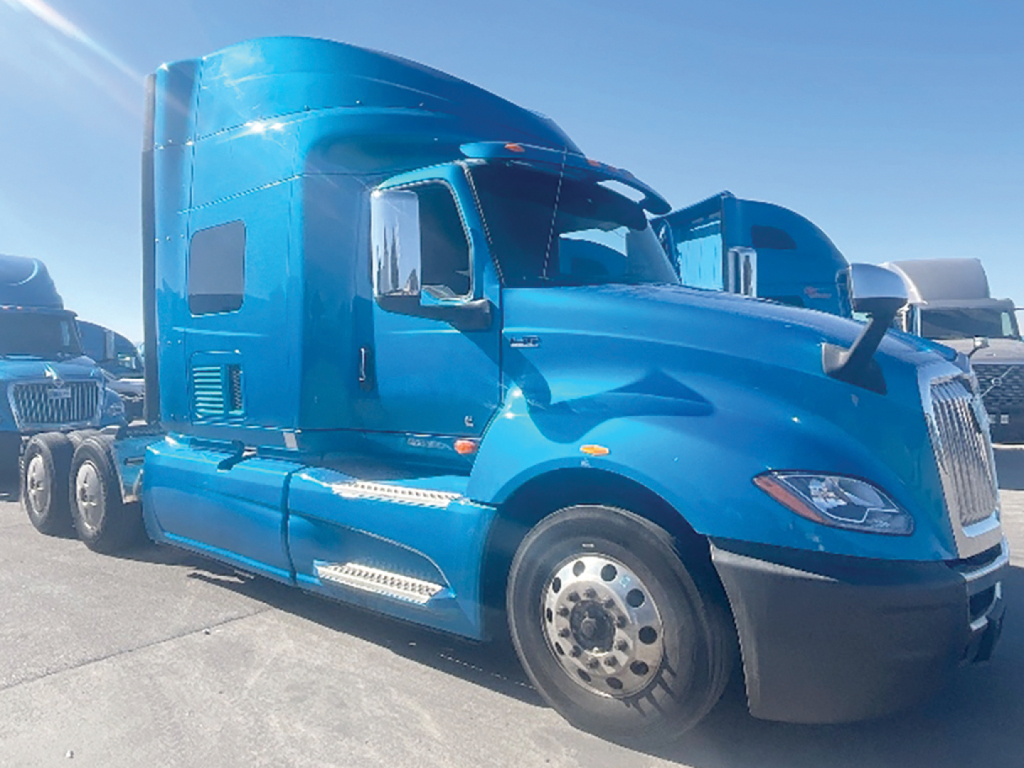
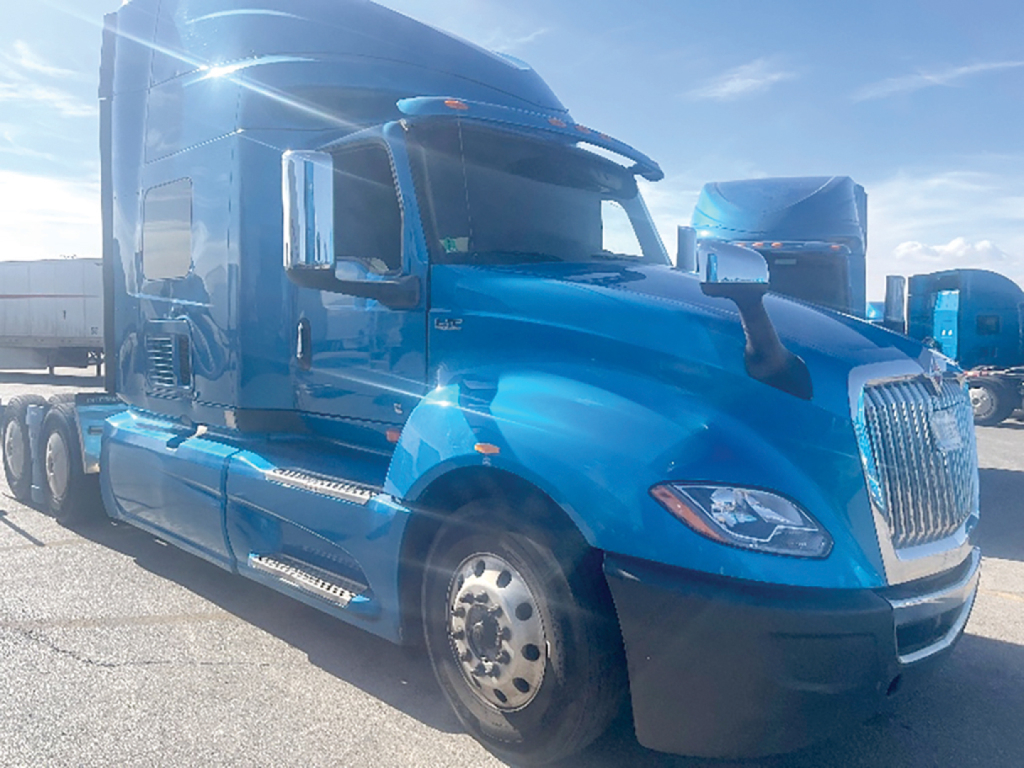
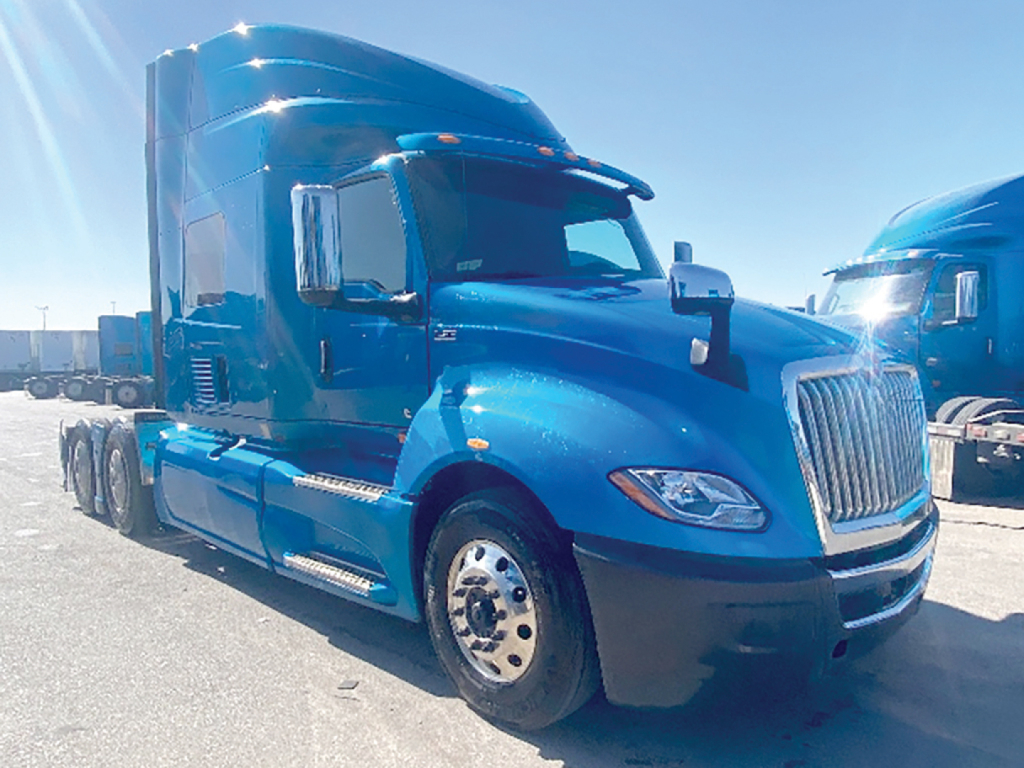
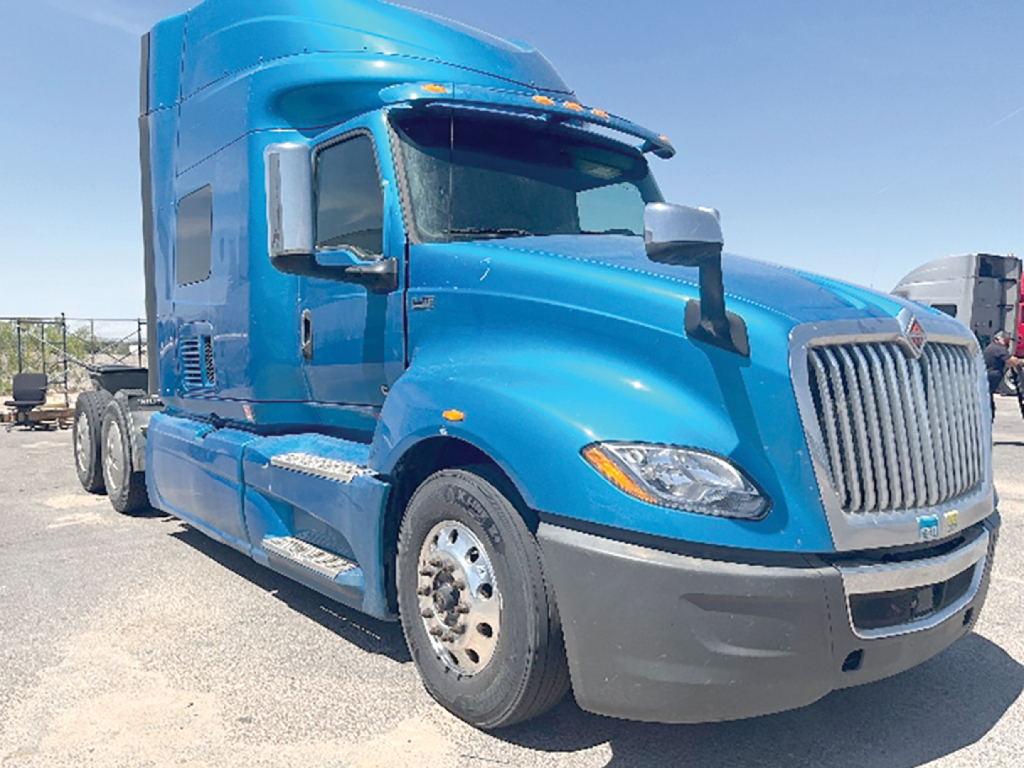
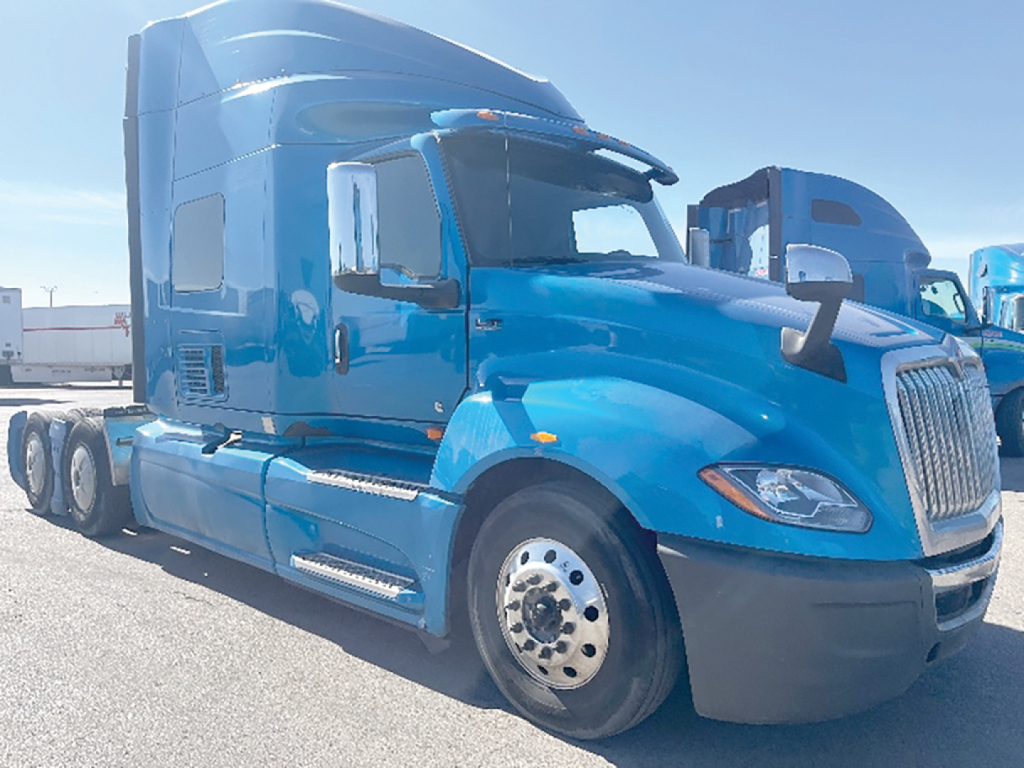

Have 2020 conventional sleeper truck to sell? List it here to reach thousands of buyers.
2020 Conventional Sleeper Trucks in Colorado
The biggest buying decision is usually the powertrain. In 2020 conventional sleepers, typical engines include the Detroit DD13, Detroit DD15, and Cummins X15, often rated around 400 to 455 horsepower for fleet-oriented highway use. Most trucks in this class are paired with automated manual transmissions such as the DT12, although some buyers still prefer a manual in owner-operator oriented specs. Rear axle ratios can vary widely, from fuel-economy setups in the low 2s to more traditional ratios for heavier work, so it is important to match the ratio, tire size, and transmission gearing to your operating speed, terrain, and gross weight. In Colorado, that matters even more because mountain grades can expose an underpowered or over-geared spec quickly.
Axle configuration, wheelbase, and fifth wheel setup also separate one 2020 sleeper from another. Tandem-drive units remain the standard for general freight, but some 2020 conventional sleepers are spec'd as single-drive tractors with an air tag axle for lighter payloads and fuel savings. Wheelbases in this category often fall in the low- to mid-200-inch range, depending on sleeper length, fuel capacity, and frame equipment. Buyers should look closely at air-ride suspension, air-slide or adjustable fifth wheels, disc versus drum brake configurations, and tire profile, especially if the truck will be used across mixed lanes or dedicated freight contracts.
A good 2020 conventional sleeper should be evaluated as a total operating package, not just by make and mileage. Service history, aftertreatment maintenance, warranty status, tire age, and driver-focused features can affect real cost as much as engine brand. Aerodynamic fairings, cab extenders, aluminum fuel tanks, collision mitigation systems, and idle management all contribute to fuel burn and uptime. For Colorado buyers, it also makes sense to pay attention to engine brake performance, cooling system condition, and the truck's ability to hold road speed at elevation. This class is also commonly referred to as a sleeper tractor or highway sleeper truck, and it remains the core platform for over-the-road freight, dedicated lanes, and regional runs that require overnight accommodations.
Frequently Asked Questions about 2020 Conventional Sleeper Trucks in Colorado
What engines are common in 2020 conventional sleeper trucks?
Common engines in 2020 conventional sleeper trucks include the Detroit DD13, Detroit DD15, and Cummins X15. Horsepower ratings frequently fall in the 400 to 455 horsepower range, which suits most highway freight applications. The right engine depends on route profile, average gross weight, and desired fuel economy. Buyers running Colorado grades or heavier loads often pay close attention to torque rating, engine brake performance, and how the engine is paired with the rear axle ratio.
What sleeper size is best for a 2020 conventional sleeper truck?
The best sleeper size depends on the truck's duty cycle. A 60-inch mid-roof sleeper can work well for regional freight and shorter overnights, while a 72-inch or 73-inch raised-roof sleeper gives more living space for long-haul operations. Features such as an upper bunk, bunk heater, storage layout, and idle reduction system can matter as much as sleeper length. For team operations or extended trips, taller and longer sleepers usually provide better driver comfort and retention.
Are 2020 conventional sleeper trucks mostly automatic?
Most 2020 conventional sleeper trucks are equipped with automated manual transmissions, especially in fleet specs. These transmissions are popular because they help standardize driver performance, reduce clutch wear, and can improve fuel economy when matched with downsped drivetrains. Manual transmissions still appear in some trucks, particularly older-style owner-operator specs, but the 2020 market is dominated by automated options such as the DT12.
What should buyers in Colorado look for in a 2020 sleeper tractor?
Colorado buyers should focus on gearing, engine brake strength, cooling system condition, and overall performance at elevation. A very tall rear axle ratio may be efficient on flat interstate lanes but can feel sluggish on mountain grades if the truck is underpowered for the load. Buyers should also inspect tire condition, brake type, and suspension setup for stability and control in changing weather and terrain. A strong maintenance record is especially important because hard pulls at altitude can expose neglected cooling or aftertreatment issues.
How do I compare one 2020 conventional sleeper truck to another?
Start with the operating spec, not just the badge on the hood. Compare engine model, horsepower, transmission type, rear axle ratio, axle configuration, wheelbase, sleeper size, and fuel tank capacity. Then look at service records, DPF and aftertreatment history, brake and tire condition, and any driver-assist systems such as collision mitigation. A truck with the right gearing, maintenance history, and sleeper layout will usually deliver better uptime and lower operating cost than a similar unit chosen only for price or mileage.