
2020 International Conventional Sleeper Trucks For Sale in Colorado
Browse 2020 International conventional sleeper trucks in Colorado. Compare LT625 specs, sleeper sizes, powertrain options, and long-haul features.
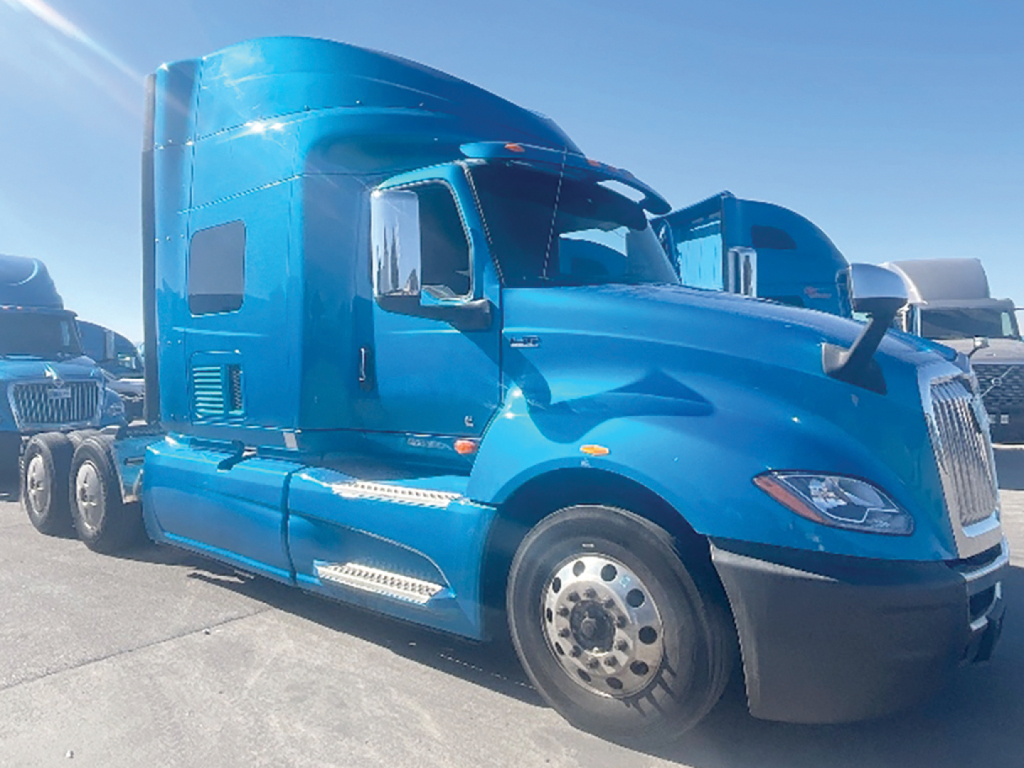
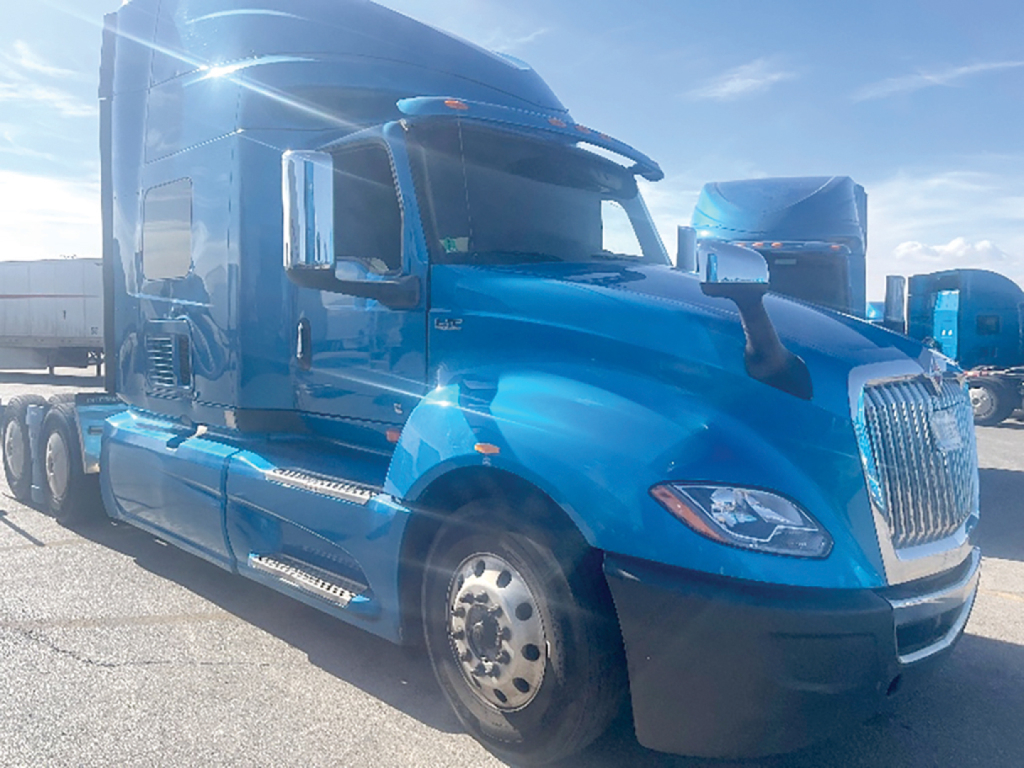
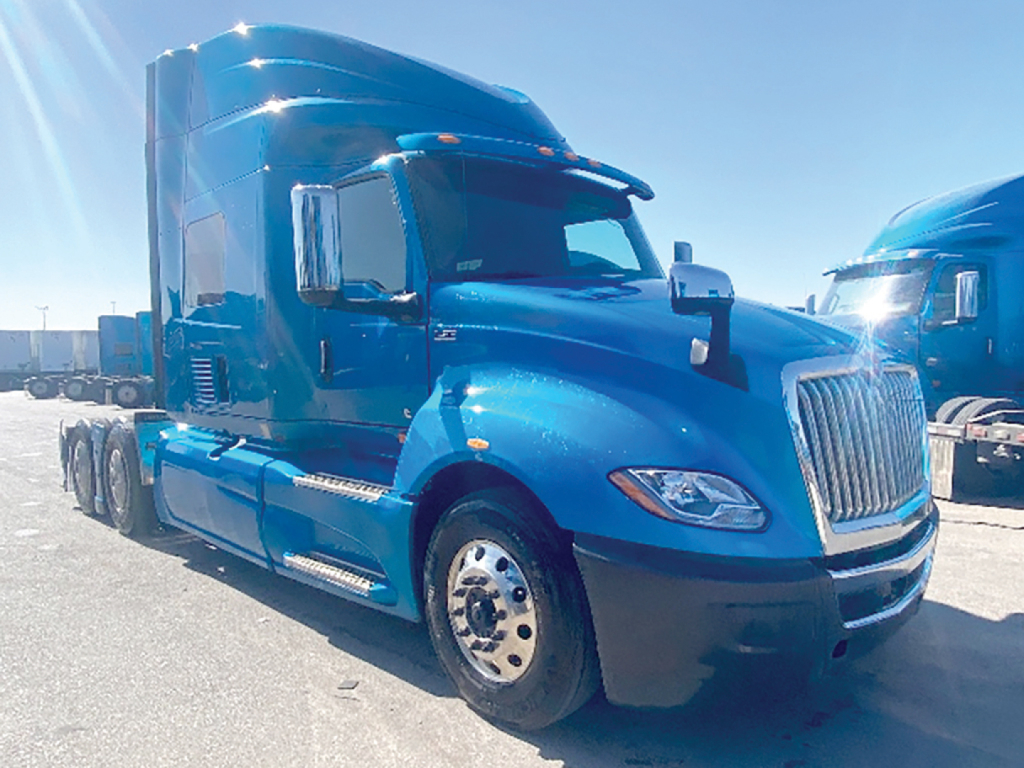
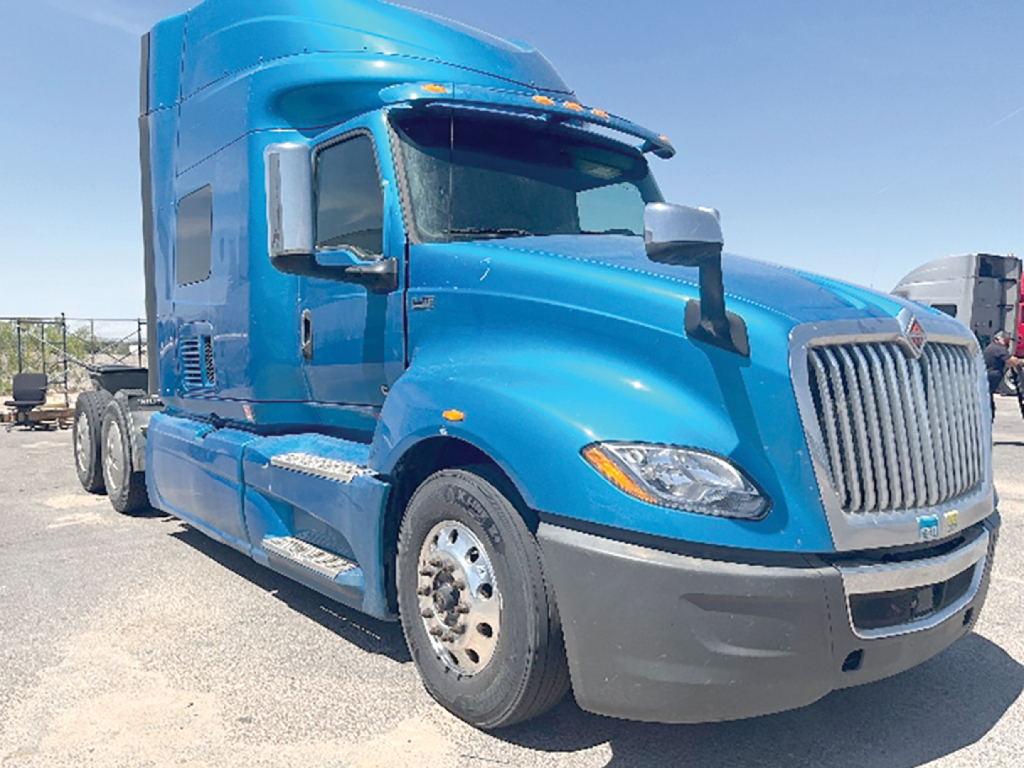
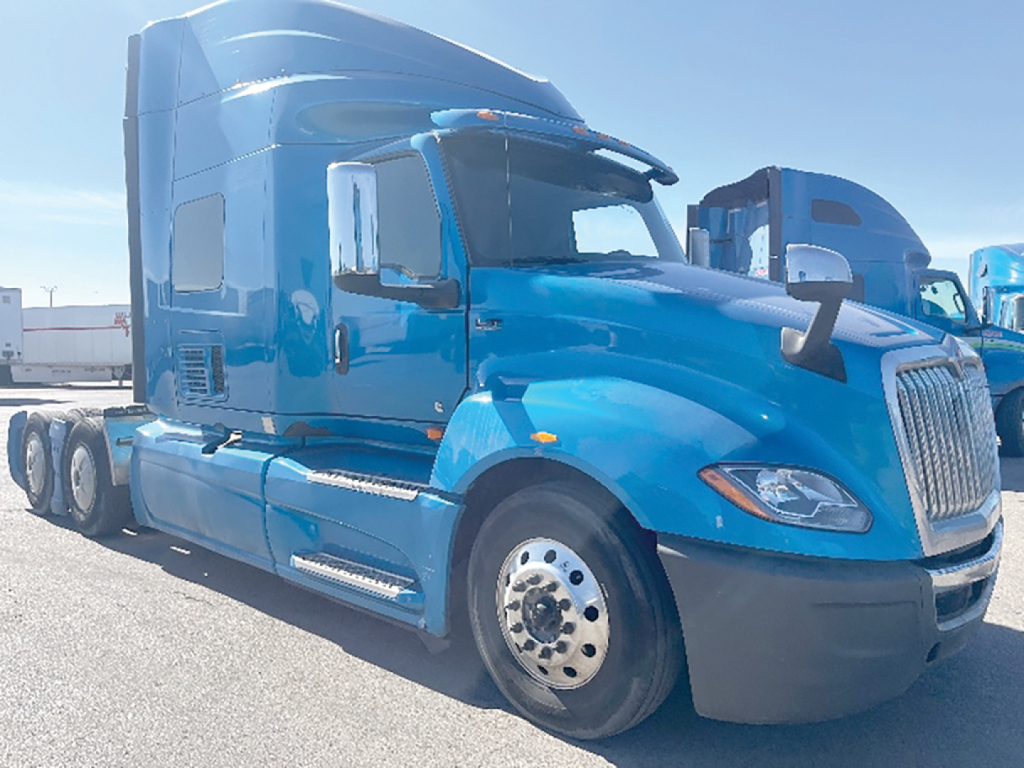
Have 2020 international conventional sleeper truck to sell? List it here to reach thousands of buyers.
2020 International Conventional Sleeper Trucks in Colorado
Powertrain choice is one of the first buying decisions. Many 2020 International sleeper trucks are spec'd with the Cummins X15 in ratings around 400 HP, often paired with an automated transmission and engine brake. That setup fits general van freight, reefer work, and dedicated route operations where fuel economy and simpler driver onboarding are priorities. Buyers should look closely at rear axle rating, axle count, and ratio. Listings in this class may include a single drive axle with air tag axle and tall highway gearing such as 2.31, which can work well for lighter payloads and fuel-focused applications but is not the same spec profile as a full tandem road tractor intended for heavier freight and broader trailer interchange.
Sleeper and chassis specs deserve a careful review because they directly affect assignment flexibility. A 230-inch to 238-inch wheelbase is common in these trucks, along with air ride suspension, adjustable or air-slide fifth wheels, dual aluminum fuel tanks, and full aero packages with side fairings, cab extenders, and quarter fenders. Disc brakes, 22.5 low-profile tires, and aluminum front wheels are also common on late-model fleet specs. Inside the cab, features like a bunk heater, tilt-telescoping steering column, cruise control, power windows, and idle reduction systems can make a noticeable difference in cold-weather and high-idle environments such as Colorado and other mountain-west lanes.
For buyers comparing 2020 International conventional sleepers, the key is matching the truck's spec to the freight. Check sleeper height and bunk layout for team or solo use, confirm the horsepower and rear ratio against your terrain, and verify whether the truck is a true tandem tractor or a fuel-economy-focused single drive with tag. Also pay attention to maintenance history, emissions system service, brake type, and tire size so replacement costs and uptime expectations are clear before purchase. A well-matched International LT sleeper can be a practical long-haul tractor with a good balance of aerodynamics, cab comfort, and drivability.
Frequently Asked Questions about 2020 International Conventional Sleeper Trucks in Colorado
What engine is commonly found in a 2020 International conventional sleeper truck?
A common engine in a 2020 International LT625 sleeper is the Cummins X15, often rated around 400 horsepower, though higher horsepower versions exist. This engine is widely used in linehaul applications because it offers strong parts support, broad service familiarity, and a range of ratings that can be matched to fuel economy goals or heavier freight demands. Buyers should confirm the exact horsepower, torque rating, and emissions maintenance history on any truck they are considering.
Is a single drive axle with an air tag axle a good spec for a sleeper tractor?
It can be, but it depends entirely on the job. A single drive axle with an air tag axle is usually aimed at fuel economy, lower tare weight, and specific freight operations that do not require a traditional tandem drive setup. It may work well for dedicated lanes, lighter loads, or operations with tight cost controls. It is less versatile than a tandem axle tractor for heavier freight, steep grades, and wide trailer interchange requirements, so buyers should verify legal weight needs and customer expectations before choosing that configuration.
What sleeper size is typical on a 2020 International LT625?
A 73-inch sleeper is very common on the LT625, often in hi-rise or sky-rise form. That size gives enough room for a single driver to stay out comfortably and can support team operation when equipped with an upper bunk. The main differences between sleeper versions are interior headroom, storage layout, and how much living space the driver has during resets. Buyers should look beyond the advertised sleeper length and inspect bunk arrangement, cabinet space, HVAC performance, and any idle reduction equipment.
What rear axle ratio works best on a 2020 International sleeper?
The best rear axle ratio depends on speed, terrain, and payload. A tall ratio such as 2.31 is typically chosen for fuel-efficient highway service and lower engine rpm at cruise speed. That can be effective on flatter routes and lighter applications, but it may not be ideal for frequent mountain driving, heavy loads, or operations that need stronger launch and grade-climbing performance. In Colorado and similar regions, axle ratio should be considered together with engine rating, transmission calibration, and tire size.
Are disc brakes common on 2020 International sleeper trucks?
Yes, disc brakes are increasingly common on newer fleet-spec sleeper tractors, including many 2020 International LT models. They can provide strong stopping performance, consistent feel, and easier inspection access compared with drum setups. Buyers should still review rotor and pad condition, maintenance records, and parts cost in their service area. Brake spec matters because it affects both safety and ongoing operating expense, especially on high-mileage road tractors.