Volvo Conventional Sleeper Trucks For Sale in Colorado
Volvo conventional sleeper trucks in Colorado with VNL aerodynamics, D13 I-Shift powertrains, cab floors, insulated sleepers, and corrosion protection
Learn more3 Listings
Have volvo conventional sleeper truck to sell? List it here to reach thousands of buyers.

About Volvo Conventional Sleeper Trucks in Colorado
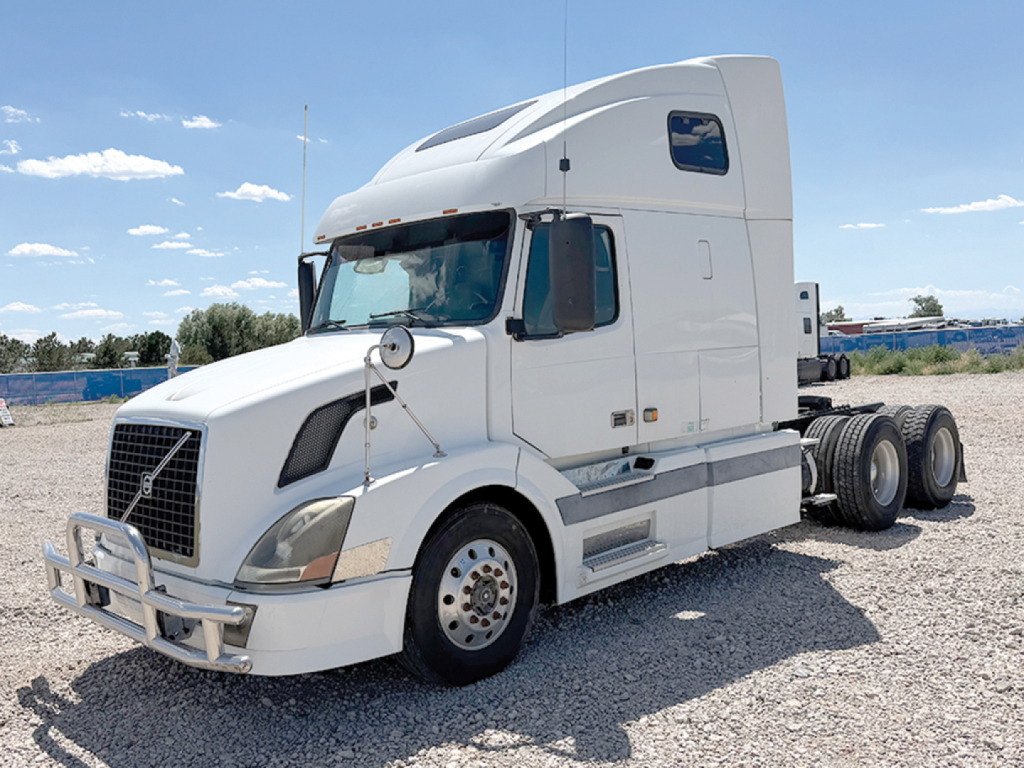
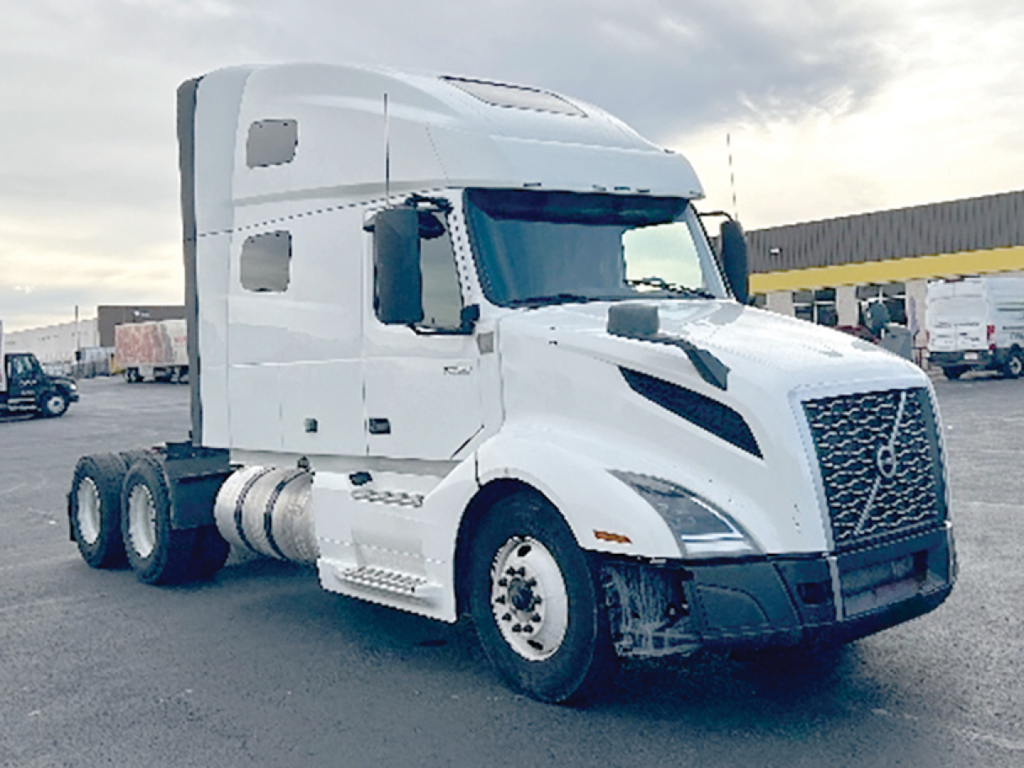
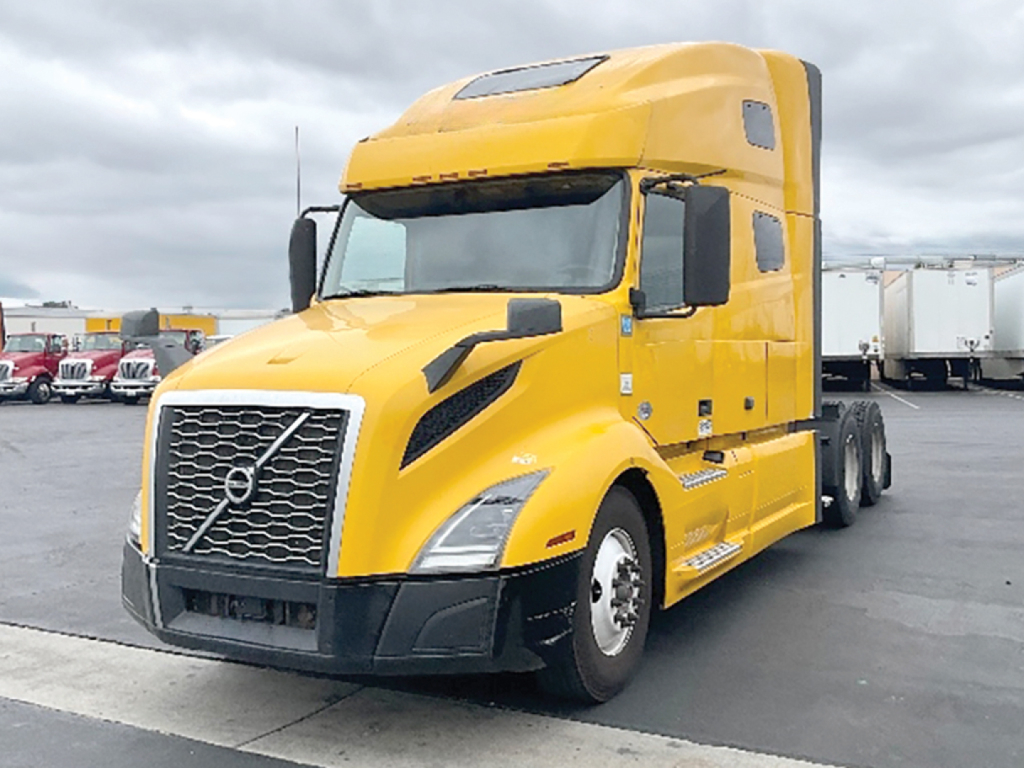
Buyers evaluating Volvo conventional sleeper trucks in Colorado will see the appeal of the VNL platform, which pairs low-drag aerodynamics with a rigid cab and sleeper structure for long service life. The cab floor and sleeper base resist flexing, an advantage when mounting cabinets, refrigerators, inverters, or an APU, and that rigidity helps prevent squeaks and water intrusion over rough pavement. Volvo sleepers are designed for quiet, with insulation and door sealing that reduce heat loss in winter and cabin heat gain in summer, which translates into less HVAC cycling and better driver rest.
Most units on the road combine the Volvo D13 with the I-Shift automated manual, a setup known for smooth shifts on steep grades and consistent fuel economy. The turbo compounding variant delivers additional efficiency under load at altitude, useful west of Denver where long climbs can punish fuel burn. Volvo’s VEB+ engine brake provides strong retarding horsepower, which helps manage brake temperatures on descents like Vail Pass; pairing VEB+ with air disc brakes further reduces fade and maintenance. Spec choices matter for traction in snow, so compare 6x4 with interaxle power dividers and differential locks against 6x2 for weight savings; 6x4 offers better bite on icy chain-up areas, 6x2 trims tare. Axle ratios and I-Shift gearing should match the route profile, balancing startability, gradeability, and cruise RPM at 65 to 70 mph.
Tare weight can be trimmed with aluminum wheels, wide base singles, and disc brakes, or kept conservative with steel wheels and duals for easier roadside service in remote mountain areas. Aerodynamic packages, including chassis skirts and bumper air dams, boost mpg on the Front Range, but verify ground clearance for snowpack and chain clearance in the high country. Fuel capacity is another lever; 2 by 120 or 2 by 150 gallon tanks support long stretches between fuel stops, but watch side-to-side balance when running one tank low on uneven grades. Fifth wheel height and slider travel are important for weight distribution across the drives when connecting to different trailer kingpin settings, and a robust slider with enough travel helps fine tune axle loads for Rocky Mountain operations.
Thermal integrity in the sleeper is more than comfort, it protects batteries and reduces idle time. Well sealed cabs, insulated sleepers, heavy curtains, and diesel-fired bunk heaters keep drivers warm on subzero nights in the high passes, while battery HVAC or an APU can provide cooling and hotel power without violating idle restrictions. Evaluate alternator output, inverter size, and battery chemistry to support hotel loads and refrigerator duty cycles in winter. Corrosion resistance matters in Colorado because of magnesium chloride; look for e-coated cabs, galvanized or treated steel panels, aluminum fuel and air tanks, composite battery boxes, sealed connectors, and underbody coatings. Routine washouts after storms, stainless fasteners on exposed accessories, and properly shielded wiring harnesses preserve frame paint, air tanks, and suspension brackets, extending the truck’s service life.
Most units on the road combine the Volvo D13 with the I-Shift automated manual, a setup known for smooth shifts on steep grades and consistent fuel economy. The turbo compounding variant delivers additional efficiency under load at altitude, useful west of Denver where long climbs can punish fuel burn. Volvo’s VEB+ engine brake provides strong retarding horsepower, which helps manage brake temperatures on descents like Vail Pass; pairing VEB+ with air disc brakes further reduces fade and maintenance. Spec choices matter for traction in snow, so compare 6x4 with interaxle power dividers and differential locks against 6x2 for weight savings; 6x4 offers better bite on icy chain-up areas, 6x2 trims tare. Axle ratios and I-Shift gearing should match the route profile, balancing startability, gradeability, and cruise RPM at 65 to 70 mph.
Tare weight can be trimmed with aluminum wheels, wide base singles, and disc brakes, or kept conservative with steel wheels and duals for easier roadside service in remote mountain areas. Aerodynamic packages, including chassis skirts and bumper air dams, boost mpg on the Front Range, but verify ground clearance for snowpack and chain clearance in the high country. Fuel capacity is another lever; 2 by 120 or 2 by 150 gallon tanks support long stretches between fuel stops, but watch side-to-side balance when running one tank low on uneven grades. Fifth wheel height and slider travel are important for weight distribution across the drives when connecting to different trailer kingpin settings, and a robust slider with enough travel helps fine tune axle loads for Rocky Mountain operations.
Thermal integrity in the sleeper is more than comfort, it protects batteries and reduces idle time. Well sealed cabs, insulated sleepers, heavy curtains, and diesel-fired bunk heaters keep drivers warm on subzero nights in the high passes, while battery HVAC or an APU can provide cooling and hotel power without violating idle restrictions. Evaluate alternator output, inverter size, and battery chemistry to support hotel loads and refrigerator duty cycles in winter. Corrosion resistance matters in Colorado because of magnesium chloride; look for e-coated cabs, galvanized or treated steel panels, aluminum fuel and air tanks, composite battery boxes, sealed connectors, and underbody coatings. Routine washouts after storms, stainless fasteners on exposed accessories, and properly shielded wiring harnesses preserve frame paint, air tanks, and suspension brackets, extending the truck’s service life.