
2027 Conventional Sleeper Trucks For Sale in Colorado
Shop 2027 conventional sleeper trucks in Colorado. Compare high-roof sleepers, powertrain specs, fuel capacity, safety tech, and bunk layouts.
Learn more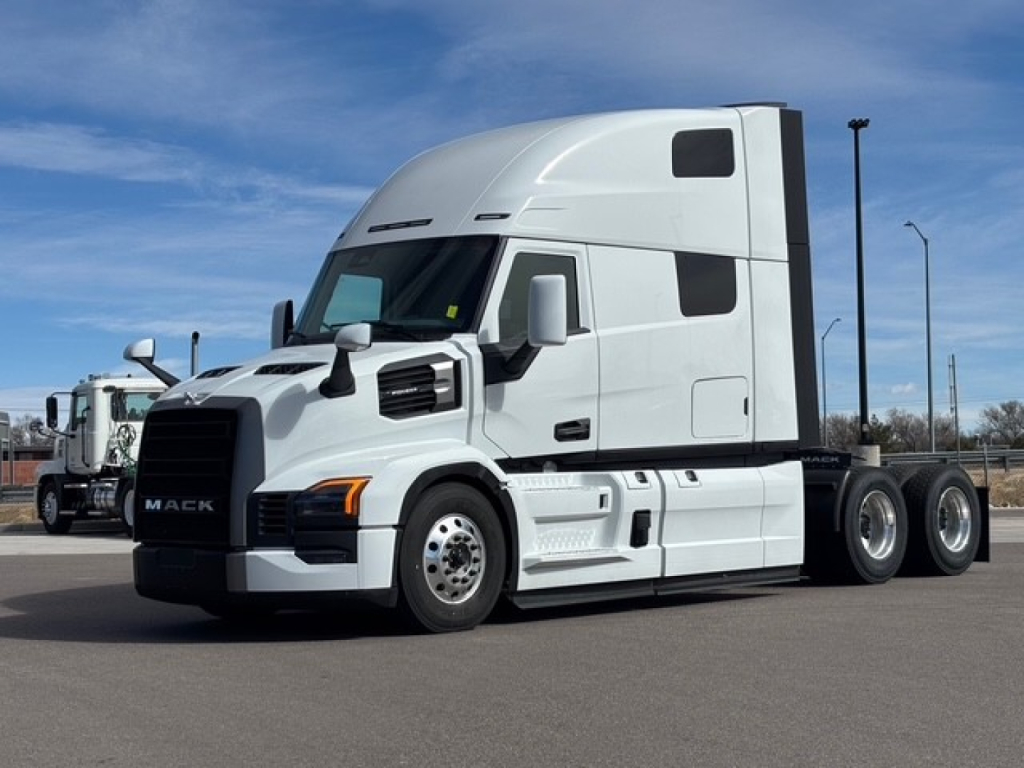
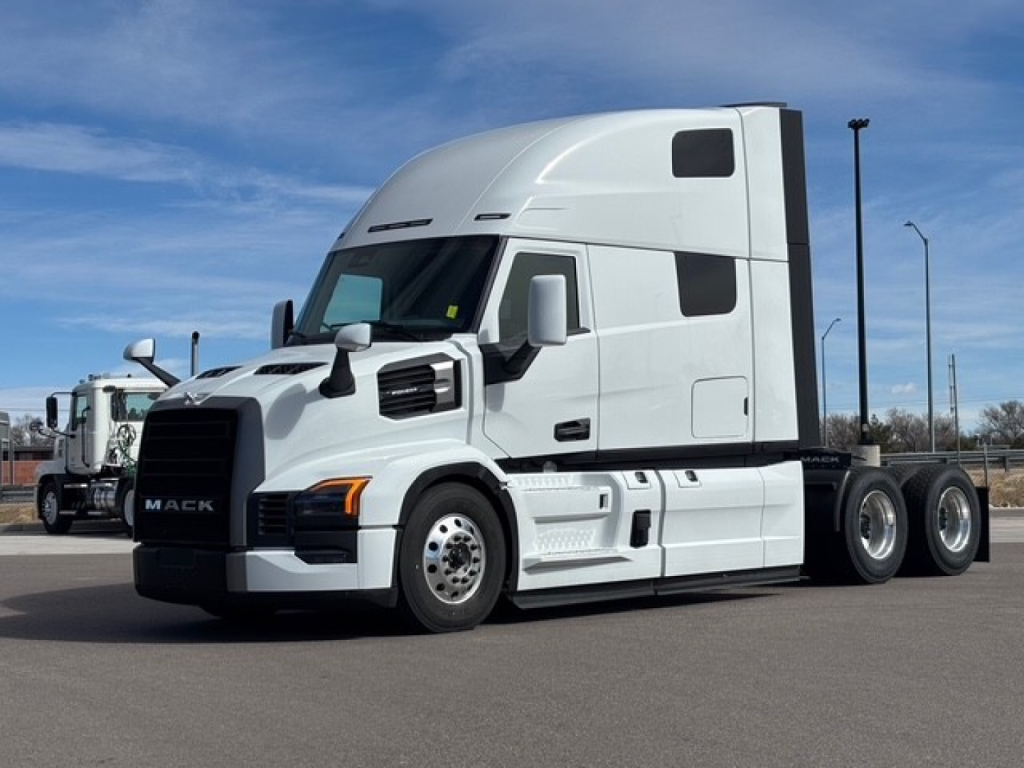
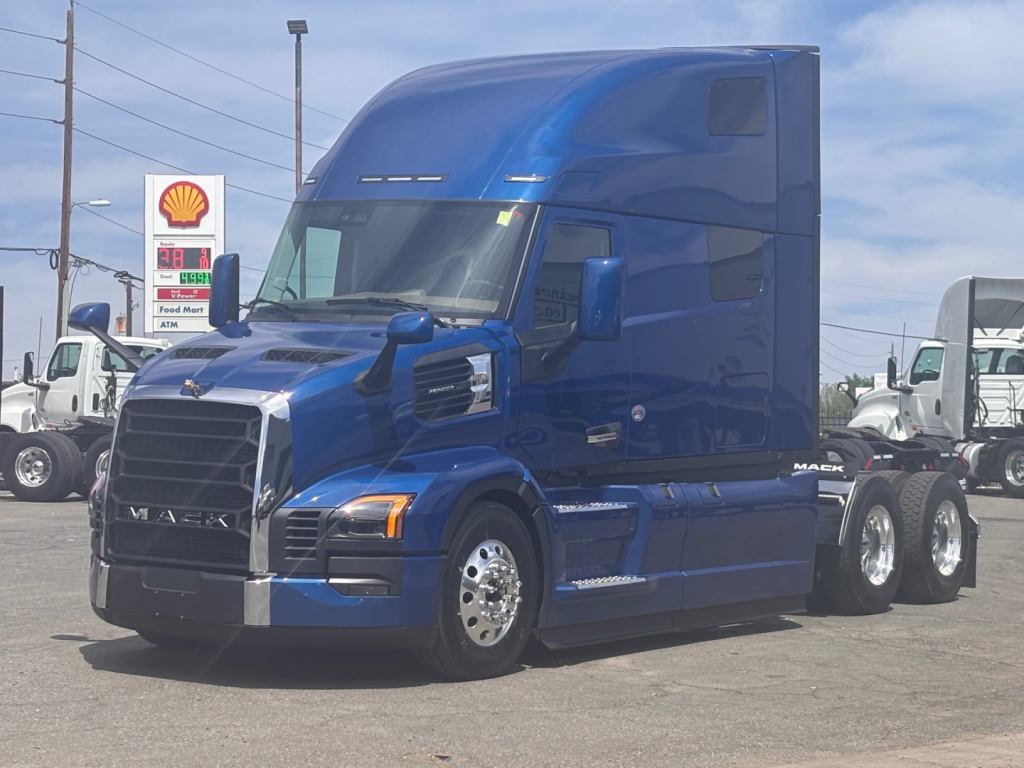
Have 2027 conventional sleeper truck to sell? List it here to reach thousands of buyers.
About 2027 Conventional Sleeper Trucks in Colorado
Powertrain choices matter more than cosmetics in this category. Most conventional sleepers in this model year will be spec'd with 11- to 13-liter engines for fuel-sensitive regional and linehaul work, or larger-displacement engines where heavier gross weights and steep grades are common. Horsepower often falls in the 400 to 515 hp range, with torque selected to match rear axle ratio, cruise speed, and average load. Automated manual transmissions dominate current specs because they improve shift consistency, reduce driver fatigue, and help with resale. Common buyer checkpoints include disc versus drum brakes, full locking differentials, fuel tank capacity on each side, idle management systems, and whether the truck has an APU, battery HVAC, or an integrated parking heater and cooler.
Sleeper configuration is a real operating-cost decision. A 70- to 76-inch high-roof sleeper is common for long-haul work because it supports double bunks, refrigerator space, cabinet storage, and enough stand-up room for teams or solo drivers staying out for longer intervals. Interior trim can range from work-grade vinyl and cloth to premium seating with heat, ventilation, and upgraded sleeper controls. Safety and visibility technology have become a bigger part of the buying decision in late-model conventional sleepers, especially adaptive cruise control, lane departure warning with corrective steering, collision mitigation, blind spot monitoring, backup cameras, electronic stability control, and digital mirror systems. Those features can help with insurance, driver acceptance, and reduced fatigue on long western runs.
For Colorado operation, buyers should pay close attention to cooling capacity, power ratings at altitude, axle ratio for gradeability, and brake performance on long descents. Fuel range also matters when routes include mountain corridors, weather delays, or wide spacing between stops. A good 2027 conventional sleeper spec should match the freight first, then the terrain, then the driver's time in the truck. Looking closely at sleeper height, bunk layout, fuel capacity, wheelbase, safety package, and warranty coverage will tell you more about the truck's real fit than the badge on the hood alone.
Frequently Asked Questions
What is a conventional sleeper truck?
A conventional sleeper truck is a highway tractor with a front engine hood and a built-in sleeping compartment behind the cab. It is designed for long-haul and overnight work where the driver needs rest space, storage, and onboard comfort features. Compared with a day cab, a sleeper adds length and weight but provides better suitability for extended routes and team operations.
What sleeper size is most common on a long-haul conventional truck?
For long-haul applications, 70-inch to 76-inch high-roof sleepers are among the most common configurations. That size usually provides stand-up room, more cabinet space, room for a refrigerator, and either a larger single bunk area or double bunks for team service. Smaller sleepers can work for regional overnight runs, but buyers focused on driver retention and extended time away from home often favor the larger high-roof layout.
What engine and transmission specs are typical in a 2027 conventional sleeper?
Many 2027 conventional sleepers are expected to be spec'd with 11- to 13-liter diesel engines, commonly in the 400 to 515 horsepower range, matched to automated manual transmissions. Final spec depends on gross combination weight, average terrain, cruise speed, and fuel economy goals. Fleets hauling heavier loads through mountain states often prioritize higher torque ratings, appropriate rear axle gearing, and strong engine braking over peak horsepower alone.
What should buyers in Colorado look for in a sleeper truck?
Colorado buyers should focus on grade-climbing performance, engine brake effectiveness, cooling performance at altitude, and brake durability for long descents. Axle ratio and torque curve are especially important if the truck will run I-70 corridors, ski-country freight, or other mountain routes. It also makes sense to evaluate fuel capacity, traction features such as inter-axle and cross-locks, and driver-assist systems that help in changing weather and steep terrain.
Are modern safety systems worth paying for on a conventional sleeper?
In most operations, yes. Features such as adaptive cruise control, forward collision mitigation, lane departure warning, blind spot monitoring, backup cameras, electronic stability control, and digital mirrors can reduce driver workload and improve visibility. They may also support driver hiring and retention, especially in fleets trying to place newer drivers in over-the-road equipment. The value is strongest when the safety package matches the duty cycle and the fleet is prepared to train drivers on how the systems behave.