
2027 Mack Conventional Sleeper Trucks For Sale in Colorado
Shop 2027 Mack conventional sleeper trucks for long-haul freight, featuring MP engines, aerodynamic cabs, sleeper options, and driver-focused tech.
Learn more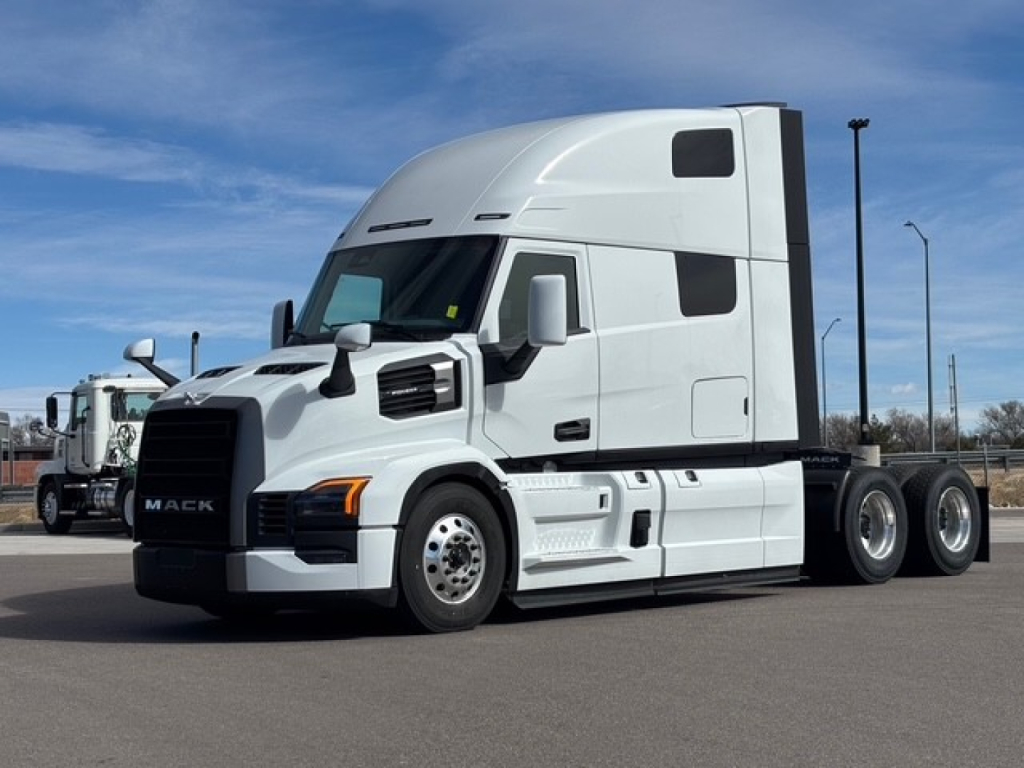
Have 2027 mack conventional sleeper truck to sell? List it here to reach thousands of buyers.
About 2027 Mack Conventional Sleeper Trucks in Colorado
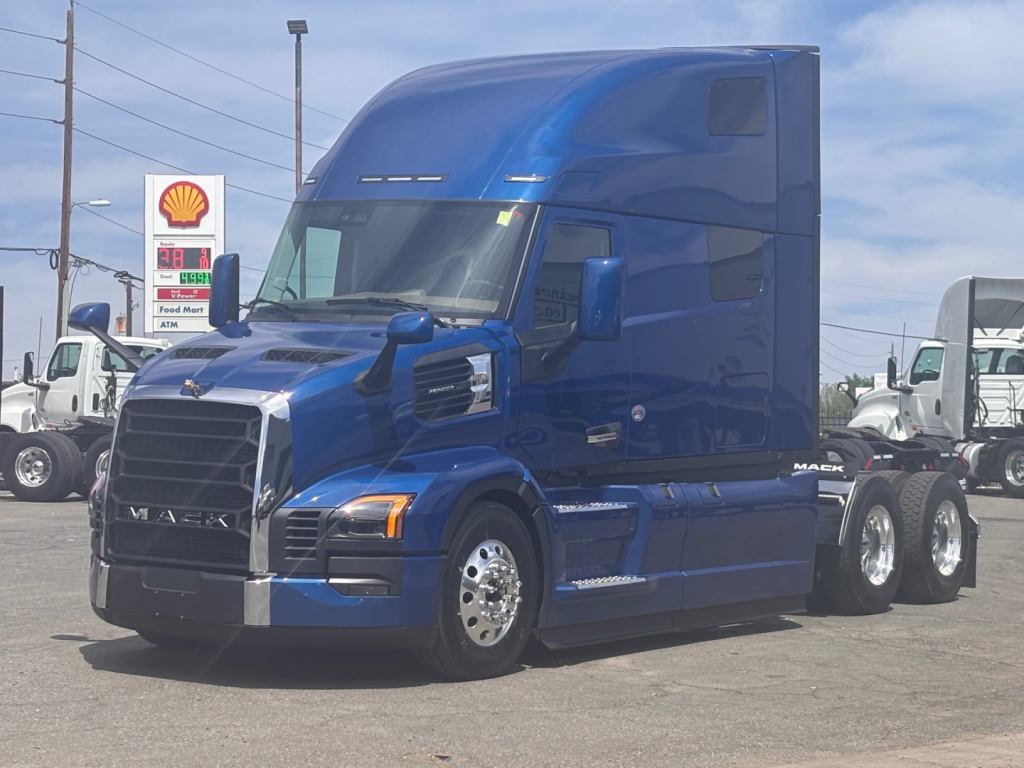
The sleeper itself is a major buying decision. A 76-inch high-roof setup is common for team service, extended trips, or any operation that needs more storage, stand-up room, and larger bunk arrangements. Mid-roof sleepers can make sense for operations that want a lighter, slightly more compact tractor while still giving the driver overnight capability. Interior layouts vary, but buyers often compare single versus double bunk setups, refrigerator prep or factory refrigerators, auxiliary HVAC systems, parking heaters and coolers, premium control panels, and seat upgrades. On newer Mack sleepers, comfort and driver retention features are increasingly part of the spec, not just an add-on.
From a chassis and driveline standpoint, most buyers in this category focus on 6x4 tandem axle configurations with highway-friendly wheelbases, disc or drum brake choices, and fuel capacity matched to route length. Mack MP series engine ratings in the mid-400 horsepower range are common in this class, especially for dry van and reefer applications, while heavier or mountain-focused operations may want a higher torque spec and a driveline built around gradeability instead of pure fuel economy. Automated transmissions dominate this segment because they help with driver consistency, training, and resale appeal. It is also worth checking practical items such as fairing condition, tank layout, fifth wheel spec, suspension type, and whether the truck was ordered with locking differentials for winter or off-pavement access.
Safety and driver-assist technology have become a bigger part of the value equation on late-model Mack conventional sleepers. Buyers now regularly compare adaptive cruise control, forward collision mitigation, lane departure warning with corrective steering, blind spot monitoring, back-up cameras, stability control, digital mirror systems, and integrated steering assist features. For a Colorado buyer, those systems can be especially relevant on long grades, winter roads, and congested Front Range corridors. The best truck in this category is not just the one with the newest cab or biggest sleeper. It is the one with a spec that matches your freight, your terrain, your drivers, and your maintenance plan.
Frequently Asked Questions
What is the typical engine and transmission setup in a Mack conventional sleeper truck?
Most late-model Mack conventional sleeper trucks are spec'd with a Mack MP series diesel engine and an automated manual transmission for highway use. A common configuration is an MP13 in the mid-400 horsepower range paired with a 12-speed automated transmission. That setup fits general freight, reefer, and dedicated route work well because it balances pulling power, fuel economy, and driver ease of use. Buyers hauling heavier freight or running consistently through mountain terrain may want to prioritize torque output, axle ratio, and cooling performance over a lighter fuel-efficiency spec.
Is a high-roof or mid-roof sleeper better for long-haul work?
A high-roof sleeper is usually the better fit for long-haul and team operations because it provides more standing room, storage, and flexibility for larger bunk and cabinet layouts. A mid-roof sleeper can still work well for solo overnight runs, regional service, and operations trying to keep weight and overall height more controlled. The right choice depends on trip length, driver expectations, and how much living space the operation needs to support retention and comfort.
What should Colorado buyers look for in a Mack sleeper spec?
Colorado buyers should pay close attention to horsepower, torque, rear axle ratio, and cooling system capacity because mountain grades and elevation expose underpowered or lightly spec'd highway tractors quickly. Brake type, differential locks, tire choice, and stability systems also matter more in snow and mixed terrain. Fuel capacity and wheelbase should match the routes being run, and buyers planning regular mountain operation should verify the truck was spec'd for gradeability rather than only flatland fuel economy.
Are modern safety systems worth paying more for on a conventional sleeper truck?
In many cases, yes. Features such as adaptive cruise control, forward collision warning, emergency braking support, lane departure warning, blind spot monitoring, digital mirrors, and back-up cameras can reduce fatigue and improve situational awareness on long runs. They may also help with driver acceptance and fleet safety goals. For buyers comparing similar trucks, a well-integrated safety package can add real operational value, especially in dense traffic, poor weather, and night driving.
What axle configuration is most common for a Mack conventional sleeper?
The most common configuration is a 6x4 tandem axle tractor because it offers the traction, legal capacity, and durability needed for general over-the-road freight. This setup works well with dry vans, reefers, and many flatbed applications. A buyer should still confirm suspension type, wheelbase, fifth wheel placement, and kingpin compatibility with the trailers being pulled, since those details affect maneuverability, payload distribution, and ride quality.