
2018 Conventional Sleeper Trucks For Sale in Colorado
Browse 2018 conventional sleeper trucks in Colorado. Compare sleeper size, powertrain, wheelbase, gearing, and long-haul specs.
Learn more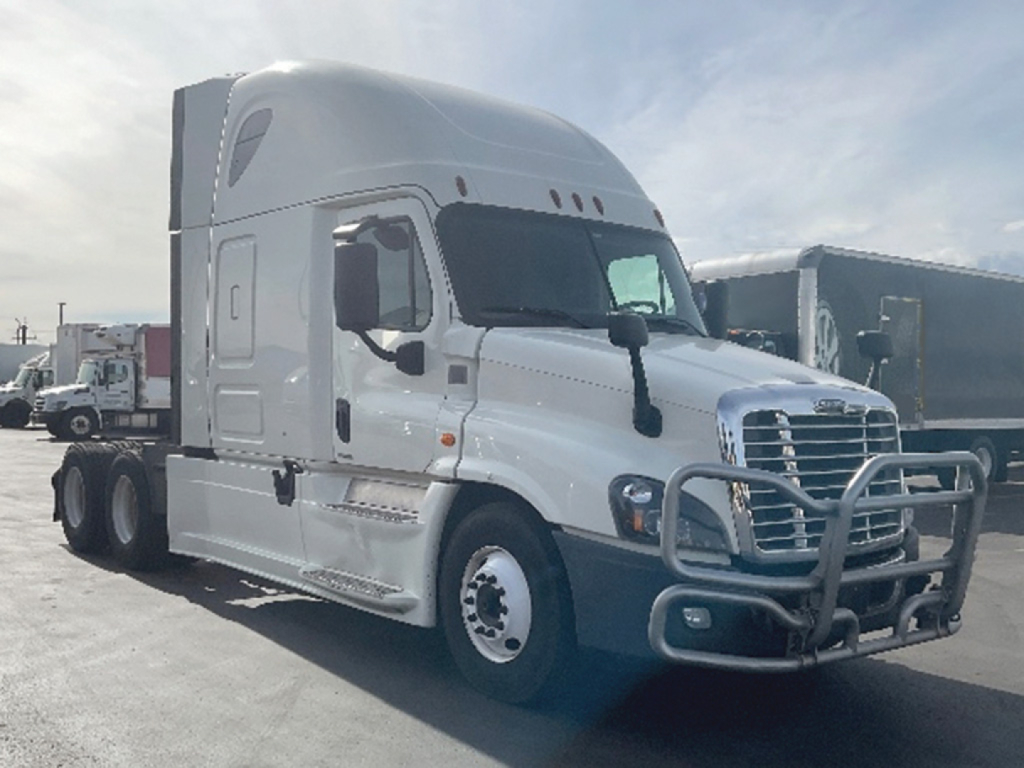
Have 2018 conventional sleeper truck to sell? List it here to reach thousands of buyers.
About 2018 Conventional Sleeper Trucks in Colorado
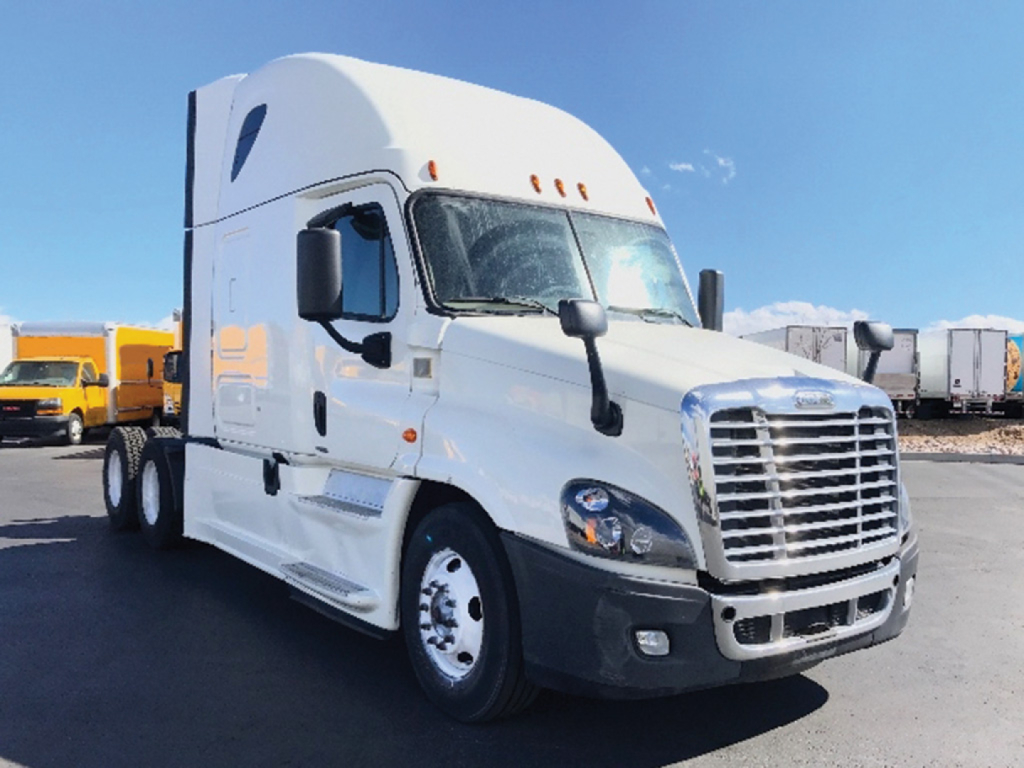
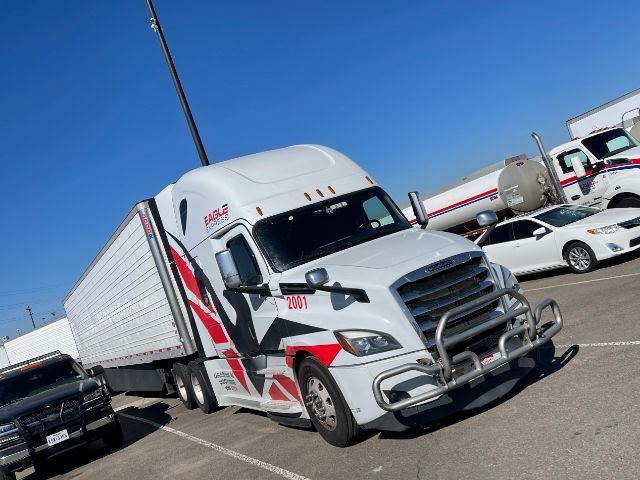
Typical 2018 conventional sleeper trucks include models from Freightliner, Volvo, Peterbilt, Kenworth, International, and Mack. Common engines in this year range include the Detroit DD13 and DD15, Cummins X15, Paccar MX-13, Volvo D13, and Mack MP8, usually paired with automated manual transmissions like the DT12, I-Shift, UltraShift, or Endurant, though some manual gearboxes still appear. Tandem rear axles, air ride suspension, sliding fifth wheels, and 225-inch to 245-inch wheelbases are common depending on fuel capacity and sleeper length. Many buyers also look for disc brakes, collision mitigation systems, adaptive cruise, APUs, bunk heaters, refrigerators, inverters, and dual aluminum fuel tanks because those features directly affect uptime, driver retention, and operating cost.
For Colorado operation, cooling system condition, altitude performance, and brake spec matter more than they do in flatter markets. A 2018 sleeper with the right engine brake, full fairings, and efficient gearing can handle long interstate miles through elevation changes while still keeping fuel economy in a workable range. If the truck will pull heavier van, reefer, or bulk loads, look closely at gross combination weight expectations, differential ratios, and service history on emissions components such as the DPF, SCR, and EGR system. On a used 2018 conventional sleeper, maintenance records, idle hours, aftertreatment performance, and signs of cab and sleeper wear often tell more than odometer miles alone.
The conventional sleeper segment is built around driver comfort as much as freight capacity. Air ride seats, double bunks, stand-up sleeper space, storage layout, insulation, and HVAC performance all matter on long runs. A well-spec'd 2018 conventional sleeper truck can still be a strong revenue unit if the drivetrain matches the lane, the sleeper fits the dispatch pattern, and the truck has been maintained with attention to emissions, tires, brakes, and chassis wear points. Buyers looking at this category are usually balancing acquisition cost against fuel economy, downtime risk, and the ability to keep a driver productive over long distances.
Frequently Asked Questions
What should I look for first when buying a 2018 conventional sleeper truck?
Start with the powertrain and maintenance history. Engine make, horsepower, torque rating, transmission type, axle ratio, and wheelbase should match the freight and terrain the truck will actually run. On a 2018 model, service records for oil changes, overhead adjustments, transmission service, DPF cleaning, SCR repairs, injector work, and cooling system maintenance are especially important because emissions-related downtime can quickly erase any savings from a lower purchase price.
Is a 2018 conventional sleeper truck still a good choice for long-haul freight?
Yes, if the truck has been spec'd correctly and maintained well. Many 2018 conventional sleepers have the aerodynamic design, sleeper amenities, automated transmissions, and safety systems needed for over-the-road work. The key is to verify that the truck's miles, engine hours, aftertreatment condition, and cab wear are consistent with the asking price and expected service life.
What engine and gearing work best for Colorado routes?
Colorado buyers usually benefit from adequate horsepower, strong low-end torque, and rear axle gearing that supports mountain pulling without driving engine rpm too high on the highway. An engine brake with good retarding power is a major advantage on long descents. The best setup depends on gross weight and average speed, but the truck should be evaluated for gradeability, cooling performance at altitude, and overall drivability in steep terrain rather than fuel economy alone.
How big is the sleeper on a typical 2018 conventional sleeper truck?
Many 2018 conventional sleepers were built with mid-roof or high-roof sleepers in the 60-inch to 80-inch range, with 70-inch and 76-inch sleepers being especially common in long-haul applications. Size matters because it affects wheelbase, weight, storage, and driver comfort. A larger sleeper usually provides better livability for team drivers or extended trips, while a smaller sleeper can help with maneuverability and sometimes weight distribution.
What wear points matter most on a used 2018 sleeper?
Pay close attention to emissions components, turbo performance, coolant leaks, suspension bushings, kingpins, brakes, tires, wheel seals, driveline vibration, and sleeper HVAC operation. Interior wear can also reveal how hard the truck was used. Excessive idle hours, bunk climate issues, damaged fairings, and neglected cab mounts can signal higher reconditioning costs even if the truck presents well cosmetically.