
International Conventional Sleeper Trucks For Sale in Colorado
Shop International conventional sleeper trucks with aero cabs, Cummins power, sleeper options, and specs built for long-haul freight.
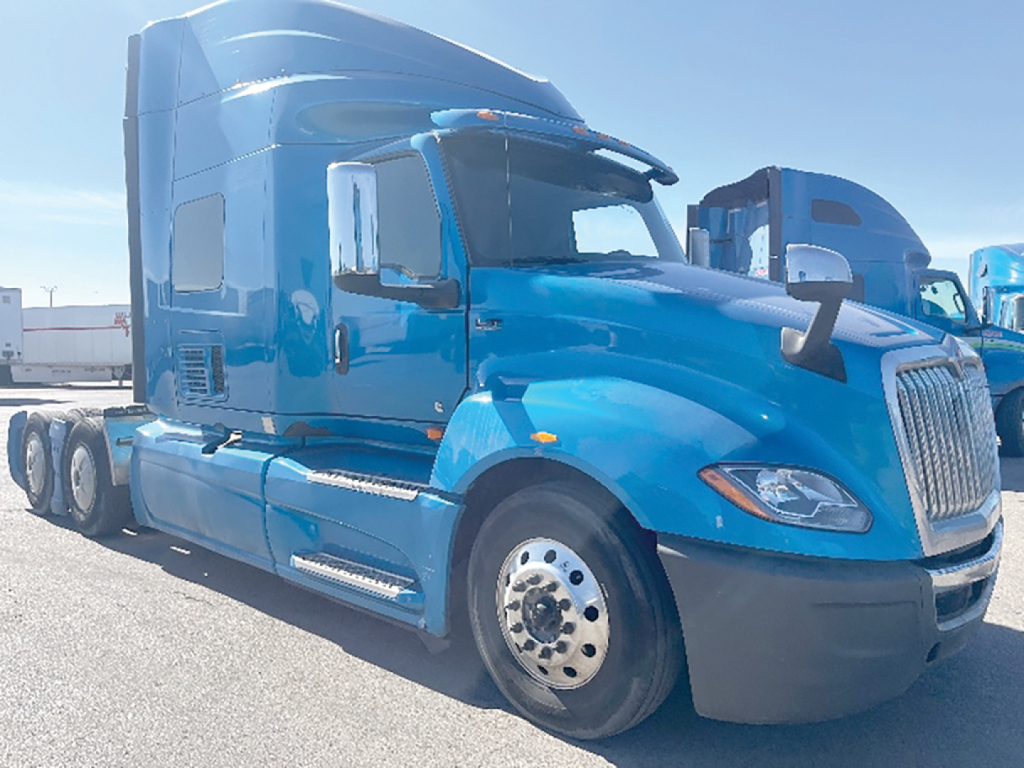
Have international conventional sleeper truck to sell? List it here to reach thousands of buyers.
International Conventional Sleeper Trucks in Colorado
A lot of the value in an International sleeper comes down to the powertrain spec. Common engines include the Cummins X15, usually paired with automated manual transmissions and rear axle ratios chosen for fuel mileage at highway speed. Buyers should compare horsepower and torque ratings against the freight they plan to pull, especially if the truck will spend time on I-70 corridors or other steep western routes. A 2.79 ratio may be attractive for fuel-efficient linehaul work, but application matters. Engine brakes, air ride suspension, air slide fifth wheels, and dual fuel tanks are common features that improve versatility and driver acceptance.
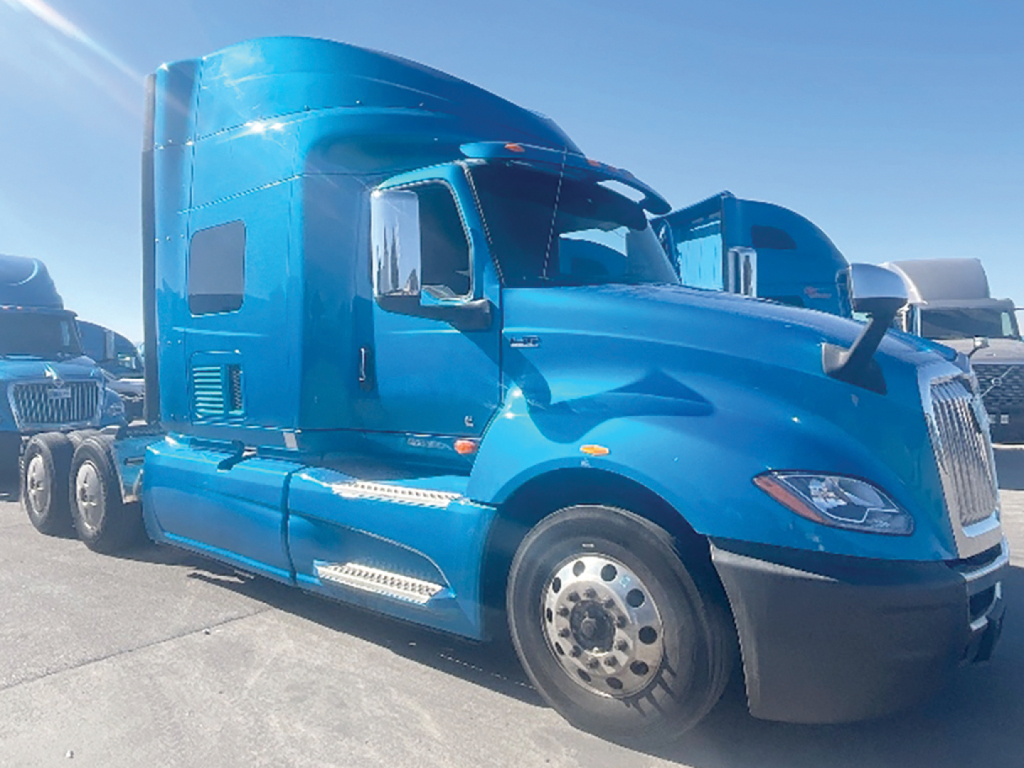
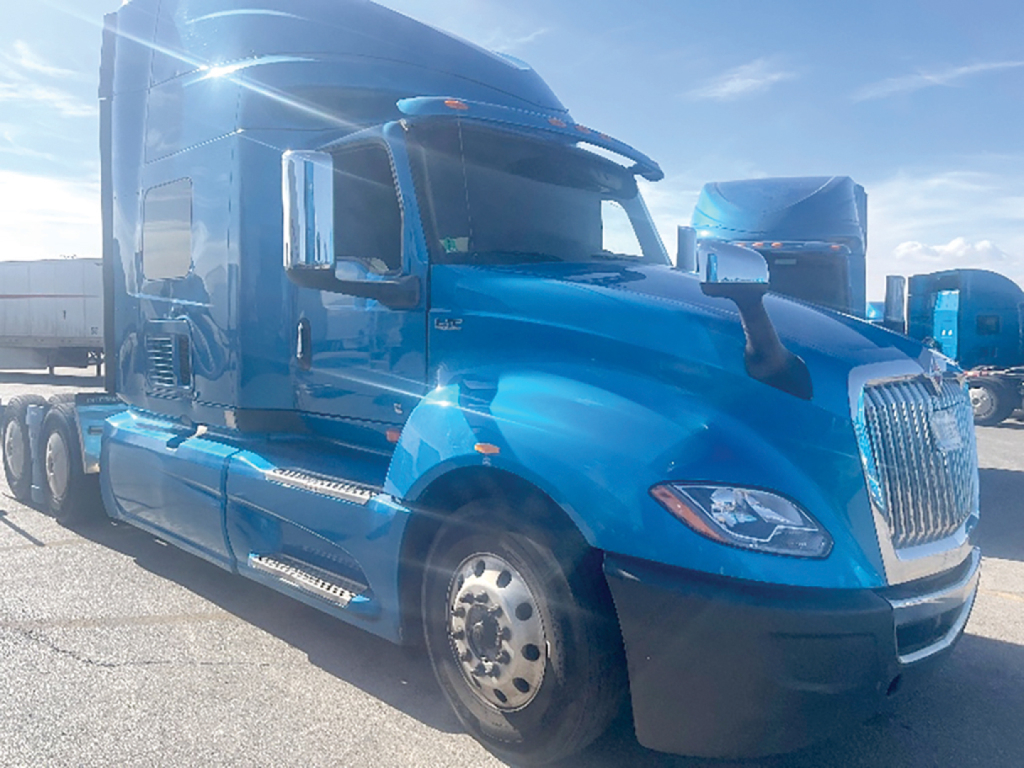
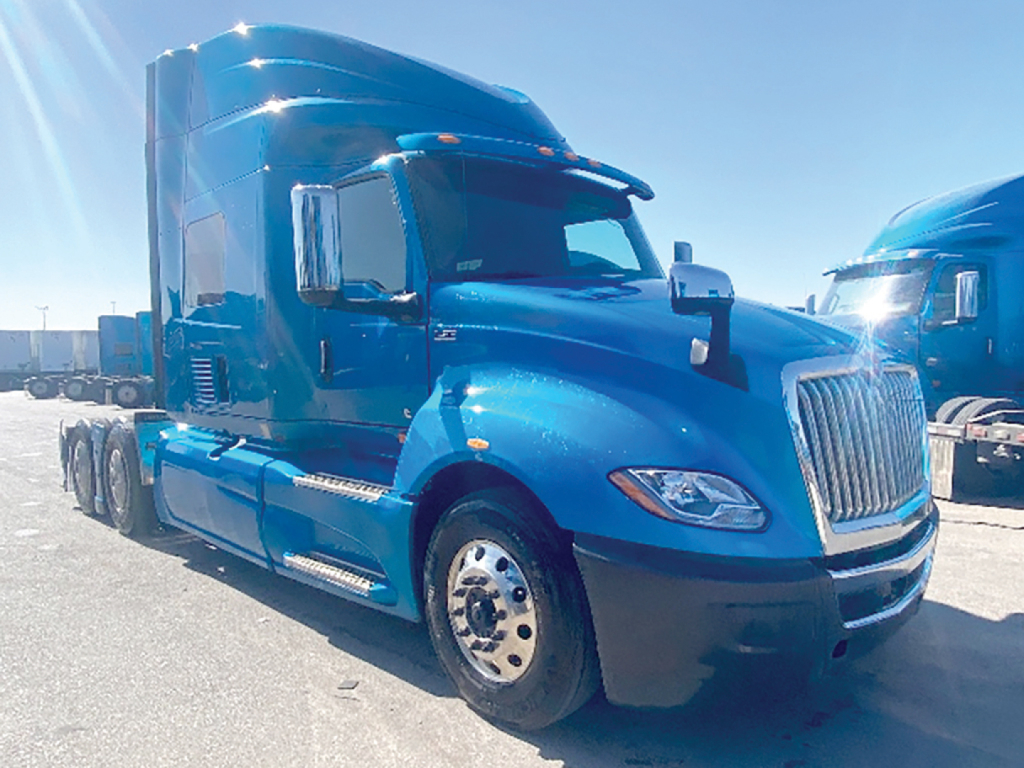
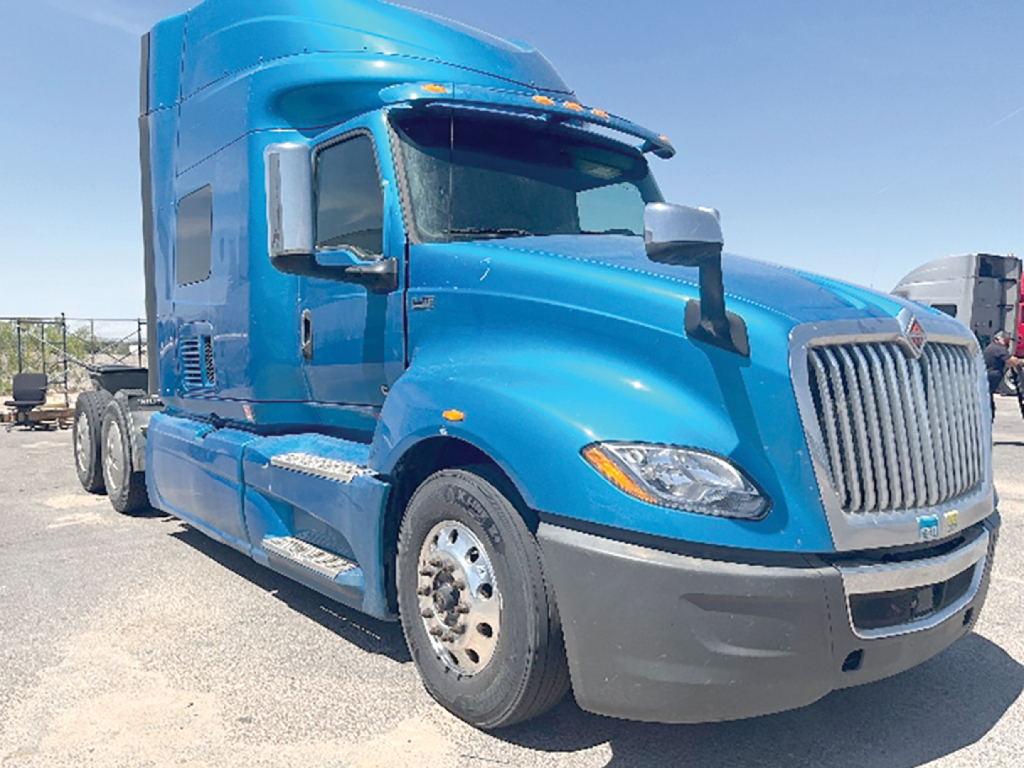
The sleeper itself deserves close attention because cab layout affects uptime as much as comfort. International conventional sleepers are often found with mid-roof or hi-rise configurations, with larger 73-inch sleepers being a common choice for teams, multi-day runs, and drivers who need more storage. Check the condition and functionality of the HVAC system, bunk heater or APU if equipped, and interior controls. On the outside, roof fairings, side fairings, cab extenders, and quarter fenders help with aerodynamics and tractor-trailer integration. Wheelbase, fifth wheel travel, and tank placement also matter if the truck will be assigned across different trailer lengths or kingpin settings.
When comparing used International sleeper trucks, focus on maintenance history, emissions system condition, and how the original spec fits your operation today. Review engine hours alongside miles, and pay attention to clutch life on automated transmissions, suspension wear, tire match, and brake condition. Buyers should also inspect for signs of excessive idle time, DEF system issues, and any fault history tied to aftertreatment components. A well-matched International conventional sleeper can be a cost-effective highway tractor for fleets that want modern aerodynamics, familiar controls, and broad parts and service support.
Frequently Asked Questions about International Conventional Sleeper Trucks in Colorado
What are International conventional sleeper trucks commonly used for?
International conventional sleeper trucks are primarily used for regional and long-haul freight where the driver needs onboard sleeping space and highway-focused comfort. They are common in dry van, refrigerated, flatbed, and dedicated contract hauling. Their aerodynamic cab design and sleeper configurations make them a practical choice for operations that prioritize fuel economy, driver retention, and over-the-road productivity.
What engine and transmission specs are common in an International sleeper tractor?
Many International conventional sleepers are equipped with Cummins X15 engines and automated manual transmissions, although exact specs vary by application and model year. Buyers will often see horsepower in the 400 to 500 range, highway axle ratios, and engine brakes for better downhill control. The right combination depends on trailer weight, average route speed, and terrain. Trucks running in mountainous areas usually benefit from enough torque and braking capacity to handle sustained grades without sacrificing drivability.
How important is sleeper size on a conventional sleeper truck?
Sleeper size is very important because it affects driver comfort, storage, and the truck's suitability for certain routes. A larger hi-rise sleeper, such as a 73-inch configuration, is typically better for multi-day trips, team driving, or operations where the driver spends extended time away from home. A smaller sleeper may reduce weight and simplify the truck, but it can be less practical for long-haul use. Buyers should match the sleeper layout to dispatch patterns, driver expectations, and onboard equipment needs.
What should buyers inspect on a used International conventional sleeper?
The most important inspection points are the engine and aftertreatment system, transmission operation, suspension condition, brake wear, tire condition, and signs of excessive idle time. Buyers should also review service records, fault codes, and any recent work on the DPF, SCR, EGR, or DEF system. Inside the cab, check bunk components, HVAC performance, switches, and general interior wear. Outside the truck, look at fairings, fuel tanks, fifth wheel operation, and frame condition to make sure the truck's current state matches its intended application.
Are International sleeper trucks a good fit for Colorado and western routes?
They can be a strong fit if the truck is spec'd correctly for elevation and grade changes. Colorado and other western states put extra demand on power, cooling, engine braking, and gearing, so buyers should not evaluate these trucks on fuel economy alone. A sleeper tractor with the right horsepower, torque, axle ratio, and braking package can handle mountain freight efficiently while still performing well on long highway stretches. The key is making sure the original build was intended for the terrain and load profile the truck will actually see.