
Conventional Daycab Trucks For Sale in New York
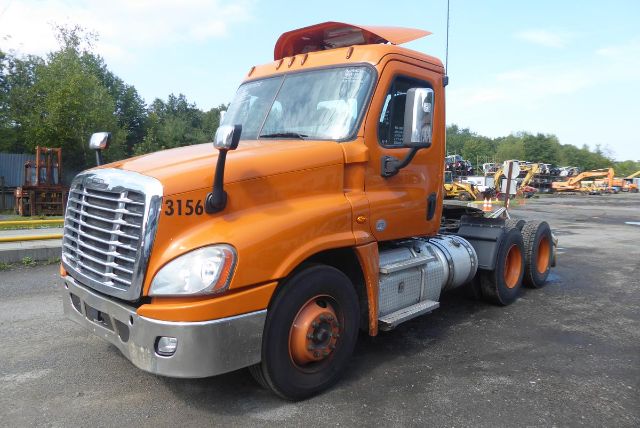
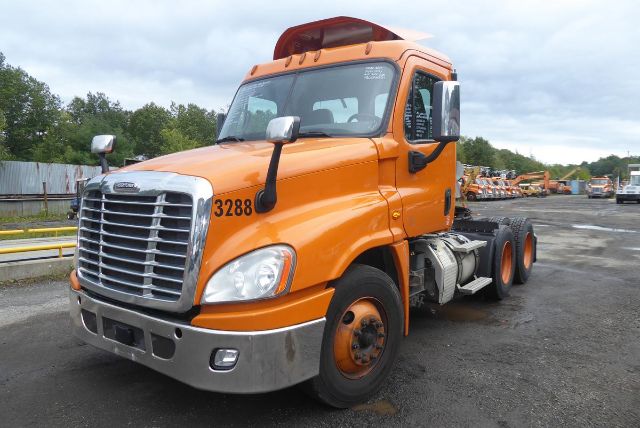
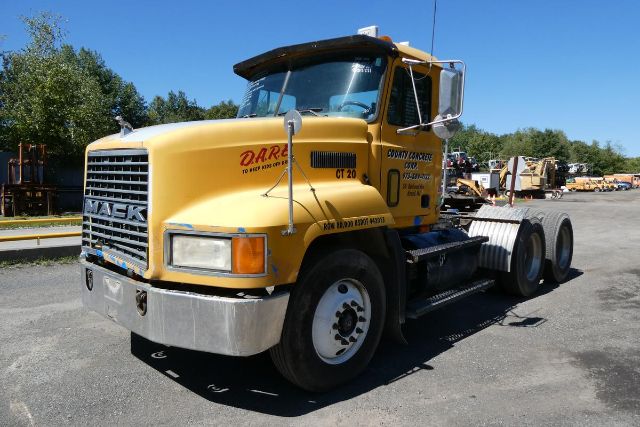
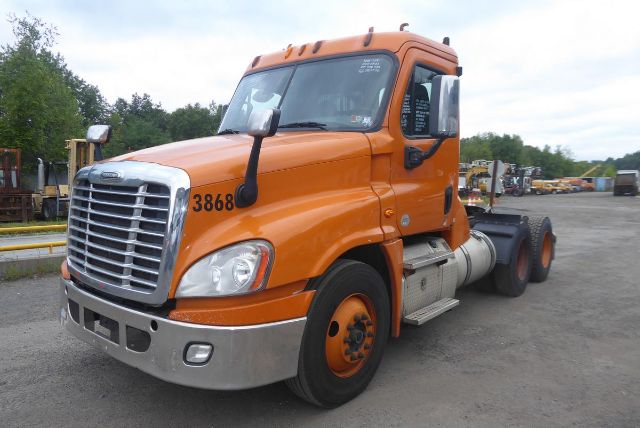
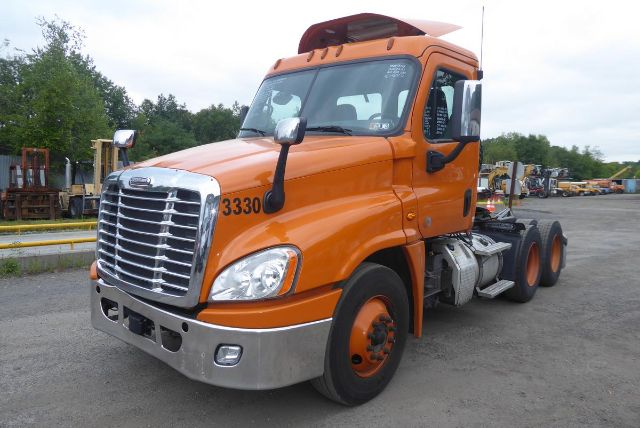
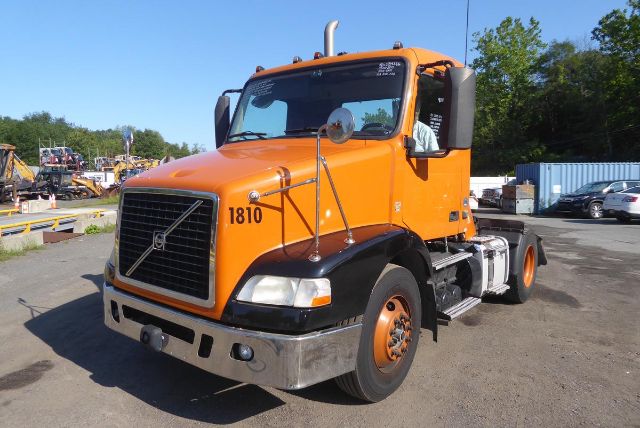
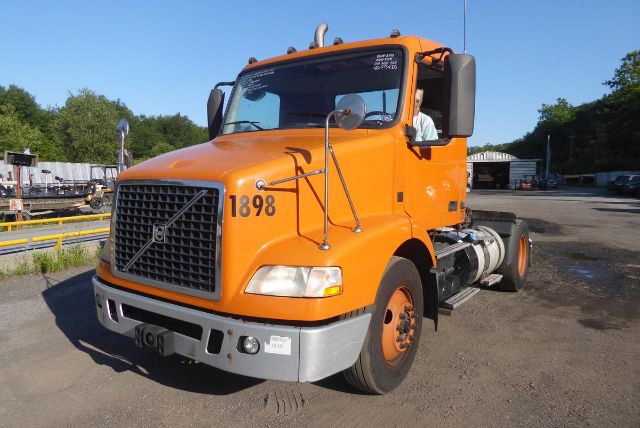
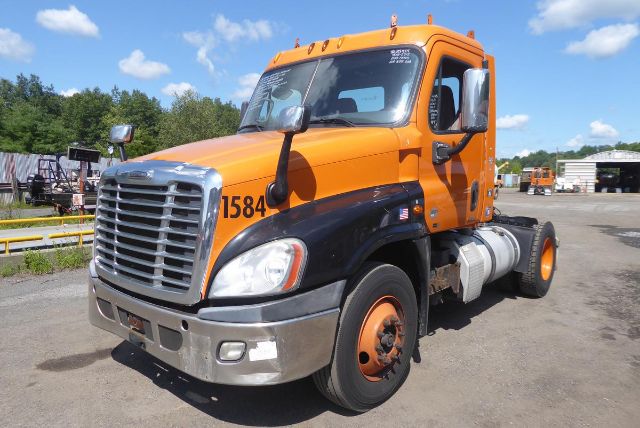
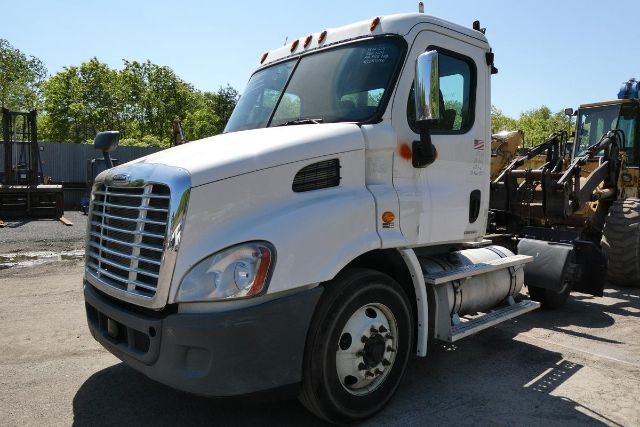
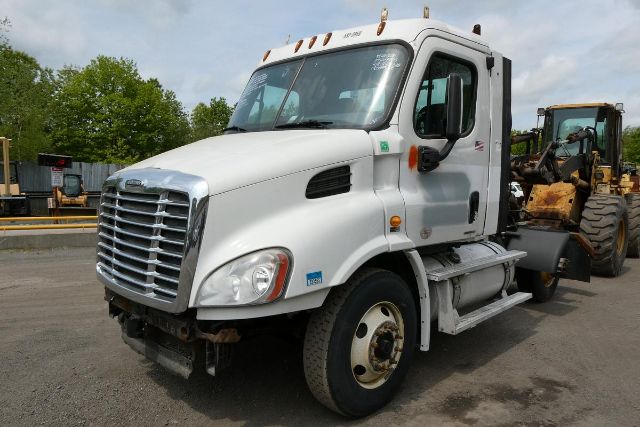
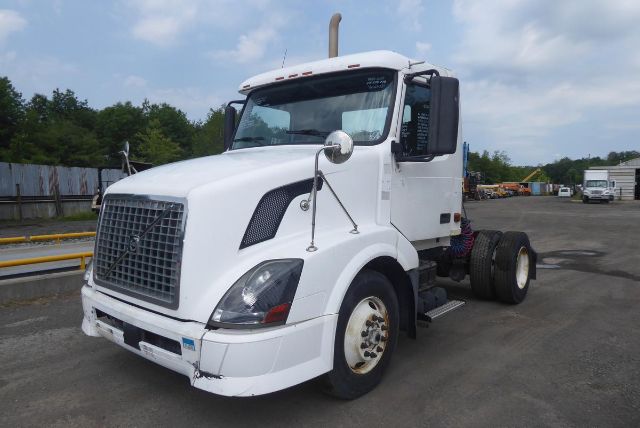
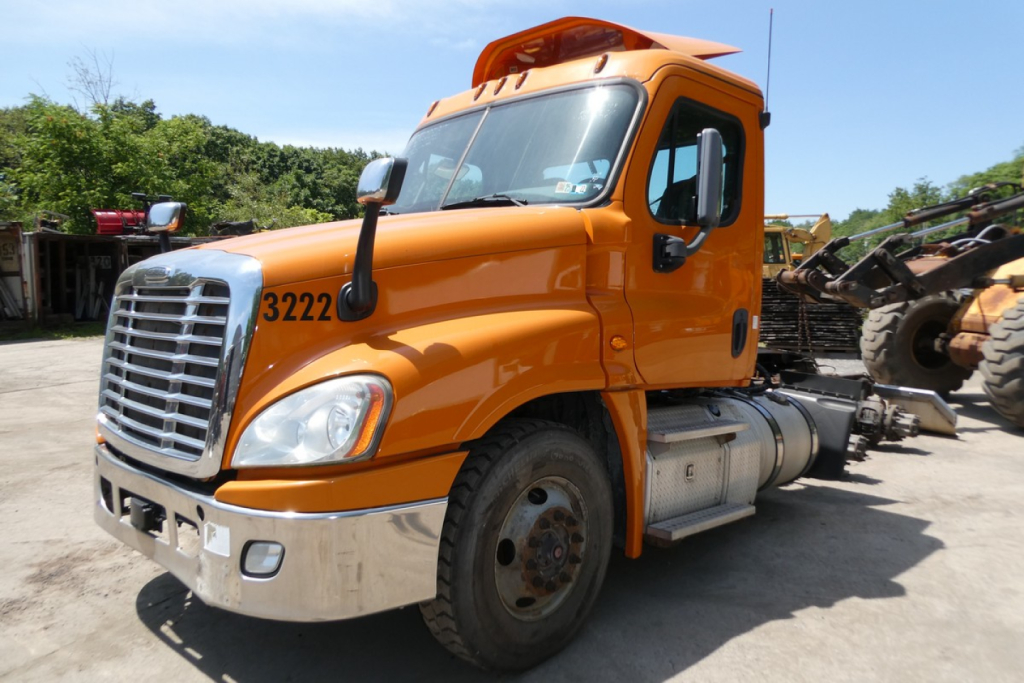
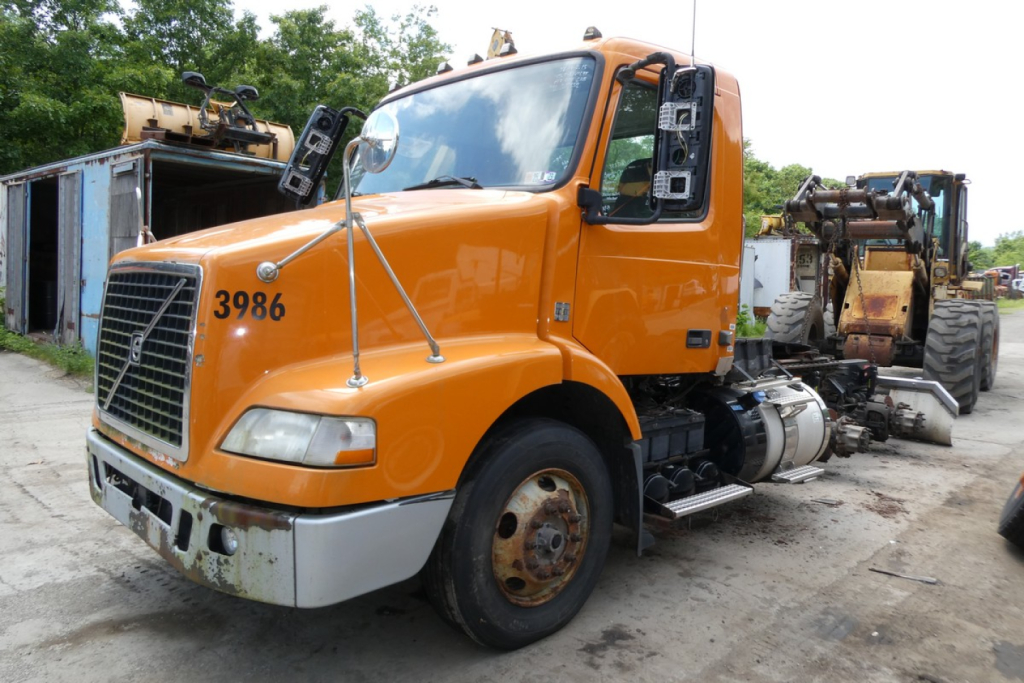
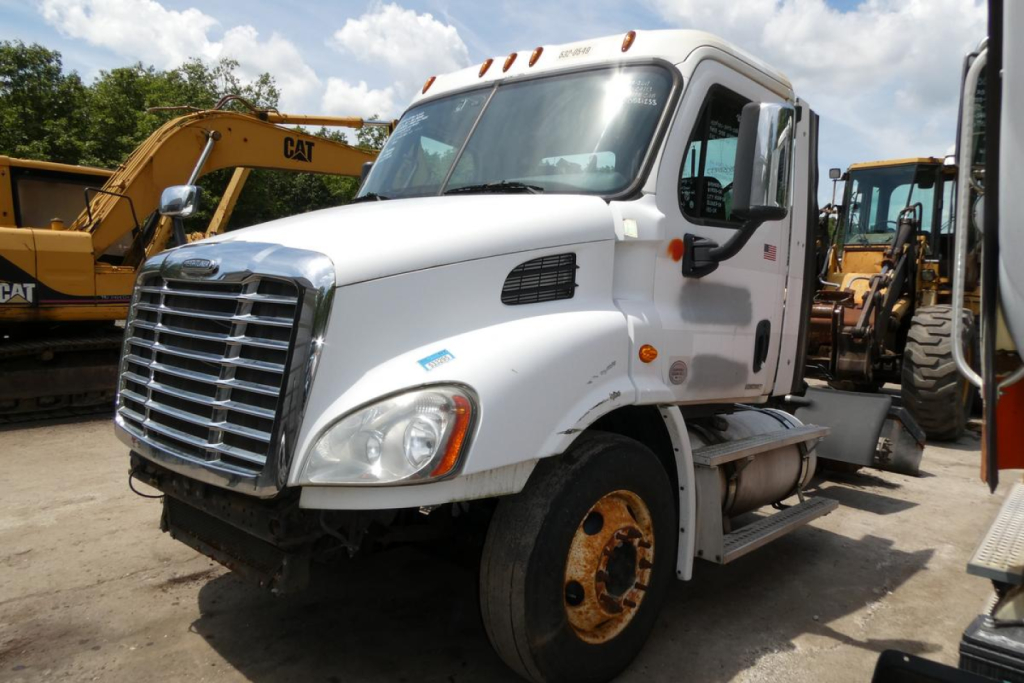
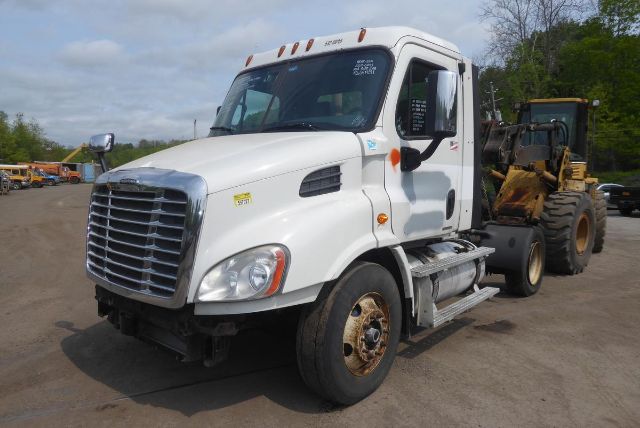
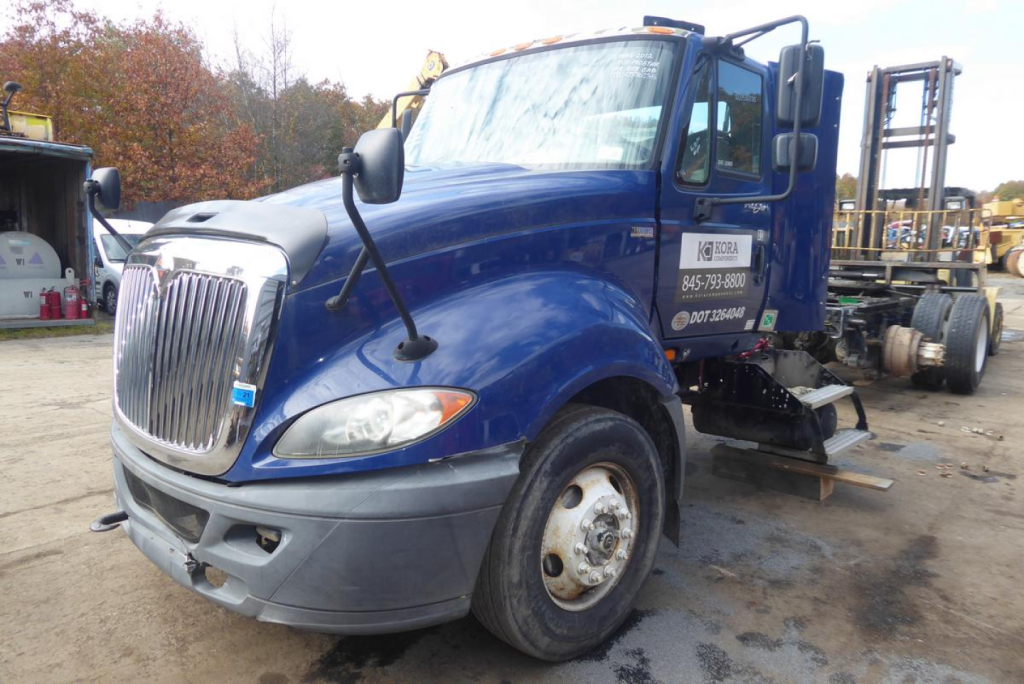
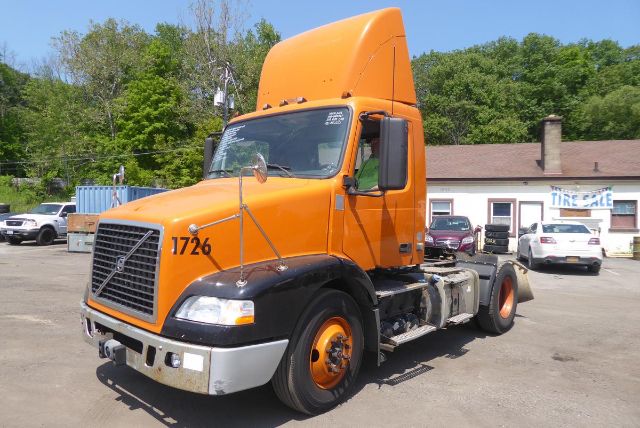
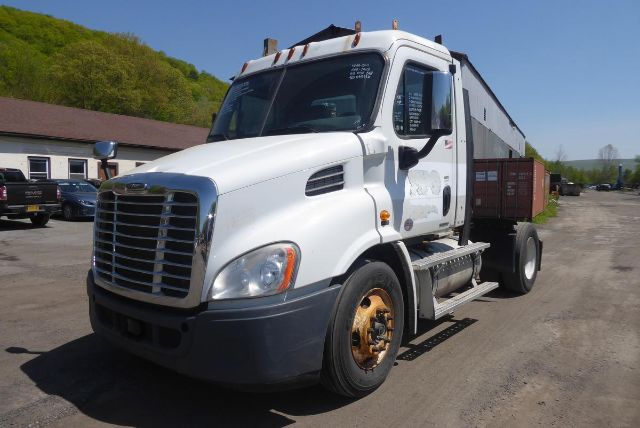
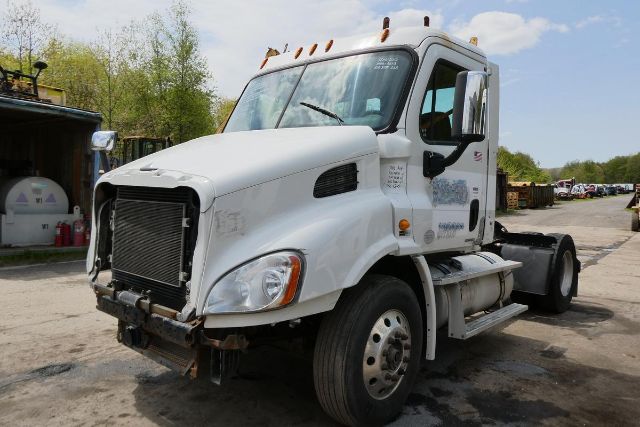
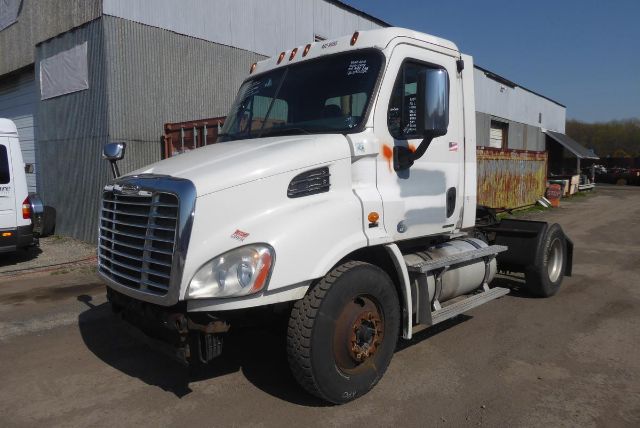
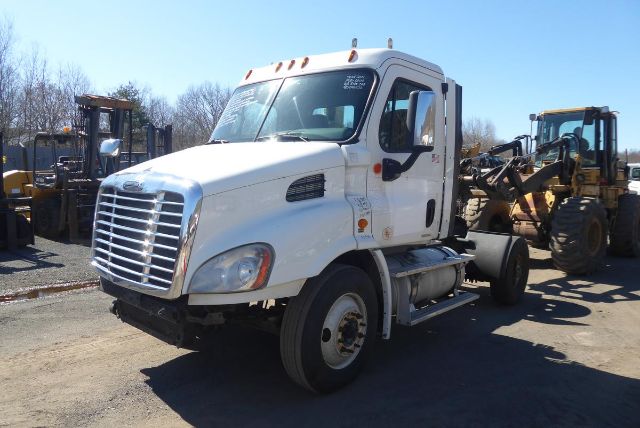
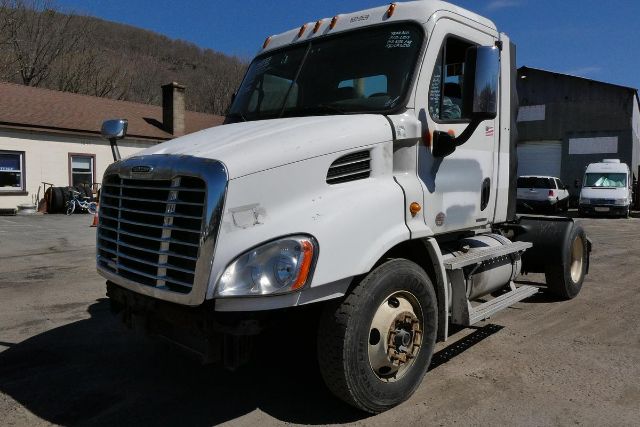
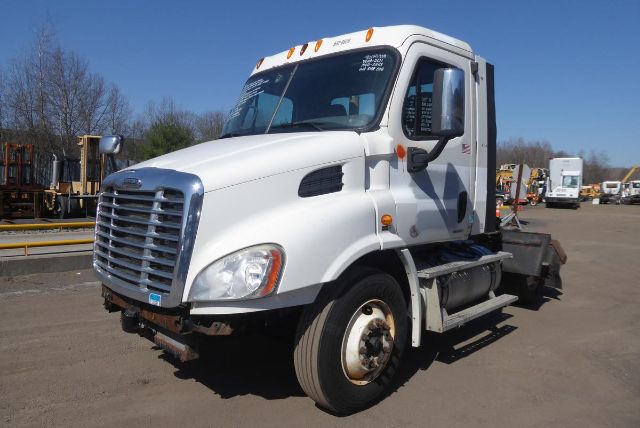
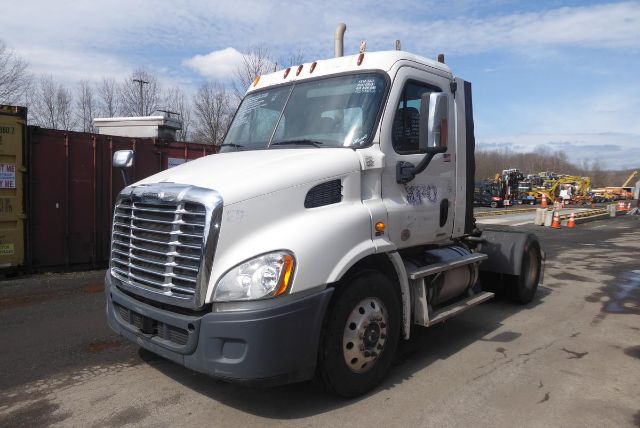
Showing 121 to 144 of 158 results
Have conventional daycab truck to sell? List it here to reach thousands of buyers.
Conventional Daycab Trucks in New York
The first spec decision is usually axle configuration and wheelbase. A 4x2 single-axle daycab with a 150 to 160 inch wheelbase is common for lighter regional freight, yard-to-yard transfers, and operations where turning radius and lower tare weight are priorities. A 6x4 tandem-axle daycab with a 165 to 180 inch wheelbase is better suited for heavier trailers, higher GCWR requirements, and applications that need more traction or a sliding fifth wheel. Front axles in this class are commonly 12,000 pounds, while rear axles range from about 20,000 to 23,000 pounds on single-axle units and up to 40,000 pounds on tandem trucks. Buyers should match axle rating, suspension capacity, and frame spec to the trailer and legal weight profile they expect to run.
Powertrain choices in conventional daycab trucks typically center on engines such as the Detroit DD13 or Volvo D11, usually in the 385 to 450 horsepower range, paired with 10-speed manuals or automated manual transmissions like the Detroit DT12. For metro and regional freight, rear axle ratios around 3.08 to 3.42 are common because they balance launch performance with road speed and fuel economy. Air ride suspensions remain the most common fleet spec for ride quality and cargo protection, and many buyers now look specifically for air disc brakes, engine brakes, and air ride cabs. In stop-and-go service, transmission calibration, clutch wear history, aftertreatment condition, and ECM hours can tell you as much about a truck's remaining value as the odometer.
A smart evaluation goes beyond make, model, and mileage. Check wheelbase against your trailer gap requirements, verify whether the truck has a stationary or air slide fifth wheel, and confirm cab-to-axle dimensions for the body or trailer setup you plan to run. Review tire size, brake type, suspension make, and rear ratio as a package, not as isolated specs. On used daycabs, pay close attention to idle hours, emissions system service history, cooling system condition, steering and suspension wear, and signs of frame modification from prior vocational use. A well-matched conventional daycab can be one of the most productive tractors in a fleet because it keeps acquisition cost, maintenance access, and route efficiency in balance.
Frequently Asked Questions about Conventional Daycab Trucks in New York
What is a conventional daycab truck used for?
A conventional daycab truck is used for local and regional hauling where the driver returns home daily and does not need a sleeper. Common applications include port drayage, dry van and reefer shuttles, tanker work, dump and transfer operations, LTL routes, and dedicated distribution. The shorter cab and lighter overall package can improve maneuverability, reduce empty weight, and make the truck easier to package for urban or multi-stop work.
Should I choose a single-axle or tandem-axle daycab?
A single-axle 4x2 daycab is usually the right fit for lighter freight, lower operating weight, and tighter route environments where turning radius matters. A tandem-axle 6x4 daycab is better for heavier trailers, higher gross combination weights, and applications that need more traction or durability under demanding service. The decision should be based on trailer type, legal payload targets, bridge laws, and the road conditions the truck will see every day.
What engine and transmission specs are common in conventional daycab trucks?
Many conventional daycab trucks are spec'd with engines in the 10.8L to 12.8L range and horsepower ratings from roughly 385 to 450. Popular combinations include a Detroit DD13 or Volvo D11 with a 10-speed manual or a 12-speed automated manual. Rear axle ratios such as 3.08, 3.42, and similar fleet ratios are common because they support a mix of startability, highway efficiency, and acceptable cruise rpm for regional service.
What should I inspect on a used conventional daycab?
Focus on the full operating profile, not just the mileage. Compare odometer miles to ECM miles and engine hours, inspect the aftertreatment system, verify cooling system condition, and look for clutch, driveline, suspension, and steering wear that matches the truck's prior duty cycle. Fifth wheel type, frame condition, brake life, tire wear pattern, and signs of prior frame or electrical modification are especially important on daycabs because many have been used in hard stop-and-go or vocational service.
Why does wheelbase matter on a daycab tractor?
Wheelbase affects turning radius, trailer swing clearance, bridge law positioning, and how the truck carries weight. A shorter wheelbase can be an advantage in city delivery, port, and yard-constrained operations, while a longer wheelbase may be needed for heavier tandem-axle specs, larger fuel capacity, or proper trailer gap with certain van, reefer, or vocational trailer setups. Buyers should also review cab-to-axle and cab-to-end measurements so the truck fits the intended application without clearance or weight distribution problems.