
2011 Conventional Daycab Trucks For Sale in New York
Shop 2011 conventional daycab trucks in New York. Compare wheelbase, axle ratings, engine options, and spec choices for regional hauling.
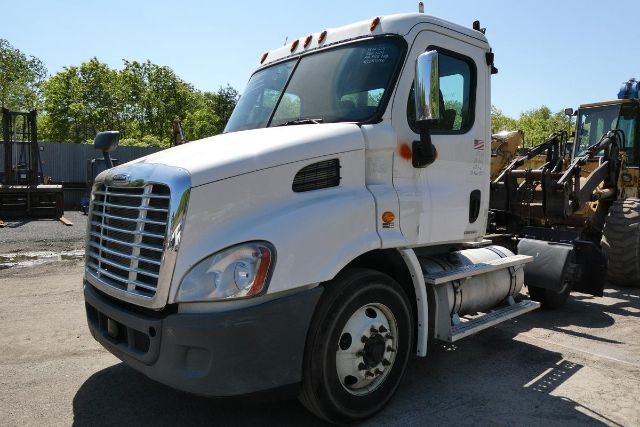
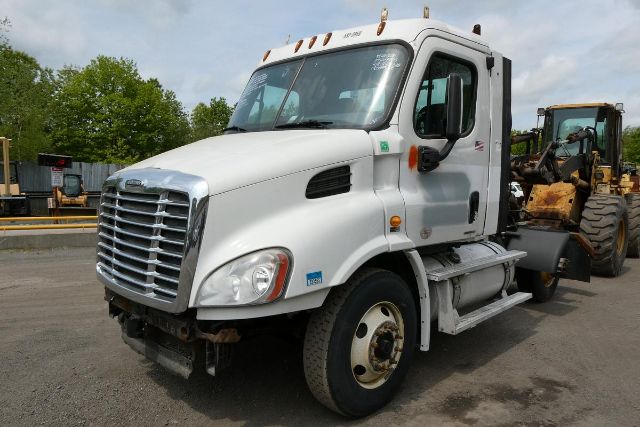
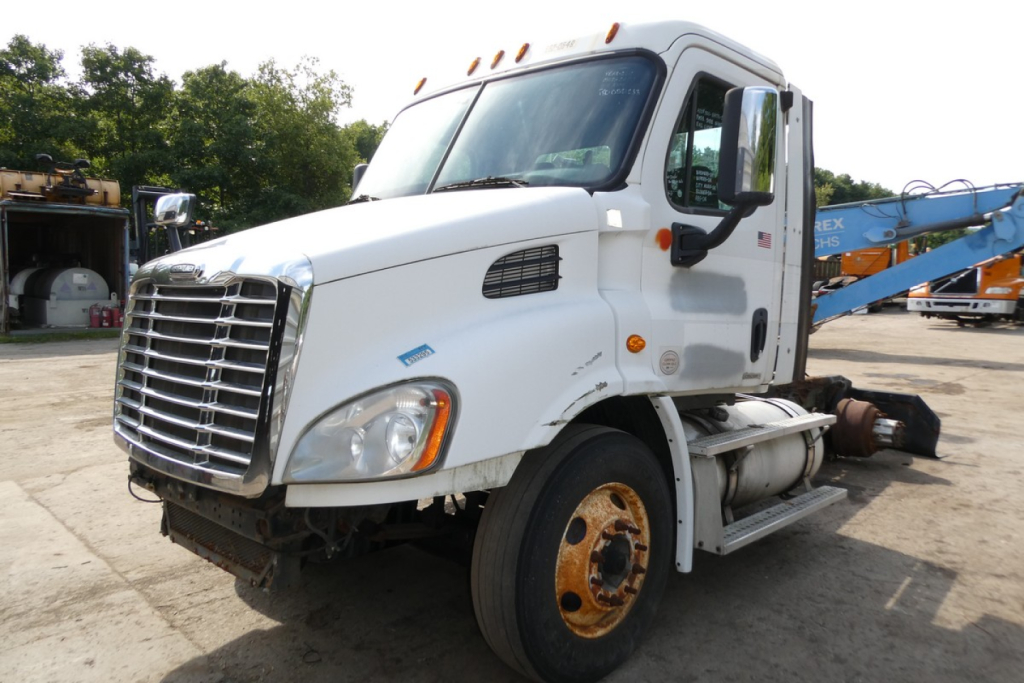
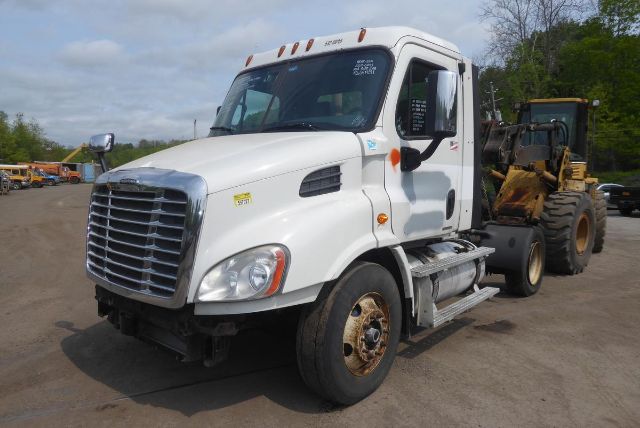
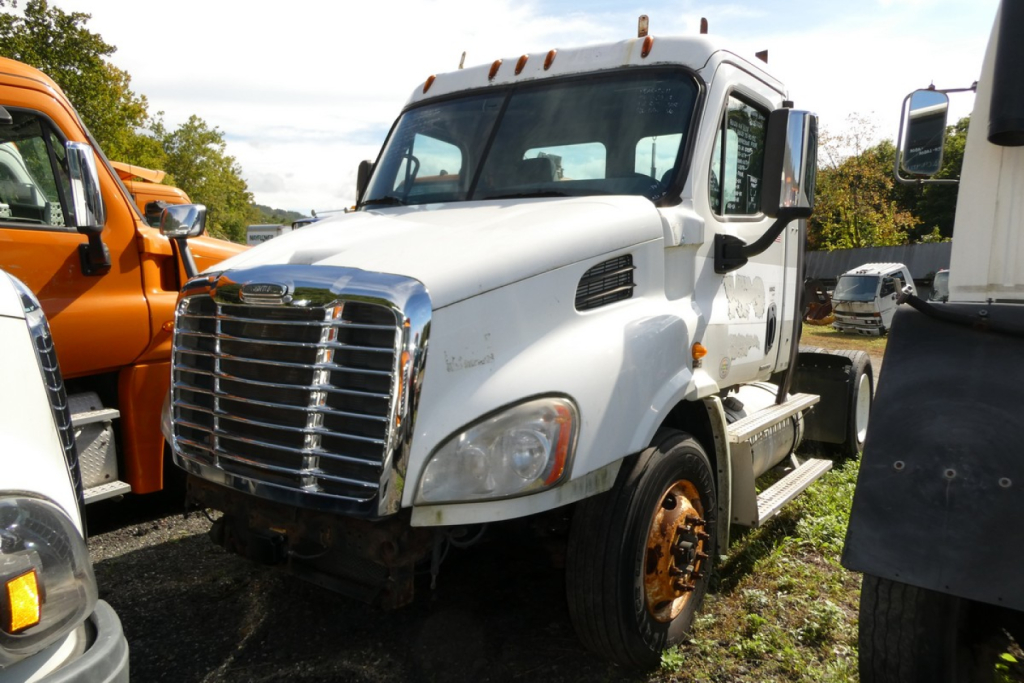
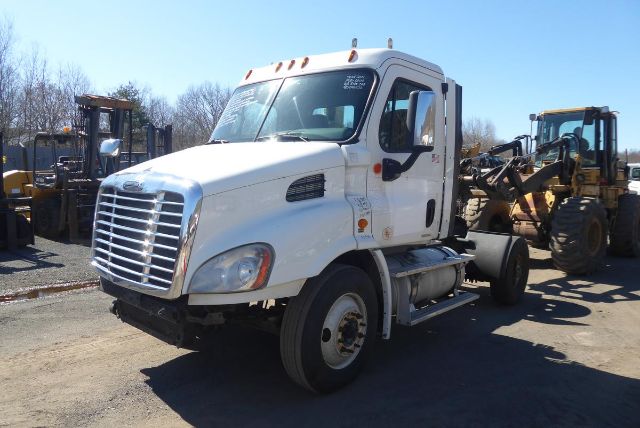
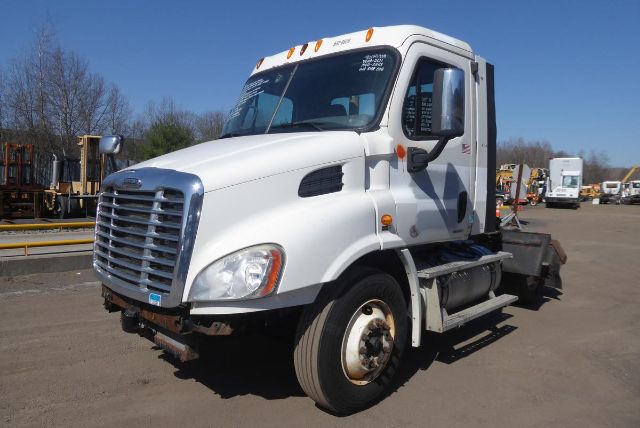
Selling a 2011 conventional daycab truck? List your 2011 conventional daycab truck for sale and reach thousands of commercial buyers.
2011 Conventional Daycab Trucks in New York
For this model year, buyers will commonly see engine ratings in the mid-300 to low-400 horsepower range, with popular platforms such as the Detroit DD13, Volvo D11, and Volvo D13. Ten-speed manual transmissions were still common in 2011, although some fleets preferred automated manuals for stop-and-go duty. Typical rear axle ratings run around 23,000 pounds on lighter regional specs and up to 40,000 pounds on heavier tandem applications, often paired with ratios such as 2.67, 3.08, or 3.42 depending on cruise speed and startability needs. Wheelbases often fall in the mid-150-inch to mid-170-inch range, and that dimension affects bridge law compliance, trailer gap, weight distribution, and how the truck fits a specific fifth wheel setting.
A serious buyer should look closely at suspension type, front axle capacity, frame configuration, and brake spec before comparing price alone. Air-ride suspensions such as Freightliner AirLiner or Volvo four-bag setups are common and generally favored for ride quality and trailer protection. Air disc brakes appear on some later-spec regional tractors and can be a plus for stopping consistency and serviceability. Also verify emissions equipment configuration. A 2011 truck may be in the early DEF era depending on engine make and build, so it is important to confirm aftertreatment history, fault codes, and regeneration performance. Service records, ECM miles and hours, idle time, and signs of prior fleet maintenance usually tell more about remaining value than odometer reading by itself.
The best 2011 conventional daycab truck is the one matched to the work, not just the lowest-priced listing. A lighter 32,000-pound GVW spec with a shorter wheelbase can make sense for yard tractor conversion, municipal support, or specialized local service. A heavier 52,000-pound GVW tandem with a 40,000-pound rear, power divider, and sliding fifth wheel is better suited to loaded van, reefer, container, or tanker duty. Buyers should confirm cab-to-axle, cab-to-end, tire size, hub type, and fifth wheel height to avoid trailer compatibility issues. In this category, the right spec package has more impact on uptime and operating cost than brand alone.
Frequently Asked Questions about 2011 Conventional Daycab Trucks in New York
What is a 2011 conventional daycab truck best used for?
A 2011 conventional daycab truck is best suited for regional hauling, drayage, local freight, dedicated fleet lanes, and applications where the driver returns home daily. Its shorter chassis and no-sleeper cab make it easier to maneuver in terminals, city streets, and tight customer yards. It is commonly used with van, reefer, tanker, flatbed, and container chassis depending on axle ratings, fifth wheel setup, and wheelbase.
What engine and transmission specs are common on 2011 conventional daycabs?
Common 2011 daycab specs include engines such as the Detroit DD13, Volvo D11, and Volvo D13, usually rated around 385 to 410 horsepower in regional applications. Many trucks from this year were equipped with 10-speed manual transmissions, while some were ordered with automated manuals for easier operation in traffic. Rear axle ratios like 2.67, 3.08, and 3.42 are also common, and each ratio changes how the truck performs under load, at highway speed, and in stop-and-go work.
How important is wheelbase on a conventional daycab?
Wheelbase is one of the most important spec points because it affects turning radius, bridge law positioning, trailer swing clearance, and overall weight distribution. A shorter wheelbase is usually better for city freight, port work, and tight docks, while a longer wheelbase may improve ride quality and fit certain trailer or axle loading requirements. Buyers should also compare cab-to-axle and fifth wheel position, since those measurements directly affect trailer compatibility.
Are 2011 daycab trucks emissions-controlled with DEF?
Some 2011 conventional daycab trucks use DEF-based SCR emissions systems, while others may vary by engine family and production timing. That makes it important to confirm the exact emissions package on any truck under consideration. A buyer should check for active fault codes, aftertreatment repairs, regeneration history, and maintenance records because emissions-related downtime can quickly erase any upfront savings on an older tractor.
What should I inspect first on a used 2011 conventional daycab truck?
Start with the powertrain, axle ratings, and chassis condition. Confirm engine hours, ECM data, transmission operation, differential condition, suspension wear, brake type, and frame integrity. Then verify practical fit items such as fifth wheel style, tire size, wheel ends, and front axle capacity. On a 2011 truck, maintenance history and the truck's original duty cycle usually matter more than cosmetic appearance, especially in high-mile regional fleet service.