
2005 Conventional Daycab Trucks For Sale in New York
Shop 2005 conventional daycab trucks in New York. Compare specs, axle ratings, wheelbases, engines, transmissions, and regional haul fit.
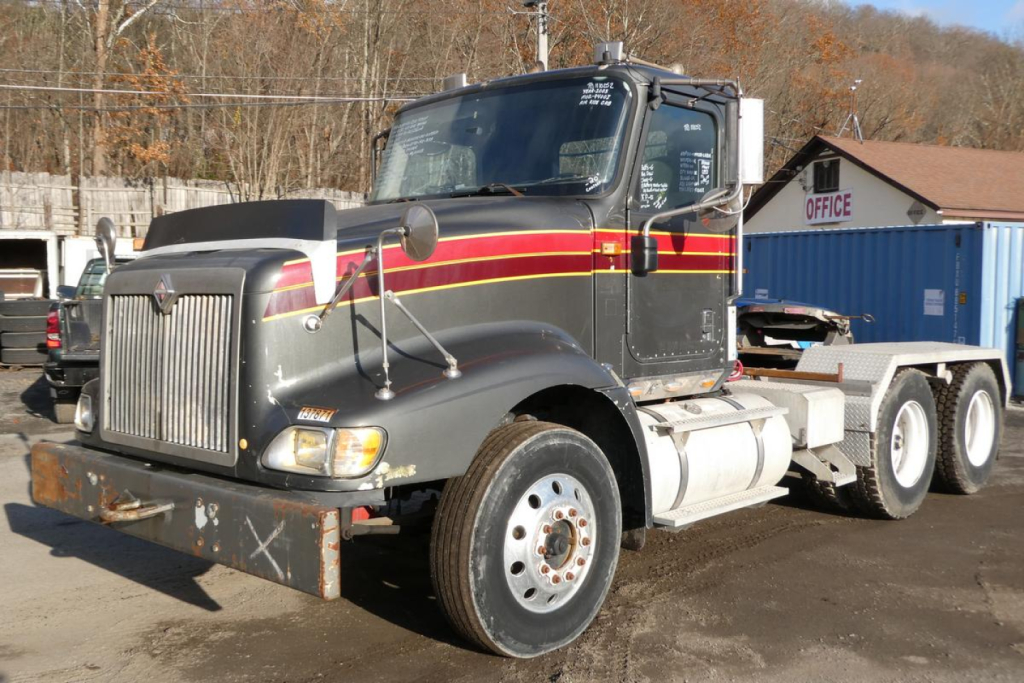
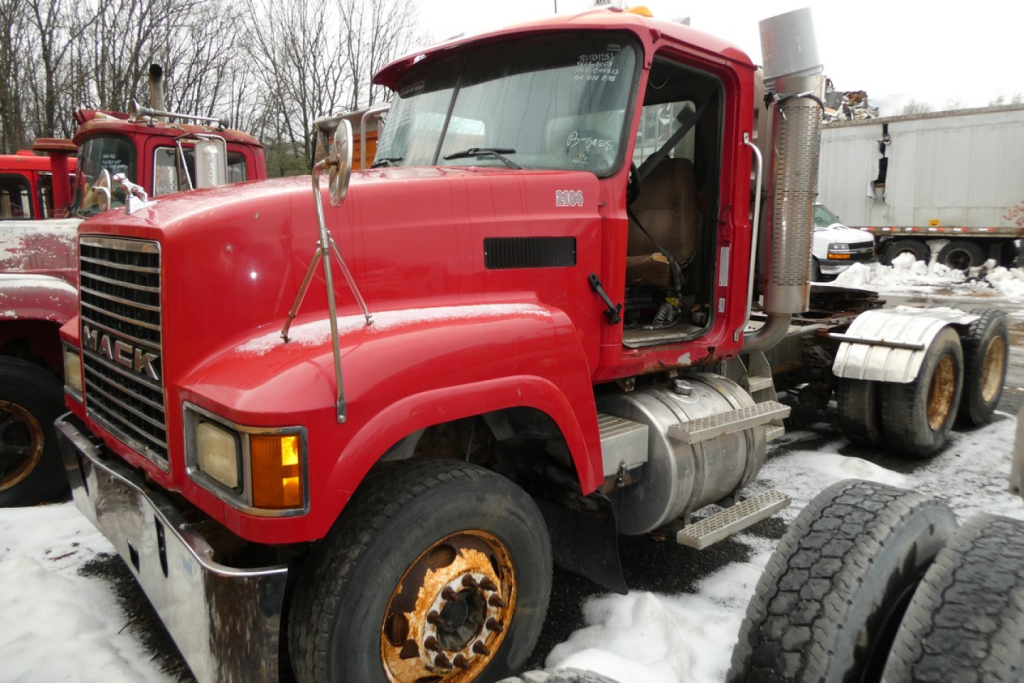
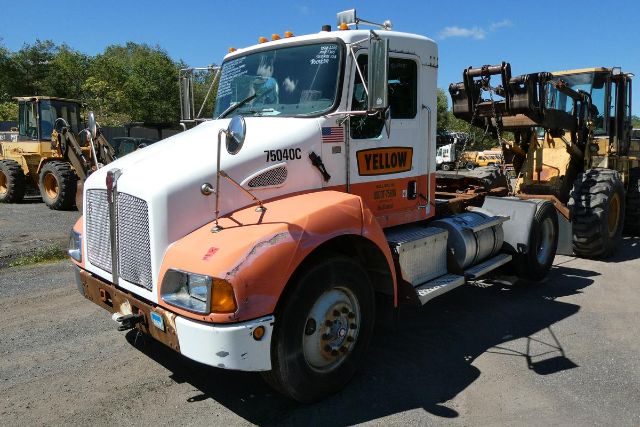
Selling a 2005 conventional daycab truck? List your 2005 conventional daycab truck for sale and reach thousands of commercial buyers.
2005 Conventional Daycab Trucks in New York
The first decisions usually come down to wheelbase, axle ratings, and drivetrain. Many 2005 daycabs were spec'd with front axles around 12,000 pounds and tandem rears in the 23,000 to 40,000 pound range, depending on whether the truck was intended for standard van freight, heavier regional hauling, or severe-service work. Common wheelbases often fall in the mid-150-inch to mid-170-inch range, with shorter setups favoring dock access and city maneuvering, while longer wheelbases can improve ride quality and frame space for tanks, toolboxes, wet kits, or sliding fifth wheel assemblies. Rear axle ratios such as 2.93, 3.36, 3.42, or 3.55 affect launch, cruise RPM, and fuel economy, so matching the ratio to average trailer weight and route profile is more important than chasing one number.
Powertrain choices on 2005 conventional daycabs often include Detroit, Cummins, Caterpillar, Volvo, or Mercedes-era offerings paired with 10-speed manual, 13-speed manual, or early automated transmissions, depending on make and original fleet spec. Buyers should pay close attention to engine hours versus odometer miles, cold-start behavior, blow-by, clutch condition, transmission synchronizer feel, and evidence of injector, turbo, EGR, or cooling-system work. Suspension and brake configuration matter too. Air ride suspensions are common for freight applications, while steel or vocational suspensions may appear on heavier or rough-service units. Check whether the truck has drum or disc brakes, a fixed or air-slide fifth wheel, single or double frame, and hub-piloted steel or aluminum wheel equipment. Tire size, kingpin setting compatibility, and cab-to-axle measurement can all affect trailer gap and turning clearance.
A well-matched 2005 daycab can still be a cost-effective tractor if the spec fits the job and the truck has been evaluated carefully. On older conventional daycabs, frame condition, crossmember corrosion, spring hanger wear, steering box play, air system leaks, and cab mount condition deserve as much attention as the engine. In a Northeast market like New York, rust, wiring repairs, and winter-related wear can separate a dependable work truck from a project. Buyers comparing listings should focus less on brand alone and more on the full operating package: horsepower, transmission type, suspension rating, wheelbase, fifth wheel setup, service history, and how the truck was previously used.
Frequently Asked Questions about 2005 Conventional Daycab Trucks in New York
What is a conventional daycab truck used for?
A conventional daycab truck is used for regional and local hauling where the driver does not need sleeper accommodations. Common applications include dry van freight, container drayage, LTL support, warehouse shuttles, refuse transfer, dump transfers, and dedicated route work. The conventional hood design gives easier engine access than a cabover, and the daycab layout reduces overall weight and keeps the tractor compact for frequent stops and tighter operating environments.
What should I check first on a 2005 conventional daycab?
Start with the drivetrain spec and the truck's structural condition. Confirm engine model, horsepower rating, transmission type, rear axle ratio, suspension rating, wheelbase, and fifth wheel configuration. Then inspect frame rails, crossmembers, steering components, air system leaks, brake wear, differential condition, and signs of corrosion or poor wiring repairs. On a 2005 model, maintenance history and actual operating condition usually matter more than appearance.
Is a 2005 daycab better for city work or highway work?
It can be suitable for either, but the spec determines where it performs best. A shorter wheelbase, moderate horsepower, and numerically higher rear ratio typically favor city and regional work with frequent starts and tighter turns. A taller highway ratio and longer wheelbase generally fit steady regional highway use better. Buyers should match the truck to trailer length, average payload, route density, and expected daily mileage rather than assuming all daycabs are configured the same way.
Are 2005 conventional daycab trucks good for New York operations?
They can be, especially for operators who want a simpler tractor for local and regional lanes. In New York, maneuverability, brake condition, and frame corrosion are especially important because trucks often see dense traffic, winter road treatment, and frequent docking. A properly spec'd daycab with the right wheelbase, axle rating, and gearing can work well in metro freight, port service, and short-haul distribution, but rust and electrical condition need close inspection in this region.
What axle and suspension specs are common on conventional daycabs?
Many conventional daycabs are built with front axles around 12,000 pounds and tandem rear suspensions ranging from roughly 23,000 to 40,000 pounds, depending on intended service. Air ride setups are common for general freight because they improve ride quality and trailer handling, while heavier vocational specs may use more robust suspension packages. The right axle and suspension combination depends on trailer type, payload, bridge law considerations, and whether the truck will spend more time in city pickup-and-delivery or loaded highway service.