
2019 Conventional Daycab Trucks For Sale in New York
Shop 2019 conventional daycab trucks for regional haul, local delivery, port work, and vocational tractor applications.
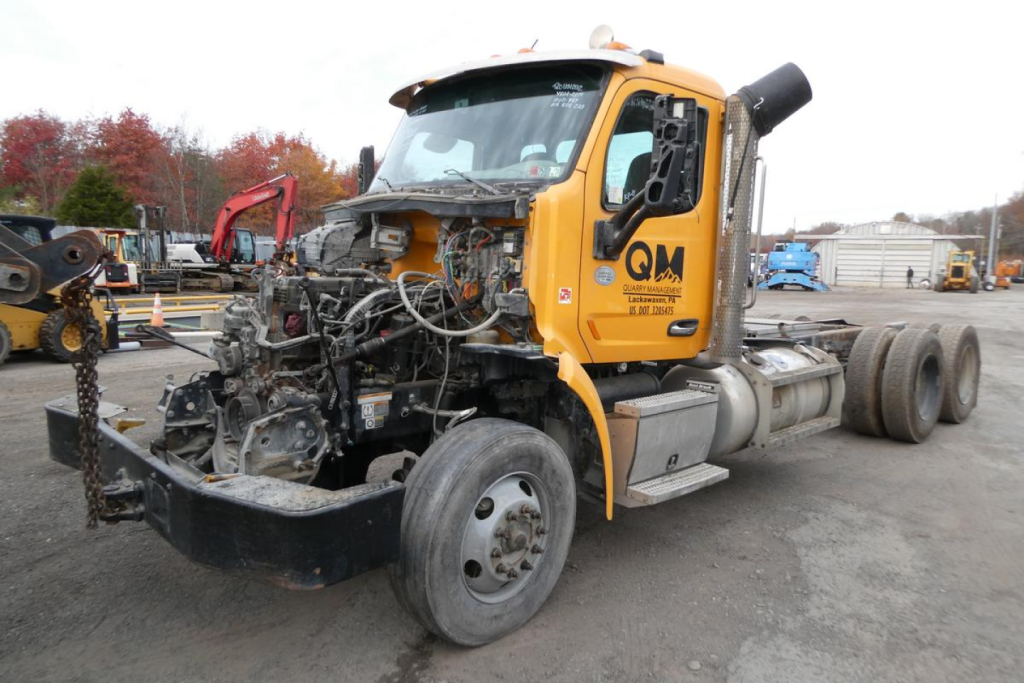
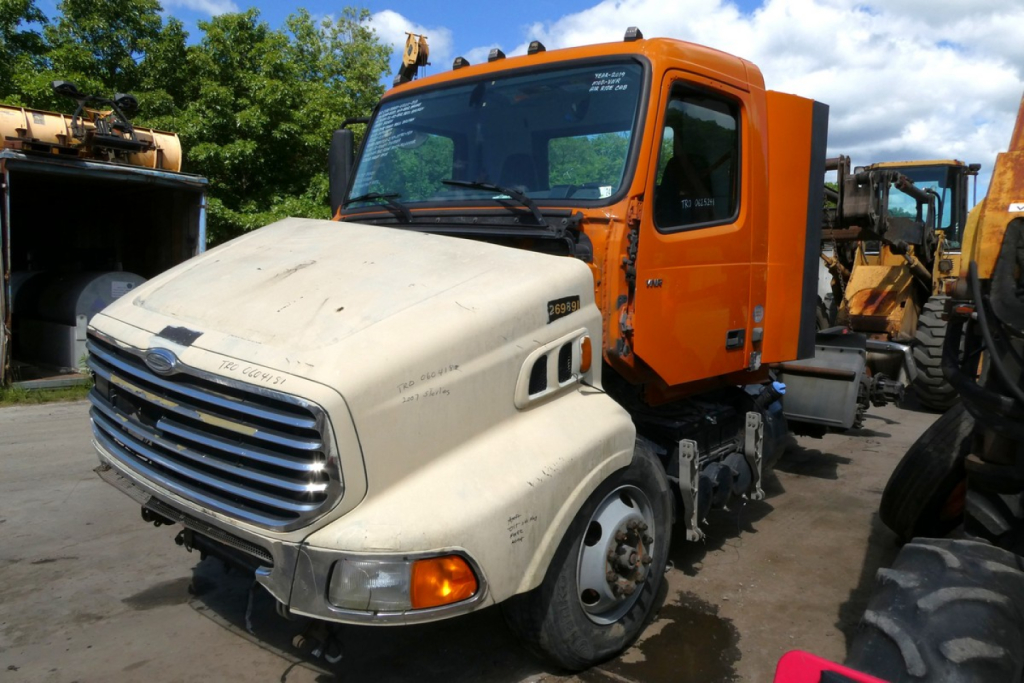
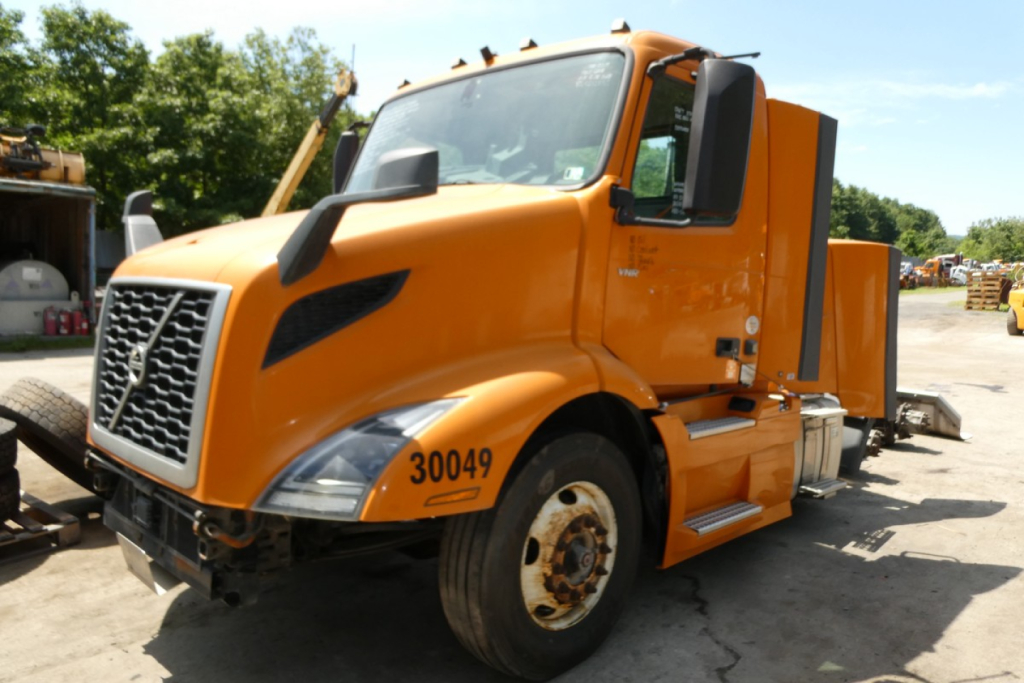
Selling a 2019 conventional daycab truck? List your 2019 conventional daycab truck for sale and reach thousands of commercial buyers.
2019 Conventional Daycab Trucks in New York
Most 2019 daycab tractors in this class are built around proven 10.8L to 12.8L diesel platforms such as the Detroit DD13, Volvo D11 or D13, Mack MP7, Cummins X12 or X15, paired with 10-speed or 12-speed automated manual transmissions. Common axle setups include 4x2 and 6x4 configurations, with front axles around 12,000 pounds and rears commonly rated at 21,000 to 40,000 pounds depending on application. Wheelbase, rear ratio, suspension type, and fifth wheel style make a major difference in how the truck will perform. A short wheelbase with a stationary fifth wheel suits yard, city, and consistent trailer work, while a longer wheelbase with an air slide fifth wheel gives more flexibility for mixed trailer lengths and bridge law positioning.
On 2019 models, emissions hardware and electronic integration deserve close attention. These trucks are modern enough to offer better fuel economy, automated shifting options, air disc brake availability, and cleaner aerodynamics, but buyers should still review DPF, DEF, EGR, and aftertreatment service history carefully. Idle hours, regen history, fault codes, and clutch or actuator performance on automated manuals can tell you as much as odometer mileage. Suspension spec also matters more than many buyers expect. Two-bag and four-bag air ride setups each have a different feel under load, and a 6x2 or lift-axle configuration may pencil out for specific regional freight but may not be ideal for every traction condition in the Northeast.
The strongest 2019 conventional daycab choices are the ones matched to the freight, not just the lowest price or highest horsepower. Buyers should compare cab-to-axle, wheelbase, rear ratio, GVWR, engine brake type, PTO readiness, and brake spec against the trailers and routes they actually run. A port tractor pulling heavy containers, a fuel hauler, and a local van trailer tractor can all fall under the same daycab category but require very different driveline and chassis decisions. When the spec is right, a 2019 daycab can deliver a good balance of modern drivability, serviceability, and cost control for demanding local and regional operations.
Frequently Asked Questions about 2019 Conventional Daycab Trucks in New York
What is a conventional daycab truck used for?
A conventional daycab truck is a road tractor with a standard hood and no sleeper compartment. It is commonly used for regional freight, local pickup and delivery, drayage, tanker work, intermodal service, refuse transfer, and vocational trailer hauling. The shorter overall length and lighter chassis compared with a sleeper tractor make it better suited for frequent stops, tight terminals, and urban routes.
What should I check first on a 2019 daycab tractor?
Start with the chassis spec and maintenance history. Confirm the wheelbase, axle ratings, rear ratio, suspension, and fifth wheel setup match your trailer lengths and payloads. Then review engine hours, fault codes, aftertreatment history, and transmission operation. On a 2019 truck, DEF and DPF system condition is a major buying point, especially if the truck spent its life in low-speed stop-and-go service.
Is a 2019 daycab better with a manual or automated transmission?
That depends on route and driver preference. Automated manual transmissions were common by 2019 and can improve consistency, reduce driver fatigue, and help fuel economy in regional and urban service. A manual transmission still appeals to some buyers for simplicity and familiarity, but the automated options from Detroit, Volvo, Mack, and Eaton became well established in this model year range. Service records and road test performance matter more than transmission type alone.
What axle configuration is best for a conventional daycab?
A 4x2 daycab can be a smart choice for lighter regional work where payload and traction demands are moderate, and it may reduce weight and fuel use. A 6x4 is more common for heavier freight, varied terrain, and better traction in poor weather. Some 2019 daycabs also appear with 6x2 or lift-axle specs, which can work well in specific applications but should be evaluated carefully for Northeast traction conditions, bridge laws, and tire wear patterns.
Why do wheelbase and cab-to-axle measurements matter on a daycab?
These measurements affect trailer gap, weight distribution, turning radius, bridge compliance, and compatibility with different trailer types. A shorter wheelbase is easier to maneuver in city service and at tight docks, while a longer wheelbase can improve ride quality and provide flexibility with heavier or mixed trailer operations. Cab-to-axle is especially important if the truck will carry a PTO, wet kit, headache rack, or specialized body equipment.