
2019 Volvo Conventional Daycab Trucks For Sale in New York
Shop 2019 Volvo conventional daycab trucks with D11 or D13 power, I-Shift options, and specs suited for regional, local, and terminal work.
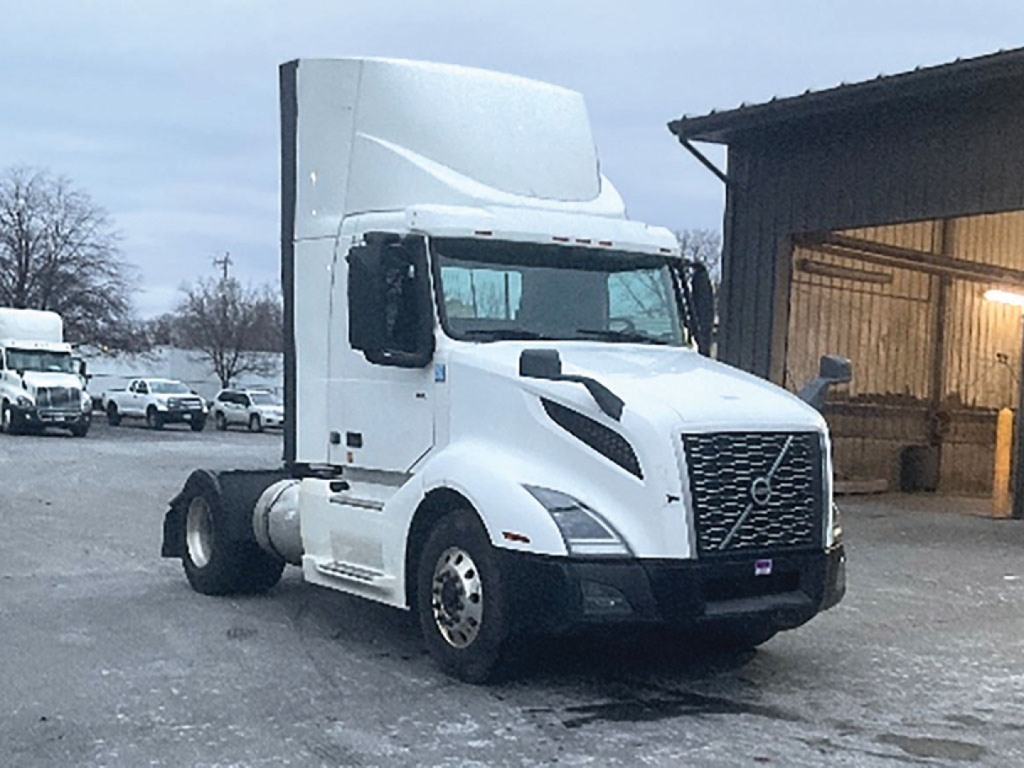
2019 Volvo VNR 300
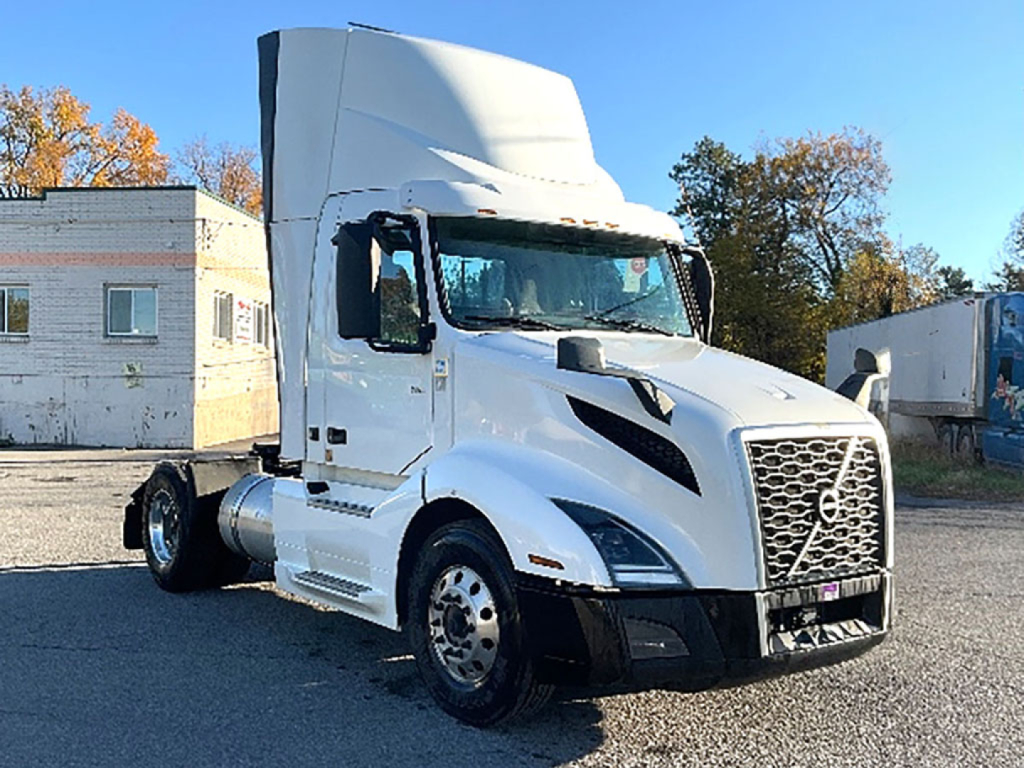
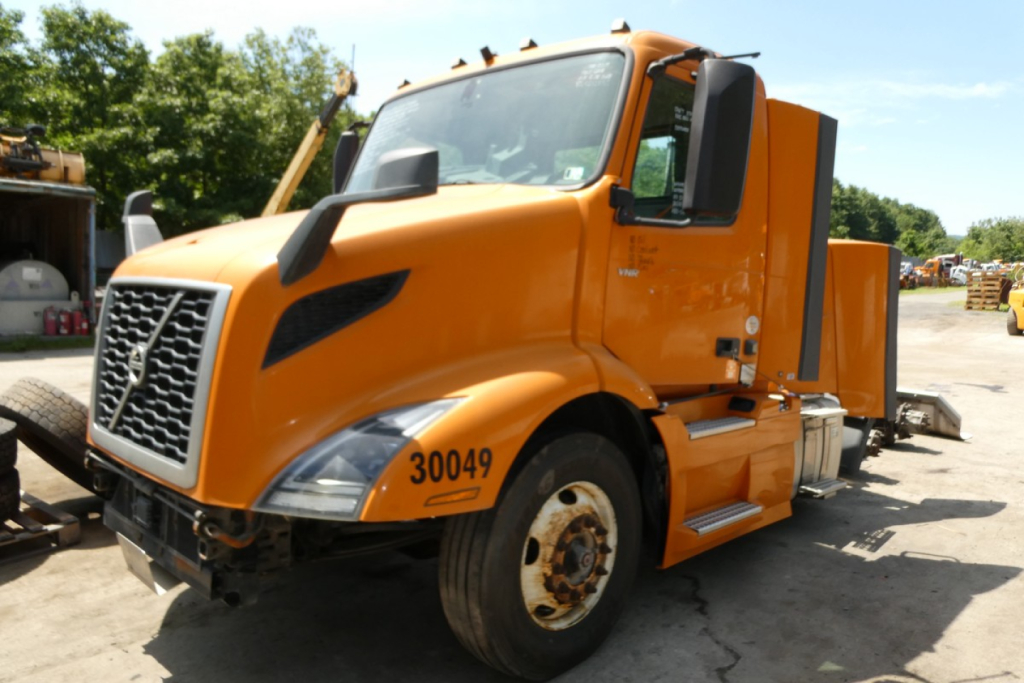
Have 2019 volvo conventional daycab truck to sell? List it here to reach thousands of buyers.
2019 Volvo Conventional Daycab Trucks in New York
Powertrain is usually the first real decision. A 2019 Volvo daycab commonly carries a Volvo D11 or D13 engine paired with a Volvo I-Shift automated manual, though some trucks are spec’d with manual transmissions. The D11 is a strong fit for lighter regional freight and weight-sensitive work, while the D13 is the more common choice for heavier gross weights, more demanding duty cycles, and fleets that want stronger pulling power without moving into a specialty vocational chassis. Rear axle ratios in these trucks can vary widely depending on the original application, so buyers should match ratio, tire size, and transmission gearing to actual road speed and startability needs. A low-rpm highway spec can save fuel on regional lanes, but it may feel wrong for stop-and-go city work or frequent dock approaches.
Chassis layout deserves close attention on a used conventional daycab. Wheelbase, cab-to-axle, and fifth wheel position determine whether the truck is right for a dry van, reefer, container, tanker, or straight-frame conversion. Many Volvo daycabs are spec’d with air ride suspension, 12,000 to 12,350 lb front axles, and single or tandem rear axles depending on the job. Air disc brakes are common on Volvo specs from this era and are a real advantage for stopping performance, pad service, and driver confidence in dense traffic. Buyers should also inspect frame type, sliding versus stationary fifth wheel, fairing setup, PTO provisions if needed, and signs of former fleet maintenance consistency. In a 2019 model, aftertreatment condition, fault history, transmission calibration, and emissions system service records are more important than cosmetic appearance.
Volvo daycabs from this period are known for a driver-friendly cab, good visibility, and a strong balance between fuel economy and road manners. The 2019 model year also benefits from mature emissions technology compared with earlier generations, but buyers still need to verify DPF, SCR, DEF, and EGR performance through service documentation and a proper diagnostic scan. For a New York buyer, it also makes sense to check idle strategy, corrosion exposure, and suspension wear from urban pavement conditions. A well-matched 2019 Volvo conventional daycab can be a very efficient business truck, but the best one is the truck with the right axle package, wheelbase, and engine-transmission spec for the lanes it will actually run.
Frequently Asked Questions about 2019 Volvo Conventional Daycab Trucks in New York
What is the difference between a Volvo VNM daycab and a Volvo VNL daycab?
The Volvo VNM daycab is generally the more compact conventional daycab in the lineup, often chosen for regional, local, and urban applications where maneuverability and shorter wheelbase matter. The Volvo VNL daycab is typically a larger highway-focused platform with a roomier cab and specs that may better suit longer regional runs or heavier linehaul duty. The right choice depends on turning radius needs, trailer type, axle configuration, and how much time the truck will spend in tight city environments versus open highway miles.
Is a 2019 Volvo daycab better with a D11 or D13 engine?
A D11 is often the better fit for lighter regional freight, P&D work, and operations that want lower curb weight with adequate power. A D13 is usually preferred for heavier loads, higher gross combinations, more demanding terrain, and applications where stronger torque and broader highway capability matter. Buyers should not choose by horsepower alone. Transmission spec, rear axle ratio, average payload, and duty cycle all affect how well the truck will perform and how efficiently it will run.
Are Volvo I-Shift transmissions a good choice in a 2019 daycab?
Yes, the I-Shift is a common and well-regarded option in a 2019 Volvo daycab, especially for regional and urban work where shift consistency, reduced driver fatigue, and fuel economy are priorities. It can also help fleets with driver onboarding because shift quality is less dependent on operator technique than with a manual. On a used truck, the key is not just that it has an I-Shift, but that the transmission software, clutch operation, and fault history have been properly checked with diagnostic tools and road-tested under load if possible.
What specs matter most when buying a used conventional daycab for New York operation?
For New York work, wheelbase, axle ratings, turning radius, brake type, and fifth wheel placement are critical because traffic density, bridge restrictions, and frequent low-speed maneuvering can expose a bad spec quickly. Buyers should also pay attention to air ride condition, steering wear, frame corrosion, and the emissions system because stop-and-go duty can be hard on aftertreatment components. If the truck will handle containers, tankers, or city van work, cab-to-axle measurement and kingpin setting compatibility should be verified before purchase.
What should I inspect first on a used 2019 Volvo conventional daycab?
Start with engine and emissions diagnostics, then review transmission behavior, service records, axle and suspension condition, and brake wear. On a Volvo daycab, it is also smart to verify aftertreatment history, check for active or stored fault codes, inspect air disc brake components if equipped, and confirm that wheelbase and fifth wheel setup match the intended trailer. A truck can run and still be poorly spec’d for the job, so fit-for-purpose is just as important as mechanical condition.