
Mack Conventional Daycab Trucks For Sale in New York
Shop Mack conventional daycab trucks with specs buyers want, including CH, CXU, MP7, E7, tandem axle, wetline, and vocational setups.
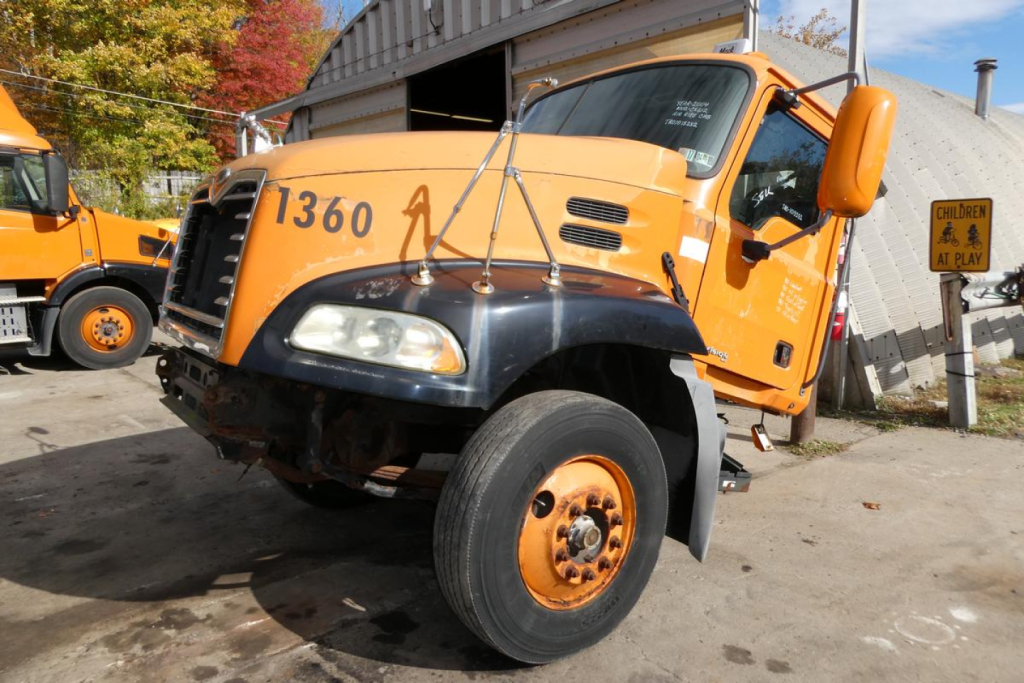
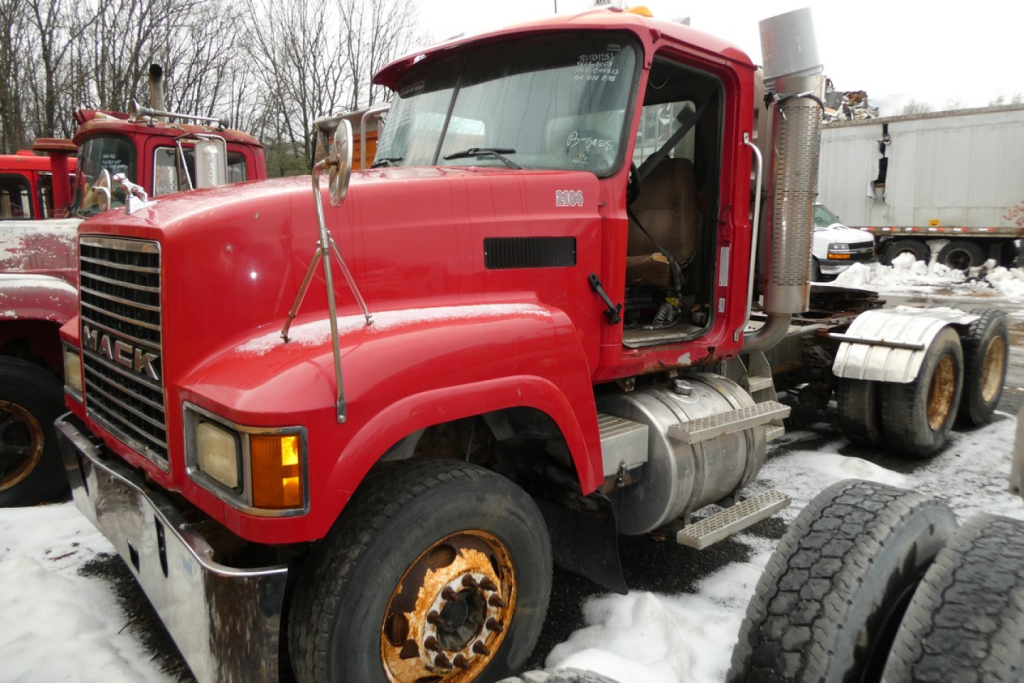
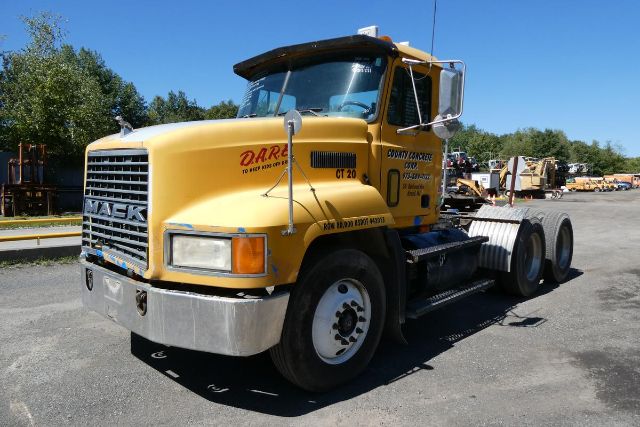
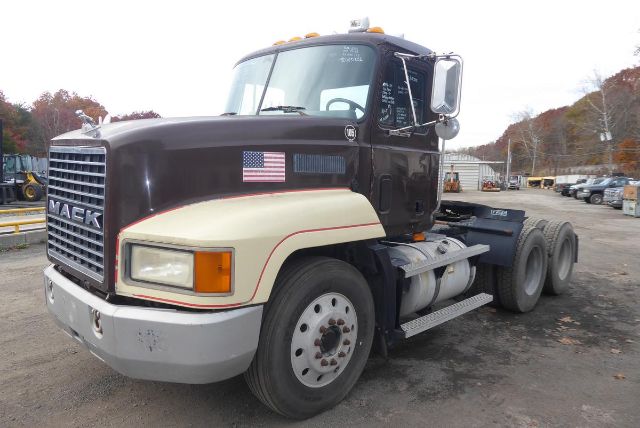
Selling a mack conventional daycab truck? List your mack conventional daycab truck for sale and reach thousands of commercial buyers.
Mack Conventional Daycab Trucks in New York
Frequently Asked Questions about Mack Conventional Daycab Trucks in New York
What are the most common uses for a Mack conventional daycab truck?
Mack conventional daycab trucks are commonly used for local and regional tractor work, dump service, lowboy and equipment hauling, tanker, transfer, refuse, and other vocational applications. Many are spec'd with PTOs, wetline kits, air slide fifth wheels, and heavier axle ratings that make them more versatile than a basic over-the-road daycab. The best use depends on frame spec, wheelbase, suspension, gearing, and whether the truck already has hydraulic equipment installed.
Which Mack engines are common in used conventional daycab trucks?
Older Mack daycabs often carry E6 or E7 engines, including E7 E-Tech variants in the 350 to 400 horsepower range. Newer models may use the Mack MP7, often paired with automated transmissions like the mDrive. Buyers comparing engines should look beyond horsepower and review emissions generation, service history, engine brake type, cooling system condition, and how the engine is matched to the rear ratio and transmission.
What axle and suspension specs should I look for in a Mack daycab?
A common tandem-axle Mack daycab setup is a 12,000 lb front axle with 38,000 to 40,000 lb rears in a 6x4 configuration. Mack 4-bag air ride suspensions are common on CH and CHN models, while some older trucks may have Neway or other vocational suspension specs. For heavier local work, check rear axle rating, power divider, frame strength, and whether the truck has a single frame or partial double frame. Those details matter if the truck will pull a lowboy, run a dump trailer, or handle high pin weight.
How important are wheelbase and rear ratio on a conventional daycab?
Wheelbase and rear ratio have a direct effect on maneuverability, bridge compliance, trailer clearance, and startability under load. Shorter wheelbases can be easier to place on tight job sites or urban routes, while longer wheelbases may better suit certain trailer lengths or hydraulic setups. Rear ratios such as 3.86, 3.94, or 4.64 are common in older Mack vocational tractors, and they should be matched to the transmission, tire size, and intended road speed. Faster ratios may favor highway efficiency, while deeper ratios are often preferred for heavy starts and slower vocational work.
Are Mack daycabs a good choice for wetline or PTO applications?
Yes. Many Mack conventional daycab trucks are well suited for wetline and PTO work, especially CH-series vocational tractors that were ordered for dump or lowboy service. Buyers should confirm PTO location, pump type, controls, hydraulic tank setup, and whether the truck has the frame space and gearing needed for the intended application. It is also smart to inspect clutch condition on manual trucks, transmission compatibility for PTO use, and any signs of hard vocational service around the frame, suspension, and fifth wheel area.