
2016 Conventional Daycab Trucks For Sale in New York
Shop 2016 conventional daycab trucks in New York. Compare wheelbase, axle ratings, engine specs, transmissions, and regional hauling fit.
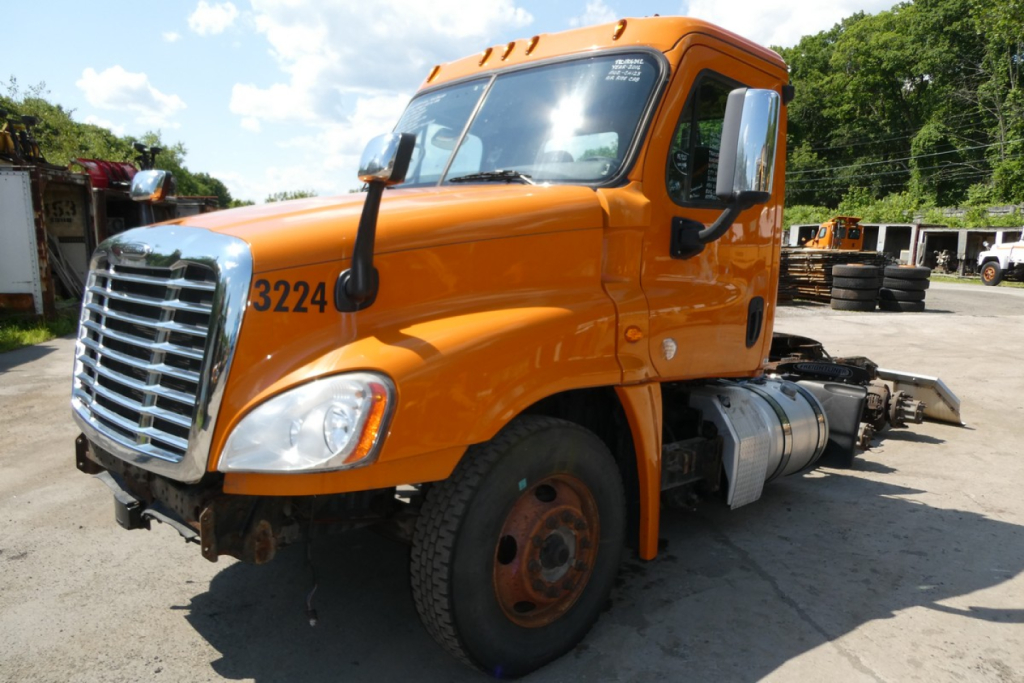
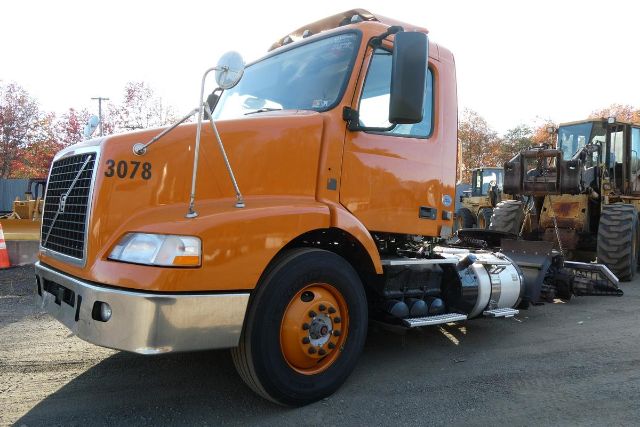
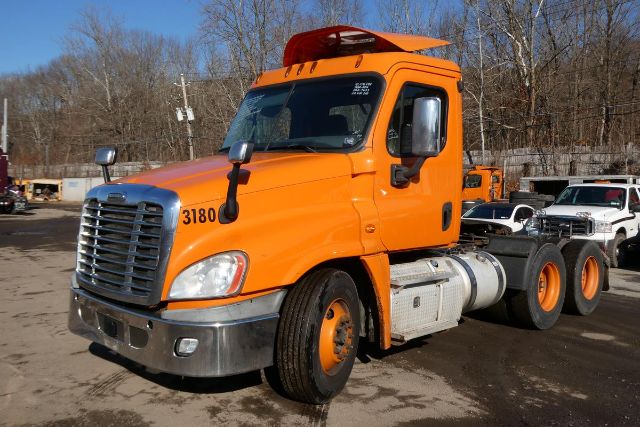
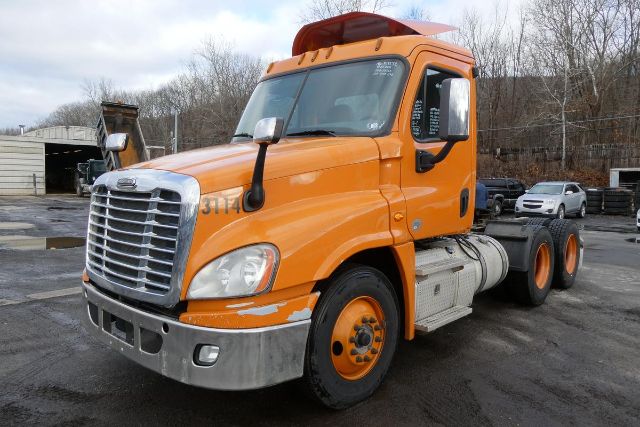
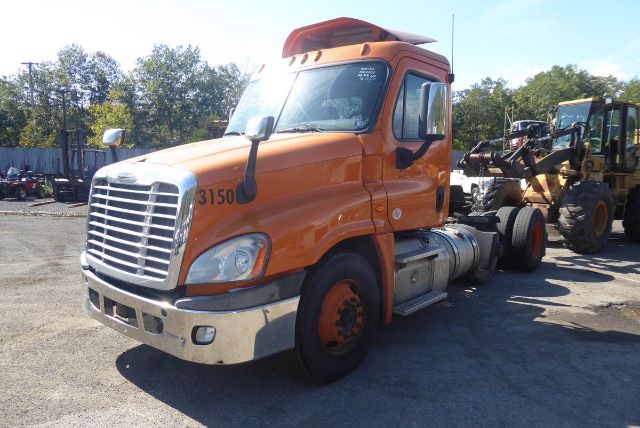
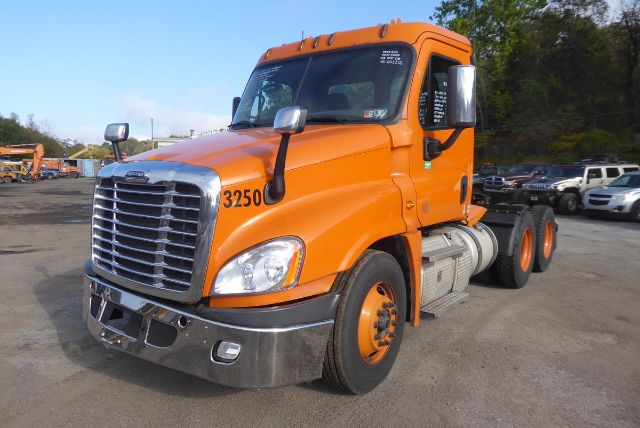
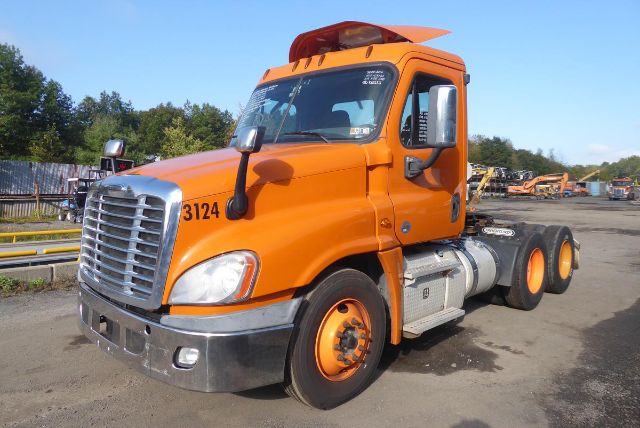
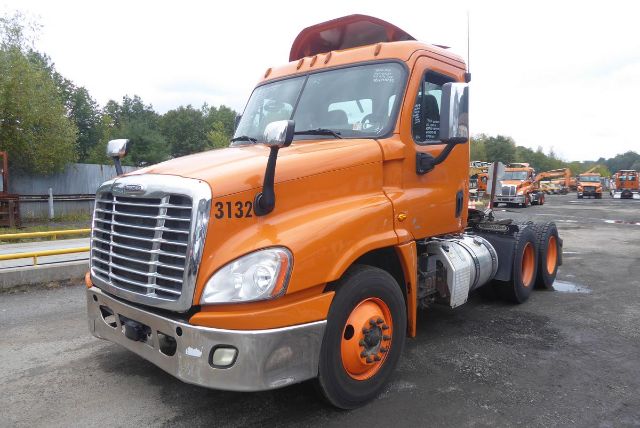
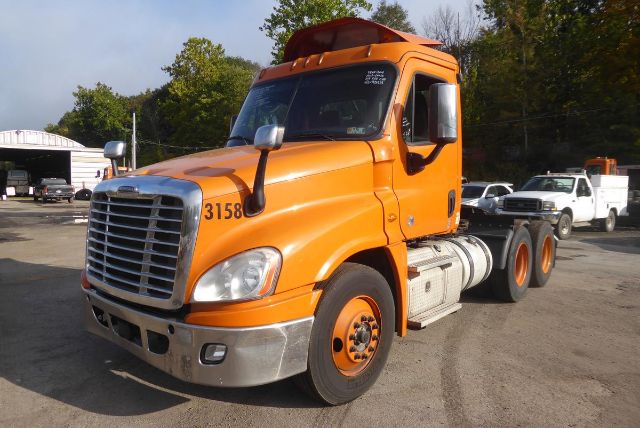
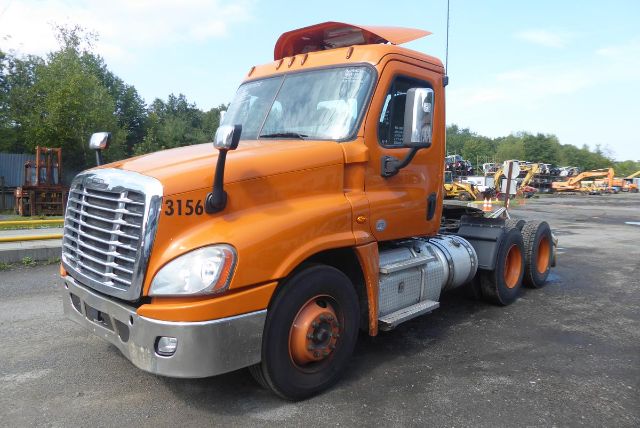
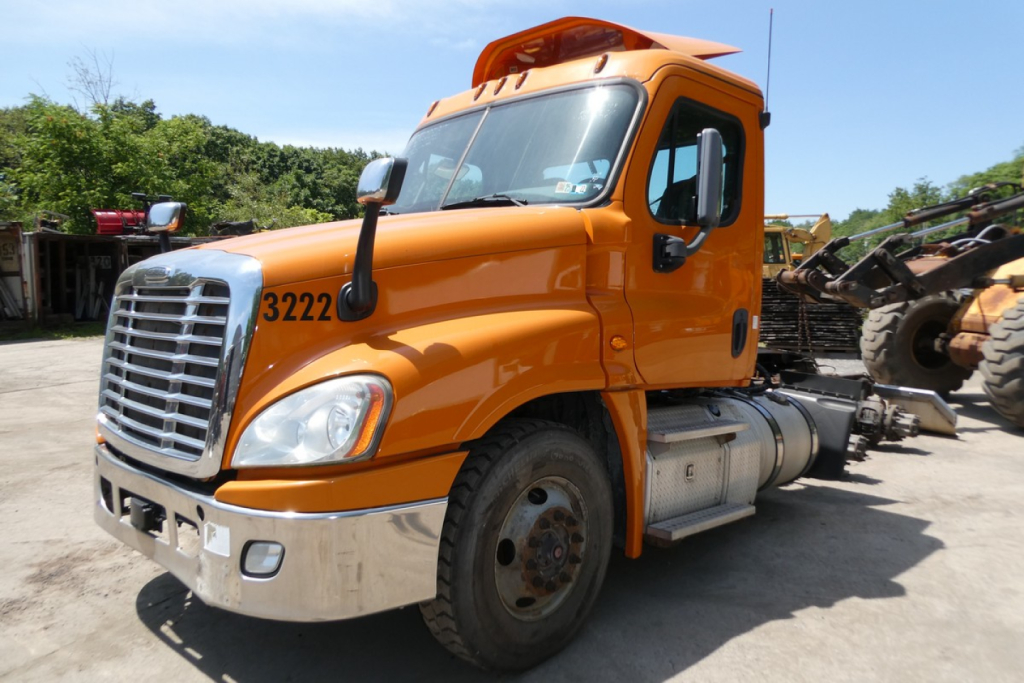
Selling a 2016 conventional daycab truck? List your 2016 conventional daycab truck for sale and reach thousands of commercial buyers.
2016 Conventional Daycab Trucks in New York
The most important spec decisions on a used 2016 daycab are engine platform, emissions system condition, transmission type, and axle ratings. Common engines in this class include Detroit DD13, Volvo D11, Cummins ISX, and other 11 to 13 liter platforms, typically in the 350 to 450 horsepower range. Many trucks from this era are paired with 10-speed manual transmissions, though some were ordered with automated manuals for stop-and-go efficiency. Front axles are commonly around 12,000 pounds, with rear axles in the 20,000 to 23,000 pound range, and GVWR often falls near 32,000 to 35,000 pounds depending on configuration. Buyers should also compare wheelbase and cab-to-axle dimensions closely, especially if the truck will pull different trailer lengths, carry a wet kit, or operate with a fixed fifth wheel, sliding fifth wheel, or pintle hook.
For a 2016 model year, emissions compliance matters as much as base drivetrain specs. A careful buyer will pay close attention to the health of the DEF system, EGR components, DPF service history, aftertreatment fault codes, and engine hours versus odometer miles. In local and regional service, idle time can be high, so ECM hours can tell you as much as mileage. Brake type is another meaningful separator. Some 2016 conventional daycabs were spec'd with drum brakes, while others have air disc brakes that can improve stopping performance and service access. Suspension design also affects ride and durability. Two-bag air ride suspensions are common in fleet tractors, but spring and heavier vocational suspensions may be better suited for rougher work or frequent loading dock impacts.
A strong 2016 conventional daycab should match the lane, not just the budget. For Northeast service, that often means checking corrosion exposure, frame condition, tire size, turning radius, and gearing for mixed highway and secondary-road use. A lower numerical rear ratio can favor fuel economy on steady regional lanes, while a deeper ratio may better support heavier starts and urban work. Buyers comparing multiple listings should look beyond horsepower and focus on maintenance records, fault history, clutch and transmission condition, kingpin compatibility, and how the truck was previously used. A well-matched daycab can deliver lower operating cost and better uptime than an over-spec'd sleeper tractor on the same route.
Frequently Asked Questions about 2016 Conventional Daycab Trucks in New York
What is a conventional daycab truck used for?
A conventional daycab truck is built for work that starts and ends without the driver needing sleeper accommodations. Common uses include regional freight, container drayage, local dry van and reefer hauling, flatbed work, terminal-to-terminal runs, and vocational tractor applications. Compared with sleeper tractors, daycabs are usually lighter, shorter, and easier to maneuver in tight yards, city streets, and distribution centers.
What should I check first on a used 2016 daycab tractor?
Start with the engine and emissions system, then verify transmission condition, axle ratings, wheelbase, and maintenance history. On a 2016 truck, DEF, DPF, EGR, and aftertreatment performance are critical because repair costs can be significant. ECM miles and engine hours should be compared to understand idle time and actual use. It is also smart to inspect frame condition, suspension wear, clutch life, brake type, and any active fault codes before making a buying decision.
What engine and transmission specs are common in 2016 conventional daycabs?
Many 2016 conventional daycab trucks were spec'd with 11 to 13 liter diesel engines in the approximate 350 to 450 horsepower range. Popular platforms include the Detroit DD13, Volvo D11, and Cummins ISX family, depending on make and intended duty cycle. Ten-speed manual transmissions are common, although some trucks use automated manuals to reduce driver fatigue and improve consistency in stop-and-go service. The right combination depends on load weight, terrain, average trip length, and how much city driving the truck will see.
Is wheelbase important when buying a daycab?
Yes, wheelbase is one of the most important fitment specs on a daycab tractor. It affects turning radius, bridge law flexibility, trailer gap, ride quality, and the ability to mount accessories such as a wet kit or headache rack. A shorter wheelbase can be an advantage in urban and yard operations, while a longer wheelbase may track better on the highway and provide more room behind the cab. Cab-to-axle and cab-to-end dimensions should also be reviewed if the truck will be assigned to a specific trailer or body-related setup.
Are 2016 daycabs good for New York and Northeast operations?
They can be an excellent fit for New York and the broader Northeast because these routes often involve dense traffic, tighter streets, distribution center work, and shorter regional mileage. A conventional daycab gives operators better maneuverability and eliminates the cost and weight of unused sleeper space. Buyers in this region should pay particular attention to corrosion, suspension wear, brake condition, and gearing that matches mixed highway and urban service. Previous use in winter road salt conditions can affect long-term maintenance costs, so undercarriage and frame inspection are especially important.