
2016 Freightliner Conventional Daycab Trucks For Sale in New York
Browse 2016 Freightliner conventional daycab trucks with Cascadia-spec specs, DD13 power, daycab configurations, and regional haul capability.
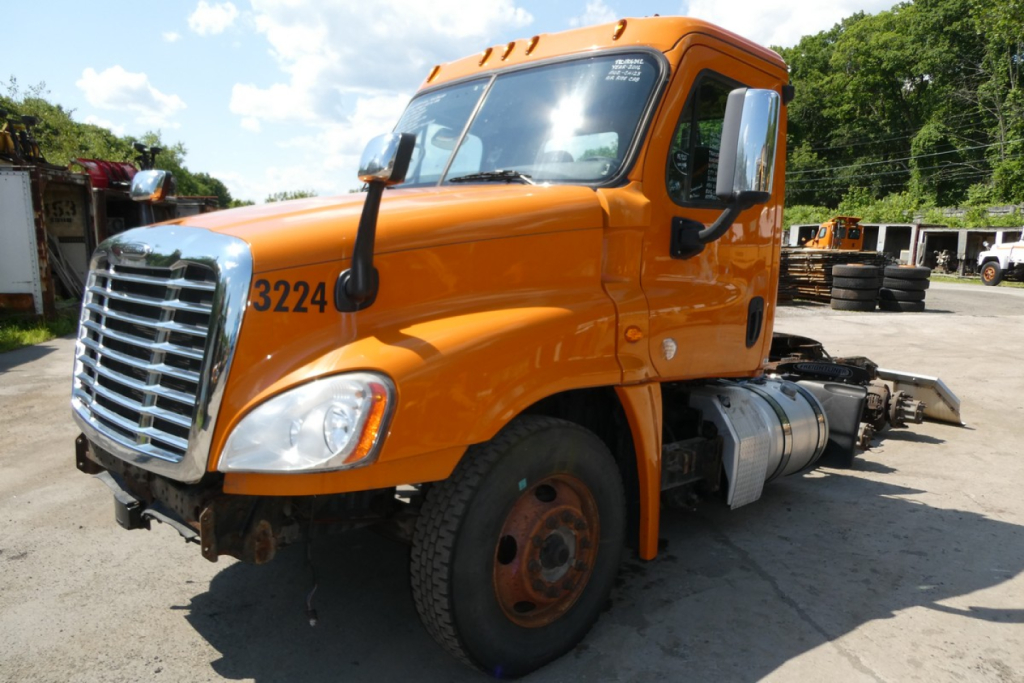
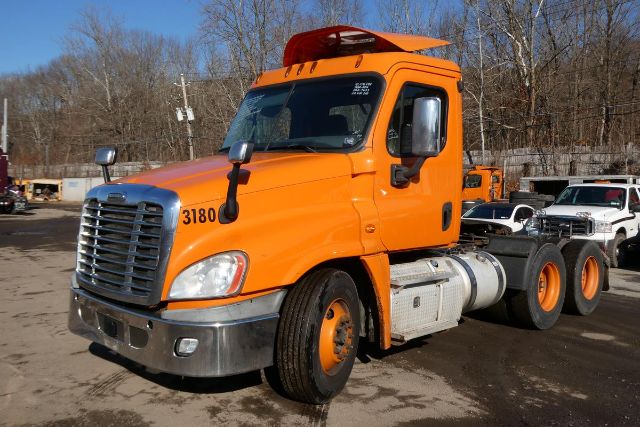
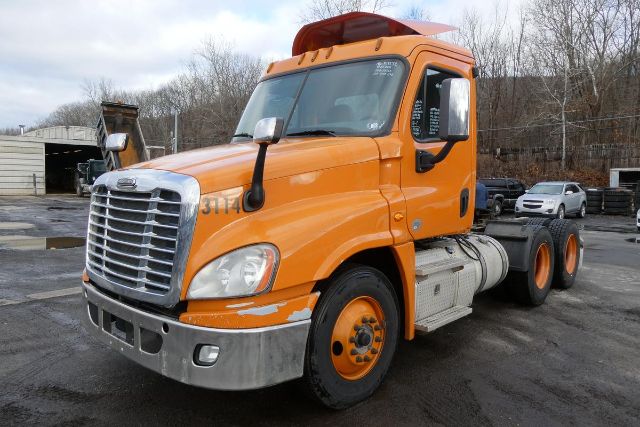
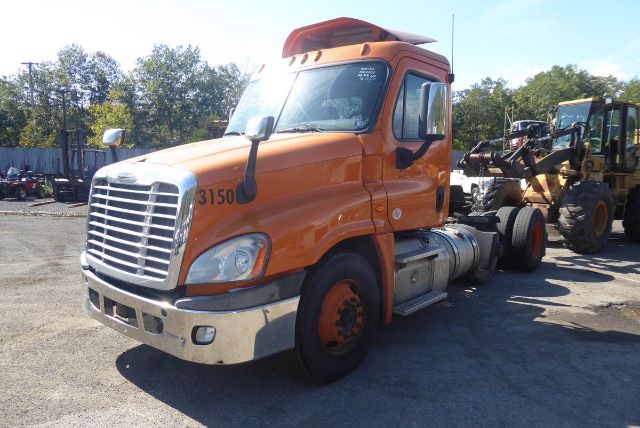
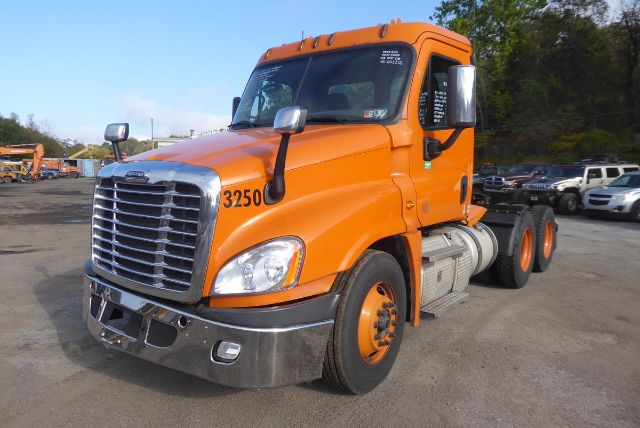
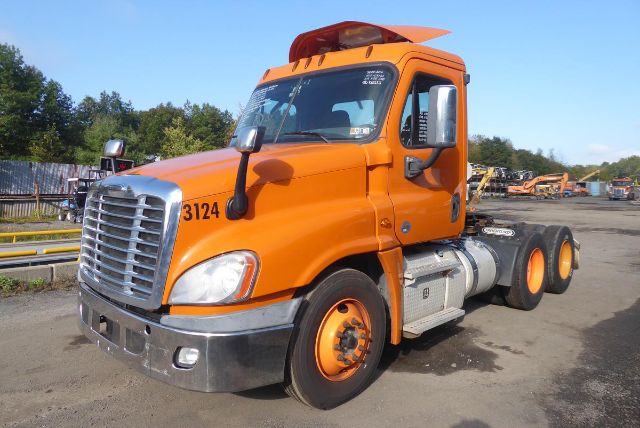
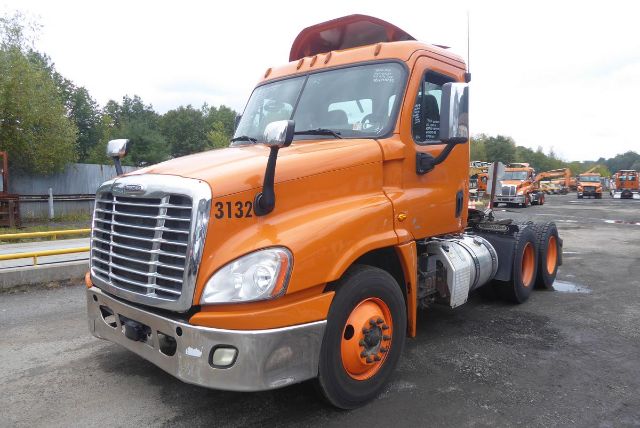
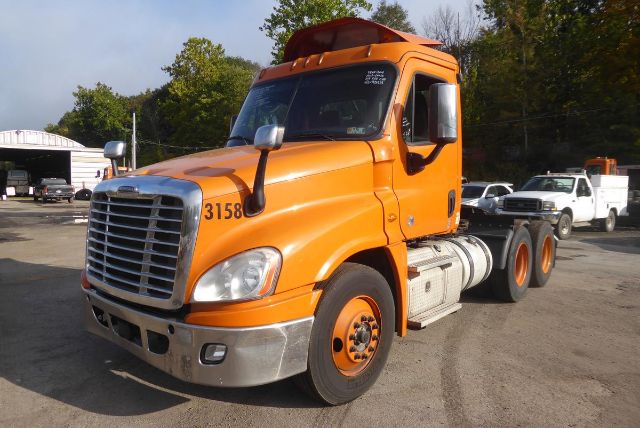
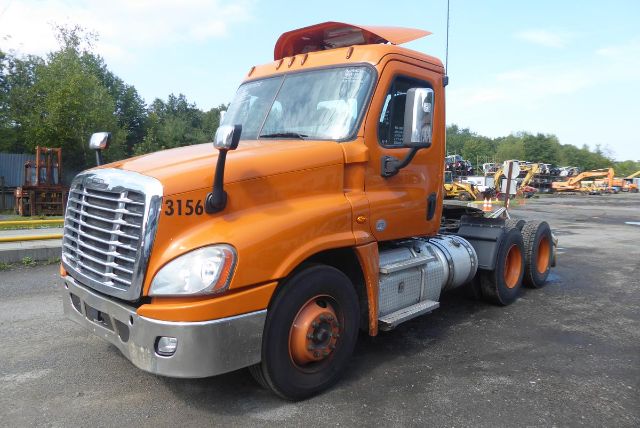
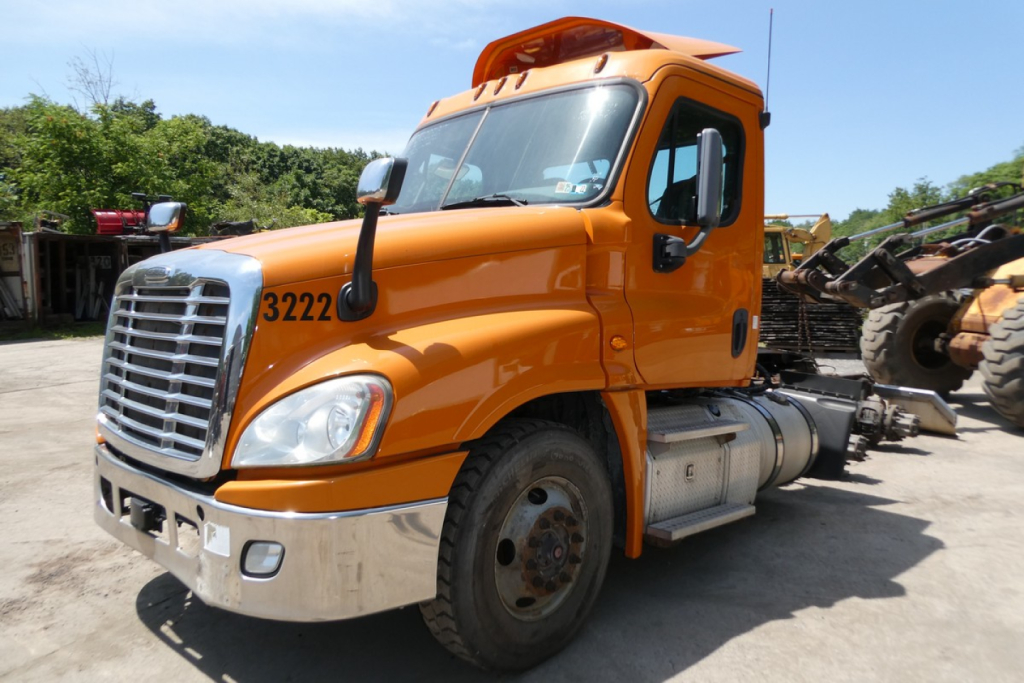
Selling a 2016 freightliner conventional daycab truck? List your 2016 freightliner conventional daycab truck for sale and reach thousands of commercial buyers.
2016 Freightliner Conventional Daycab Trucks in New York
The first buying decision is usually axle and frame configuration. A 2016 Freightliner conventional daycab may be set up as a lighter regional tractor with around a 12,000 lb front axle and a 23,000 lb rear, or as a tandem road tractor with 40,000 lb rears, a power divider, and Airliner suspension. Wheelbases commonly vary by application, with shorter setups helping in tight yards and city deliveries, while longer wheelbases improve trailer gap management and allow more room for equipment like a sliding fifth wheel, headache rack, wet kit, or frame-mounted accessories. Cab-to-axle and cab-to-end dimensions are worth checking closely if the truck will be repurposed, because those measurements determine how easily the chassis can accept different fifth wheel positions or vocational upfits.
Powertrain spec is where a daycab either fits the job or becomes expensive to run. Many Freightliner conventionals from this era carry a Detroit DD13, typically paired with a 10-speed manual or an automated manual such as the DT12. For regional freight, a DD13 with the right rear ratio can balance fuel economy and drivability well, especially in dense traffic and short-haul duty. Buyers should compare horsepower and torque ratings, rear axle ratio, transmission model, and brake spec as a package instead of looking at each item in isolation. A truck geared for linehaul efficiency may feel lazy in heavy start-stop service, while a shorter gear can improve launch and low-speed control at the expense of cruise rpm. Air disc brakes are a strong feature on many Freightliners in this class because they improve stopping consistency and simplify brake service inspection.
Condition matters more than badge loyalty on a used 2016 daycab. Review engine hours alongside odometer miles, confirm whether the emissions system has been maintained properly, and inspect common wear points such as suspension components, air leaks, fifth wheel operation, cab mounts, steering play, and rust around frame and crossmember areas. In the Northeast, corrosion, winter exposure, and heavy traffic use can age a truck faster than mileage alone suggests. A good 2016 Freightliner conventional daycab can still be a cost-effective tractor for regional and local fleets, but the best value usually comes from matching the truck's exact axle, suspension, gearing, and wheelbase to the freight it will actually pull.
Frequently Asked Questions about 2016 Freightliner Conventional Daycab Trucks in New York
What engine is common in a 2016 Freightliner conventional daycab?
A common engine in a 2016 Freightliner conventional daycab is the Detroit DD13. It is widely used in regional and local tractor applications because it offers a good balance of horsepower, torque, fuel economy, and service support. Buyers should still verify the exact horsepower rating, emissions equipment condition, engine brake operation, and maintenance history, because the same base engine can perform very differently depending on spec and prior use.
Is a 2016 Freightliner daycab better suited for regional haul or local work?
It can fit either role, depending on the axle ratings, wheelbase, transmission, rear ratio, and fifth wheel setup. Shorter wheelbase trucks with lower rear axle ratings are often better for city and terminal work, while tandem-axle specs with 40,000 lb rears, power divider, and a sliding fifth wheel are better suited for regional trailer pulling. The key is matching the chassis and gearing to the load profile, route density, and average road speed.
What should I inspect first on a used Freightliner daycab from this model year?
Start with the powertrain and chassis basics: engine hours versus odometer, cold-start behavior, fault codes, transmission operation, clutch or automated manual function, axle ratio, suspension wear, brake type and condition, and frame integrity. On Northeast trucks, pay special attention to rust, crossmembers, air system leaks, and corrosion around mounting points. Cab condition, steering components, and fifth wheel wear also affect total ownership cost more than cosmetic appearance suggests.
Are automated manual transmissions common on 2016 Freightliner daycabs?
Yes, many Freightliner daycabs in this era were spec'd with automated manuals such as the Detroit DT12, though 10-speed manuals are also common. An automated manual can reduce driver fatigue in city traffic and help standardize operation across multiple drivers. The transmission should be evaluated with its software calibration, clutch condition, and rear axle ratio, because shift quality and performance depend on the complete driveline setup.
Why do wheelbase and cab-to-axle measurements matter on a daycab?
Wheelbase and cab-to-axle measurements affect turning radius, bridge compliance, trailer swing clearance, and the amount of usable frame space behind the cab. They also determine how easily the truck can be adapted for a different trailer type, fifth wheel position, or vocational equipment. For buyers in tighter urban markets like New York, these dimensions can be just as important as engine and transmission spec because they directly affect daily usability.