
2015 Conventional Daycab Trucks For Sale in New York
Browse 2015 conventional daycab trucks in New York. Compare wheelbase, axle ratings, engines, transmissions, and 5th wheel setups.
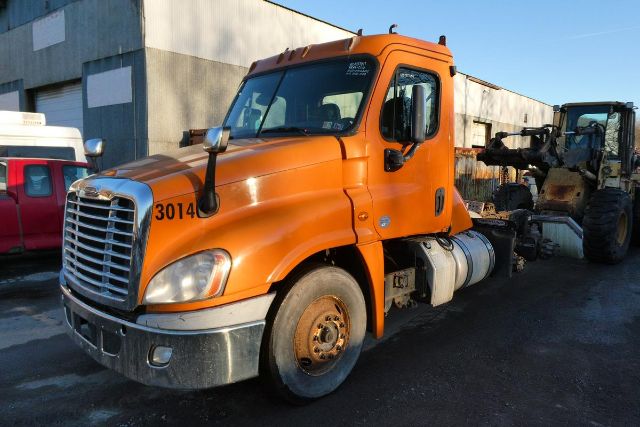
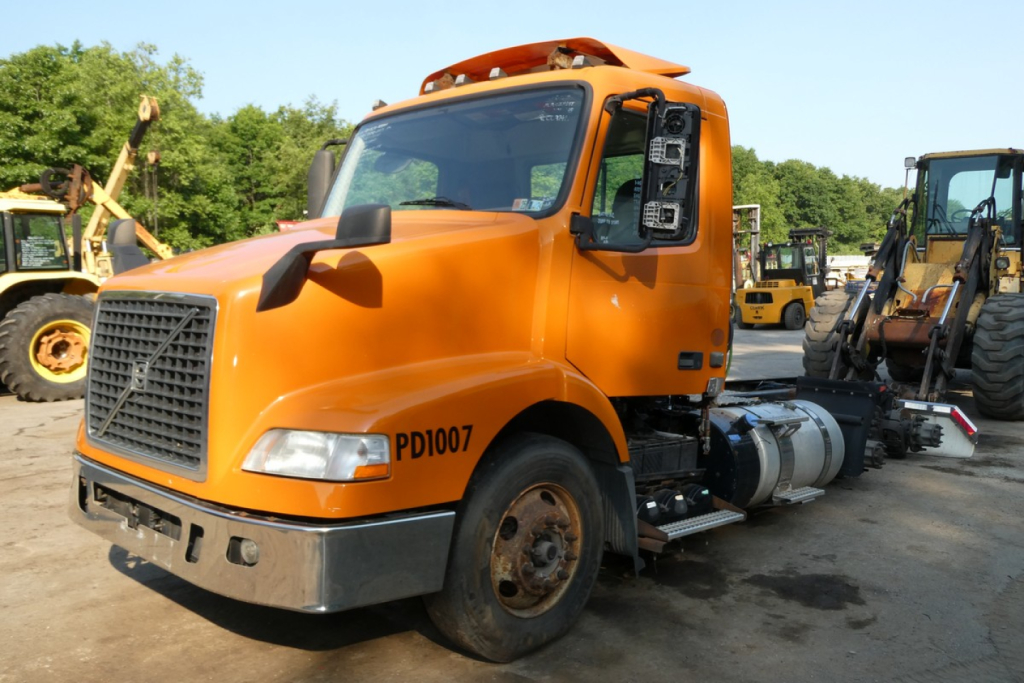
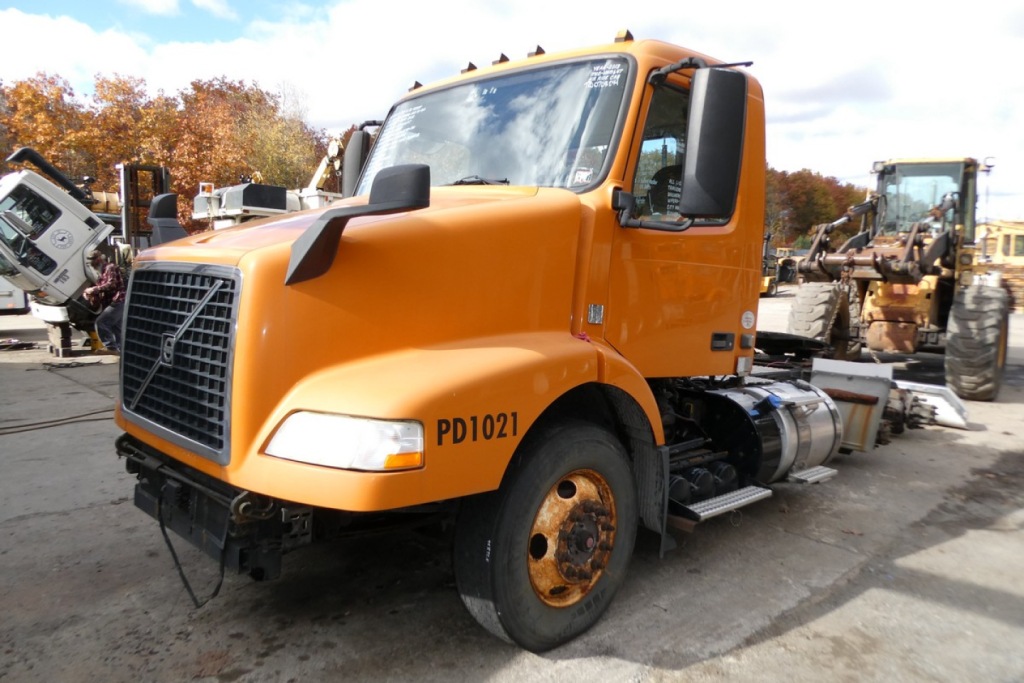
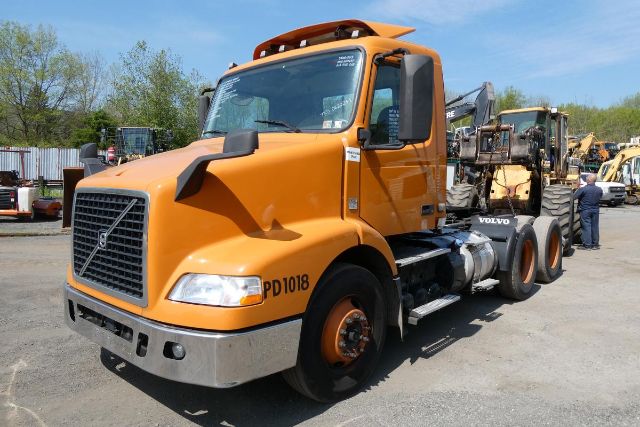
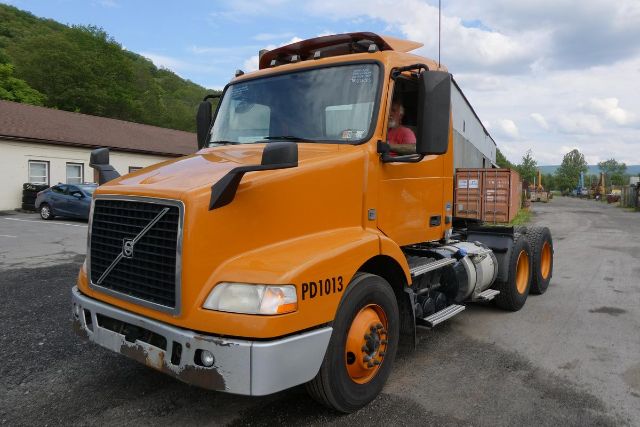
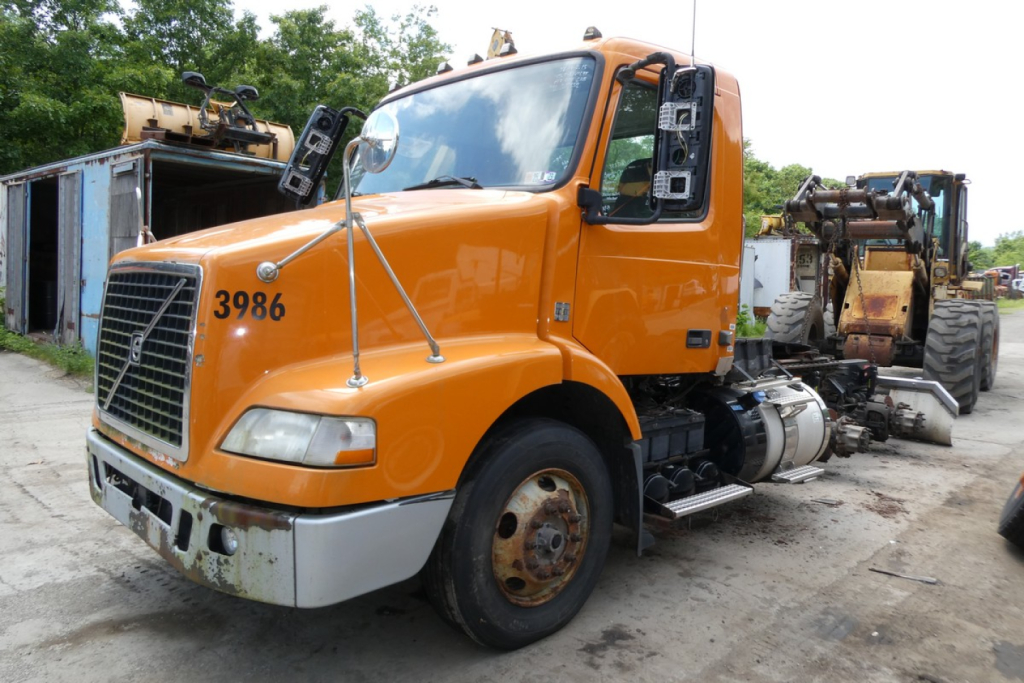
Selling a 2015 conventional daycab truck? List your 2015 conventional daycab truck for sale and reach thousands of commercial buyers.
2015 Conventional Daycab Trucks in New York
Powertrain choice matters more than the badge. Many 2015 conventional daycabs were ordered with engines in the 10.8L to 12.8L range, including Detroit DD13 and Volvo D11 ratings commonly spanning roughly 385 to 450 hp. Transmissions in this category are often either 10-speed manuals such as Fuller units or 12-speed automated manuals like the Detroit DT12. A manual can be simpler for some fleets to maintain and familiar to a broad driver pool, while an automated manual can improve consistency in stop-and-go service and reduce clutch wear. Rear axle ratios such as 3.08 or 3.42 are common and should be matched to your terrain, cruise speed, and startability requirements. Lower numeric ratios generally favor fuel economy on highway-heavy routes, while deeper ratios help with heavier starts and dense city work.
Chassis specs deserve close attention because two trucks that look similar can be built for very different jobs. Front axles are often around 12,000 pounds, while rear axle ratings may range from lighter single-axle setups in the low-20,000-pound range up to tandem rears around 40,000 pounds. Suspension types such as Freightliner AirLiner or Volvo air ride are common, and air disc brakes show up frequently on later-spec regional tractors from this era. Wheelbase, cab-to-axle, and cab-to-end dimensions affect trailer swing clearance, body upfit options, and how the truck tracks in city traffic. Buyers in New York should also pay attention to overall height with fairings, emissions system condition, and corrosion points on frame rails, crossmembers, cab mounts, and electrical connections due to winter road treatment and dense stop-and-go use.
Because 2015 trucks are fully in the SCR and DEF era, emissions health is a major buying consideration. Ask for fault history, ECM mileage and engine hours, aftertreatment service records, and any recent work involving the one-box, DPF, DEF dosing system, sensors, or NOx components. On a daycab that has spent its life in local service, idle hours and PTO time can matter as much as odometer miles. Also inspect the 5th wheel type, stationary or air slide, confirm frame configuration for your intended trailer set, and verify tire size, brake condition, and suspension wear. A well-matched 2015 conventional daycab can still be a productive regional tractor if the powertrain, axle ratings, and emissions system line up with the work.
Frequently Asked Questions about 2015 Conventional Daycab Trucks in New York
What is a 2015 conventional daycab truck best used for?
A 2015 conventional daycab is best suited for regional freight, port drayage, local delivery, terminal-to-terminal runs, tanker work, dump tractor service, and other operations where the driver returns regularly and does not need a sleeper. The shorter overall package improves maneuverability, reduces unnecessary weight compared with a sleeper tractor, and often fits urban and industrial job sites better.
What specs matter most when comparing 2015 daycab tractors?
The most important specs are engine model and horsepower, transmission type, rear axle ratio, axle ratings, suspension, wheelbase, and 5th wheel setup. Buyers should also compare engine hours against miles, confirm whether the truck is single-axle or tandem-axle, and look at emissions-related service history. These details determine how well the truck will handle your trailers, route profile, and maintenance strategy.
Are 2015 conventional daycabs good for New York operations?
Yes, 2015 conventional daycabs are commonly used in New York because they fit regional and urban freight patterns well. Shorter wheelbase configurations are especially useful in tight industrial areas, distribution centers, and borough or port environments. The main caution is condition: New York service can be hard on frames, wiring, air systems, and aftertreatment components due to winter salt, traffic, and extended idle time.
Should I choose a manual or automated manual in a 2015 daycab?
A manual transmission can be a practical choice for fleets that prefer simpler driveline service and have drivers comfortable with shifting. An automated manual such as a DT12 can improve consistency, reduce clutch abuse, and help in stop-and-go applications. The better option depends on driver mix, maintenance capability, route type, and the importance of fuel economy versus simplicity.
How important is emissions system history on a 2015 daycab truck?
Emissions history is critical on a 2015 truck because these units rely on DEF, SCR, and DPF systems to meet emissions rules. Problems with sensors, dosing components, or the aftertreatment assembly can quickly turn into downtime and expensive repairs. A buyer should review fault codes, maintenance records, regeneration history, and any recent one-box or DEF system work before making a decision.