
2015 Volvo Conventional Daycab Trucks For Sale in New York
Shop 2015 Volvo conventional daycab trucks in New York. Compare VNM specs, D11 or D13 power, I-Shift options, axle ratings, and wheelbases.
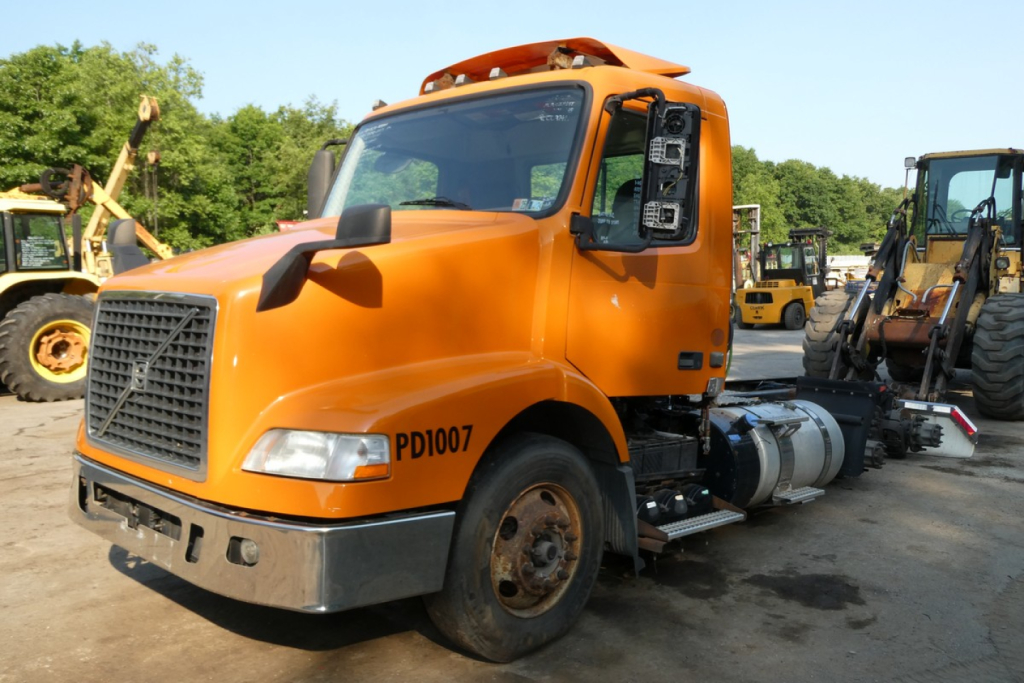
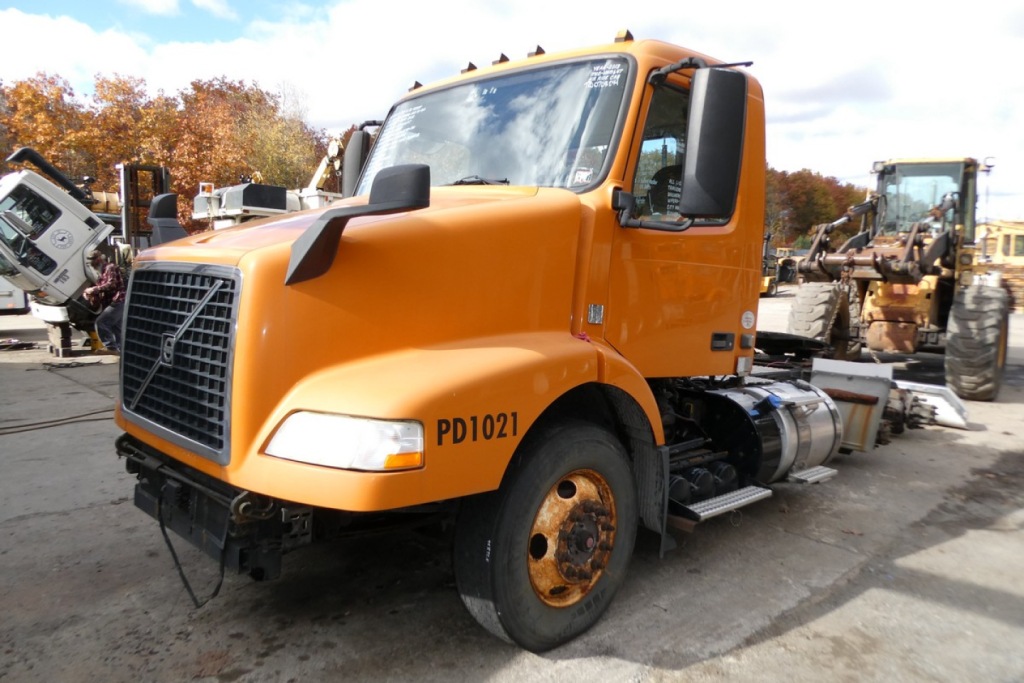
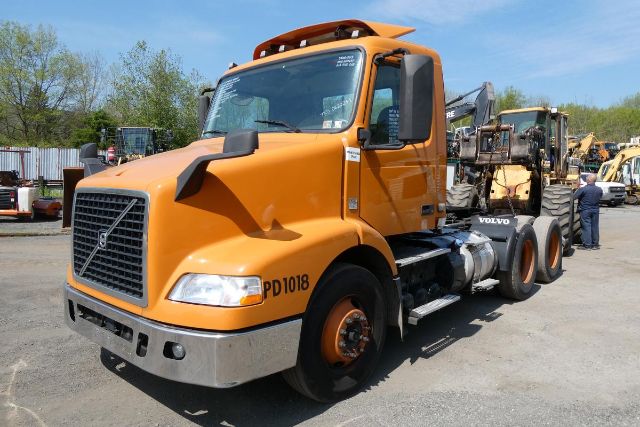
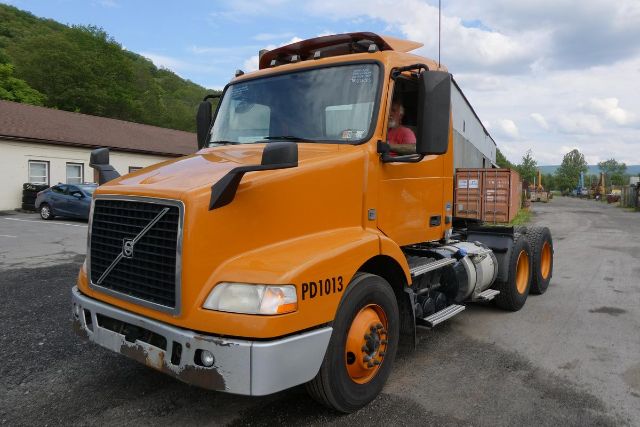
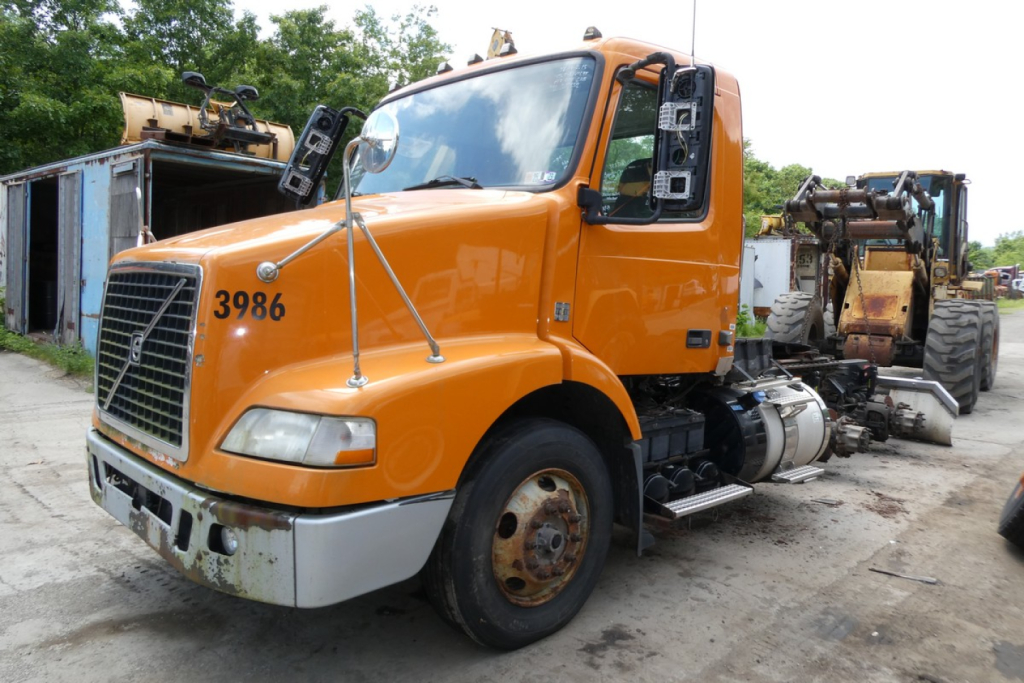
Selling a 2015 volvo conventional daycab truck? List your 2015 volvo conventional daycab truck for sale and reach thousands of commercial buyers.
2015 Volvo Conventional Daycab Trucks in New York
The first decision is usually engine and driveline. Many 2015 Volvo daycabs are equipped with a Volvo D11 or D13, with horsepower commonly ranging from the mid-300s into the 400-plus range depending on vocation. A D11 is often a practical fit for lighter regional lanes and weight-conscious operations, while a D13 is better suited for heavier gross weights, more frequent highway pulling, or demanding stop-and-go service with loaded trailers. Buyers will also want to compare transmissions carefully. Volvo I-Shift automated manuals are common in this era and can help with driver consistency, fuel economy, and clutch life, while manual 10-speed setups still appeal to fleets that prefer simpler service familiarity.
Axle ratings, suspension, and wheelbase tell you a lot about what a 2015 Volvo daycab can actually do. Common specs in this class include front axles around 12,000 pounds, tandem rears from the low-20,000-pound range up to 40,000 pounds, and ratios such as 3.42 or even faster highway gearing like 2.64 depending on intended use. Shorter wheelbase VNM42T-style configurations are better for tighter turns and dock work, while longer tandem daycabs such as VNM64T setups are better matched to higher GVW applications, heavier fifth wheel work, and more stable highway handling. Features like air ride suspension, air slide fifth wheels, power divider, and air disc brakes can make a noticeable difference in ride quality, trailer flexibility, traction, and stopping performance.
Condition matters as much as spec on any used 2015 Volvo conventional daycab. Pay close attention to emissions system status, engine fault history, ECM miles versus dash miles, idle hours, and signs of prior vocational use. Check if the truck has a single frame or any frame modifications, verify the rear axle model and suspension capacity, and inspect the fifth wheel type if the truck will switch between trailer lengths or kingpin settings. Volvo daycabs from this period are generally valued for cab comfort, good sightlines, and strong integration between the engine, transmission, and brake systems. A well-matched spec can be a productive regional tractor for years, but the right choice depends on route density, payload, maintenance plan, and whether the truck will spend more time in city traffic or steady highway miles.
Frequently Asked Questions about 2015 Volvo Conventional Daycab Trucks in New York
What is the difference between a 2015 Volvo VNM daycab with a D11 and one with a D13?
The D11 is typically the lighter, more fuel-conscious choice for regional freight, local delivery, and applications that do not need maximum torque every day. The D13 is the stronger option for heavier loads, higher gross weights, and more demanding duty cycles, especially when the truck will spend significant time on the highway or in start-stop service with a loaded trailer. The right engine depends on payload, terrain, and how often the truck operates near its upper weight range.
Is a 2015 Volvo daycab with I-Shift a good choice for regional hauling?
Yes, many buyers prefer the Volvo I-Shift for regional hauling because it improves shift consistency, reduces driver fatigue, and can help control clutch-related wear compared with a manual transmission. It is especially useful in dense traffic, city delivery routes, and repeated stop-and-go operation. Buyers should still confirm service history, software status, clutch condition, and how well the transmission pairs with the truck's axle ratio and engine output.
What axle and suspension specs should I look for in a 2015 Volvo conventional daycab?
The key specs are front axle rating, rear axle capacity, suspension type, and wheelbase. A lighter single-axle or lower-capacity tandem setup may be fine for local freight and short regional lanes, while heavier tandem rears and 4-bag air ride suspensions are a better fit for higher GVW work, tanker service, or frequent trailer pulling. Wheelbase also matters because a shorter truck is easier to maneuver, while a longer one often provides better stability and trailer compatibility.
Are air disc brakes common on 2015 Volvo daycabs, and do they matter?
Air disc brakes are fairly common on Volvo daycabs from this period and they are a meaningful advantage for many fleets. They usually provide more consistent stopping performance, better fade resistance, and easier brake inspection compared with traditional drum systems. For regional and urban service where the truck sees repeated braking events, air discs can improve control and reduce downtime if parts and service support are available in your area.
What should I inspect first on a used 2015 Volvo conventional daycab?
Start with the engine, transmission, emissions equipment, and electronic records. Compare ECM miles and hours to the odometer, scan for active and inactive fault codes, and inspect the aftertreatment system for missing components or signs of repeated failures. Then move to axle housings, suspension bushings, fifth wheel condition, frame rails, brake type, and tire wear patterns. On a daycab, cab condition and driver comfort still matter because poor seals, worn seats, and HVAC problems show up quickly in regional service.