
2014 Trucks For Sale
Showing 73 to 85 of 85 results
Have 2014 truck to sell? List it here to reach thousands of buyers.
2014 Trucks
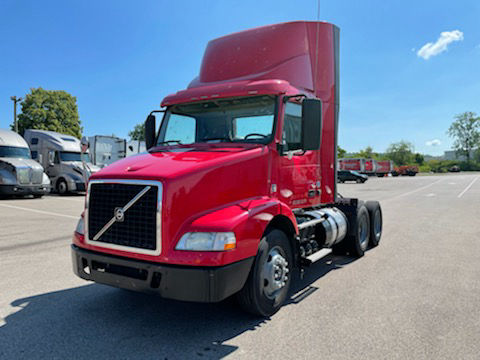
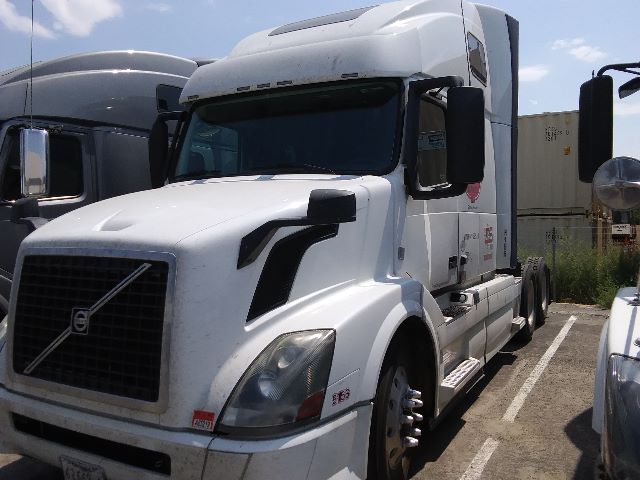
The first decision is application, not brand. A 2014 highway tractor should be evaluated around sleeper or day cab configuration, wheelbase, rear axle ratio, engine rating, and transmission type. Buyers shopping vocational 2014 trucks should focus harder on GVWR, front axle capacity, suspension spec, PTO compatibility, frame rating, and body condition. This is also a year where emissions equipment matters. Most 2014 diesel trucks use modern aftertreatment systems such as DPF and SCR, so maintenance history on DEF components, regeneration performance, sensors, and EGR-related repairs is important. On higher-mile units, service records for injectors, turbochargers, clutch or automated transmission work, and suspension wear items can tell you more than the badge on the hood.
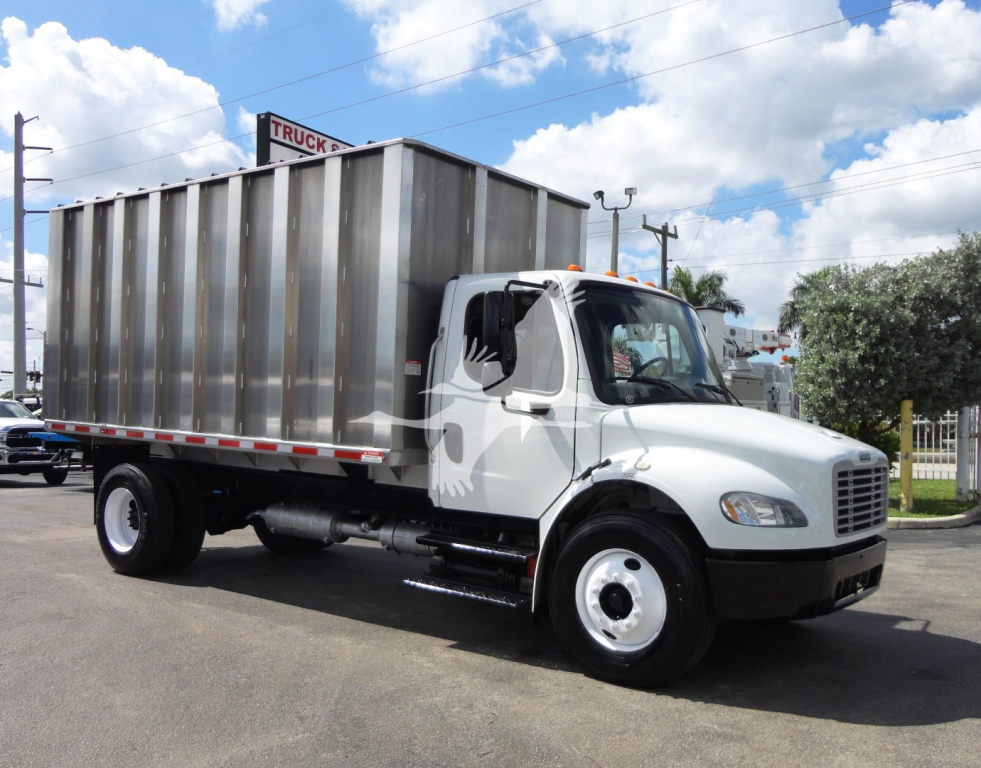
Common 2014 truck specs vary widely by class. Medium-duty models often appear in Class 5 through Class 7 ratings for delivery, municipal, landscape, and contractor work, while heavy-duty Class 8 trucks cover regional haul, construction, refuse, and over-the-road applications. You will see engines from Cummins, PACCAR, Detroit, Volvo, Mack, and Navistar depending on make and configuration. Typical transmission choices include 10-speed and 13-speed manuals, Allison automatics in vocational trucks, and automated manuals like I-Shift, mDRIVE, and PACCAR automated options in some highway applications. Buyers should also compare brake type, air ride versus spring suspension, differential lock setup, fuel capacity, tire size, and fifth wheel or body-mount specifications.
Condition matters as much as spec on a 2014 truck. Rust, frame corrosion, cab mount wear, electrical issues, PTO function, and body or bed integrity can change the value of a truck quickly, especially on dump, plow, municipal, or winter-service units. For tractors, pay attention to idle hours, previous fleet use, engine brake operation, and signs of deferred maintenance around the aftertreatment system. A well-spec'd 2014 truck still has real working life left if the chassis matches the job and the maintenance history supports it.
Frequently Asked Questions about 2014 Trucks
What should I check first when buying a 2014 truck?
Start with the intended job, then confirm the truck’s chassis and drivetrain match that use. A buyer should verify GVWR or GCWR, axle configuration, wheelbase, suspension, engine horsepower and torque, transmission type, and any PTO or body requirements. After that, review maintenance records closely, especially for emissions components, cooling system work, transmission service, suspension wear, and brake history. On a 2014 model, the service file often tells you more than appearance alone.
Do 2014 trucks have DEF and modern emissions systems?
Most 2014 diesel trucks are equipped with DPF and SCR emissions systems and require diesel exhaust fluid. That means buyers should inspect the aftertreatment system carefully for fault history, forced regens, sensor replacements, DEF pump issues, doser problems, and EGR-related repairs. A clean-running truck with documented emissions maintenance is usually a better value than a lower-priced unit with active warning lights or missing service history.
Is a 2014 truck still a good choice for commercial work?
Yes, a 2014 truck can still be a strong commercial asset if the spec is correct and the maintenance has been consistent. Many 2014 trucks remain attractive because they offer lower purchase cost, established parts availability, and proven drivetrains. The key is matching the truck to the route, payload, and duty cycle. A properly maintained 2014 day cab, dump truck, or medium-duty chassis can still perform well in regional haul, construction, municipal, and local delivery work.
What mileage is too high for a 2014 truck?
There is no single mileage cutoff because usage type matters as much as the odometer. A highway tractor may accumulate high miles with relatively steady operating conditions, while a vocational truck can show lower miles but much heavier stop-and-go wear, PTO hours, or idle time. Buyers should look at engine hours, idle hours, maintenance intervals, drivetrain repair history, and overall chassis condition. A higher-mile truck with strong records can be a better buy than a lower-mile truck with poor upkeep.
Which specs matter most on a 2014 vocational truck?
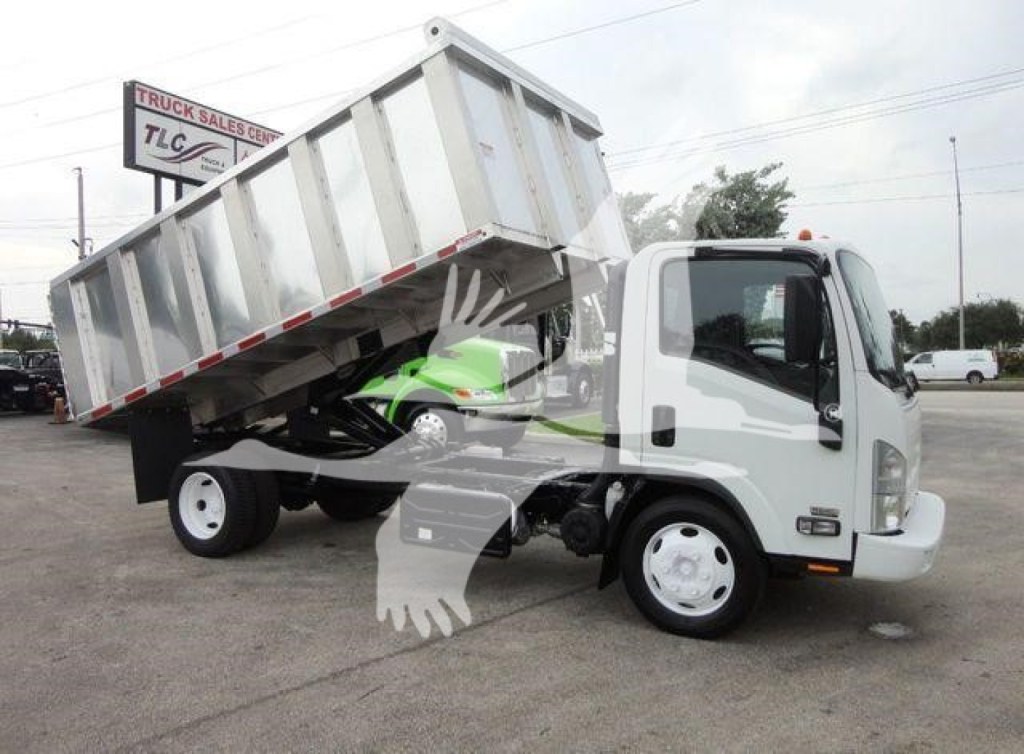
On a 2014 vocational truck, front axle rating, rear axle capacity, suspension type, frame strength, PTO setup, and body condition usually matter most. For dump, mixer, plow, or municipal work, buyers should also check hydraulic operation, hoist condition, crossmember integrity, wiring quality, and corrosion around the body and undercarriage. A vocational truck succeeds or fails on jobsite durability and upfit condition more than cab trim or cosmetic appearance.