
2014 Grapple Trucks For Sale
Browse 2014 grapple trucks for brush, storm debris, waste, and scrap hauling, including common boom, body, axle, and drivetrain considerations.
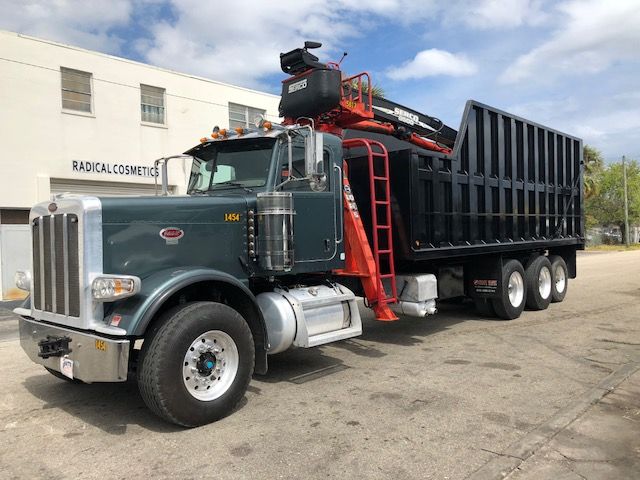
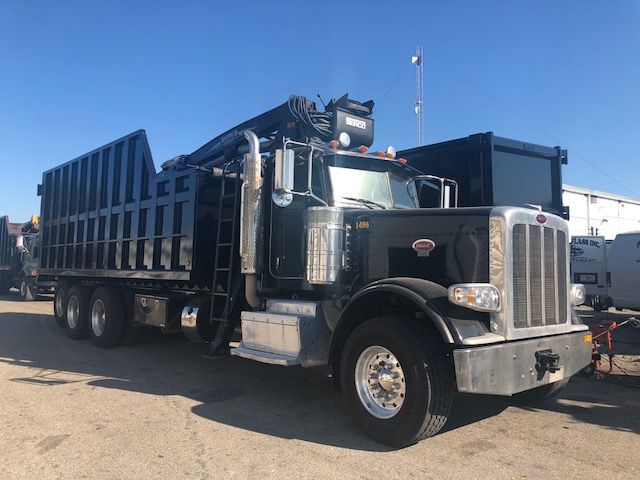
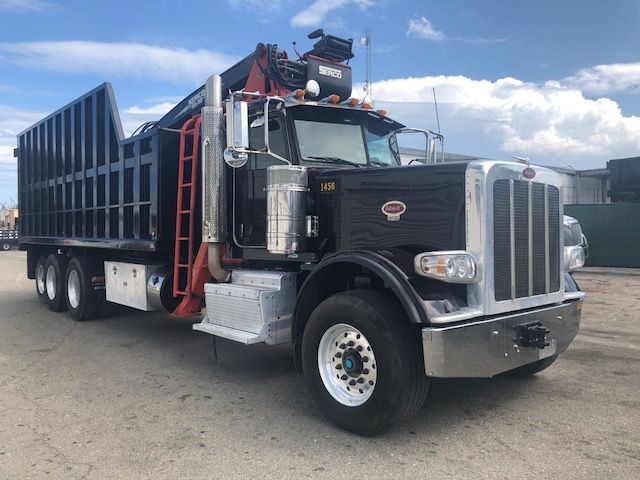
Selling a 2014 grapple truck? List your 2014 grapple truck for sale and reach thousands of commercial buyers.
2014 Grapple Trucks
The key buying decision is the full package, not just the chassis. A strong 2014 grapple truck should be evaluated by crane model, boom reach, rotation, grapple condition, hydraulic pressure and cycle speed, body construction, and hoist design. Extended-boom setups can improve curbside pickup efficiency, but they also put more stress on pins, bushings, turret bearings, and subframe components. On the truck side, many buyers prefer heavy front axle ratings and locking rears because grapple trucks spend time off pavement, on soft shoulders, and in uneven rights-of-way. Engines in this class often include mid-to-high horsepower diesel platforms paired with manual, automated manual, or full automatic transmissions depending on the route and operator preference.
For a used 2014 model, body and hydraulic wear usually tell the real story. Look closely at the boom base, stick sections, cylinder mounts, outrigger structure, turntable, and weld repairs around the body rails and tailgate area. Check for excessive play in the grapple, oil leaks at valves and cylinder seals, and signs of heat damage or contamination in the hydraulic system. Dump bodies used in brush and storm debris service may show less floor wear than scrap applications, but hinge points, door seals, tarping components, and body lift cylinders still deserve attention. If the truck is tri-axle, confirm axle placement and bridge compliance for your state, especially if the body is long and the truck will operate near legal weight limits.
Operating cost on a 2014 grapple truck comes down to application fit. For municipal and tree-route work, visibility, turning radius, joystick layout, and reliable PTO engagement can matter as much as engine size. For private fleet debris and waste work, buyers often focus on payload capacity, body cleanout, steel type, and how quickly the boom can cycle from pick to dump. A well-matched 2014 grapple truck can still be a productive vocational unit if the crane, hydraulics, and chassis have been maintained as one system. Buyers comparing listings should weigh hours on the crane, type of material handled, and structural condition just as heavily as mileage on the truck.
Frequently Asked Questions about 2014 Grapple Trucks
What is a 2014 grapple truck commonly used for?
A 2014 grapple truck is commonly used for brush pickup, storm debris removal, tree and limb collection, construction and demolition debris, and some scrap or waste handling. Most are built for stop-and-go vocational work where the operator loads material with a hydraulic boom and grapple directly into a dump body. The exact application depends on the crane size, grapple style, body capacity, and axle configuration.
What should I inspect first on a used 2014 grapple truck?
Start with the crane and hydraulic system because that is usually the most expensive part of the package to repair. Inspect boom pins and bushings, turntable wear, cylinder leaks, hose condition, outrigger stability, and grapple jaw alignment. After that, check the dump body floor, sidewalls, hoist, rear door hardware, frame rails, PTO operation, and any evidence of structural cracking or weld repairs around the subframe and body mounts.
Is a tri-axle 2014 grapple truck better than a tandem axle?
A tri-axle setup can be a better choice when body size is larger, bridge laws are stricter, or the truck needs more legal payload capacity and stability. Tandem axle trucks can be easier to maneuver and may cost less to maintain, which can be an advantage on tighter municipal or residential routes. The better configuration depends on your state weight laws, jobsite access, and the type of material being hauled.
What boom and body specs are common on 2014 grapple trucks?
Many 2014 grapple trucks in the vocational market carry 40 to 50 yard dump bodies and hydraulic cranes with rotating booms designed for brush, bulky waste, and debris. Boom reach, rotation range, and grapple width vary by manufacturer and intended use. Buyers should match the crane's reach and lifting ability to the body length and the loading environment so the truck can work efficiently without overextending the boom on every pick.
How important are crane hours compared to truck mileage on a 2014 grapple truck?
Crane hours are often just as important as, and sometimes more important than, truck mileage. A grapple truck may accumulate moderate road miles while still seeing heavy crane use every day. High crane hours can mean more wear in the hydraulic components, turntable, pins, bushings, and grapple assembly, so buyers should evaluate both the chassis service history and the working condition of the loading equipment.