
2014 Grapple Trucks For Sale in Florida
Shop 2014 grapple trucks for sale in Florida. Compare loader size, body capacity, axle setup, and chassis specs for debris and waste work.
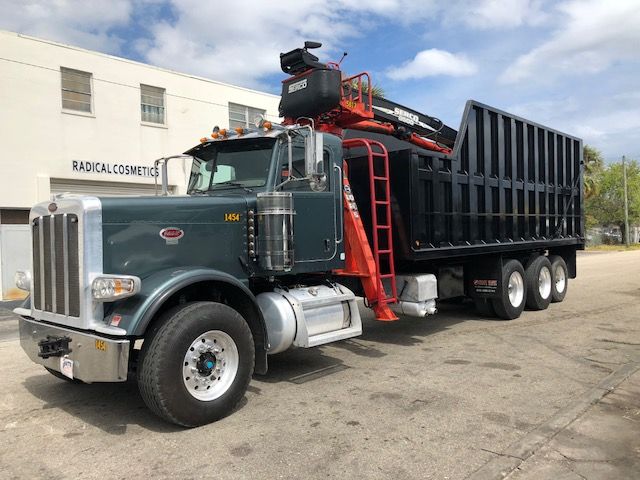
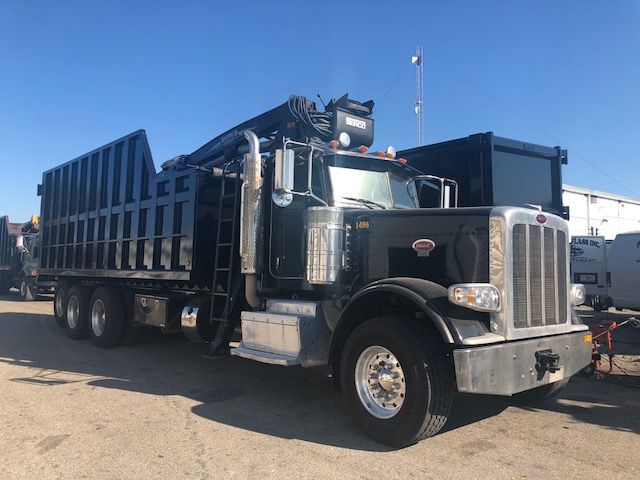
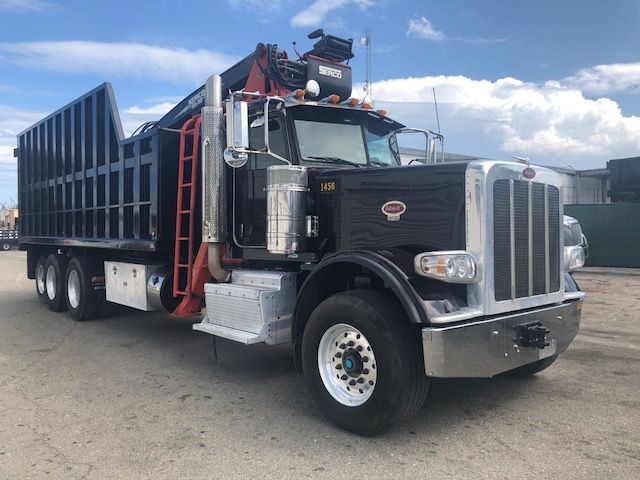
Selling a 2014 grapple truck? List your 2014 grapple truck for sale and reach thousands of commercial buyers.
2014 Grapple Trucks in Florida
On a 2014 model year, expect to see engines in the 400 to 550 hp range, often matched to manual transmissions such as an 8LL, though some automatic transmissions appear in fleet and municipal applications. For grapple work, hydraulic performance matters as much as horsepower. Loader reach, continuous rotation, extension boom configuration, grapple type, and outriggers all affect production in the field. Waste grapples and brush grapples are common in Florida, where land clearing, hurricane cleanup, and vegetation removal can demand fast loading of bulky but relatively light material. A rear hitch can also add value for crews moving support equipment between jobs.
Body construction deserves close attention because grapple trucks live a hard life. High-sided debris bodies, new replacement dumps, and reinforced floors are common selling points in this category. Check the body volume against the axle setup, because a 50-yard body on a tri-axle truck serves a different operation than a smaller body on a tandem. Suspension type, frame condition, steer axle capacity, and pusher or tag axle configuration all affect legal operation and durability. In Florida, corrosion is usually less of an issue than in northern markets, but buyers should still inspect hydraulic lines, cylinder seals, boom pins and bushings, tailgate fit, and the overall condition of the subframe and hoist.
The best 2014 grapple trucks are the ones with a balanced spec, not just a strong chassis or a large loader. A well-matched truck should have enough engine and transmission for stop-and-go vocational duty, a loader sized for the body and material stream, and axle capacity that supports legal payload without overstressing the frame. Buyers comparing multiple used grapple trucks should pay close attention to loader hours, PTO operation, maintenance history, and signs of structural repair around the boom mount and body rails. In this category, uptime comes from hydraulic health, proper upfit design, and a chassis that was built for severe-service work from the start.
Frequently Asked Questions about 2014 Grapple Trucks in Florida
What should I look for first when buying a used 2014 grapple truck?
Start with the loader, body, and axle configuration before focusing on cosmetic condition. The loader brand, model, reach, and grapple type determine how well the truck matches your work, while the body size and axle setup determine payload, maneuverability, and legal operation. After that, inspect PTO engagement, hydraulic cycle speed, boom pins, outriggers, hoist condition, frame rails, and any cracking or reinforcement around the loader mount.
Are tri-axle grapple trucks better than tandem axle models?
Tri-axle grapple trucks usually make more sense when you need a larger debris body, higher legal carrying capacity, or a heavier loader package. Tandem axle trucks can be a better choice for tighter routes, lower operating weight, and easier maintenance. The right choice depends on the material being hauled, local bridge and axle laws, transfer station distances, and how much time the truck spends off-road or in neighborhoods with limited access.
What loader brands and setups are common on grapple trucks from this era?
On 2014-era grapple trucks, buyers commonly see loaders from Serco and Rotobec, along with other vocational crane manufacturers depending on the original upfit. Popular configurations include extended boom designs, continuous rotation, and waste or brush grapples sized for bulky debris. The best setup depends on your material stream, because a truck used for storm cleanup or tree debris may need a different grapple and reach than one handling mixed waste or construction debris.
How important are engine and transmission specs on a grapple truck?
They matter, but not in the same way as on a highway tractor. Grapple trucks spend much of their day in stop-and-go service, idling at jobsites, and powering hydraulic equipment through the PTO. A durable vocational engine in the right horsepower range and a transmission geared for low-speed work can be more valuable than chasing maximum horsepower. Buyers should also consider engine brake function, cooling system condition, PTO compatibility, and how well the drivetrain supports repeated starts, short hauls, and jobsite maneuvering.
Is a 50-yard body a good size for Florida debris and waste work?
A 50-yard body is a common and useful size for brush, storm debris, and other light, bulky material, especially in Florida markets where vegetation cleanup is frequent. The body still has to be matched to the axle ratings, frame strength, and type of material hauled. If the truck is handling heavier C&D or wet waste, body volume alone can be misleading because legal payload can be reached long before the body is full.