
2014 Kenworth Trucks For Sale
Guide to 2014 Kenworth trucks: T680, T880, W900 specs, MX-13 vs ISX15, transmissions, features, and buying tips for highway and vocational use.
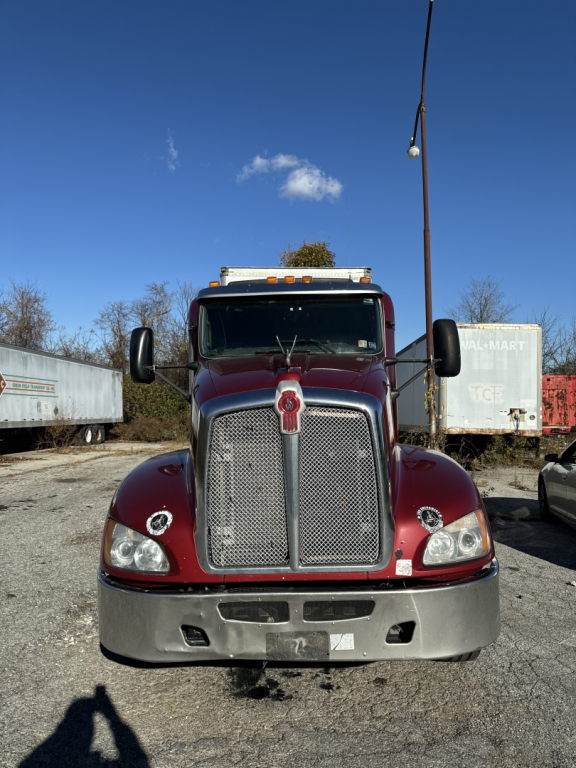
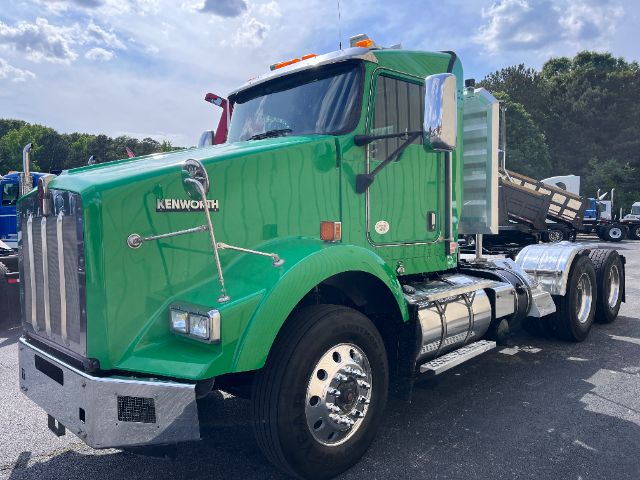
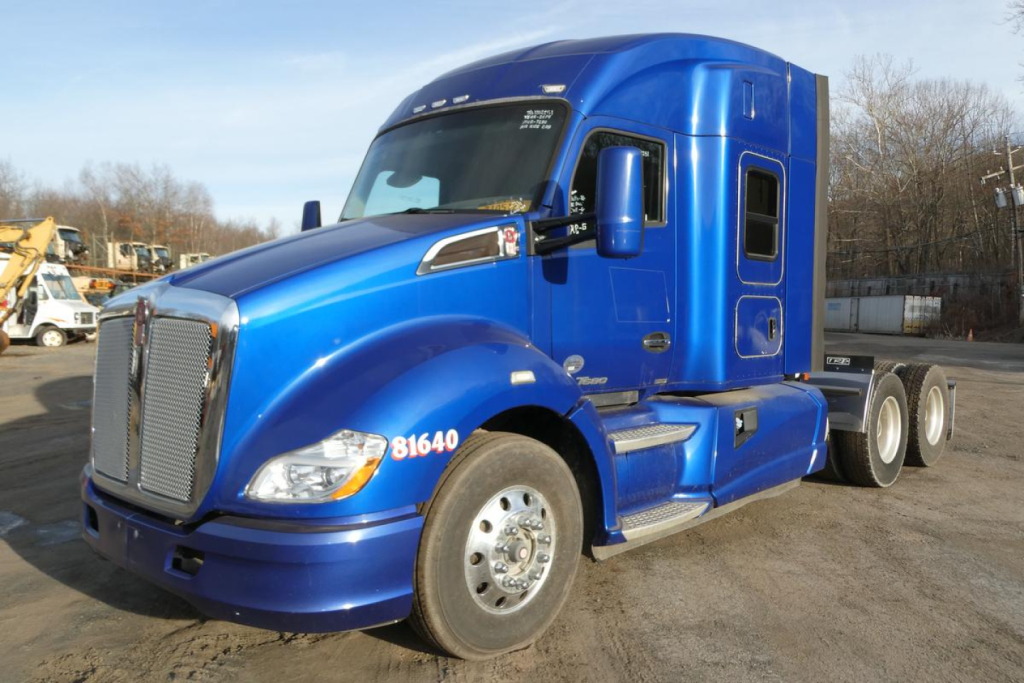
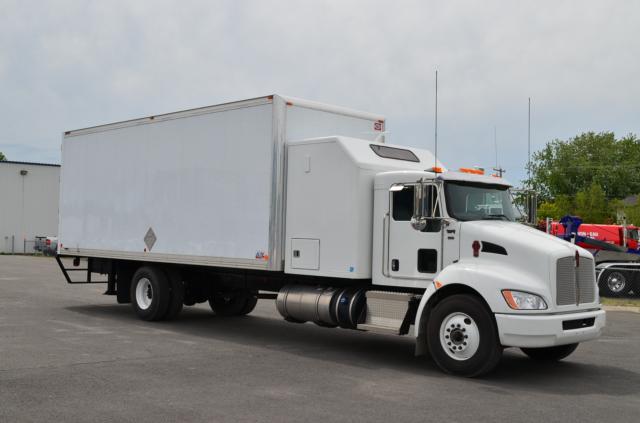
Selling a 2014 kenworth truck? List your 2014 kenworth truck for sale and reach thousands of commercial buyers.
2014 Kenworth Trucks
Model selection comes down to duty cycle. The T680 is the aero highway tractor aimed at long haul efficiency with 52, 62, and 76 inch sleepers and full side fairings. T660 appears in this year as well, but the T680 has the quieter cab and better aerodynamics. For classic long-hood appeal and room to wrench, the W900 trades some fuel economy for service access and driver preference. Vocational buyers gravitate to T800 and early T880 units for dumps, mixers, and lowboy work, with set-back steer axles, double-frame options, and 20k steer with 46k rears available. Transmission pairings range from Eaton Fuller 10, 13, and 18 speed manuals to UltraShift Plus AMTs, with axle ratios typically 2.64 to 3.36 for highway aero specs and 3.70 or deeper for heavy haul.
Cab and chassis options in 2014 are worth a close look. Kenworth interiors span fleet to Diamond VIT trim with good insulation and quiet cabs. Battery-powered HVAC or diesel APUs reduce idle time and aftertreatment stress. Air disc brakes were available and improve stopping distance and heat management compared to drums but add cost at replacement. Bendix roll stability and early collision mitigation systems may be present. Wheelbase, 5th wheel height, fairing configuration, wide-base singles vs duals, and 6x2 vs 6x4 all affect fuel burn, traction, and tire wear. For California and similar markets, 2014 engines meet Truck and Bus requirements, and a Clean Idle label helps with local idling rules.
On a pre-purchase inspection, focus on items that move the needle. Verify DPF ash load and SCR dosing performance, check for DEF crystal buildup, inspect EGR cooler and charge air system for leaks, and confirm regens occur without forced events. Review clutch wear on manuals and AMT clutch life, examine driveline U-joints and carrier bearings, and check suspension bushings on AG380, AG400L, or AG460 setups. Look for frame corrosion around crossmembers and fifth wheel mounts, test sleeper HVAC and APU, and pull oil and coolant samples. Align intended work with spec: a T680 with 2.64 to 2.79 rears and an overdrive AMT favors 65 mph cruise and high mpg, while a T880 with deep gears, 18 speed, and heavy suspension is set for vocational loads. Price should reflect miles, idle hours, aftertreatment condition, brake type, and tire life more than cosmetics.
Frequently Asked Questions about 2014 Kenworth Trucks
Which engine is the better pick in a 2014 Kenworth, PACCAR MX-13 or Cummins ISX15?
Choose based on duty cycle and service preferences. The MX-13 is lighter and typically returns strong fuel economy in 80k highway work, often spec’d 455 to 500 hp. The ISX15 offers broader high-power calibrations and is a common choice for heavier gross weights, mountainous routes, and vocational use. Both are reliable with proper upkeep. Let nearby dealer support, parts availability, and documented aftertreatment maintenance guide the decision.
Are 2014 Kenworth trucks compliant with California CARB rules?
2014 engines meet EPA 2010 emissions and typically satisfy the CARB Truck and Bus Regulation for on-road operation. Many units carry a Clean Idle label, which can be important for local idling restrictions. Drayage and certain fleet categories can have additional requirements, so confirm current CARB and port rules and match the engine family nameplate to the compliance you need.
What fuel economy can I expect from a 2014 T680 on highway duty?
Real-world results vary with spec, speed, terrain, and weather. A well-spec’d 2014 T680 with an MX-13, AMT, full aero, and low 2.6x to 2.8x rears commonly runs in the 6.5 to 8.5 mpg range at typical North American weights. Tire selection, alignment, idle time, and driver technique can swing results by a full mpg or more.
Is an automated manual transmission like Eaton UltraShift Plus a good choice in this model year?
UltraShift Plus pairs well with aero highway specs and reduces driver fatigue while protecting the driveline from abuse. It can improve consistency in fuel economy and shifting on grades. For frequent off-road or precise low-speed work, verify the clutch condition and that creep and hill-hold features function smoothly. Manuals remain favored in heavy vocational use where precise control and easier field service are priorities.
What should I inspect on the aftertreatment system before buying?
Request DPF service records and an ECM report showing regen history and active or inactive fault codes. Check DEF pump and doser operation, look for crystal buildup in lines, verify NOx sensors and ammonia sensor status, and confirm there are no exhaust leaks ahead of the SCR. A boroscope inspection of the DPF for cracking and a pressure test of the charge air system help avoid surprise downtime.