
Used Reefer Trailers For Sale
Browse used reefer trailers with 53-ft lengths, air ride, sliding tandems, and Thermo King or Carrier units for temperature-sensitive freight.
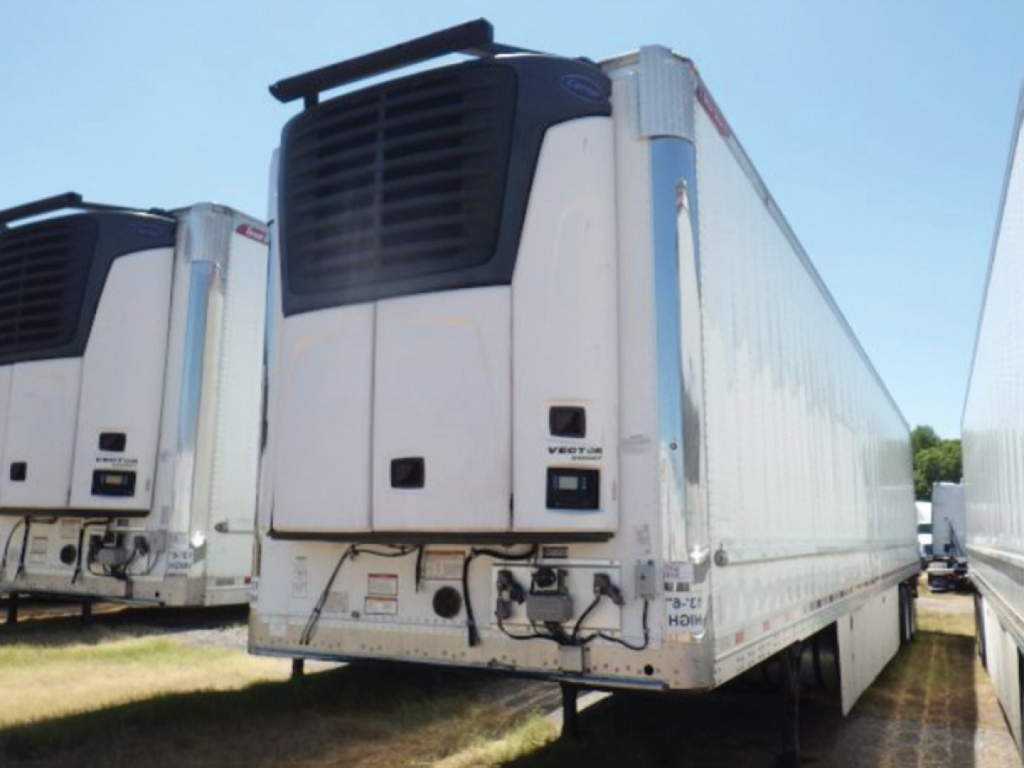
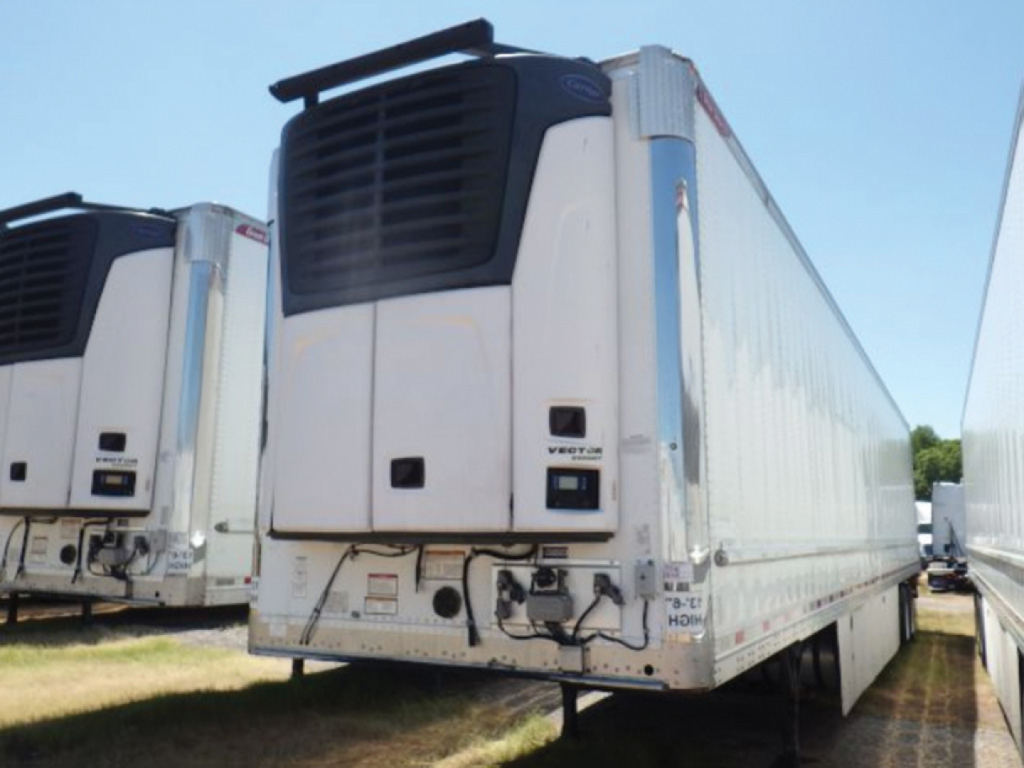
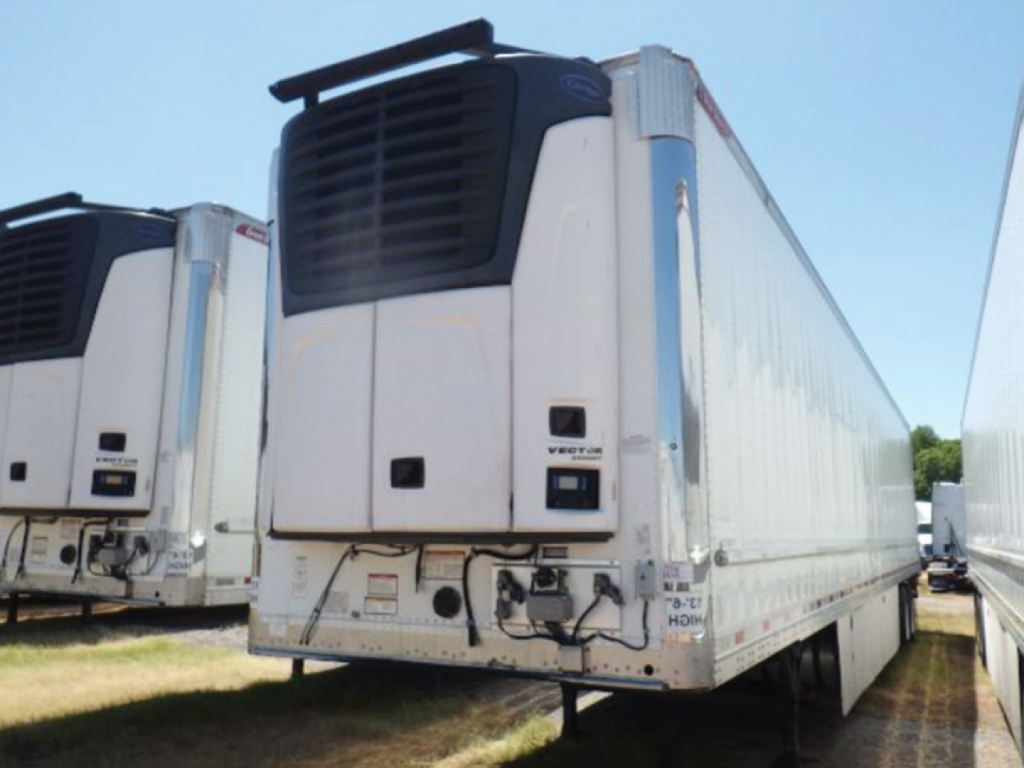
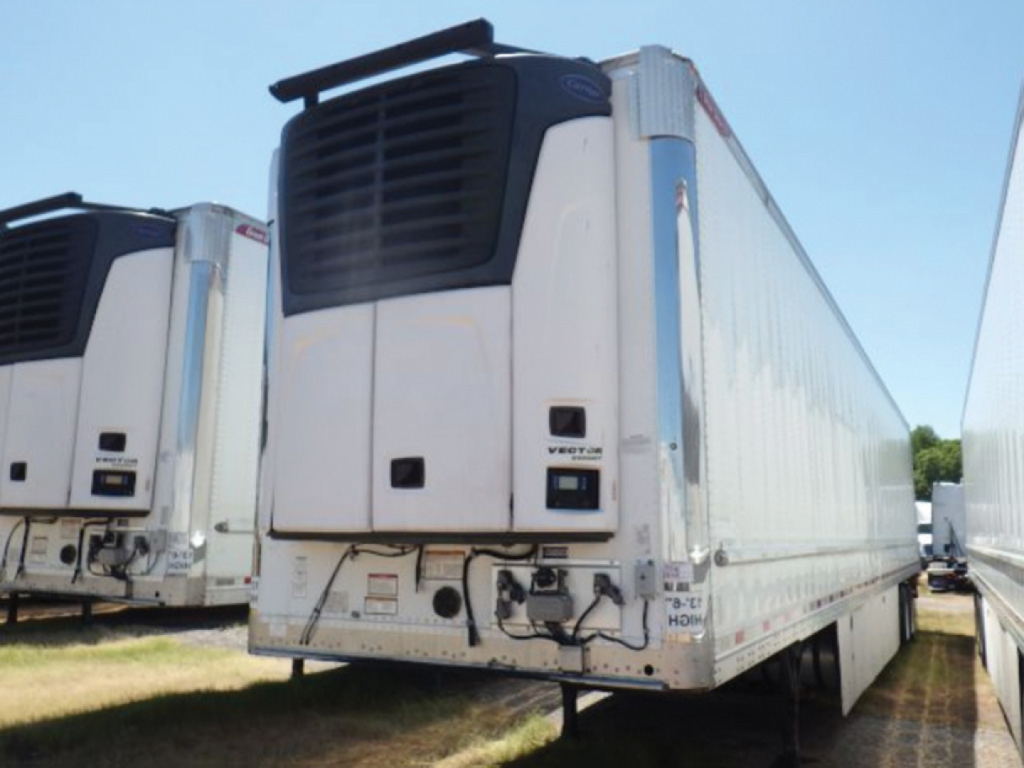
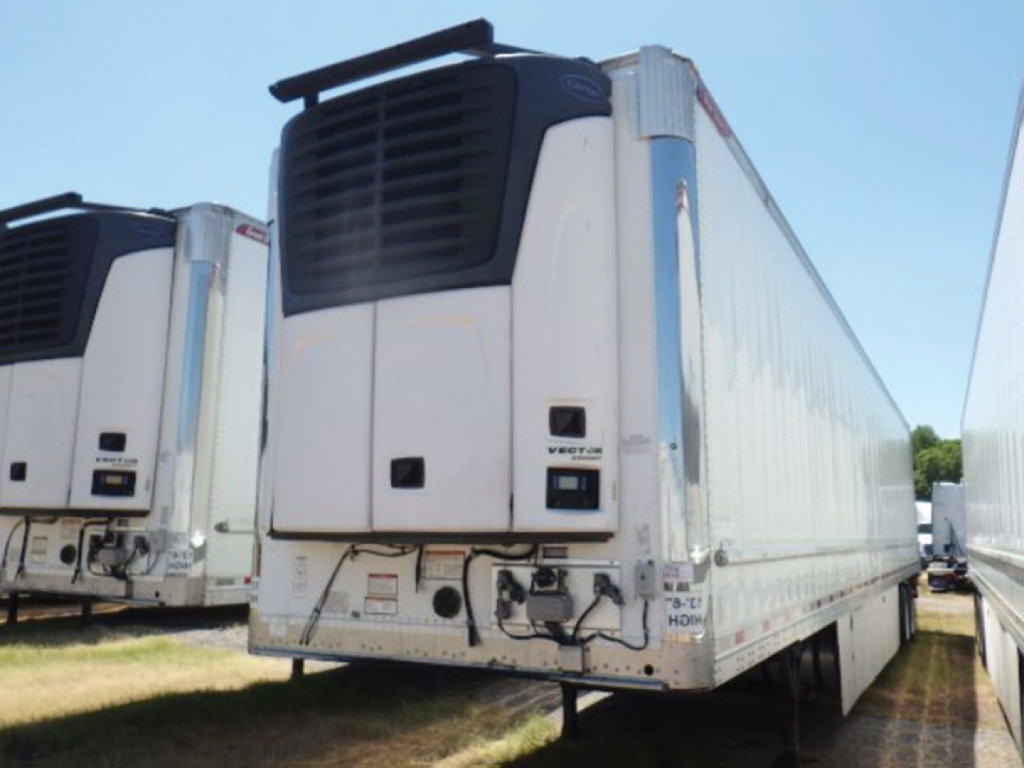
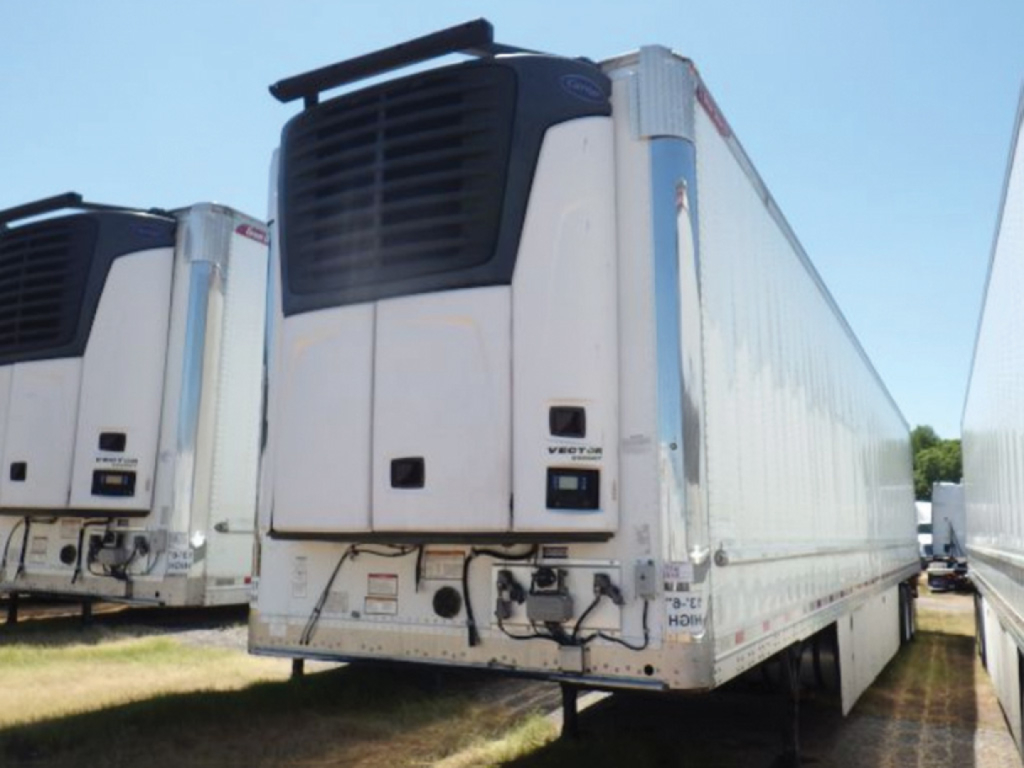
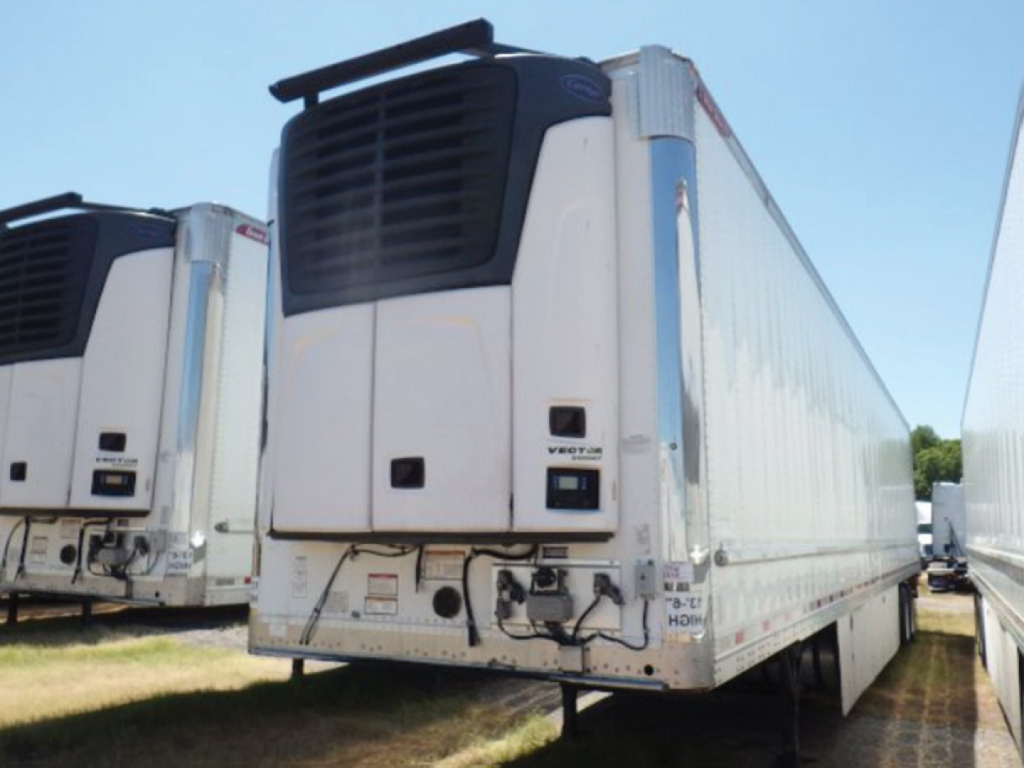
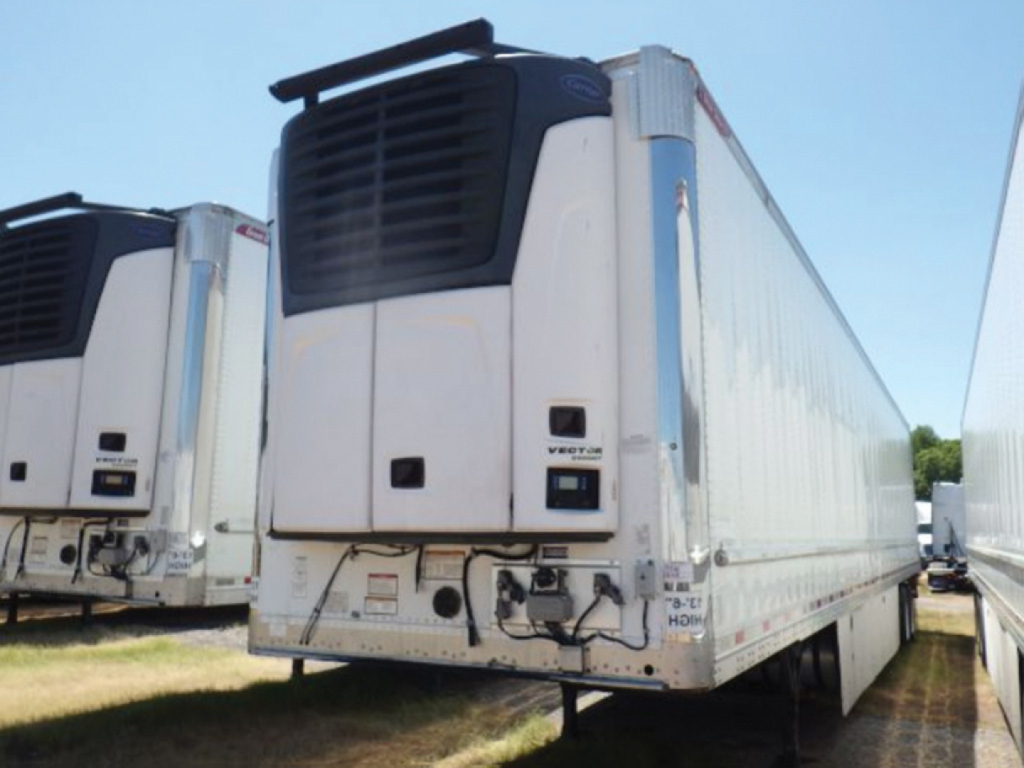
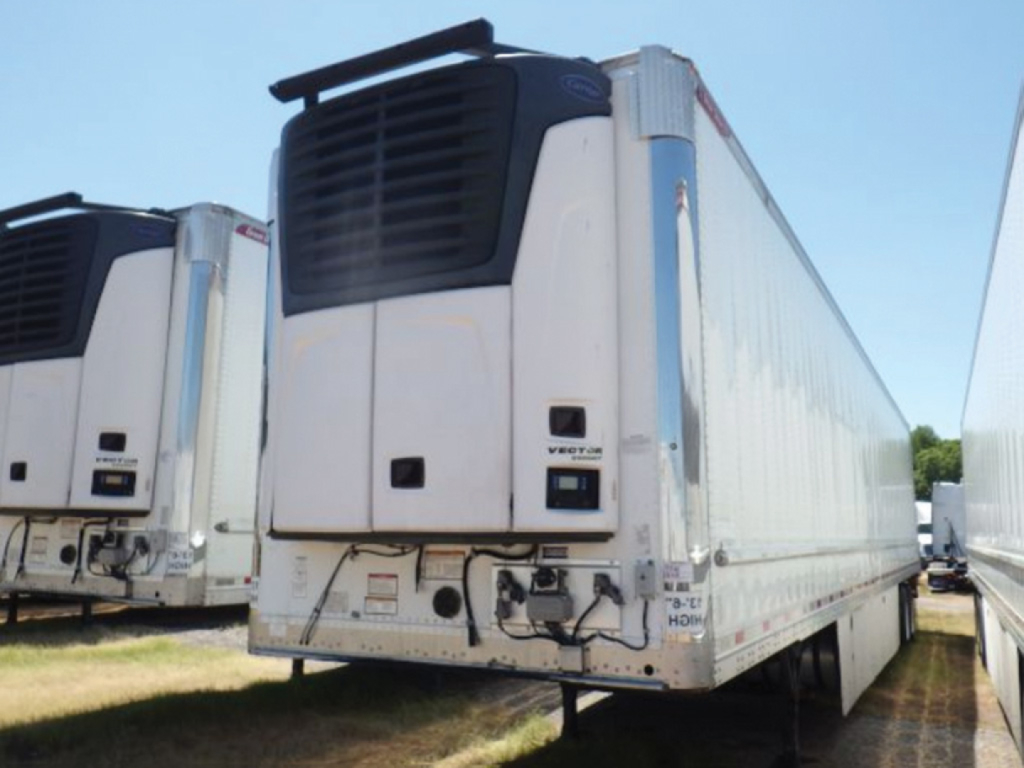
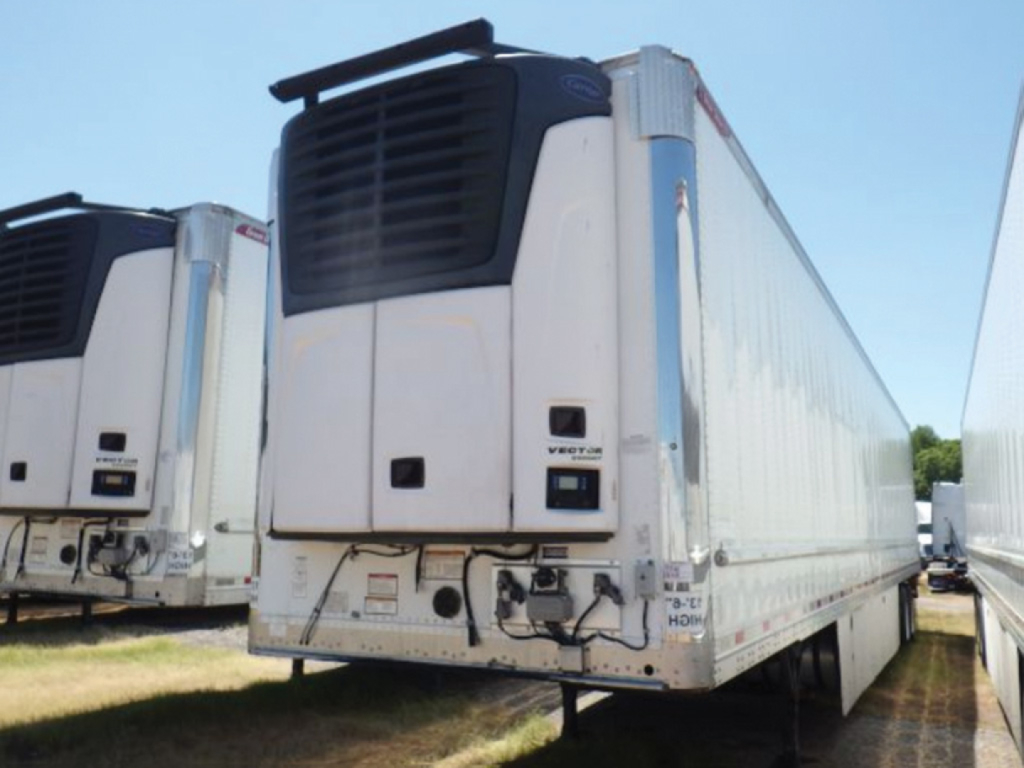
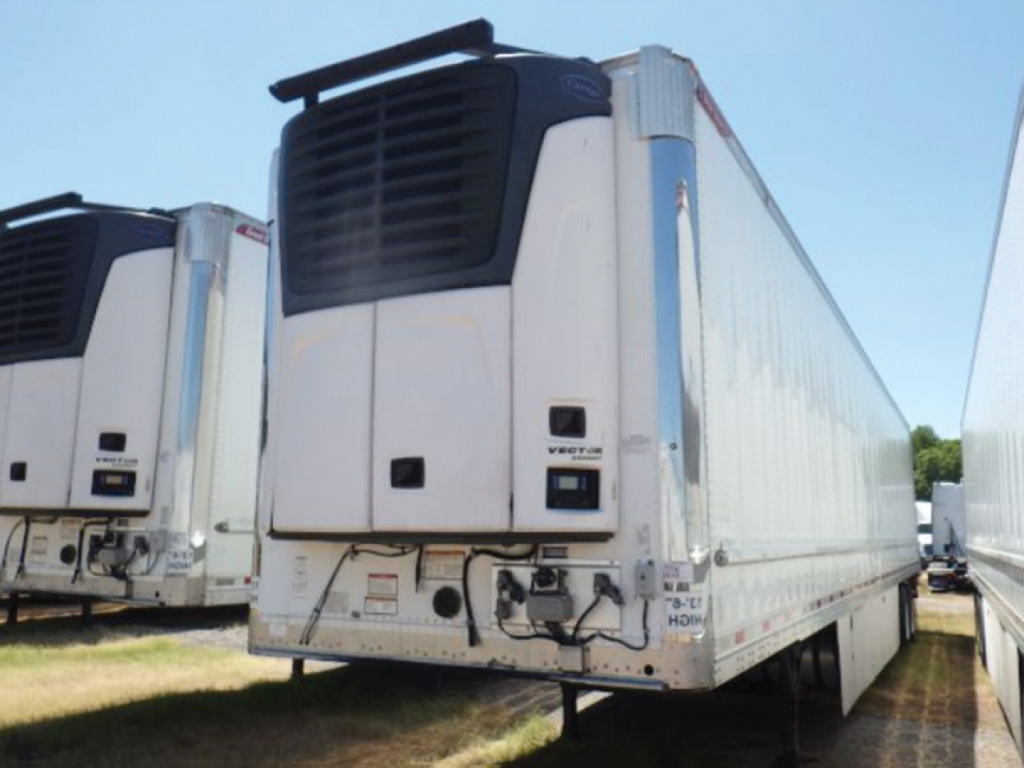
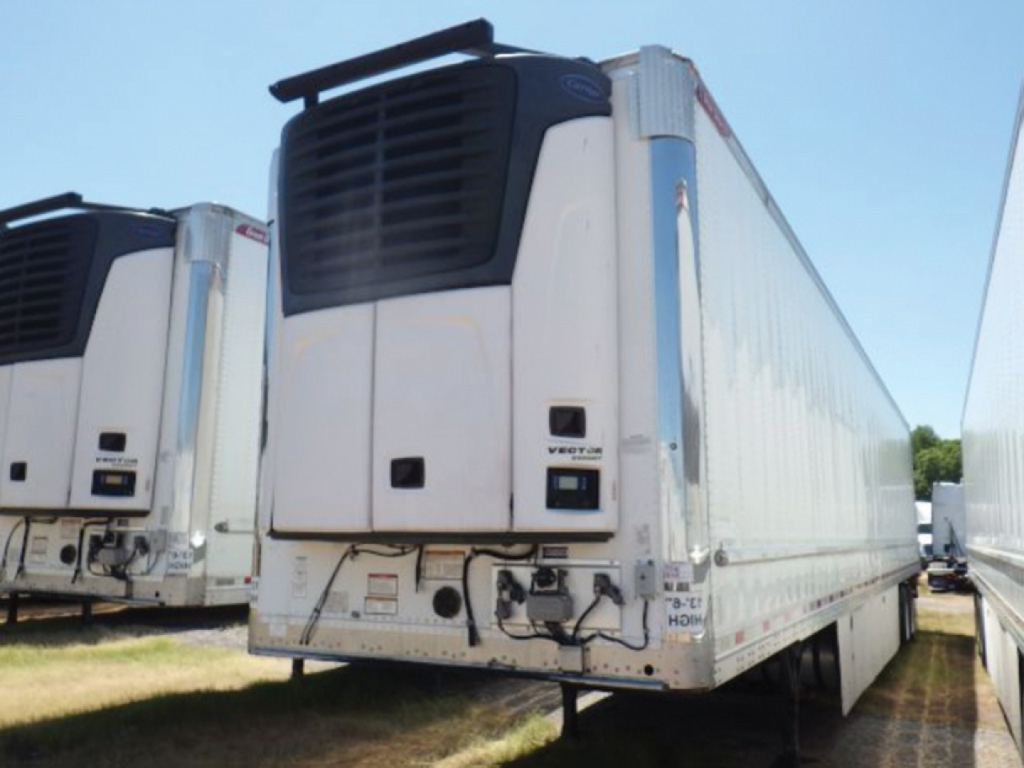
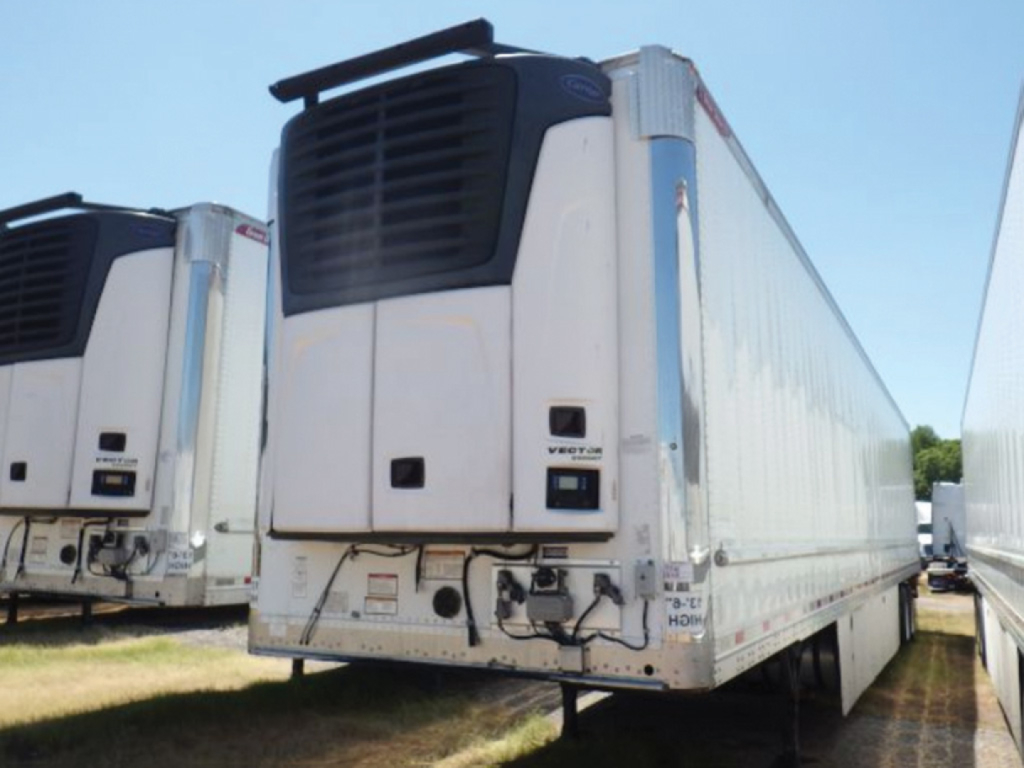
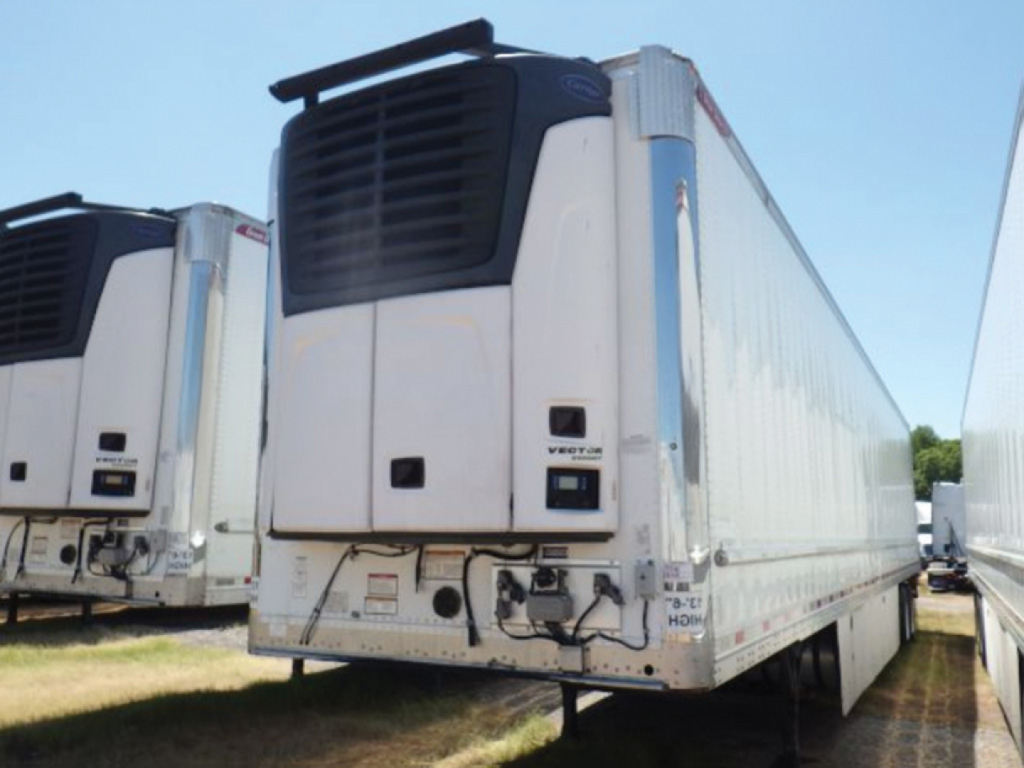
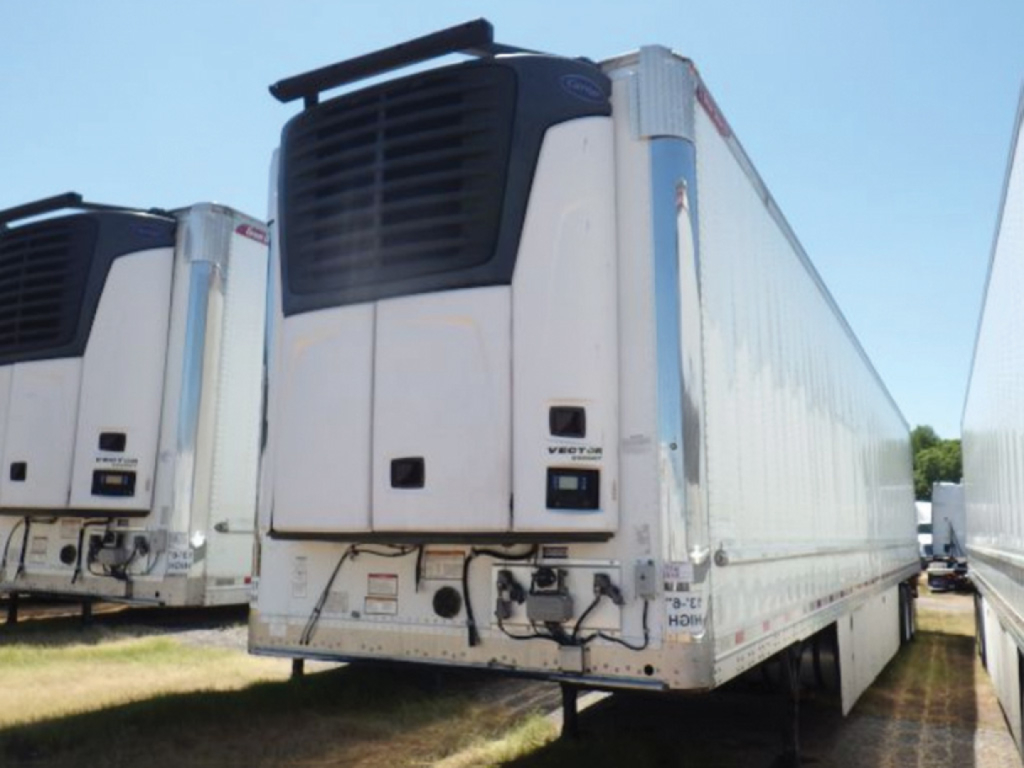
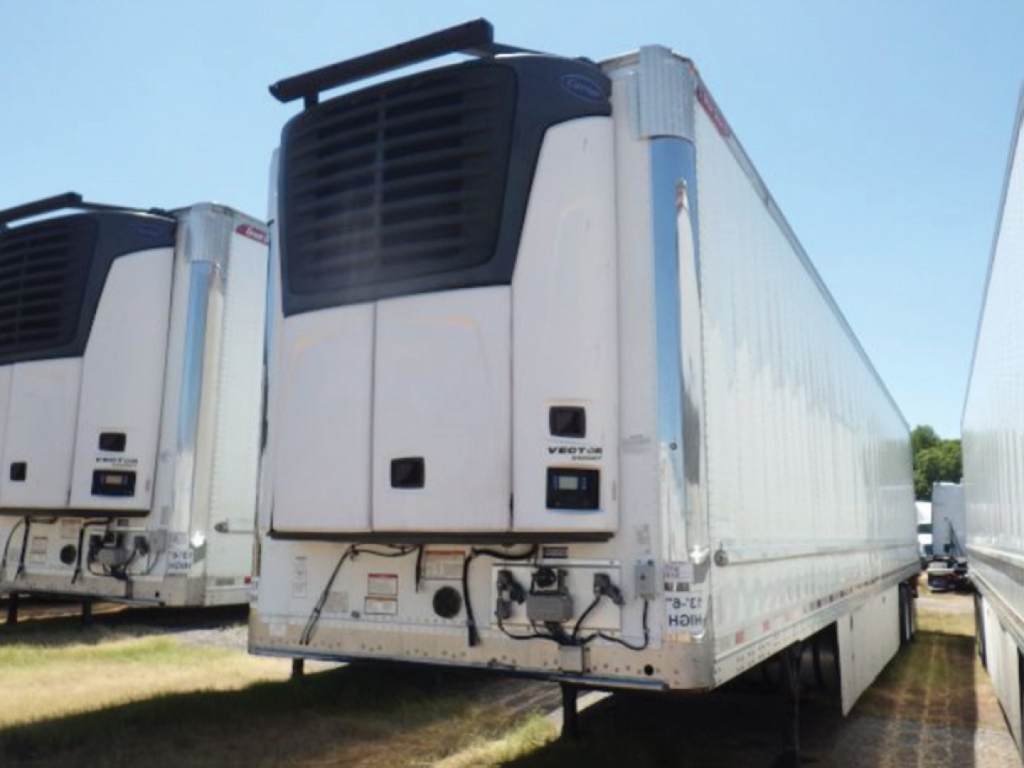
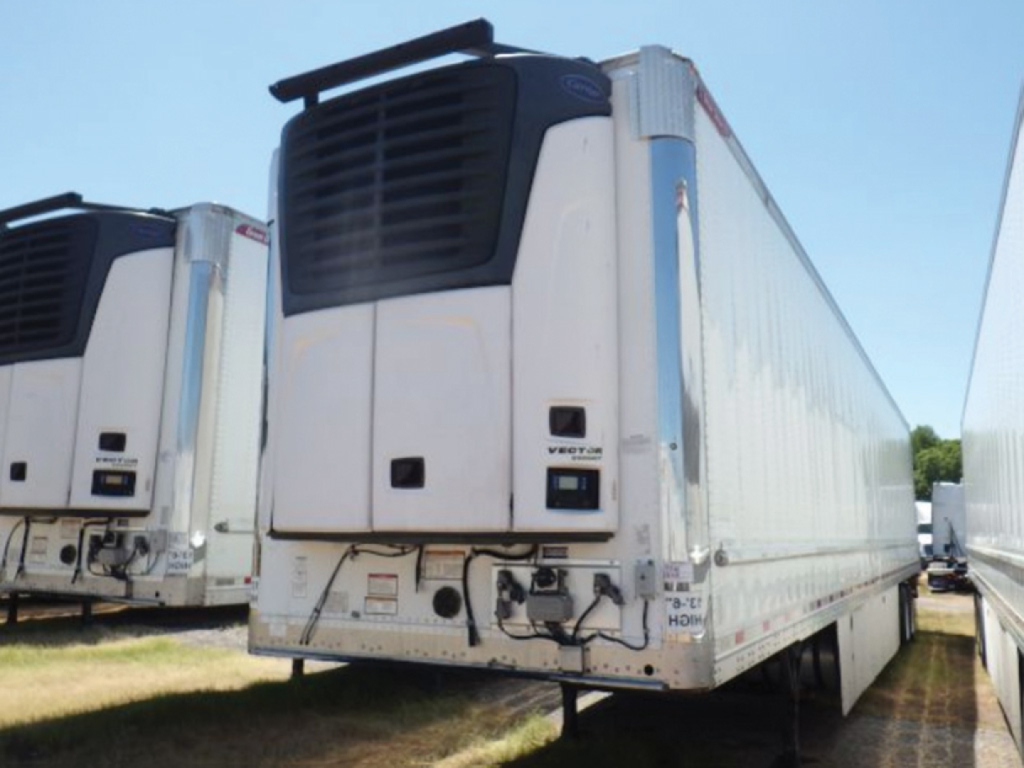
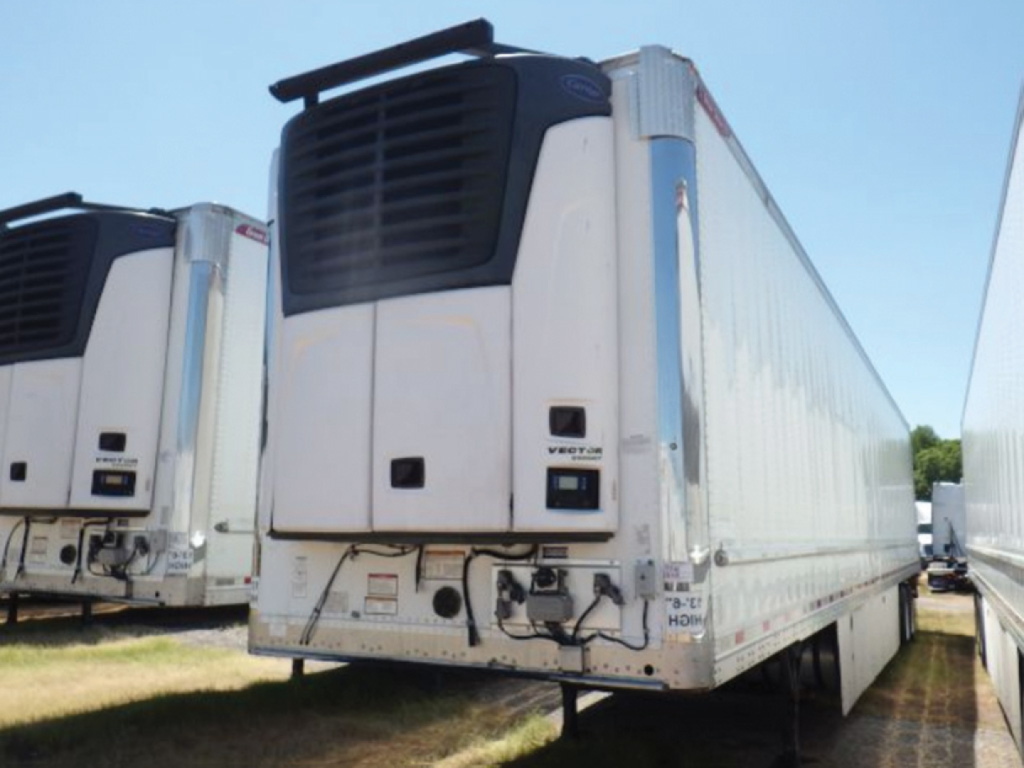
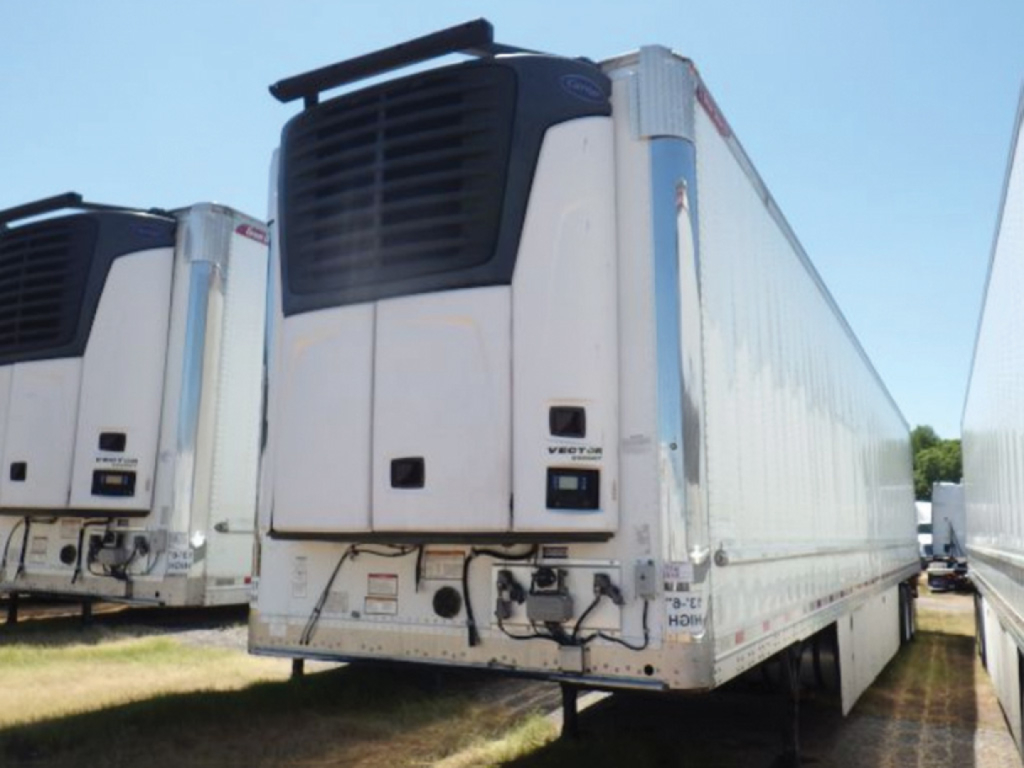
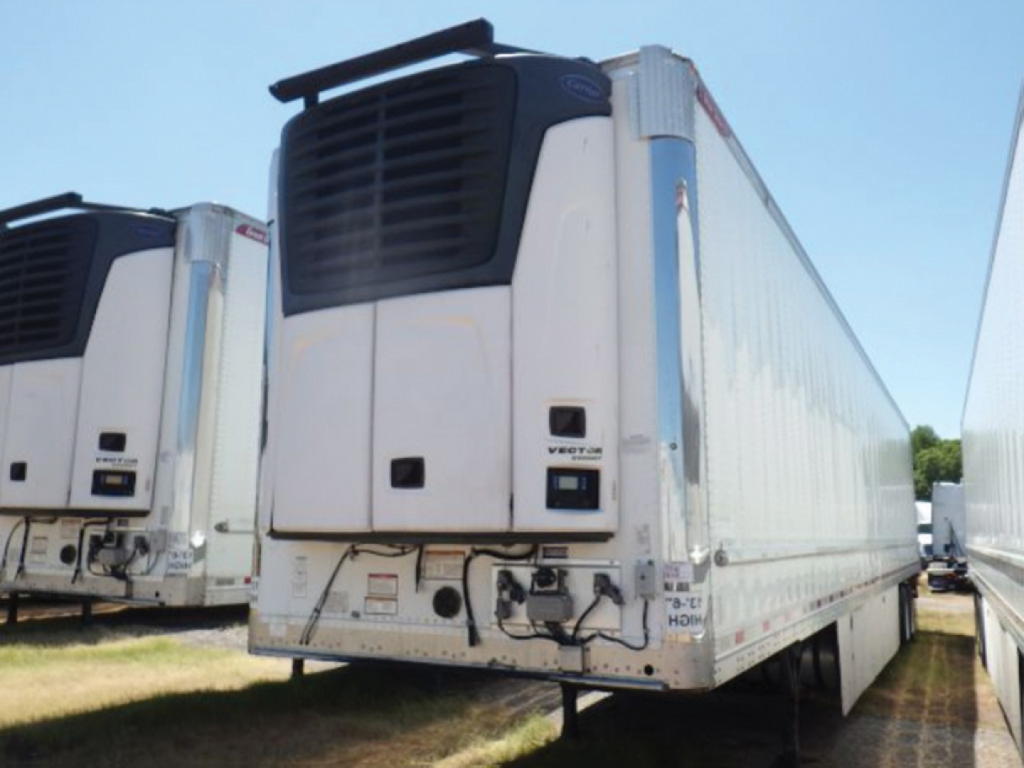
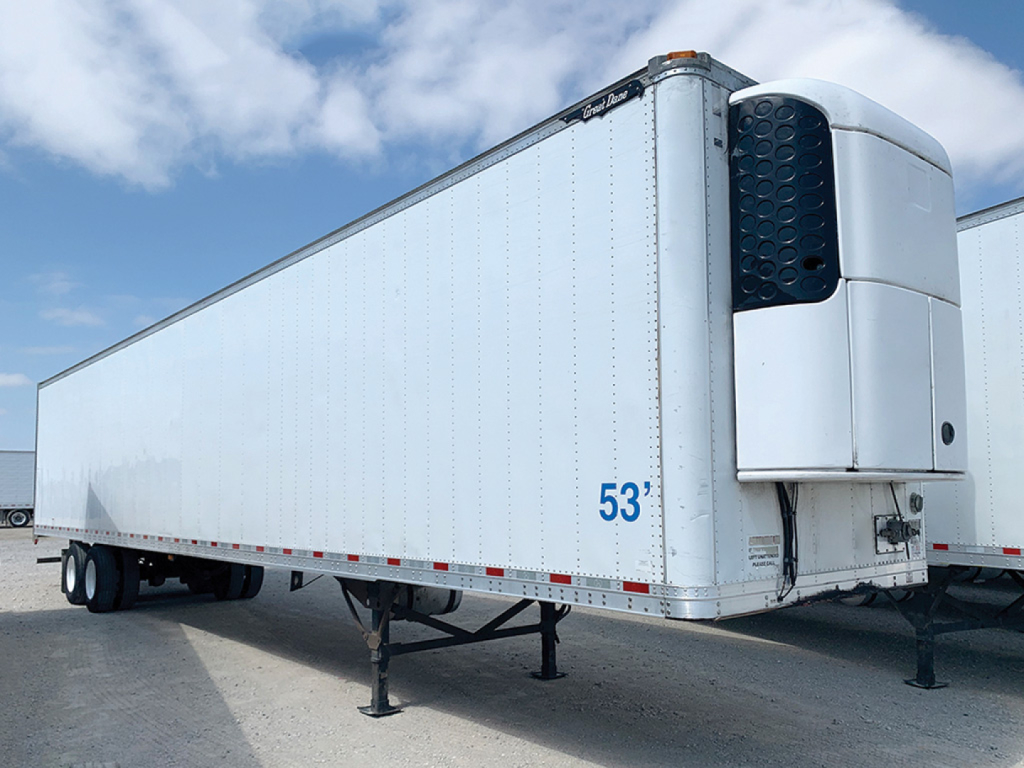
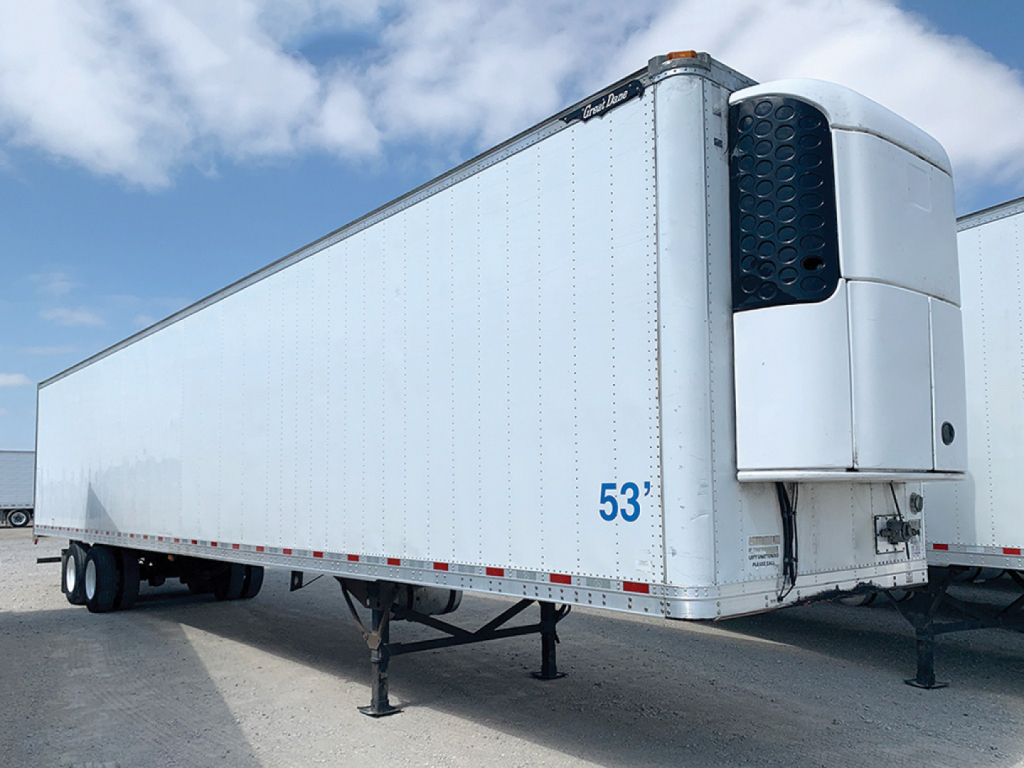
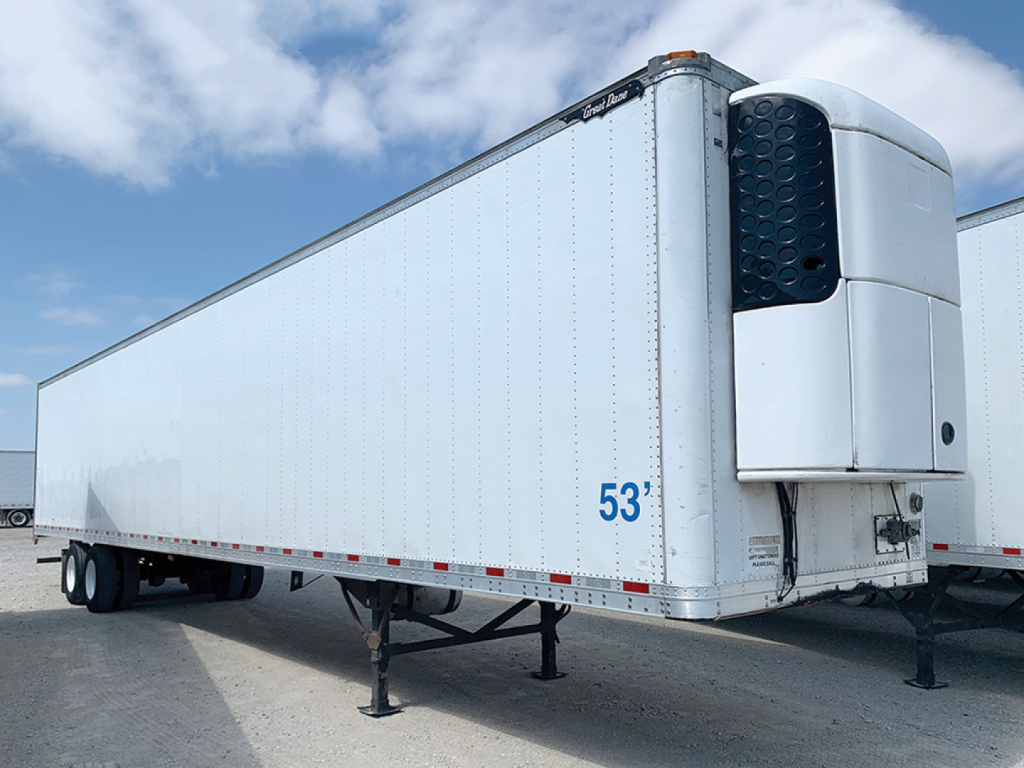
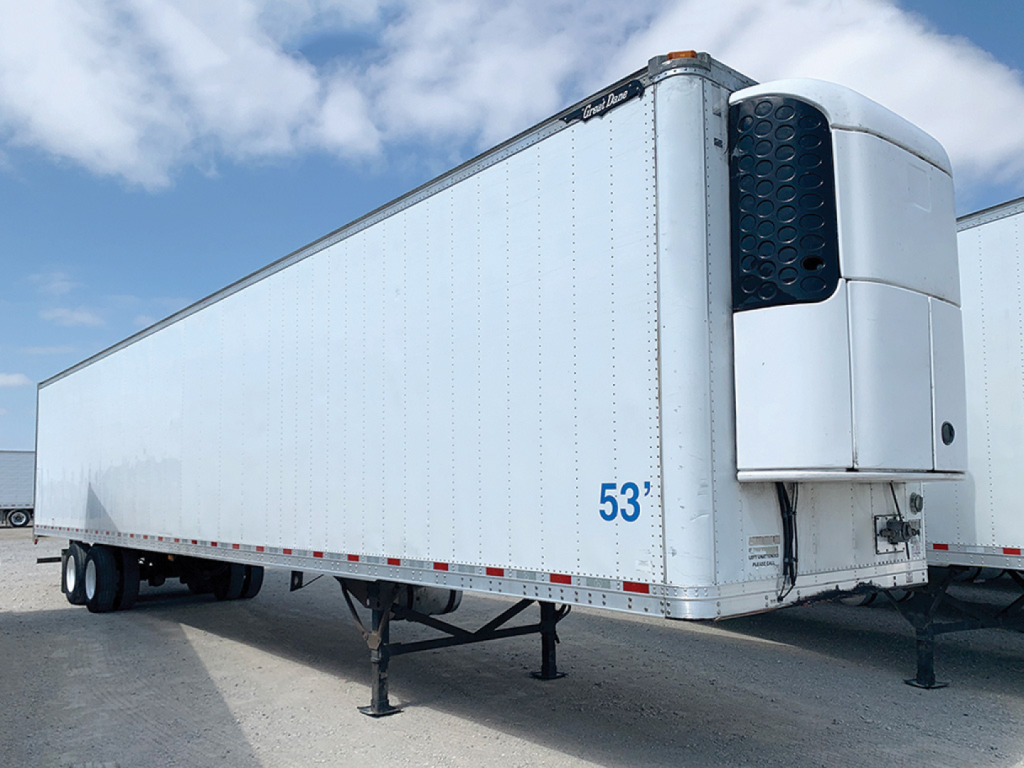
Showing 25 to 48 of 130 results
Have used reefer trailer to sell? List it here to reach thousands of buyers.
Used Reefer Trailers
The key spec decision is usually the refrigeration package. Common units include Thermo King Precedent and SB series systems, along with Carrier X4 series units. On a used reefer, buyers should pay close attention to engine hours, electric standby if equipped, maintenance records, pull-down performance, and how well the unit holds setpoint under load. It also helps to confirm whether the trailer is set up for frozen freight, fresh produce, dairy, meat, or multi-stop LTL work, since features like a cold chute, rear vent, return air bulkhead, and duct floor all affect airflow management and temperature recovery.
Trailer construction details have a direct impact on long-term operating cost. Aluminum duct floors are common because they support airflow under pallets while standing up to forklift traffic. Scuff liners or scuff plates help protect sidewalls in high-cycle loading, and stainless steel rear frames, door frames, and front radius panels hold up better in dock contact and corrosive environments. Air ride suspension, sliding tandems, low-profile 22.5 tires, disc brakes, side skirts, and tire inflation systems are all desirable on used reefer trailers because they improve ride quality, bridge compliance, serviceability, and fuel efficiency.
Condition matters more on used reefers than on many dry vans because insulation, doors, and refrigeration components all age differently. Check for floor wear, wall delamination, light leaks, door gasket condition, evaporator cleanliness, and signs of previous repairs around the bulkhead or front wall. Inside height can also matter if you are loading high-cube pallets, and rear door style affects dock use and seal life. For buyers moving grocery, produce, pharmaceuticals, floral, or other perishables, the best used reefer trailer is the one with a solid box, a documented service history, and a refrigeration unit that matches the lane, stop count, and temperature range of the freight.
Frequently Asked Questions about Used Reefer Trailers
What should I look at first when buying a used reefer trailer?
Start with the refrigeration unit and the integrity of the insulated trailer body. Verify reefer engine hours, service history, recent repairs, and how quickly the unit pulls down to temperature. Then inspect the trailer for floor damage, wall delamination, door seal wear, air leaks, and signs of water intrusion. A used reefer can look clean outside and still have expensive issues in the unit, insulation, or airflow system.
What are the most common specs on a used reefer trailer?
Most used reefer trailers on the market are 53 feet long, 102 inches wide, and 13 feet 6 inches tall, usually with air ride suspension and sliding tandems. Common features include aluminum duct floors, scuff liners, swing doors, stainless steel rear frames, and 22.5 low-profile tires. Many also include disc brakes, side skirts, tire inflation systems, and refrigeration units from Thermo King or Carrier.
How important is the floor and airflow setup in a reefer trailer?
It is critical. A reefer trailer does not cool freight evenly unless air can move from the unit through the trailer and back as intended. Duct floors, cold chutes, return air space, and proper pallet loading all support temperature consistency. If the floor is crushed, blocked, or heavily worn, airflow suffers and product temperature can become uneven even when the reefer unit is operating correctly.
Are older reefer trailers still a good buy?
They can be, but only if the box and refrigeration system have been maintained. An older reefer with a sound floor, tight doors, intact insulation, and documented unit service can still perform well in regional or dedicated operations. Buyers should be more cautious with older units that show patchwork repairs, poor temperature retention, or limited maintenance records, because reefer repair costs can add up quickly.
Which industries commonly use reefer trailers?
Reefer trailers are widely used in grocery distribution, produce hauling, meat and poultry, dairy, frozen foods, floral, and pharmaceutical freight. They are also common in dedicated retail and foodservice operations where load temperature must be controlled from pickup to delivery. Some carriers use them for dry freight when backhaul opportunities justify it, but the equipment is designed primarily for temperature-sensitive cargo.