
Used 2009 Reefer Trailers For Sale
Browse used 2009 reefer trailers for sale. Compare 53-foot refrigerated trailers by unit type, hours, floor design, suspension, and door specs.
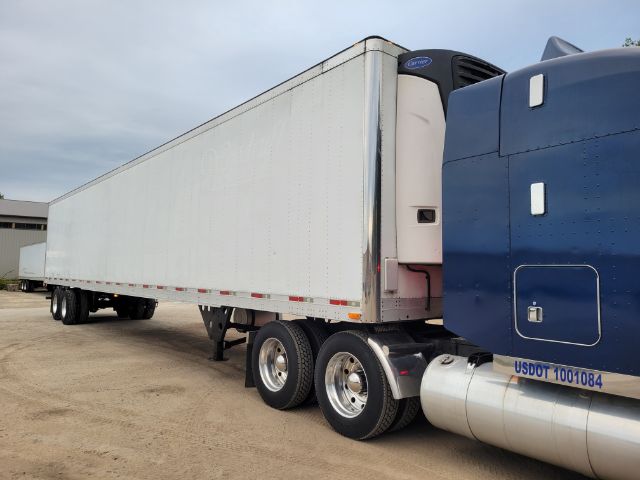
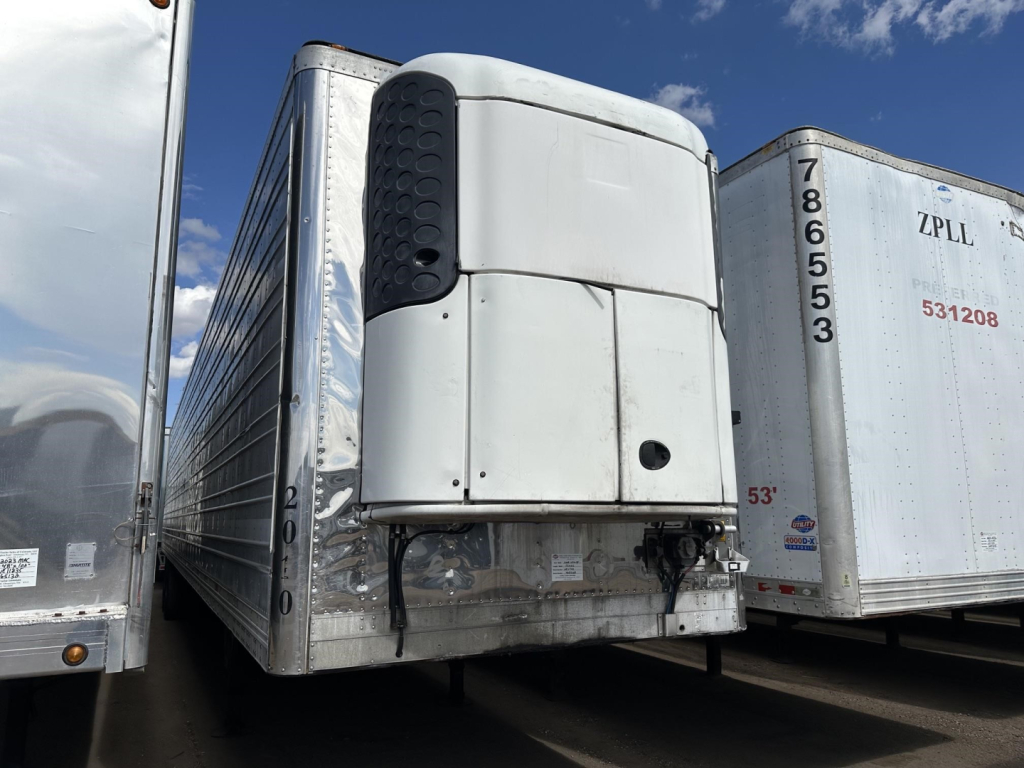
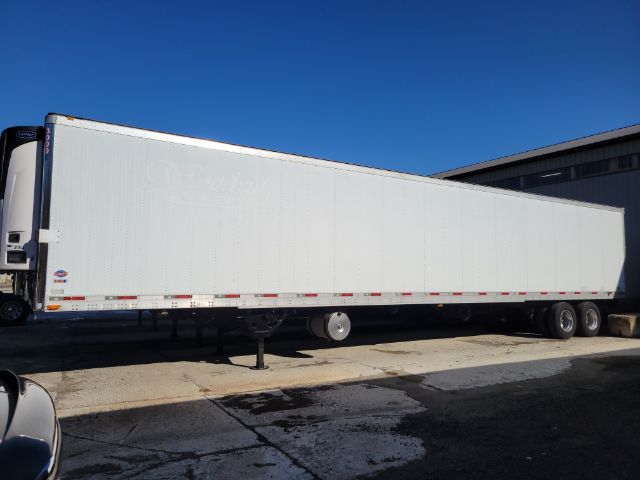
Selling a used 2009 reefer trailer? List your used 2009 reefer trailer for sale and reach thousands of commercial buyers.
Used 2009 Reefer Trailers
Many 2009 reefer trailers were built with Thermo King or Carrier units, and unit hours are one of the first numbers worth checking. High hours are not automatically a deal breaker on an older reefer, but service history is critical. Engine rebuilds, compressor work, evaporator condition, and controller updates can make a major difference in operating cost. On the trailer side, aluminum duct floors are common and important for consistent airflow under palletized freight. A cold chute or air chute helps move supply air to the rear, which matters on multi-stop routes and temperature-sensitive loads. Scuff liners, stainless front corners, stainless rear frames, and quilted doors are also worth noting because they affect durability and repair cost over time.
Application should drive the buying decision. A 2009 reefer trailer may fit regional grocery, produce, dairy, frozen food, meat, or beverage work if the unit can hold setpoint and the interior remains tight. For heavier forklift traffic, inspect floor wear bands, threshold condition, and crossmember fatigue. For longer haul lanes, pay attention to suspension condition, slider operation, tire wear, wheel-end service, and fuel tank or fuel system condition on the refrigeration unit. If the trailer will run in California or other emissions-sensitive regions, verify reefer unit compliance and CARB-related requirements before purchase. Door seal condition, rear vent setup, and inside height also affect how easily the trailer handles mixed freight and repeated dock cycles.
A smart buyer treats a used 2009 reefer trailer as both a refrigeration system and a structural trailer. Check for moisture intrusion, patched panels, delamination, corrosion around the front rail and rear sill, and any signs of impact damage near the evaporator bulkhead. Confirm the suspension type, tandem setting, kingpin location, and overall weight capacity against the freight you plan to haul. Reefer trailers, also known as refrigerated trailers, reward careful inspection more than almost any other trailer category because small issues in airflow, insulation, or unit health can quickly turn into cargo claims.
Frequently Asked Questions about Used 2009 Reefer Trailers
What should I inspect first on a used 2009 reefer trailer?
Start with the refrigeration unit, the trailer body, and the floor. Confirm the reefer starts cleanly, pulls down to temperature, and holds setpoint under load or during a pre-cool test. Then inspect the front wall, roof, door frame, door seals, interior liner, and duct floor for damage, leaks, or missing components. A 2009 reefer trailer can still perform well, but insulation loss, air leaks, and floor damage will reduce temperature control and increase operating cost.
Are reefer unit hours the most important factor on a 2009 refrigerated trailer?
Unit hours are important, but they are only part of the picture. A higher-hour Thermo King or Carrier unit with strong maintenance records can be a better buy than a lower-hour unit with poor service history. Ask about engine repairs, compressor service, controller faults, defrost operation, and recent maintenance. The condition of the insulated box, doors, and floor is just as important because a reefer unit cannot overcome a trailer that leaks air or has compromised insulation.
What trailer specs are common on a 2009 reefer trailer?
Most used 2009 reefer trailers are 53 feet long, 102 inches wide, and built with swing rear doors, air ride suspension, and sliding tandems. Many have aluminum duct floors to support airflow under cargo, plus a chute or cold air delivery system at the ceiling. Stainless steel front corners, stainless rear frames, scuff liners, and aluminum or steel wheels are also common depending on the original build and fleet application.
Can a used 2009 reefer trailer still work for food-grade freight?
Yes, if the trailer meets your shipper requirements and passes a thorough inspection. Food-grade work depends on interior cleanliness, floor and wall condition, odor control, door seal integrity, and reliable temperature performance. Buyers should verify washout condition, inspect for previous damage or contamination, and confirm the reefer unit can maintain the required temperature range for fresh or frozen freight. Older trailers often remain serviceable in food distribution if they have been maintained consistently.
Do emissions rules matter when buying a 2009 reefer trailer?
Yes. The trailer itself may be mechanically sound, but the refrigeration unit may be subject to emissions or compliance rules depending on where it will operate. California and some other jurisdictions have stricter reefer unit requirements, so buyers should confirm engine family, emissions label information, and any CARB-related compliance status before putting the trailer into service. This is especially important for interstate carriers and fleets that serve ports, grocery distribution, or urban delivery networks.