
Used 2009 Utility Reefer Trailers For Sale
Shop used 2009 Utility reefer trailers. Learn key specs, refrigeration options, trailer construction, and inspection points before you buy.
Selling a used 2009 utility reefer trailer? List your used 2009 utility reefer trailer for sale and reach thousands of commercial buyers.
Used 2009 Utility Reefer Trailers
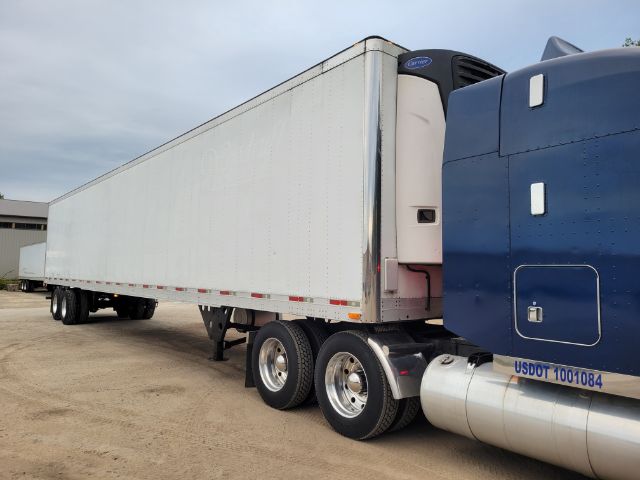
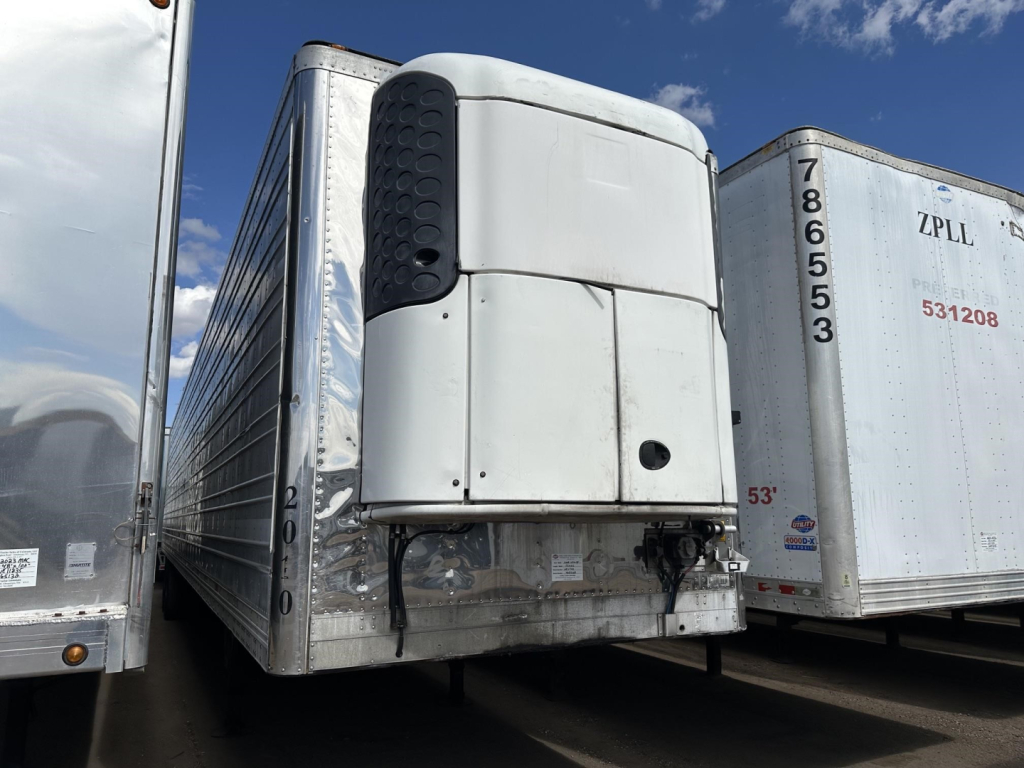
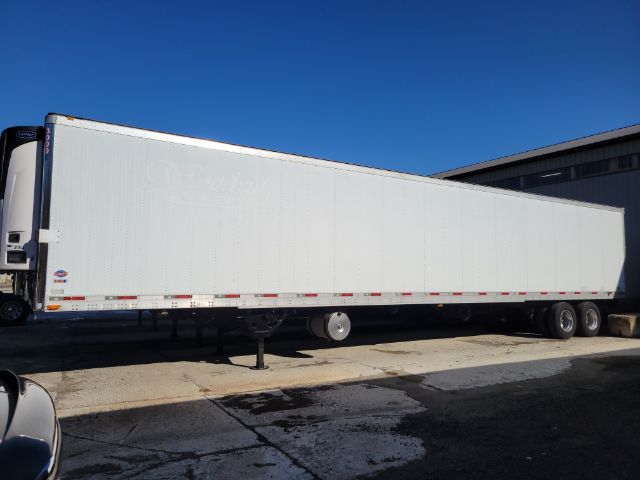
The first buying decision is usually the reefer unit and its service history, not just the trailer shell. A 2009 Utility reefer may carry a Thermo King or Carrier unit, and many have had the refrigeration unit replaced or repowered later in life. That can be a major advantage if the trailer body is sound and the unit hours, maintenance records, and start-run performance check out. Look closely at engine hours, operating mode history, fuel tank condition, discharge and return air performance, and whether the unit can hold setpoint under load. On the trailer itself, inspect the front wall, roof seams, floor condition, scuff liner wear, door frame alignment, and any signs of water intrusion or insulation breakdown. A reefer with a tired unit or compromised body can become expensive quickly, even if the suspension and running gear are still serviceable.
Utility reefers from this era often show up with features that still matter in daily operation, including stainless front corners, quilted or stainless rear doors, sliding tandems, tire inflation systems, and low-profile 22.5 tires. Buyers should confirm axle spread, tandem slide travel, brake type, wheel material, and door seal condition because those details affect both compliance and operating cost. Floor type is especially important. An aluminum duct floor generally supports better airflow for refrigerated freight, but it also needs to be checked for damage from forklifts and concentrated pallet weight. If the trailer will spend time in grocery distribution, multi-stop delivery, or frequent dock work, pay attention to anti-dock-walk protection, door hardware wear, and the condition of the rear frame.
For many operations, a used 2009 Utility reefer trailer makes sense as a regional food-service trailer, a seasonal produce hauler, extra drop-trailer capacity, or a backup refrigerated asset. The value is usually strongest when the trailer has a clean structural history, a reefer unit with documented maintenance, and a body that still seals tightly. Buyers comparing listings should think in terms of total operating cost rather than purchase price alone. Reefer hours, recent major repairs, tire and brake condition, floor integrity, and the ability to maintain temperature are what separate a dependable trailer from a unit that will spend too much time in the shop.
Frequently Asked Questions about Used 2009 Utility Reefer Trailers
What should I inspect first on a used 2009 Utility reefer trailer?
Start with the refrigeration unit, then move to the trailer body. Confirm the unit starts cleanly, reaches setpoint, cycles properly, and has service records that show regular maintenance. After that, inspect the floor, roof, front wall, rear frame, door seals, and sidewalls for damage, moisture intrusion, or insulation problems. Structural soundness and temperature-holding ability are more important than paint or panel appearance on an older reefer.
Are 2009 Utility reefer trailers usually 53 feet long?
Most are 53-foot refrigerated semi-trailers with a 102-inch overall width, tandem axles, and air ride suspension, although exact specifications can vary by original build. Many buyers in this category are also looking for sliding tandems, swing doors, and low-profile 22.5 tire setups. It is still important to verify the VIN plate and trailer specs because axle ratings, suspension type, and reefer unit configuration may differ from one trailer to another.
How important are reefer unit hours on a used Utility trailer?
Reefer unit hours are one of the most important indicators of expected maintenance needs, but they should never be viewed alone. A higher-hour unit with strong maintenance records and recent major service can be a better buy than a lower-hour unit with poor documentation. Buyers should ask about engine hours, operating hours, repairs to the compressor or engine, controller history, and any recent temperature-performance testing. The key question is not just how many hours are showing, but how well the unit has been maintained through those hours.
What freight is a 2009 Utility reefer trailer best suited for?
This trailer class is commonly used for frozen and chilled food products, dairy, produce, meat, pharmaceuticals in some lanes, and general temperature-controlled freight. A well-maintained older Utility reefer can also work well for regional distribution, seasonal harvest runs, or as reserve capacity during peak demand. The right application depends on the reefer unit condition, insulation integrity, floor airflow design, and how tightly the trailer can hold temperature over time.
Can an older Utility reefer still be a good value for a fleet or owner-operator?
Yes, if the trailer has a solid body and a dependable refrigeration system. A used 2009 Utility reefer often delivers good value when it has documented maintenance, a dry and intact insulated body, and running gear that does not need immediate replacement. Buyers should compare the cost of any near-term repairs against the lower purchase price. In this category, long-term value comes from uptime, temperature reliability, and manageable repair costs rather than age alone.