
Used 2016 Reefer Trailers For Sale
Shop used 2016 reefer trailers for sale. Compare 53-foot refrigerated trailers, reefer units, floors, doors, and operating specs.
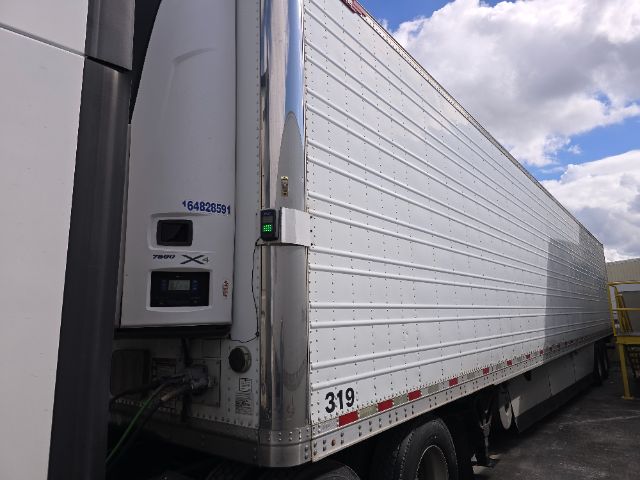
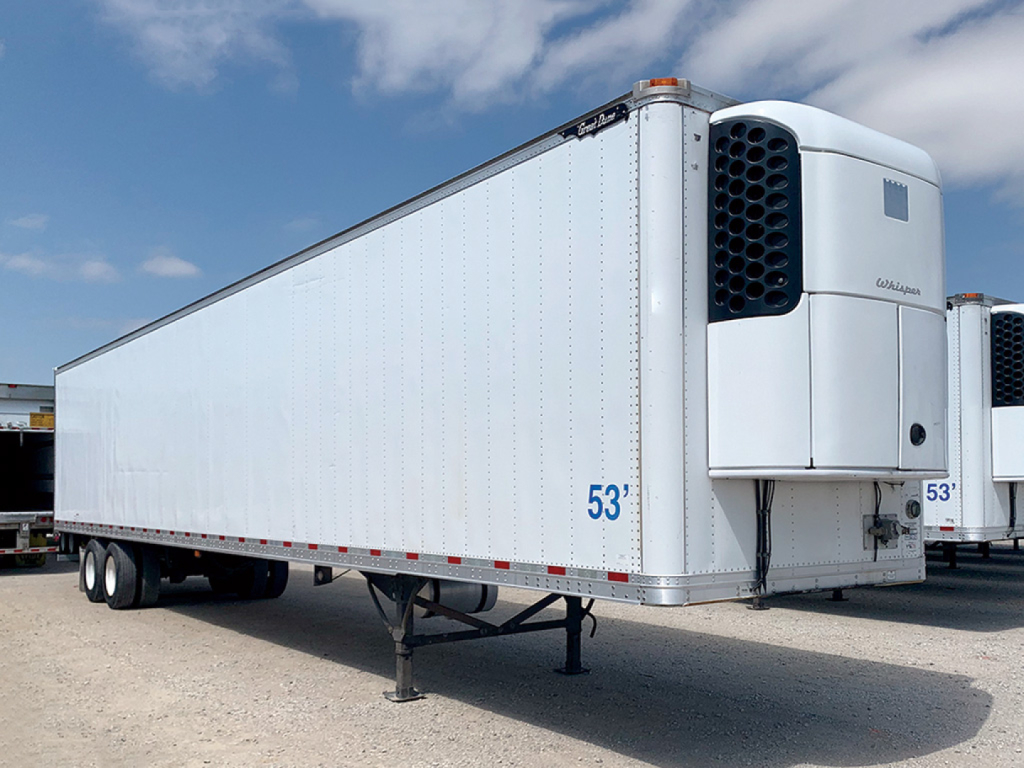
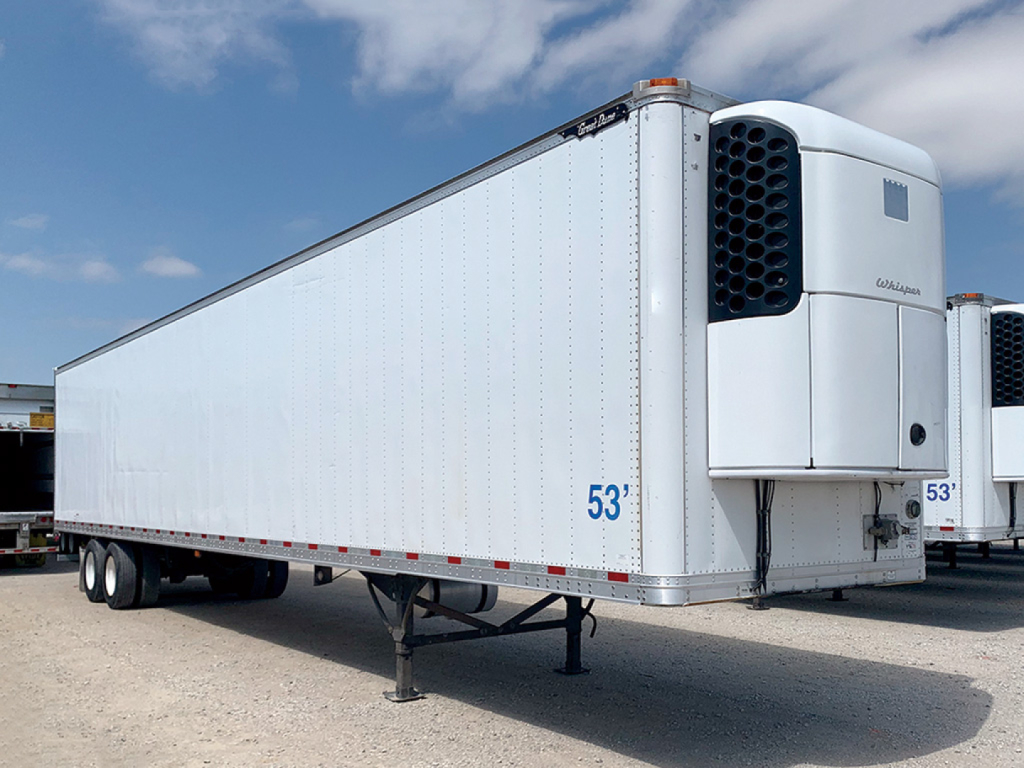
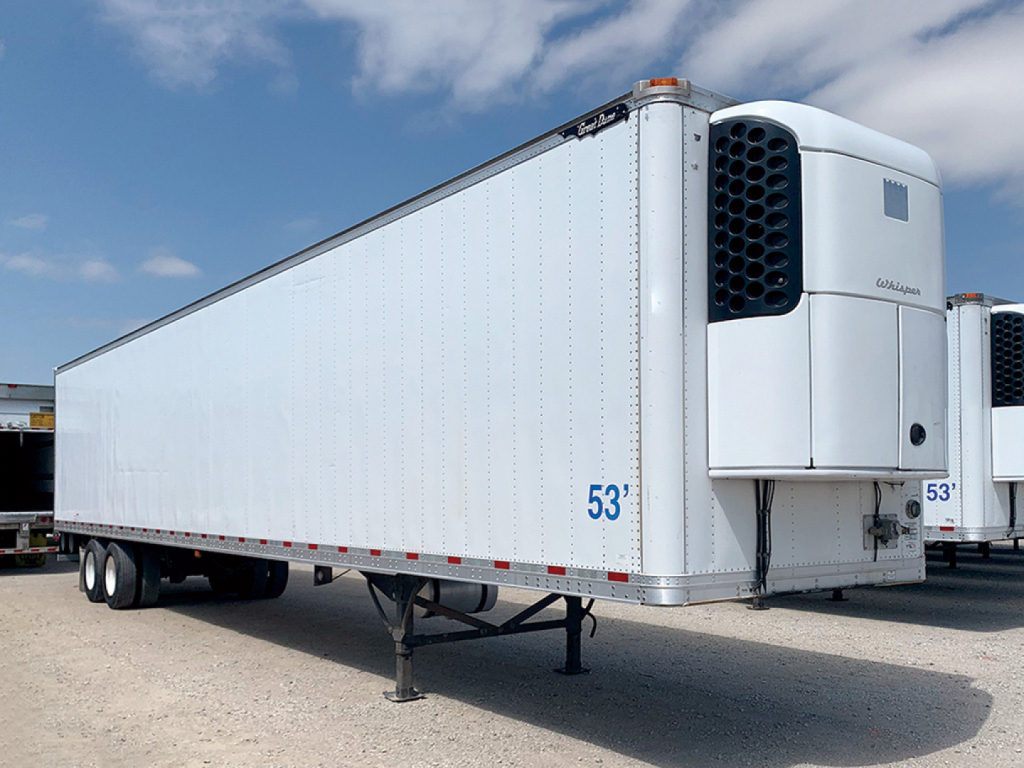
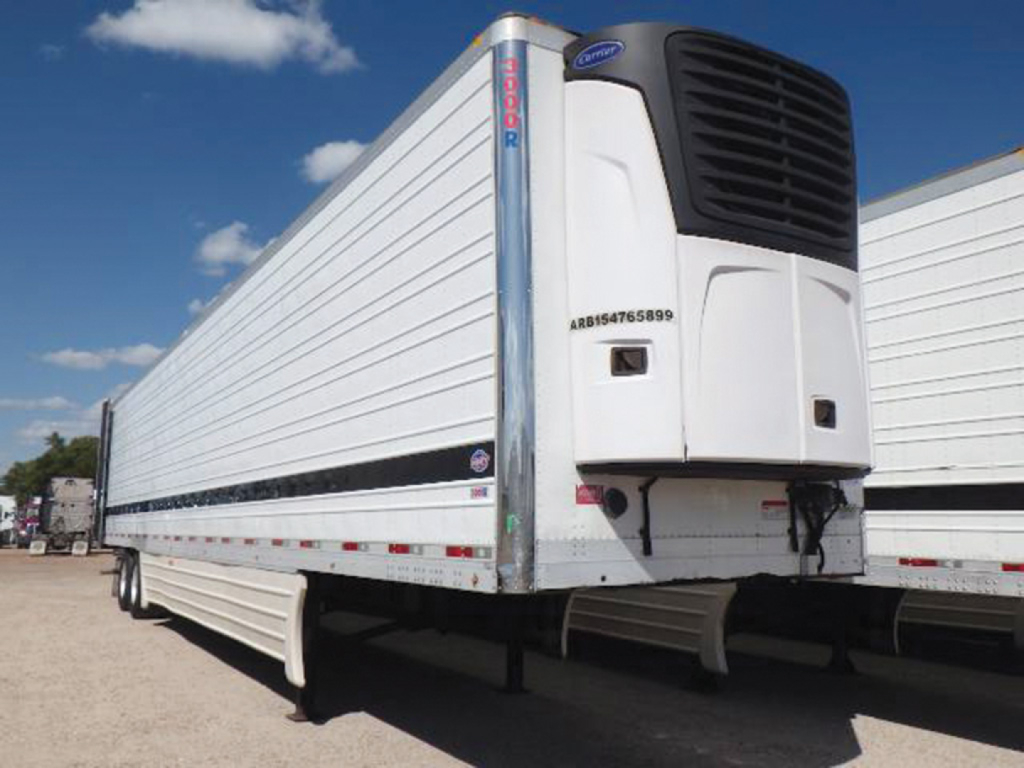
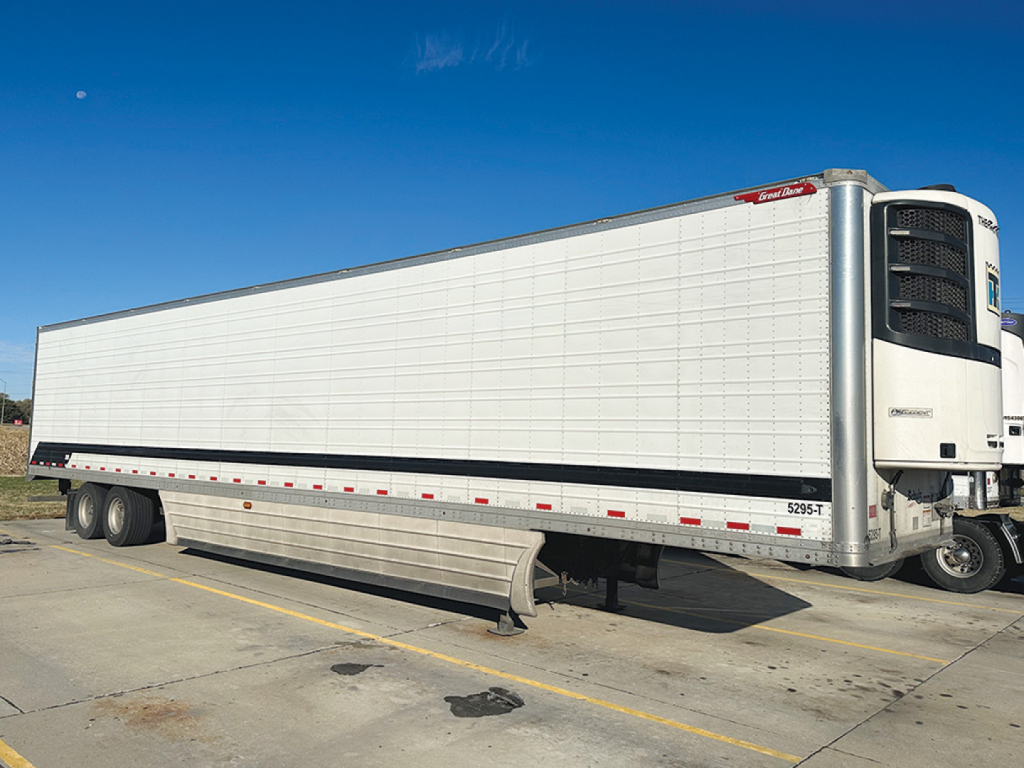
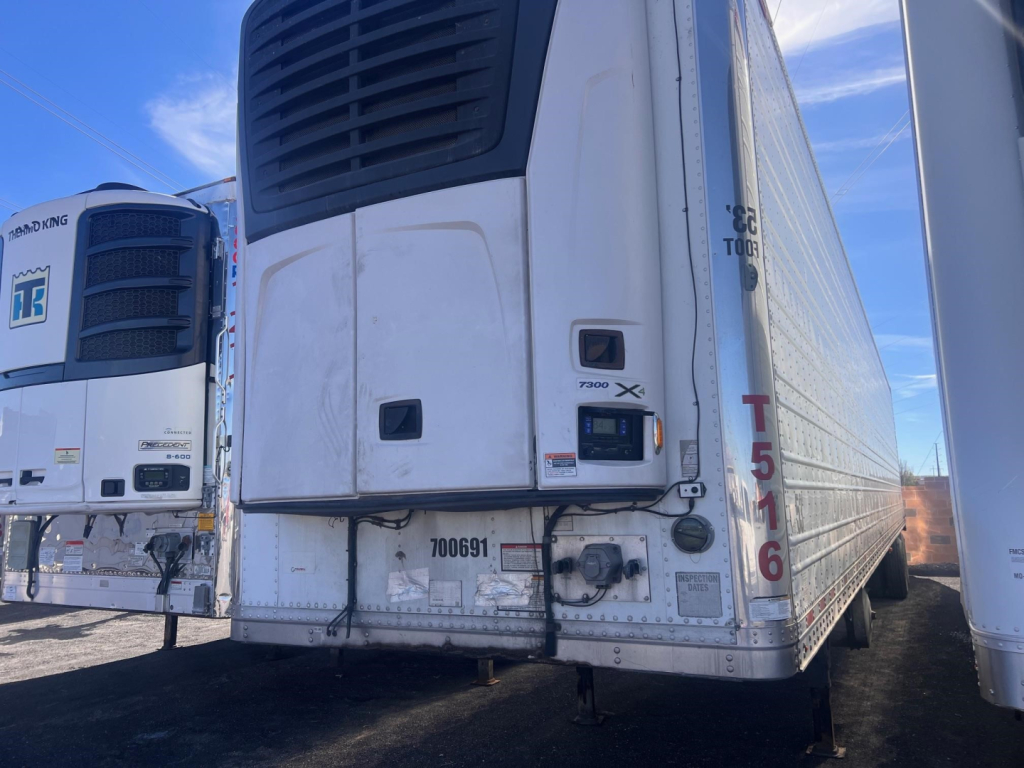

Selling a used 2016 reefer trailer? List your used 2016 reefer trailer for sale and reach thousands of commercial buyers.
Used 2016 Reefer Trailers
The trailer body deserves the same level of scrutiny as the refrigeration unit. On a 2016 refrigerated trailer, pay close attention to floor wear, duct integrity, rear frame corrosion, door seal condition, and interior liner damage. Many trailers in this class were built with stainless steel front corners, stainless rear frames, corrugated side panels, and heavy-duty wearbands to handle multi-stop distribution. Features like scuff liners, E-track, chutes, rear vents, and quilted or stainless swing doors can make a real difference depending on whether the trailer is moving palletized grocery freight, frozen food, dairy, produce, or pharmaceutical-sensitive loads.
Spec decisions should match the lane and dock environment. A closed tandem with air pin slider is common for fleets balancing bridge law compliance, axle scaling, and dock access. Low-profile 22.5 tires, aluminum or steel wheels, and tire inflation systems all affect maintenance cost and uptime. Aerodynamic skirts and tails can help on longer highway lanes, while a clean duct floor and solid bulkhead area matter more for consistent airflow and product protection. Buyers running California or other emissions-sensitive regions should verify reefer emissions compliance, CARB history where applicable, and whether the unit is legal for the states and shippers on the route plan.
Used 2016 reefer trailers are commonly found in grocery, foodservice, cold storage, and regional distribution fleets because they can still fit mainstream shipper requirements when maintained correctly. The best value usually comes from a trailer with a straight body, dry insulation envelope, healthy reefer unit, and documented service intervals. Before purchase, confirm box dimensions, interior cubic capacity, reefer hour meter readings, temperature recording capability, and the condition of doors, drains, and suspension components. A refrigerated trailer, also known as a reefer, only earns its keep when both the box and the cooling system perform together.
Frequently Asked Questions about Used 2016 Reefer Trailers
What should I check first on a used 2016 reefer trailer?
Start with the refrigeration unit and the trailer body together. Check reefer engine hours, service history, startup behavior, alarm history, and how well the unit pulls down and holds temperature. Then inspect the floor, walls, roof, door seals, rear frame, and ducting for damage or air leaks. A reefer trailer with a strong unit but a compromised box can still struggle to protect freight.
Are most 2016 reefer trailers 53 feet long?
Yes. In over-the-road and regional fleet service, the most common spec is a 53-foot by 102-inch reefer trailer. That size works for standard dock operations, pallet count expectations, and high-cube refrigerated freight. Some shorter or specialized units exist, but 53-foot trailers dominate the used reefer market.
How important are reefer unit hours on a 2016 refrigerated trailer?
Reefer unit hours are one of the best indicators of use, but they should be viewed alongside maintenance quality. A higher-hour Thermo King or Carrier unit with strong records can be a better buy than a lower-hour unit with poor service history. Buyers should also verify engine condition, compressor performance, fuel system integrity, and temperature control accuracy rather than relying on hours alone.
What floor and door features matter most on a reefer trailer?
An aluminum duct floor in good condition is important because it supports airflow under the load and helps maintain even temperature. Buyers should also inspect wearbands, scuff liners, and any E-track or load securement setup. On the rear, swing doors with tight seals, solid hinges, and a straight frame are critical because small air leaks can reduce cooling efficiency and create temperature control problems.
Do I need to worry about emissions compliance on a used 2016 reefer trailer?
Yes, especially if the trailer will operate in California or on shipper accounts with strict environmental requirements. The trailer itself and the refrigeration unit may both need to meet specific rules depending on the jurisdiction and application. Confirm the reefer unit model, emissions status, and any CARB-related compliance details before buying, because route restrictions can limit where the trailer can legally and profitably run.