
Used 2017 Reefer Trailers For Sale
Browse used 2017 reefer trailers with 53-foot specs, insulated bodies, duct floors, and Thermo King or Carrier units for cold-chain freight.
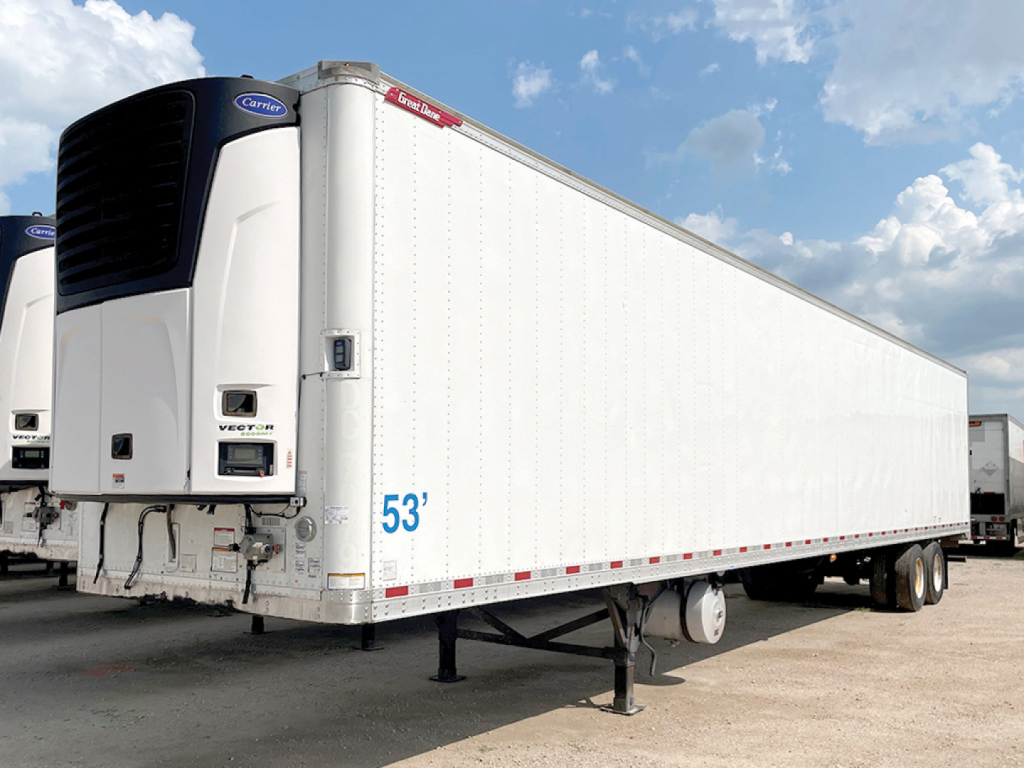
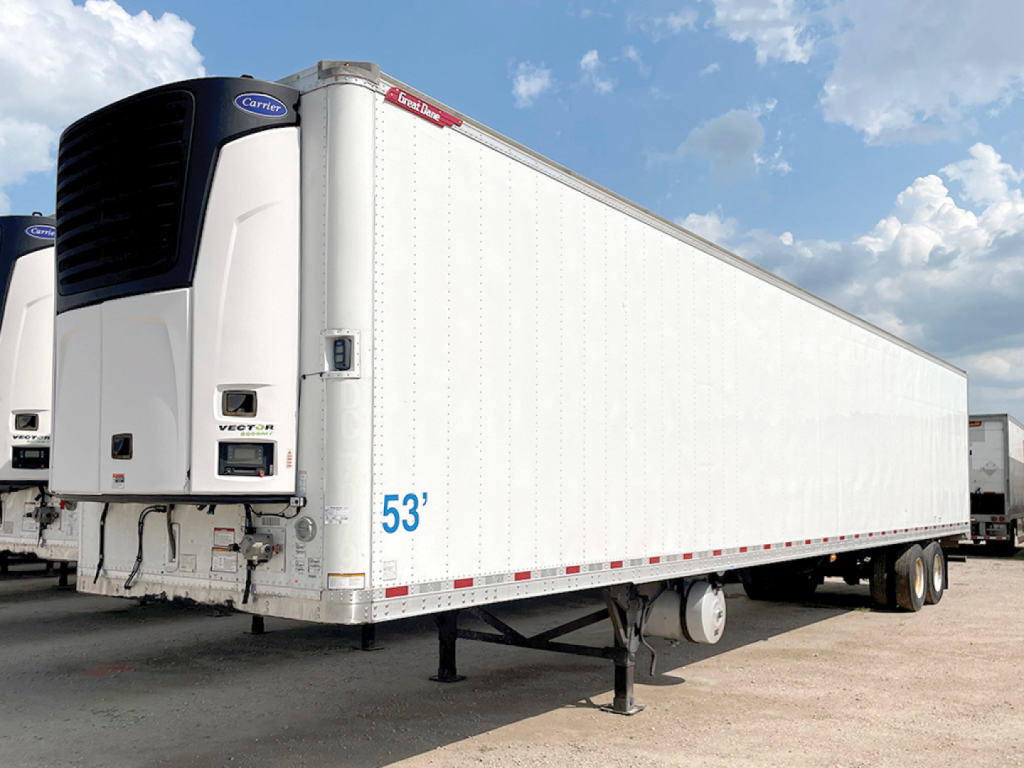
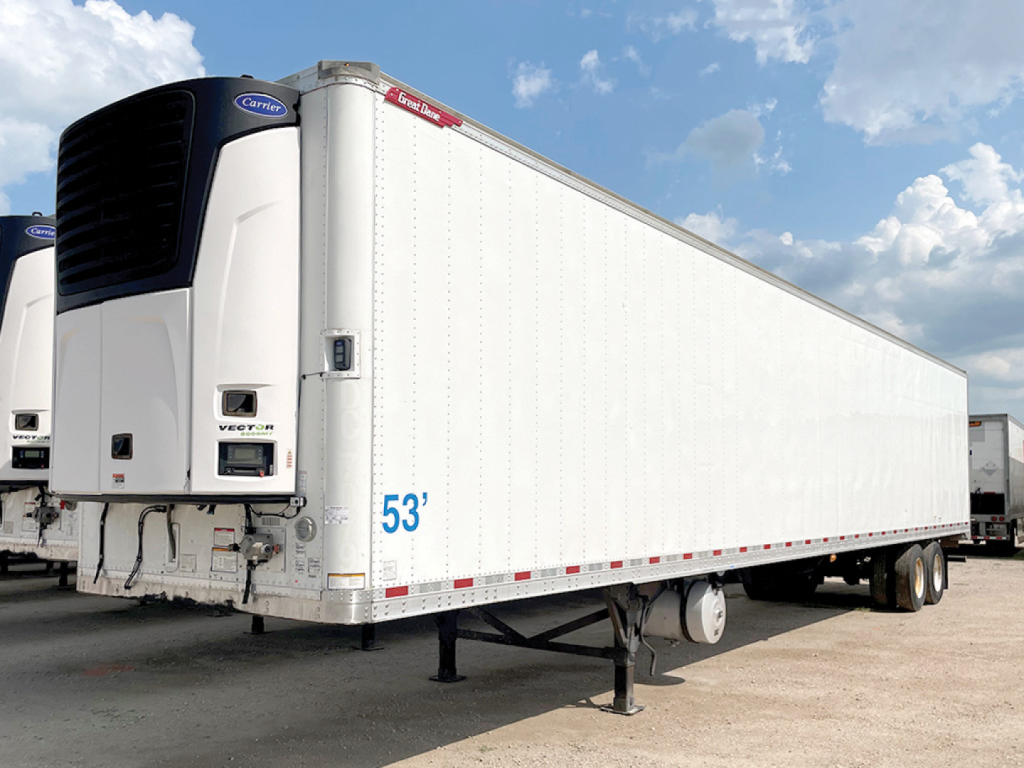
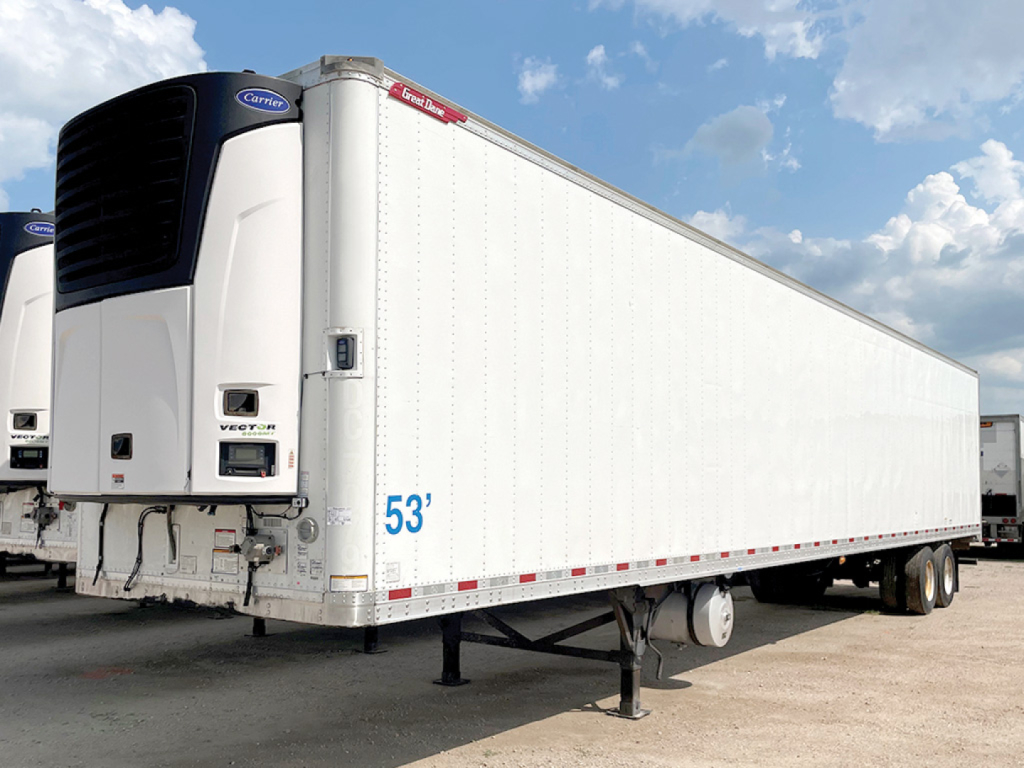
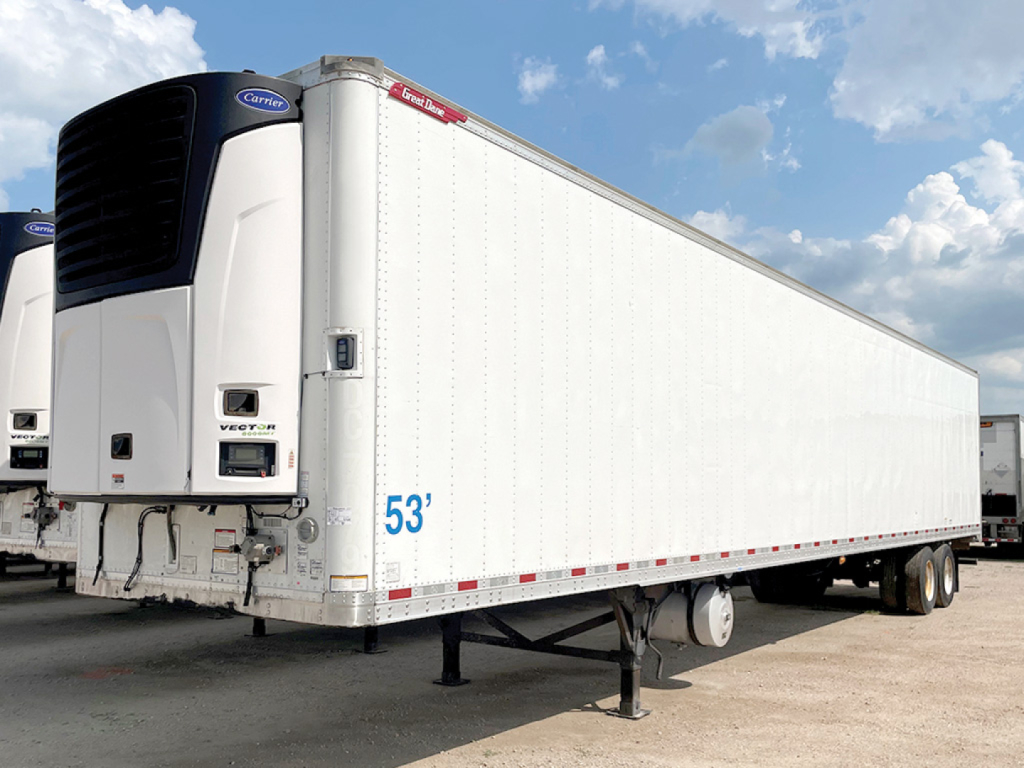
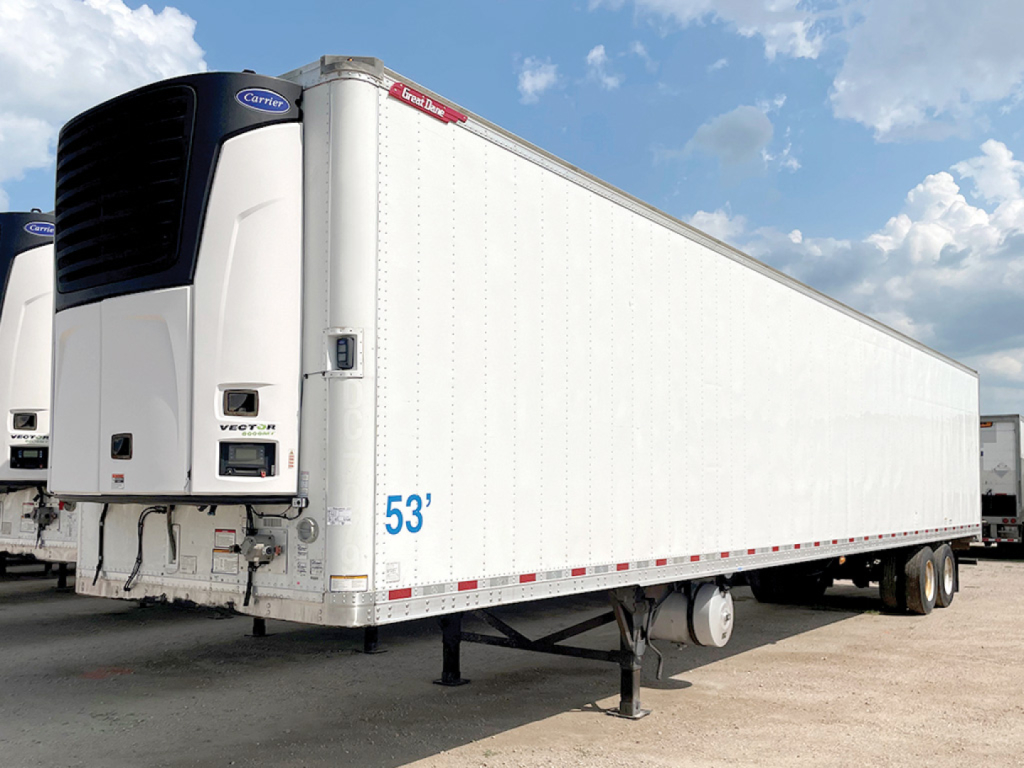
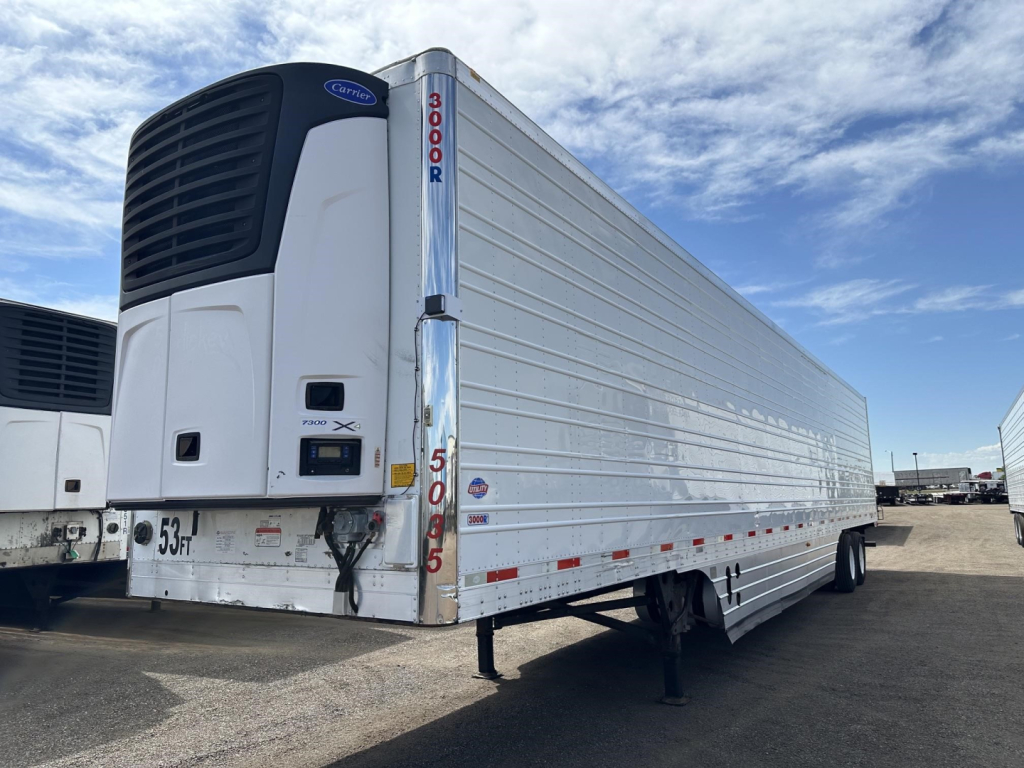
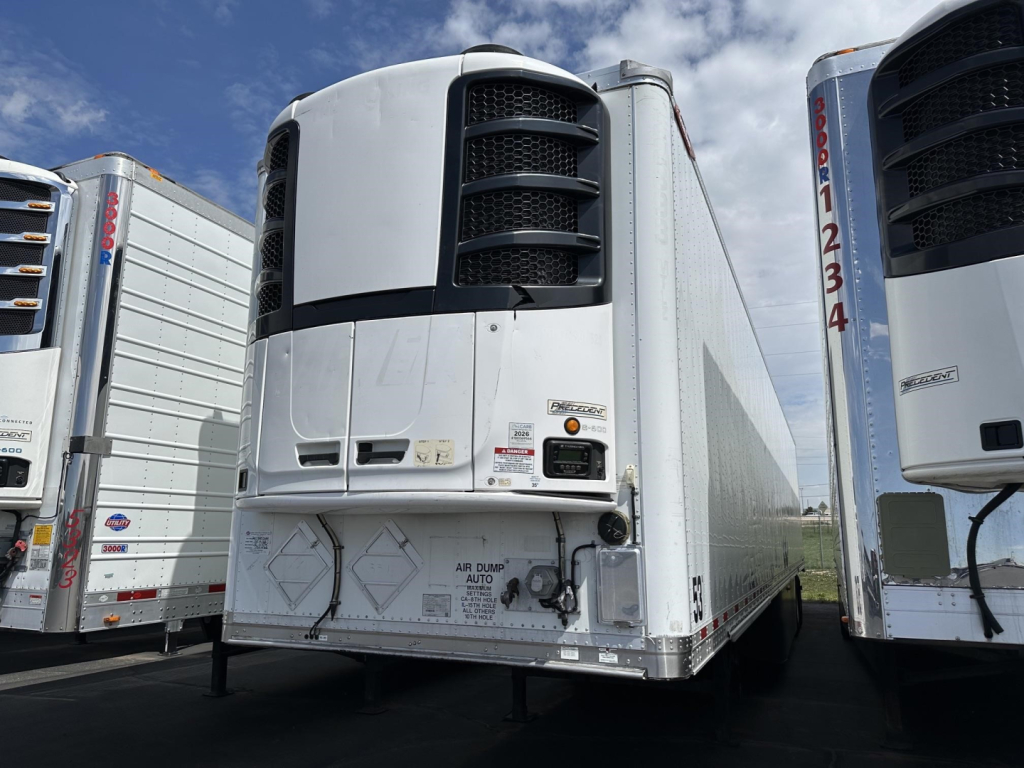
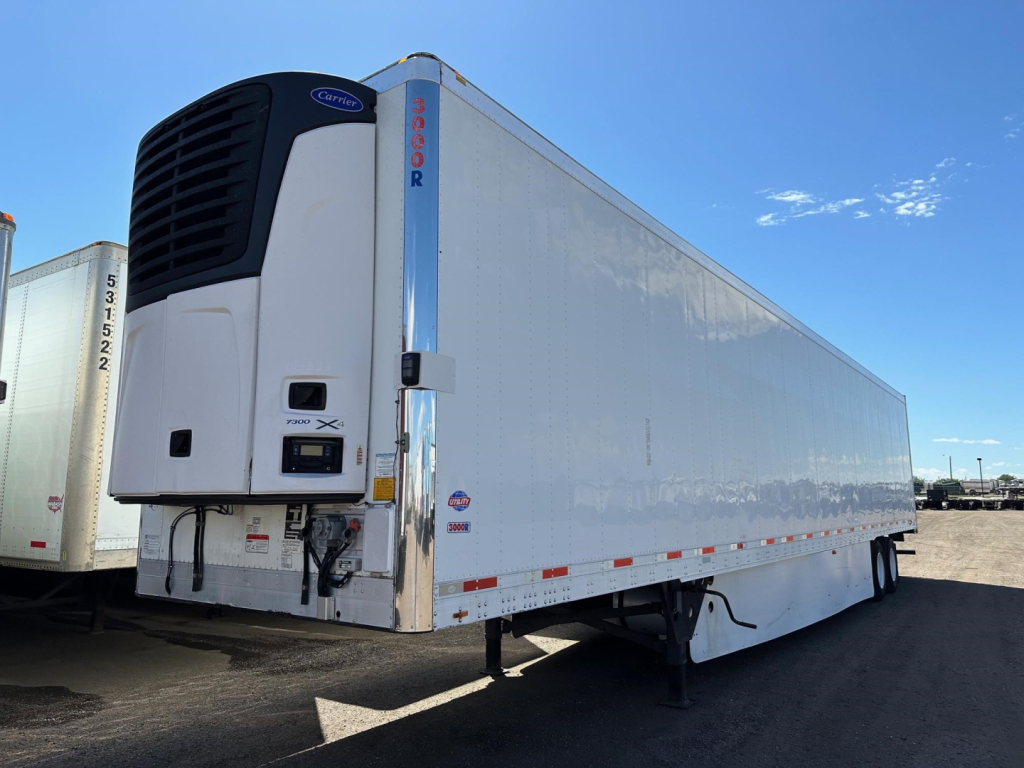

Showing 1 to 28 of 31 results
Selling a used 2017 reefer trailer? List your used 2017 reefer trailer for sale and reach thousands of commercial buyers.
Used 2017 Reefer Trailers
The refrigeration unit matters as much as the box. A 2017 reefer may be equipped with a Thermo King Precedent or S-series unit, or a comparable Carrier platform, and unit hours are one of the first numbers to verify. High hours are not automatically a deal breaker, but they should be matched against service history, fuel system condition, evaporator and condenser condition, and pull-down performance. Buyers moving frozen freight usually pay close attention to insulation integrity, rear door seal condition, air return bulkheads, and the floor type. Aluminum duct floors remain popular because they protect airflow under the load, while wearbands, scuff plates, and side lining condition tell you a lot about how hard the trailer worked.
For fleet spec, 2017 reefer trailers often include features that directly affect operating cost and loading flexibility. Common examples include 49-inch slider settings, 36-inch kingpin settings, low-profile 22.5 tires, automatic tire inflation systems such as PSI or MTIS, side skirts, and stainless rear frames or door hardware for corrosion resistance. Inside, buyers should check for E-track or logistics posts if mixed freight or grocery work is planned, along with inside height, door opening dimensions, and chute condition for multi-temp or high-cube applications. California operators and western regional fleets may also prioritize CARB-compliant or California-legal refrigeration units, since that can affect where the trailer can run.
The best used 2017 reefer trailer for sale depends on freight profile more than brand name alone. Produce, dairy, meat, frozen foods, pharmaceuticals, and foodservice routes all place different demands on floor durability, airflow management, and unit runtime. A trailer that spent its life on steady linehaul can present very differently from one used in heavy grocery distribution with frequent door cycles. Buyers should inspect the roof, front wall, lower rails, threshold plate, rear frame, and suspension for signs of impact, corrosion, or water intrusion, then confirm the reefer unit starts cleanly, holds setpoint, and records consistent maintenance intervals. A well-kept 2017 reefer can still be a very productive trailer class for regional or over-the-road temperature-controlled service.
Frequently Asked Questions about Used 2017 Reefer Trailers
What should I check first on a used 2017 reefer trailer?
Start with the refrigeration unit hours, maintenance records, and current operating condition. Then inspect the trailer body for insulation damage, soft spots in the floor, door seal wear, roof repairs, rear frame corrosion, and signs of water intrusion. On reefer trailers, the condition of the unit and the integrity of the insulated box usually matter more than cosmetic appearance.
How many hours is too many on a 2017 reefer unit?
There is no single cutoff because maintenance history matters as much as total hours. A well-documented Thermo King or Carrier unit with higher hours can still be a sound buy if it has consistent service, good pull-down, clean starts, and no major alarm history. Buyers should compare hours with age, application, and repair records instead of judging the trailer by the hour meter alone.
Are most 2017 reefer trailers 53 feet long?
Yes. In the North American over-the-road market, the most common 2017 reefer trailer configuration is 53 feet long, 102 inches wide, and 13 feet 6 inches high. That size works for grocery, foodservice, produce, frozen freight, and general temperature-controlled hauling, so it dominates the used reefer market.
What reefer trailer features help with resale and operating cost?
Features that tend to hold value include air ride suspension, sliding tandems, aluminum duct floors, stainless rear frames, automatic tire inflation systems, side skirts, and major-brand refrigeration units. California-legal unit specs, clean interior lining, strong door seals, and documented PM history also improve long-term marketability because they reduce uncertainty for the next buyer.
Is a 2017 reefer trailer still a good choice for fleet or owner-operator use?
Yes, if the trailer has been maintained properly and matches the intended freight. A 2017 model can offer a strong balance of acquisition cost, modern spec, and usable service life, especially for regional food-grade and cold-chain work. The key is verifying the reefer unit condition, insulation performance, and structural health before putting it into regular service.