
Used 2022 Reefer Trailers For Sale
Browse used 2022 reefer trailers for sale, including 53-foot refrigerated trailers with single-temp or multi-temp setups and modern spec options.
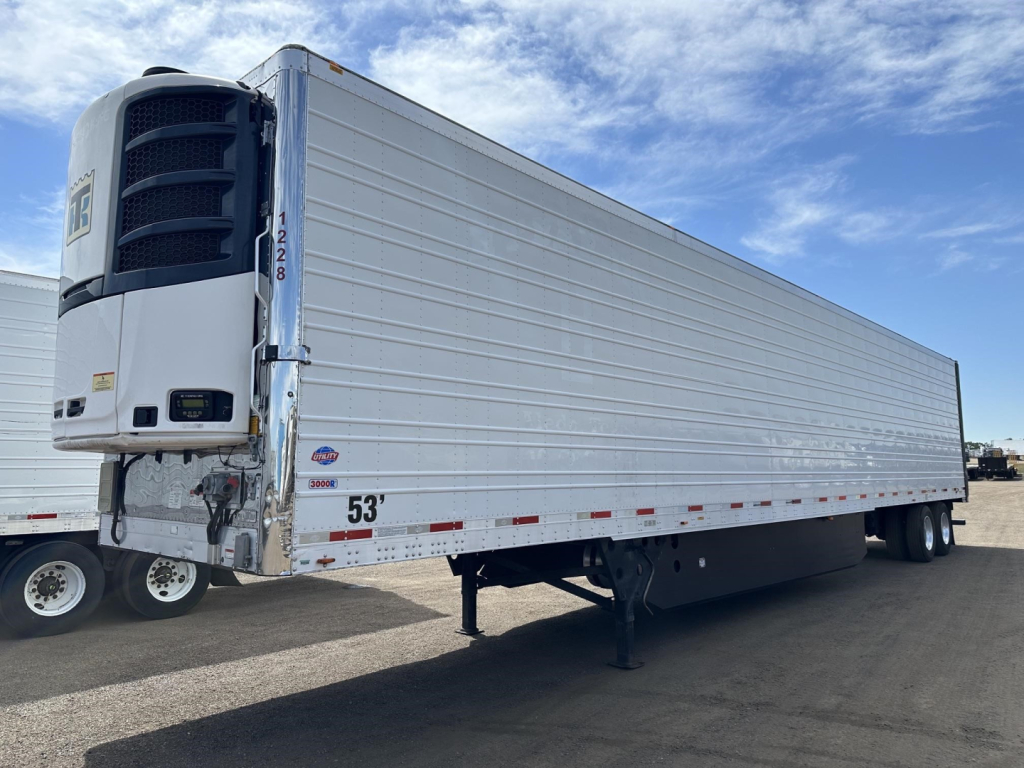
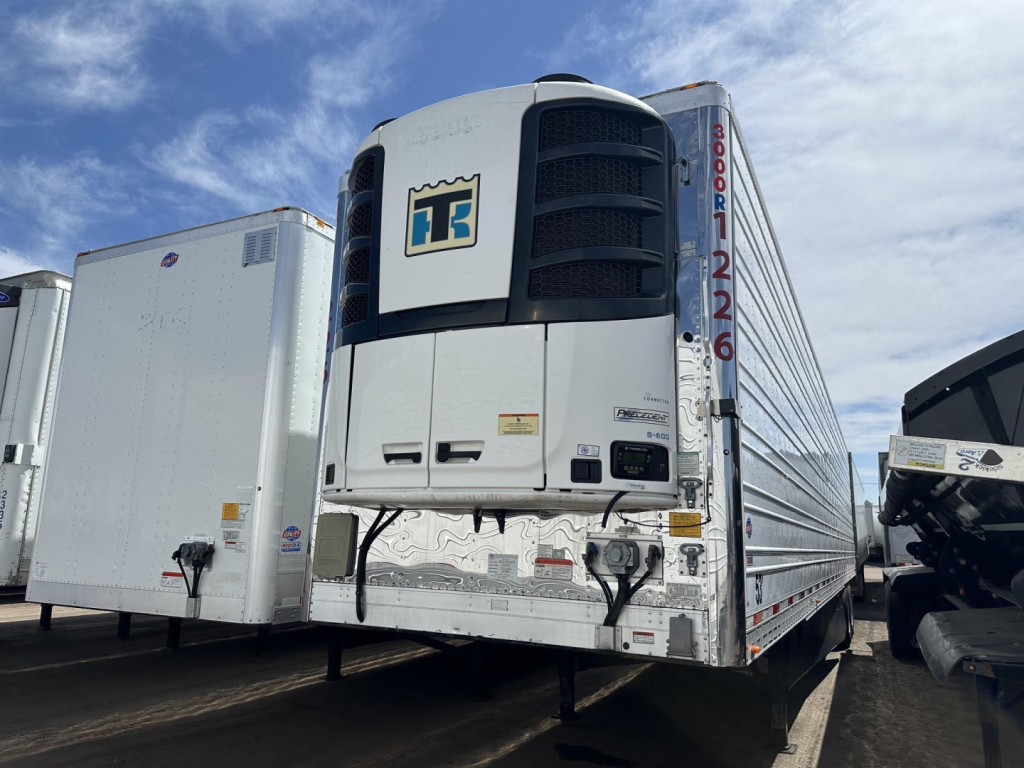
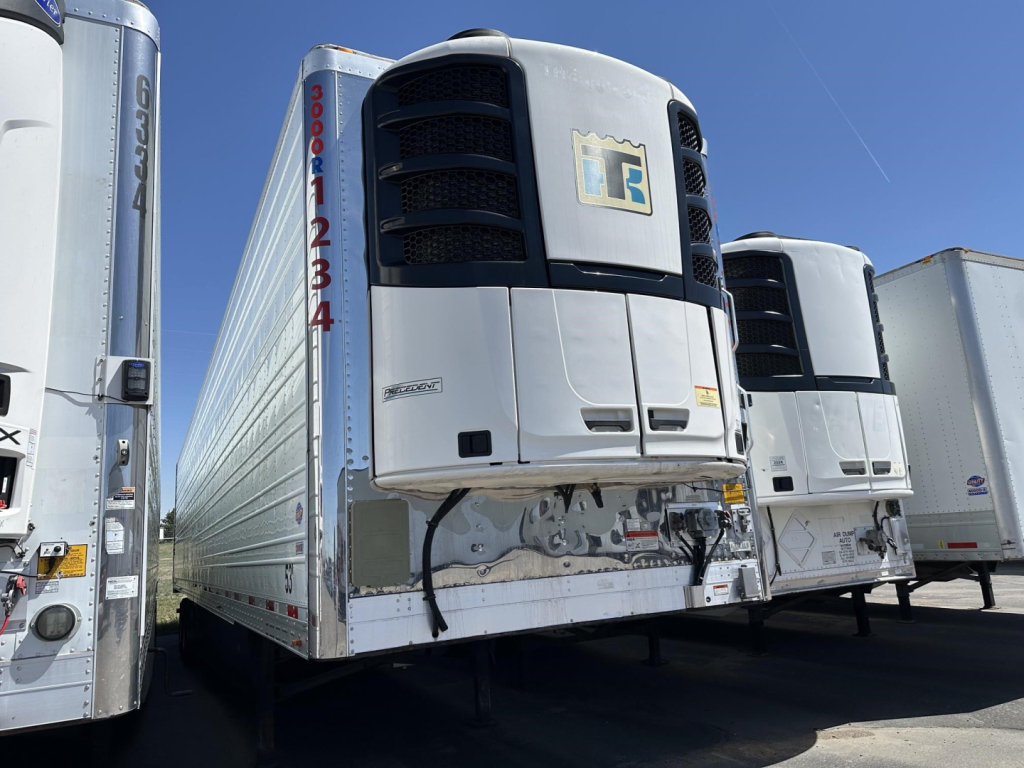
Selling a used 2022 reefer trailer? List your used 2022 reefer trailer for sale and reach thousands of commercial buyers.
Used 2022 Reefer Trailers
The first decision is usually single-temp versus multi-temp. A single-temp reefer is simpler and often better for long-haul full-truckload freight that stays at one setpoint. A multi-temp trailer adds complexity through bulkheads, extra evaporators, and additional airflow management, but it gives distributors and route operations the ability to carry frozen, chilled, and fresh product in the same trailer. Buyers should pay close attention to the refrigeration unit make and model, common names include Carrier and Thermo King, along with engine hours, electric standby if equipped, service history, and whether the trailer uses a duct floor, flat floor, or chute-based airflow setup. Interior details like scuff liners, stainless steel front and rear impact areas, door frame material, and E-track matter because they directly affect durability and cargo control in daily loading cycles.
Chassis and running gear spec can make a major difference in operating cost. Many 2022 reefer trailers will be equipped with sliding tandems, air ride or spring ride suspension, low-profile 22.5 tires, aluminum or steel wheels, disc or drum brakes, and sometimes automatic tire inflation systems. For regional operations with frequent dock turns, roll doors can improve loading convenience, while swing doors remain common for maximizing rear opening and maintaining a straightforward seal. Side skirts, aerodynamic treatments, and lightweight components help on fuel economy and payload, but reefer buyers should also inspect the floor closely. Floor condition tells you a lot about prior use, especially in grocery and food distribution service where pallet jack traffic is constant. Wear patterns, rail condition, and moisture intrusion around doors and front walls are all worth checking before comparing asking prices.
For a used 2022 reefer trailer, the best buy is not just the newest refrigeration unit or the cleanest exterior. It is the trailer with a documented maintenance record, a sound insulated body, solid floor structure, healthy reefer performance under load, and a spec that fits your lanes and commodity mix. If the trailer will run produce or frozen freight over long distances, pull-down performance, fuel consumption, and door seal condition should rank high on the list. If it will work urban delivery or multi-stop foodservice, focus more on door configuration, interior layout, evaporator setup, and dock durability. A late-model reefer trailer can be a productive asset for years, but only if the body, unit, and running gear are evaluated as one system rather than as separate components.
Frequently Asked Questions about Used 2022 Reefer Trailers
What should I look for first when buying a used 2022 reefer trailer?
Start with the refrigeration unit history, body integrity, and floor condition. A 2022 reefer trailer may still be relatively young, but hard route work can create hidden wear in the floor, rear frame, doors, and interior lining. Check reefer engine hours, service records, recent preventive maintenance, and any major repairs to the unit. Then inspect the trailer body for insulation damage, patched panels, moisture intrusion, and door seal condition, because temperature retention depends on the trailer shell as much as the reefer unit itself.
Is a single-temp or multi-temp reefer trailer better?
It depends on the freight mix. A single-temp reefer trailer is usually the better choice for full-truckload carriers hauling one commodity at one temperature setpoint, because it is simpler to run and maintain. A multi-temp reefer trailer is better suited to grocery distribution, foodservice, and route delivery where different products need separate temperature zones. Multi-temp units can generate more revenue flexibility, but they also bring more components, more maintenance points, and more complexity in loading and airflow management.
Are 2022 reefer trailers typically 53 feet long?
Yes. The most common used 2022 reefer trailer on the market is a 53-foot trailer with a 102-inch width and 13-foot 6-inch overall height. That size fits standard over-the-road refrigerated freight and is widely accepted across truckload, grocery, and distribution networks. Buyers may also see differences in inside height, floor design, and door configuration, but 53-foot units are the dominant spec in this category.
How important is the floor type in a refrigerated trailer?
Floor type is extremely important because it affects airflow, sanitation, durability, and loading style. Aluminum duct floors help move cold air under the cargo and are common in long-haul temperature-controlled applications. Flat floors can be preferred in some multi-temp and route applications, especially where loading patterns or cargo handling differ. The right floor depends on product type and operating style, but in every case the buyer should inspect for corrosion, cracking, heavy pallet jack wear, and any repairs that could affect structural life or airflow performance.
Do features like tire inflation systems, side skirts, and sliding tandems matter on a used reefer?
Yes, because these features affect uptime and operating cost. A tire inflation system can reduce irregular tire wear and roadside failures. Side skirts can improve fuel efficiency, especially in linehaul use. Sliding tandems give flexibility for axle compliance and dock positioning across different states and customer facilities. These features do not replace the need for a sound reefer unit and trailer body, but they do add practical value for buyers comparing otherwise similar late-model refrigerated trailers.