
Used Wabash Reefer Trailers For Sale
Shop used Wabash reefer trailers, including ArcticLite models. Compare 53-foot specs, reefer units, floors, suspension, and door setups.
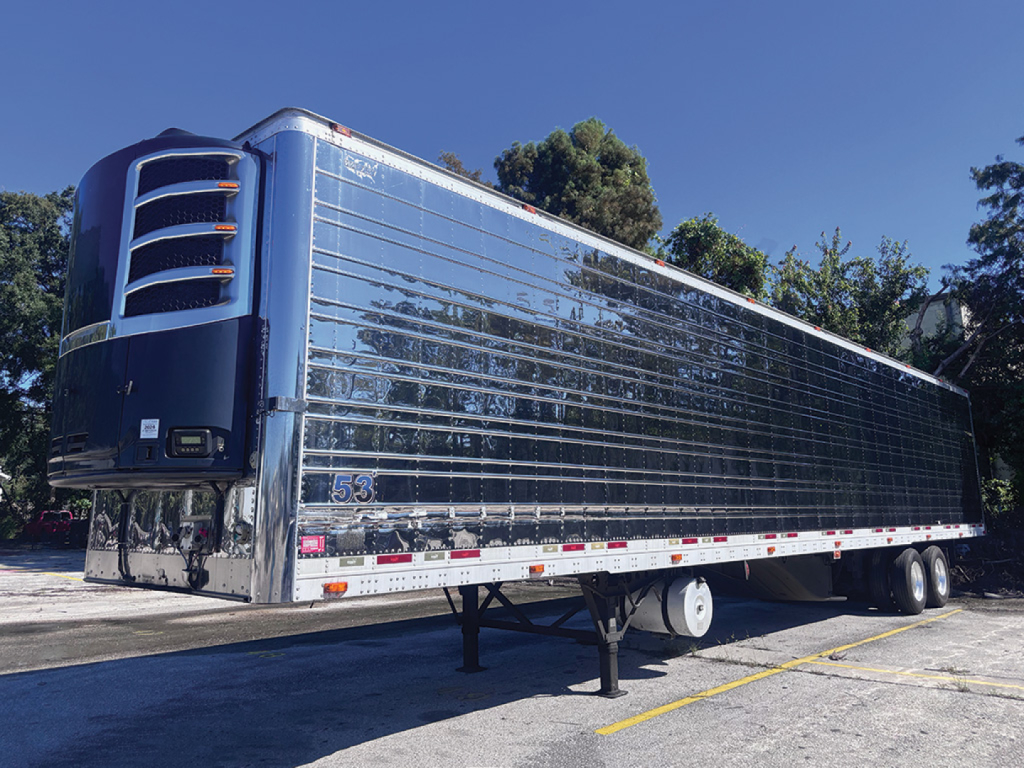
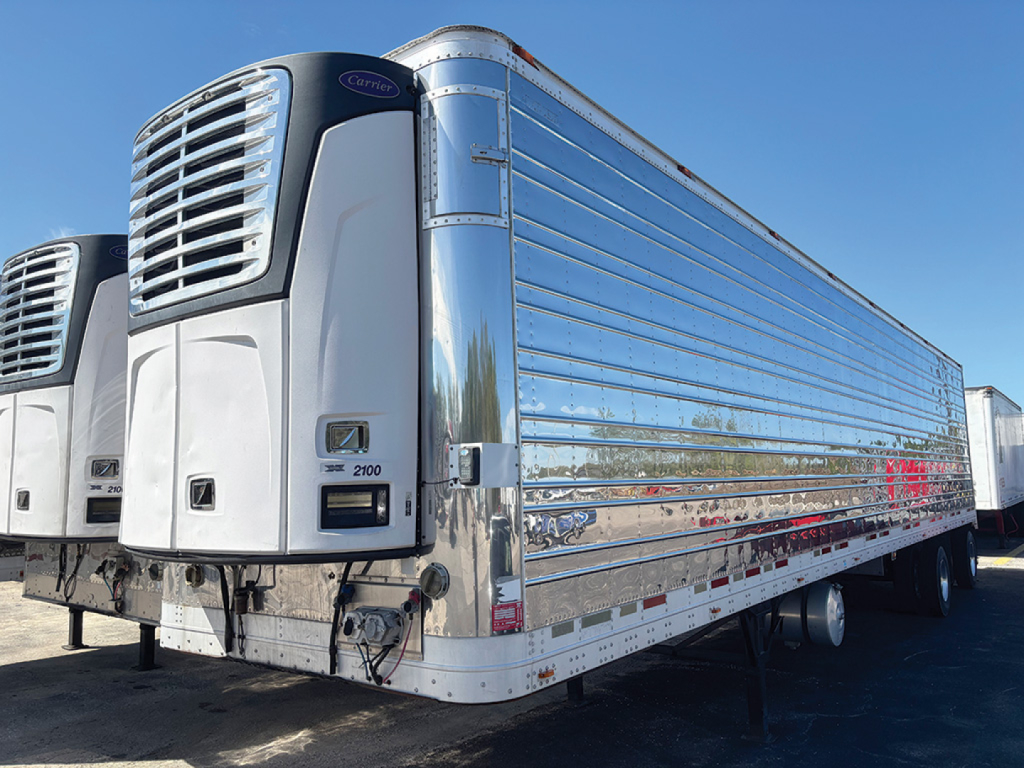
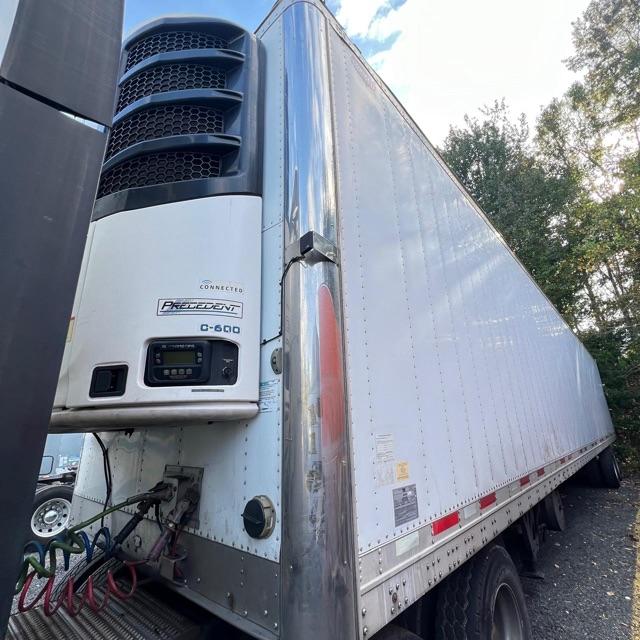

Selling a used wabash reefer trailer? List your used wabash reefer trailer for sale and reach thousands of commercial buyers.
Used Wabash Reefer Trailers
Most used Wabash reefer trailers in this category are 53 feet long, 102 inches wide, and set up with swing doors, although roll-up rear doors also appear on some distribution specs. Common features include duct floors or flat aluminum floors, cold chutes or center chutes for air circulation, scuff liners or scuff plates, stainless steel front and rear protection, and sliding tandem suspension. Air ride is typical, and many fleet-spec units include tire inflation systems, side skirts, and disc wheels. Interior height matters more than many buyers expect. A trailer with roughly 102-inch inside height can improve cube for palletized freight, but the added volume only helps if the air return and evaporator clearance are still managed properly.
The biggest buying decision on a used Wabash reefer is usually the refrigeration package and its service history. Thermo King and Carrier units are both common on these trailers, and unit hours can materially affect value, maintenance planning, and uptime expectations. A buyer should confirm engine hours, controller operation, defrost performance, fuel tank condition, and recent repair records, then inspect the trailer body for insulation integrity, floor wear, door seal condition, and any evidence of moisture intrusion. On older units, look closely at the front wall, roof seams, stainless door frame area, and lower interior where forklifts and pallet jacks tend to do the most damage. Reefer performance is only as good as the box condition supporting it.
Wabash reefers tend to fit buyers who need a mainstream trailer with readily understood specs, common parts support, and broad resale appeal. The right configuration depends on lane and loading style. Swing doors are still preferred for many dock operations and full-truckload freight, while roll-up doors can make sense for certain route delivery applications. Flat floors may suit some loading preferences, but duct floors and chute systems remain important for continuous airflow on temperature-sensitive freight. If the trailer will run heavy produce, frozen foods, or mixed-temp distribution, buyers should verify pallet pattern, return air path, and tandem setting requirements before making a decision.
Frequently Asked Questions about Used Wabash Reefer Trailers
What should I look at first on a used Wabash reefer trailer?
Start with the refrigeration unit hours, service records, and overall box condition. A used Wabash reefer can look clean on the outside and still have expensive issues in the reefer unit, floor, insulation, or door seals. Check whether the Thermo King or Carrier unit pulls down to temperature correctly, cycles as it should, and shows no active alarms. Then inspect the interior for floor damage, delamination, soft spots, wall punctures, and worn scuff areas. The best value usually comes from a trailer with a solid box and documented reefer maintenance, even if the cosmetics are average.
Are Wabash ArcticLite reefer trailers good for food-grade freight?
Yes, many Wabash ArcticLite reefer trailers are built for food and beverage hauling, including refrigerated and frozen applications. They are commonly spec'd with insulated bodies, duct floors or air-delivery channels, scuff protection, and stainless components in high-wear areas. Food-grade suitability still depends on the actual condition of the used trailer. Buyers should inspect the interior lining, floor cleanliness, odor, door gaskets, drain condition, and any repairs that could affect sanitation or temperature retention.
What is the difference between a duct floor, flat floor, and cold chute on a reefer trailer?
These components affect how cold air moves through the trailer. A duct floor helps push supply air under the load and maintain more even temperature distribution from front to rear. A flat floor can be easier in some loading environments, but it puts more pressure on correct pallet spacing so return and supply air are not blocked. A cold chute or center chute directs air from the front of the trailer deeper into the box, which can help protect temperature consistency on dense or tightly packed loads. The best setup depends on the freight mix and how the trailer is loaded.
How important are reefer unit hours on a used Wabash trailer?
Reefer unit hours are one of the main indicators of remaining service life and near-term maintenance exposure. Higher hours do not automatically make a trailer a poor buy, but they should change how the trailer is priced and how carefully the unit is inspected. A well-maintained unit with documented repairs may be a better choice than a lower-hour unit with an unknown history. Buyers should compare hours with service intervals, overhaul history, fuel system condition, and controller data rather than using hours alone as the decision point.
Do used Wabash reefer trailers usually come with fleet-friendly specs?
Yes, many do. It is common to find used Wabash reefers with sliding tandems, air ride suspension, low-profile 22.5 tires, tire inflation systems, side skirts, stainless rear frames, and dock-friendly rear door configurations. Those fleet specs matter because they affect maintenance cost, loading compatibility, and resale flexibility. A buyer should still confirm axle spread, kingpin setting, door type, inside height, and wheel-end specification to make sure the trailer fits state bridge laws, customer docks, and shop preferences.