
Used 2014 Reefer Trailers For Sale
Browse used 2014 reefer trailers for sale. Compare refrigeration units, trailer specs, insulation, floors, doors, and suspension setups.

Selling a used 2014 reefer trailer? List your used 2014 reefer trailer for sale and reach thousands of commercial buyers.
Used 2014 Reefer Trailers
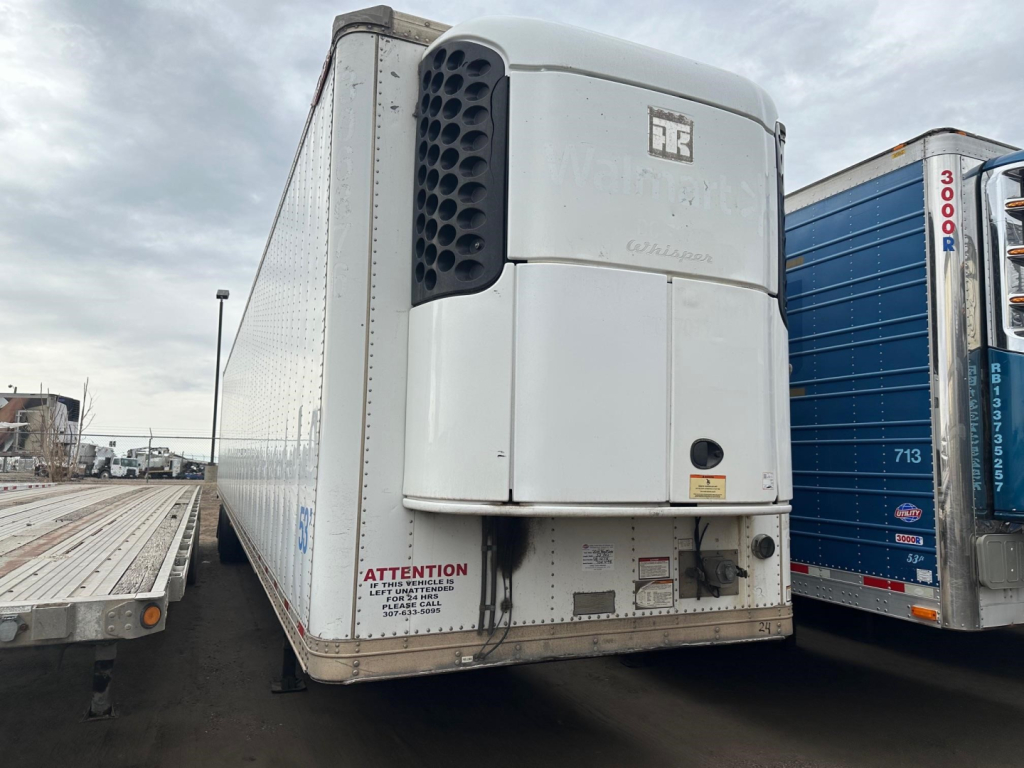
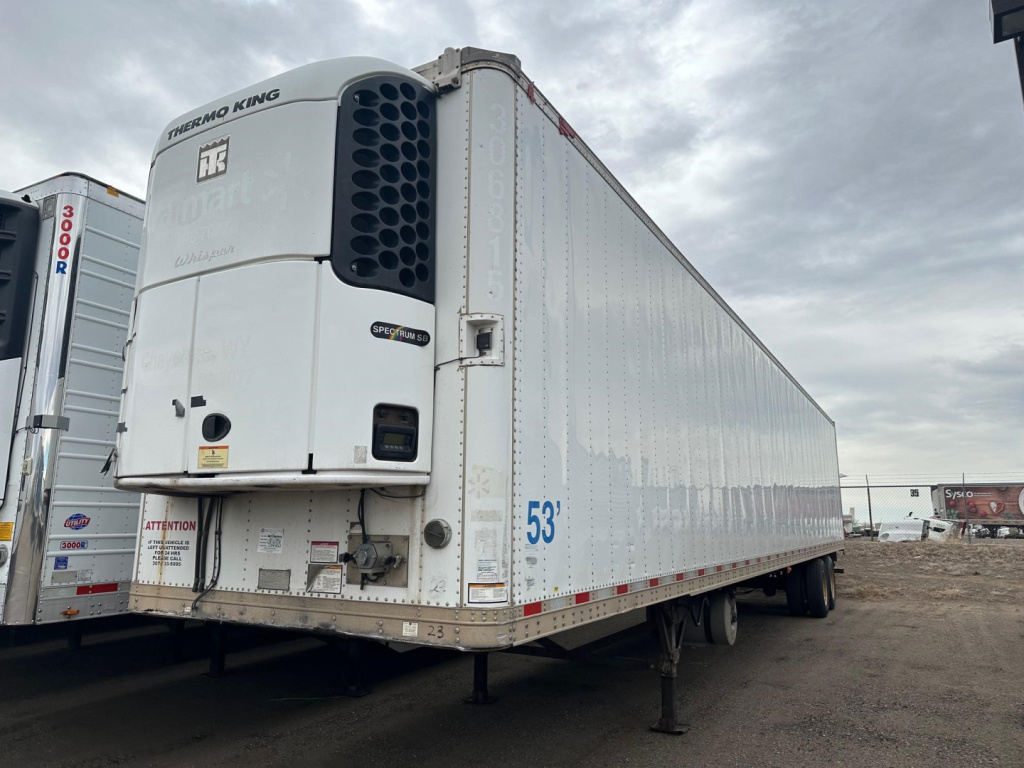
Most 2014 reefer trailers on the market are 53 feet long, 102 inches wide, and built for grocery, foodservice, produce, frozen freight, dairy, and pharmaceutical support lanes. Typical construction includes aluminum or composite sidewalls, duct or duct-style floors for airflow, scuff liners or scuff plates, and either swing doors or roll-up rear doors depending on route work. Buyers should pay close attention to inside height, floor condition, and door seal integrity because airflow and insulation performance directly affect product temperature and fuel consumption. If the trailer will run multi-stop distribution, features like a cold chute, heavy-duty scuff protection, stainless rear frames, and durable door hardware can make a noticeable difference in long-term upkeep.
Suspension and running gear deserve the same scrutiny as the refrigeration package. Many used 2014 reefer trailers are spec'd with air ride or spring suspension, sliding tandems, 22.5 low-profile tires, and either steel or aluminum wheels. Tire inflation systems, disc wheels, and corrosion-resistant rear structures are all useful features on high-mileage refrigerated equipment. Check for floor wear from pallets and jacks, wall damage from shifting freight, and any signs of water intrusion around the front wall, roof seams, or door frame. Reefer buyers should also verify the unit's ability to pull down to target temperature, hold setpoint, and transition cleanly through defrost cycles.
A 2014 refrigerated trailer can fit a wide range of operations, from dedicated regional food routes to backup seasonal capacity. The best unit for the job depends on cargo profile, loading pattern, and compliance demands. Frozen and deep-chill freight typically put more emphasis on insulation condition and reefer output, while produce and mixed-temp work may require better airflow management and cleaner interiors. If uptime is the priority, service records, reefer hours, and prior fleet maintenance standards usually tell more than the badge on the nose. Buyers comparing used 2014 reefer trailers should focus on refrigeration health, structural condition, and remaining service life across the trailer and the unit as a complete system.
Frequently Asked Questions about Used 2014 Reefer Trailers
What should I check first on a used 2014 reefer trailer?
Start with the refrigeration unit, because that is the most expensive and operationally critical component. Review engine hours, service records, recent repairs, and whether the unit reaches and maintains setpoint under load conditions. After that, inspect the trailer body for insulation integrity, floor wear, door seal condition, and structural damage around the front wall, rear frame, and roof seams.
Are 2014 reefer trailers still a good value for fleet use?
A 2014 reefer trailer can be a strong value if it has documented maintenance and a healthy refrigeration unit. Many trailers from this model year are still suitable for regional foodservice, grocery distribution, and seasonal cold-chain work, especially when the body is tight and the floor and doors are in good condition. The right value depends less on age alone and more on reefer hours, repair history, and how hard the trailer has been worked.
What are common specs on a used 2014 reefer trailer?
Common specs include a 53-foot overall length, 102-inch width, swing doors, sliding tandem, and either air ride or spring suspension. Many are equipped with Thermo King or Carrier refrigeration units, aluminum duct floors, scuff liners, stainless rear frames or door components, and 22.5 low-profile tires. Exact configurations vary based on whether the trailer was built for long-haul truckload, regional grocery work, or multi-stop delivery.
How important is floor type on a reefer trailer?
Floor type is extremely important because it affects airflow, sanitation, and durability. Aluminum duct floors help move cold air under the freight and are common in refrigerated applications, but they should be checked closely for crushed sections, excessive wear, and damage from forklifts or pallet jacks. A compromised floor can reduce cooling efficiency and create ongoing maintenance issues in temperature-sensitive service.
What is the difference between a reefer trailer and a dry van?
A reefer trailer, also known as a refrigerated trailer, is insulated and equipped with a self-contained refrigeration unit to maintain a controlled cargo temperature. A dry van has no active cooling system and is used for general freight that does not require temperature protection. Reefer trailers are more complex to maintain because buyers must evaluate both the trailer structure and the refrigeration system.