
Used Reefer Trailers For Sale in Georgia
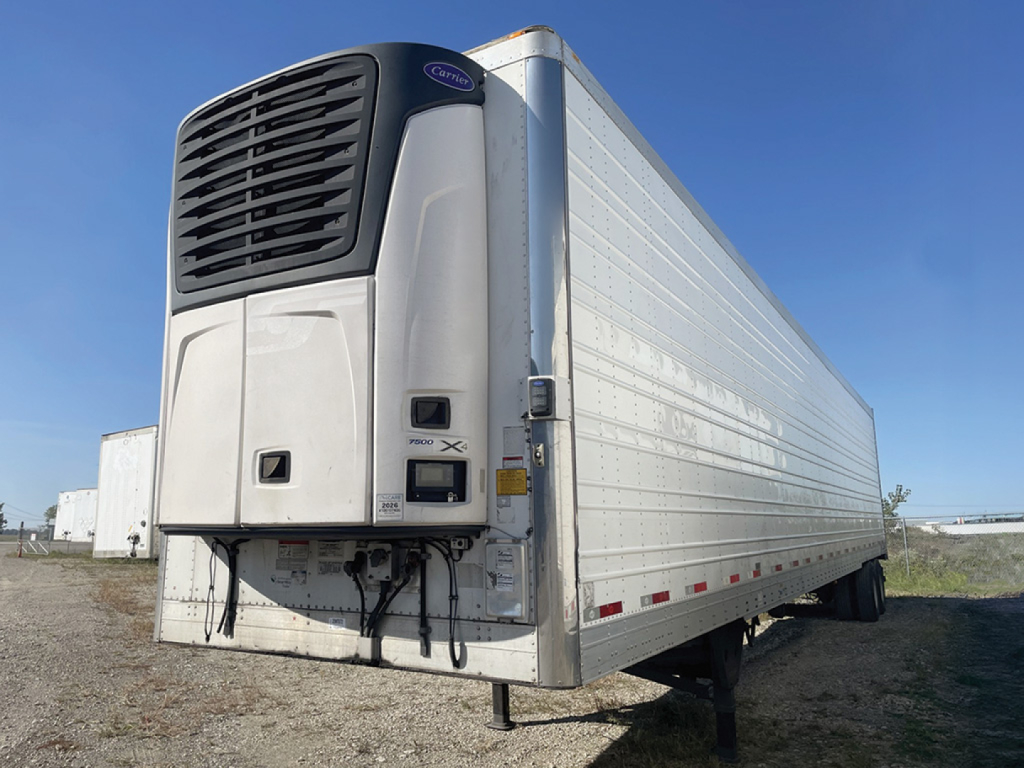
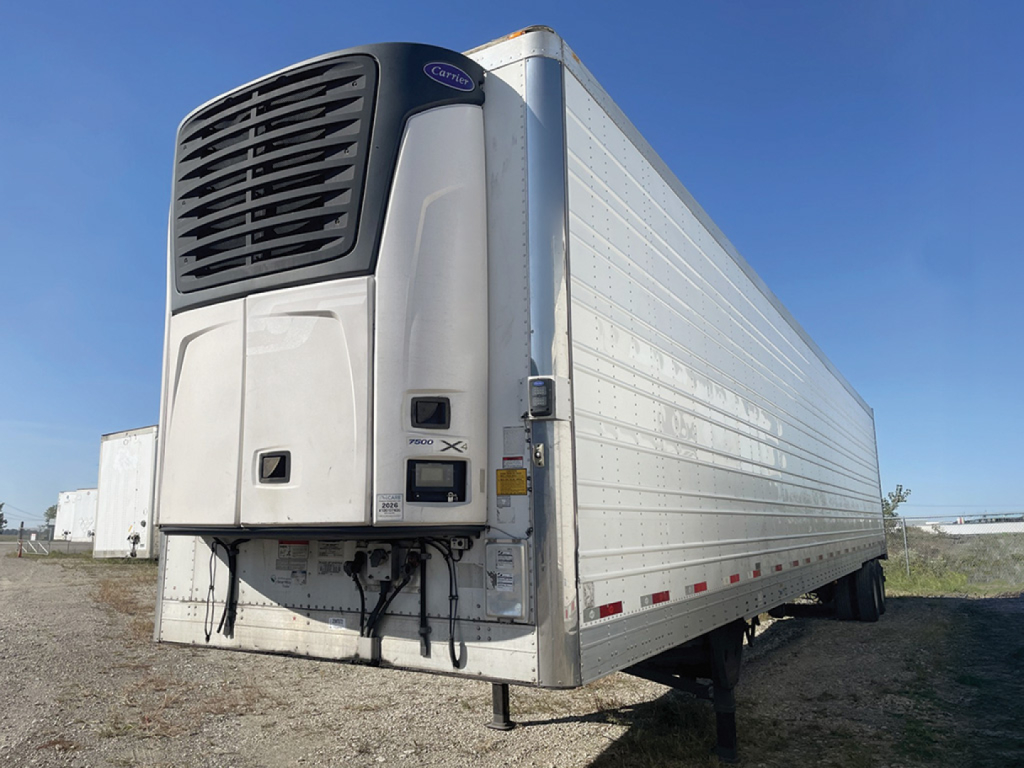
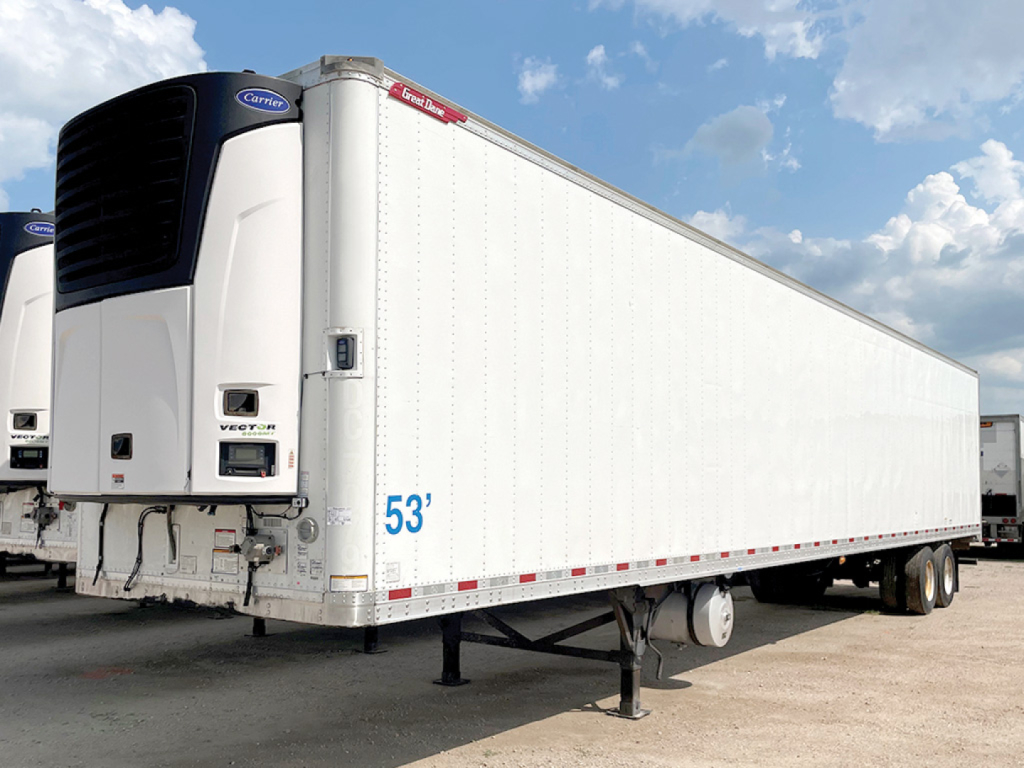
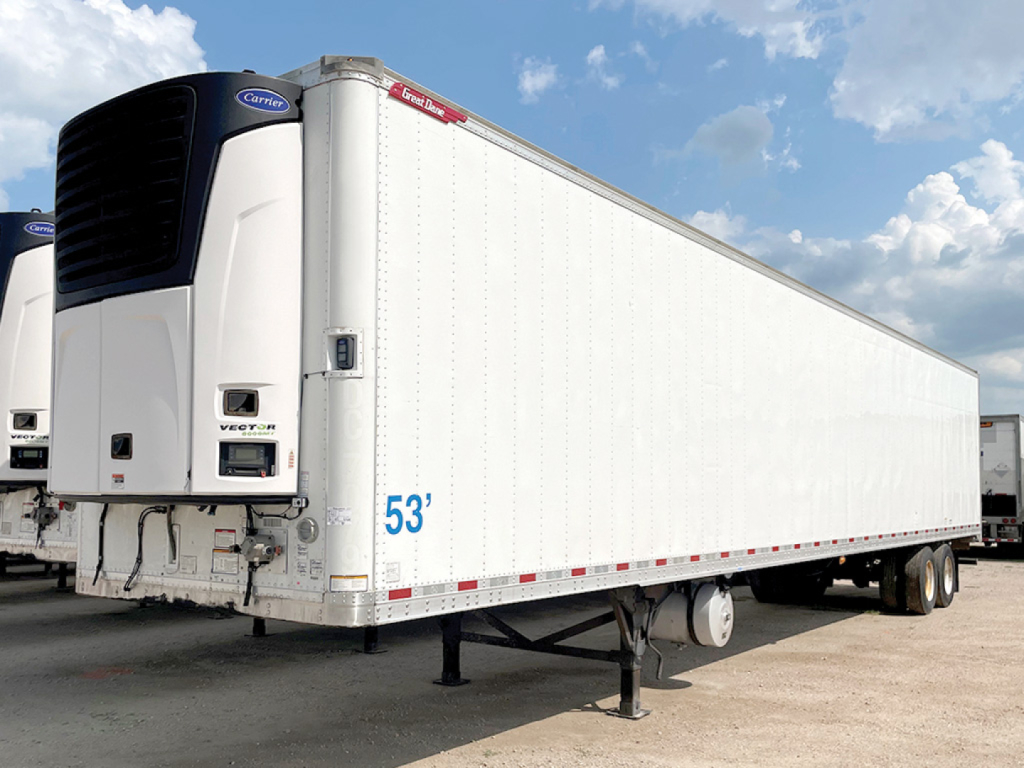
Browse used reefer trailers for sale in Georgia, including 53-foot and multi-temp units with Carrier systems, sliding tandems, and cold-chain specs.
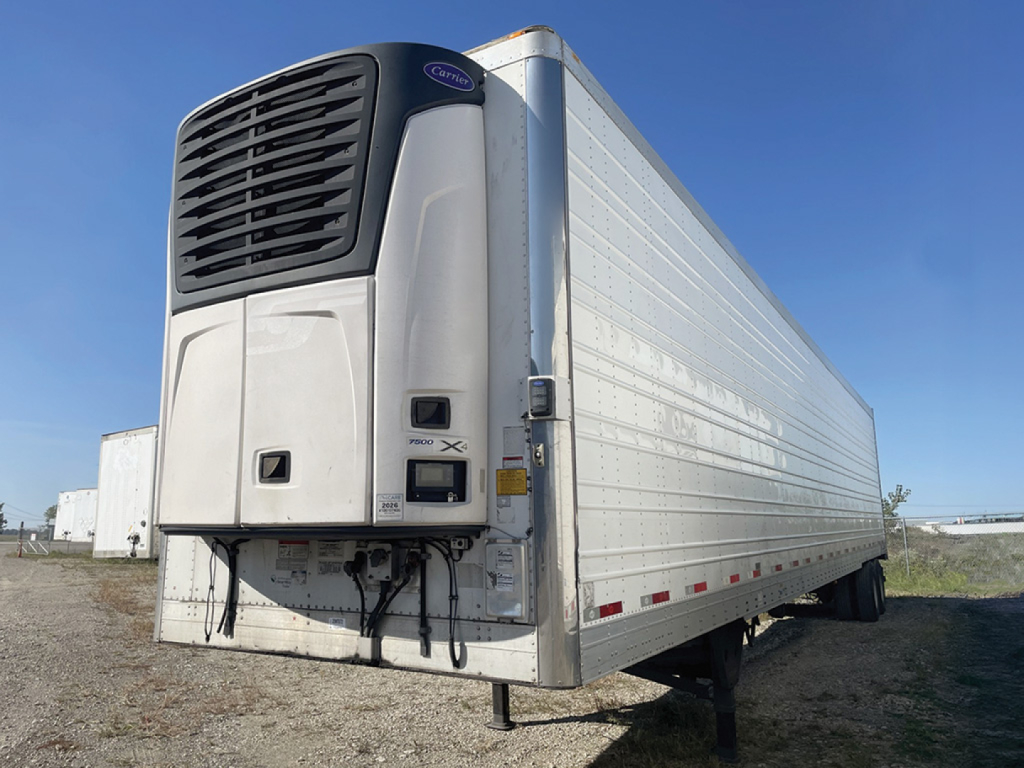
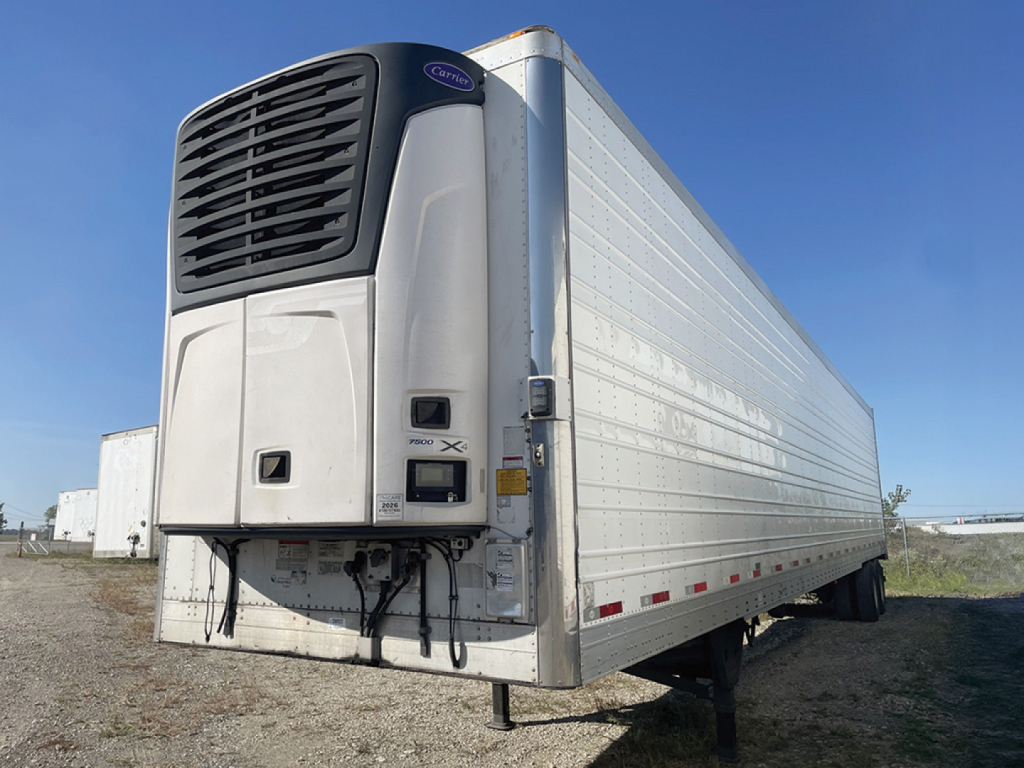
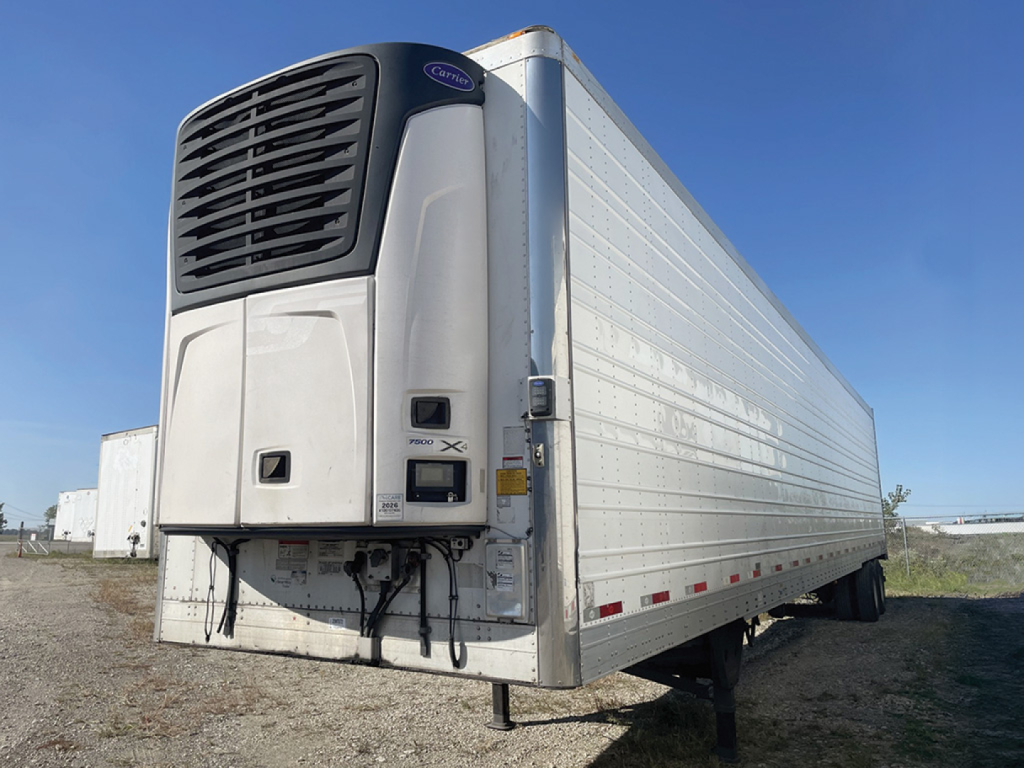
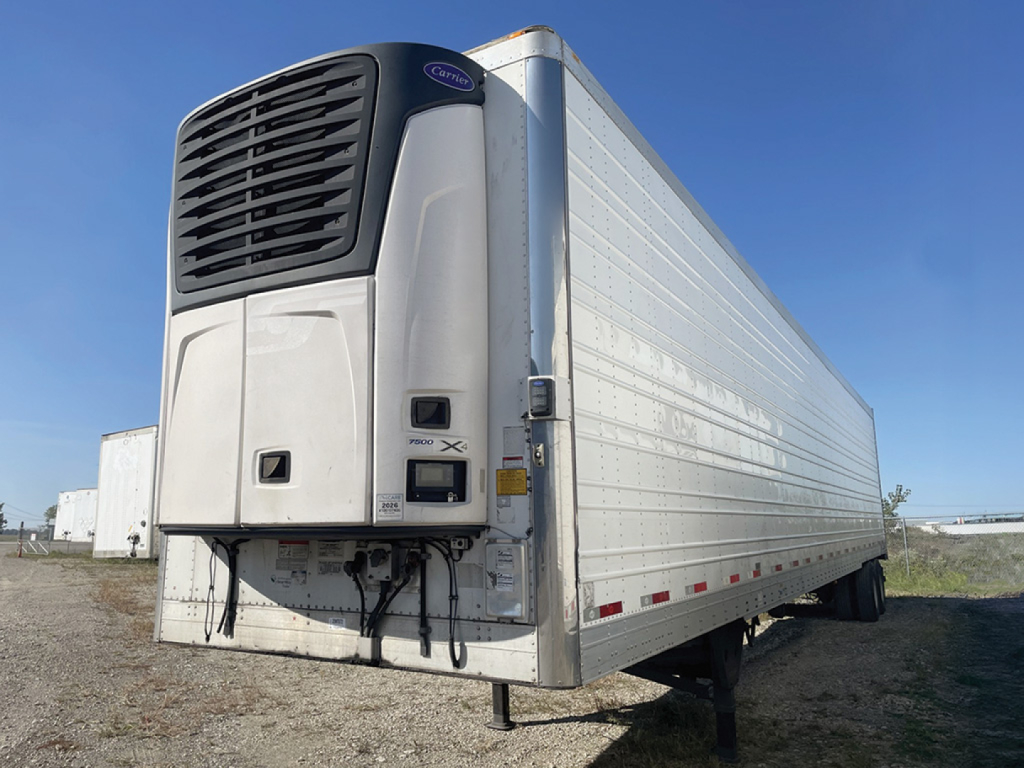

Selling a used reefer trailer? List your used reefer trailer for sale and reach thousands of commercial buyers.
Used Reefer Trailers in Georgia
The trailer itself needs to match the freight profile. Floor style is a major decision point. Aluminum duct floors support airflow under pallets and are common in full-temperature-controlled applications, while flat floors can suit certain delivery patterns and specialized cargo setups. Interior protection and loading hardware also matter. Scuff liners or scuff plates, stainless steel door frames, threshold plates, E-track, cold chutes, and rear vents all affect durability and temperature management. Door configuration deserves close attention too. Swing doors remain common for dock work and seal integrity, while roll-up doors, curbside doors, and liftgates can make a reefer more useful on urban or multi-stop delivery routes.
In Georgia, reefer buyers often balance interstate linehaul needs with regional distribution demands across Atlanta, Savannah, Macon, and the broader Southeast. That makes suspension, brake, and tandem setup worth a hard look. Air ride is often preferred for ride quality and cargo protection, while spring suspension can still be a practical fit for certain fleet maintenance programs. Sliding tandems help with bridge law compliance and dock positioning. Tire inflation systems, low-profile 22.5 tires, side skirts, and disc brakes can reduce downtime, improve stopping performance, and support fuel economy on long regional lanes.
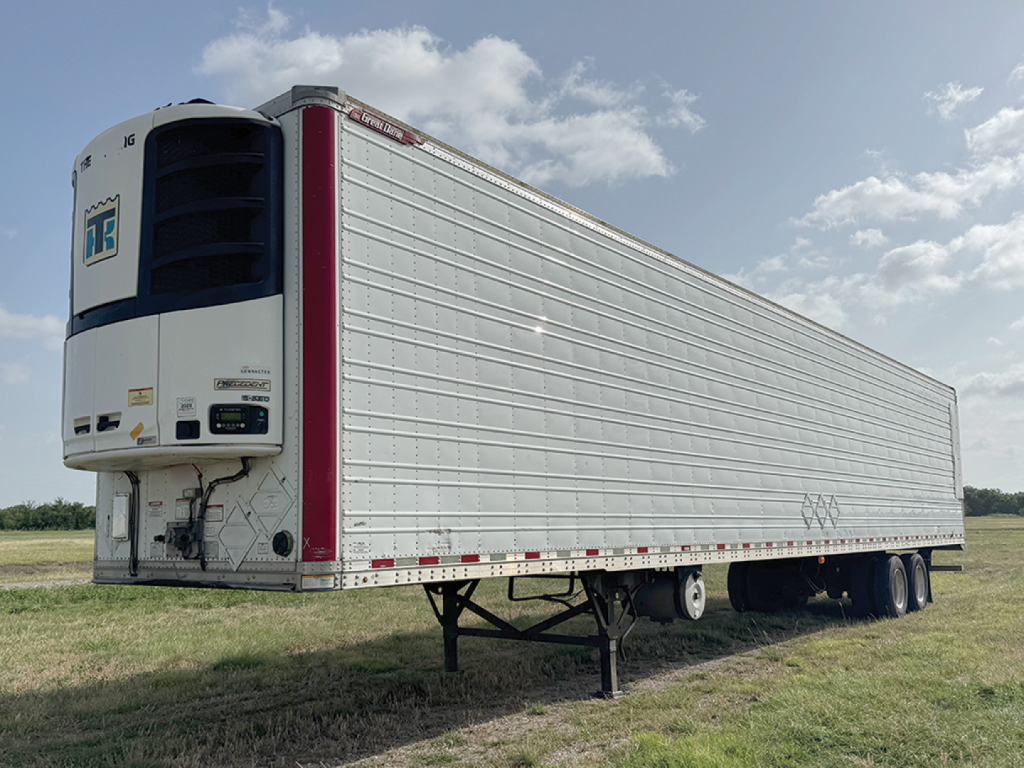
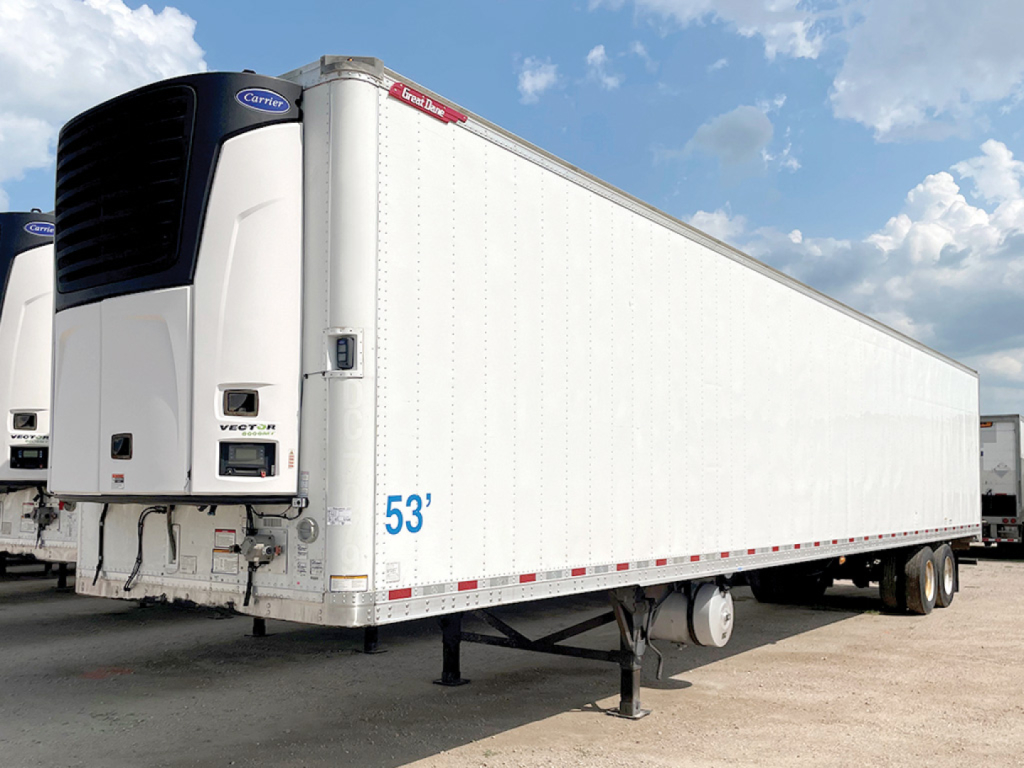
A good used reefer trailer is more than a cold box. It is a combination of insulation integrity, refrigeration reliability, cargo-control layout, and chassis condition. Check for floor wear, wall delamination, door seal condition, evaporator and condenser cleanliness, and signs of past impact damage around the front wall and rear frame. For buyers comparing late-model Wabash, Utility, Great Dane, and similar reefer trailers, the best value usually comes from matching the trailer's interior configuration and reefer unit spec to the exact freight mix, stop count, and compliance demands of the operation.
Frequently Asked Questions about Used Reefer Trailers in Georgia
What should I check first on a used reefer trailer?
Start with the refrigeration unit and the insulated body. Confirm the reefer make and model, engine hours, maintenance records, and recent temperature performance. Then inspect the trailer box for insulation issues, floor damage, door seal wear, front wall damage, and signs of water intrusion or delamination. A reefer trailer can look clean and still have expensive cooling or body problems, so mechanical condition and box integrity should come before cosmetic appearance.
Is a multi-temp reefer trailer worth it?
A multi-temp reefer trailer is worth the added complexity if the operation regularly hauls frozen and chilled freight together or runs route delivery with separated temperature zones. These trailers use bulkheads and zone controls to carry different products at different set points. If the freight is mostly single-temp truckload, a standard single-zone reefer is often simpler to maintain and easier to troubleshoot. The right choice depends on route density, stop count, and how often mixed loads are part of the business.
What length and configuration are most common for used reefer trailers in Georgia?
The most common used reefer trailer configuration is a 53-foot by 102-inch high-cube trailer with tandem axles and a sliding tandem. That setup fits standard dock operations, interstate freight, and regional grocery distribution. Buyers also see occasional 51-foot units, liftgate-equipped trailers, and city-delivery door configurations. In Georgia, 53-foot reefers are the default choice for carriers running Atlanta-centered regional lanes and Southeast distribution networks.
Are air ride and disc brakes important on a reefer trailer?
Air ride suspension helps protect sensitive cargo and can improve ride quality over long regional or over-the-road routes. Disc brakes can improve stopping consistency and reduce brake fade, which is valuable on heavier or time-sensitive refrigerated runs. Neither feature is mandatory for every operation, but both can add practical value, especially for fleets focused on food safety, trailer uptime, and driver acceptance. Buyers should weigh these features against service familiarity and total maintenance cost.
How do I choose between swing doors and roll-up doors on a reefer trailer?
Swing doors are common on truckload reefers because they provide strong sealing, full rear opening width, and straightforward maintenance. Roll-up doors can be useful in tight delivery environments where rear clearance is limited or frequent stop-and-go unloading is expected. The tradeoff is that roll-up systems add moving parts and can reduce usable opening height. For dock-based freight with standard pallet loading, swing doors are often preferred. For route delivery, roll-up doors may be the better fit.