
Used 2017 Reefer Trailers For Sale in Georgia
Browse used 2017 reefer trailers for sale in Georgia. Compare 53-foot refrigerated trailers, multi-temp units, floors, suspension, and reefers.
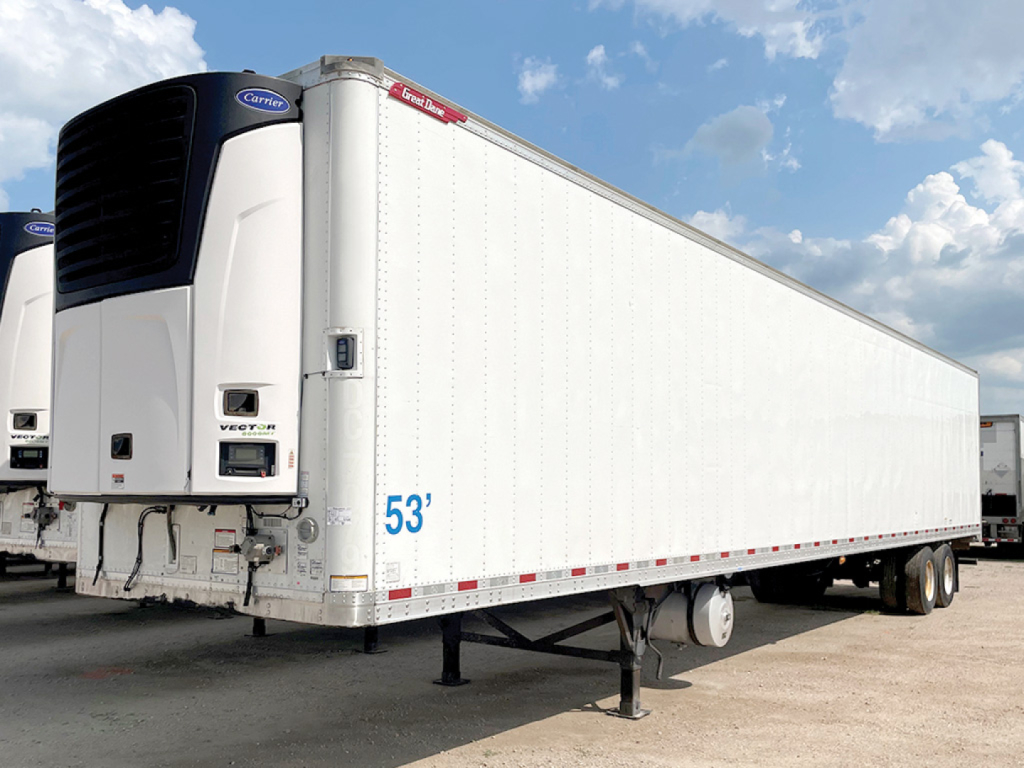
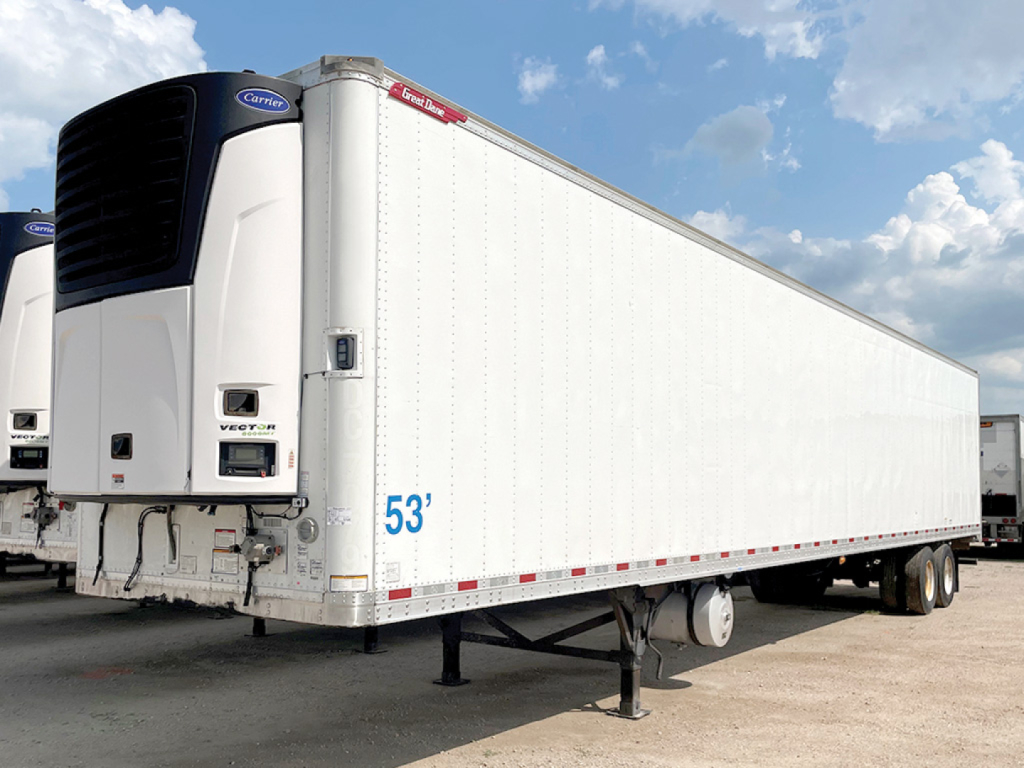
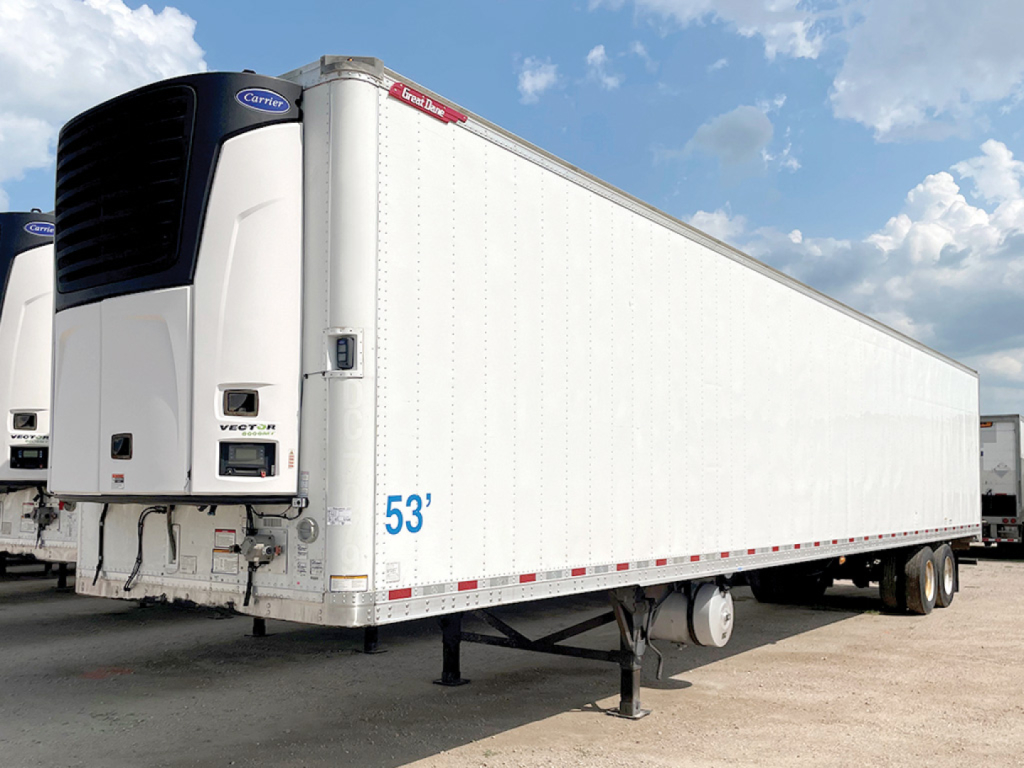

Selling a used 2017 reefer trailer? List your used 2017 reefer trailer for sale and reach thousands of commercial buyers.
Used 2017 Reefer Trailers in Georgia
On a 2017 reefer trailer, the refrigeration unit matters as much as the box. Carrier and Thermo King units are the most common in this class, and buyers should pay close attention to engine hours, run hours, maintenance records, and any recent major repairs. Multi-temp units such as Carrier Vector systems add versatility, but they also add complexity through additional evaporators, controls, and partition requirements. Floor type is another major checkpoint. Aluminum duct floors are common for consistent air circulation under pallets, while flat floors may suit certain freight profiles better. Scuff liners, scuff plate protection, E-track, stainless steel door frames, rear vents, and cold chutes can all affect how well the trailer fits foodservice, grocery, or dedicated cold-chain work.
For Georgia operations, reefer buyers should think about heat load, stop frequency, and regional lane length. A trailer running Atlanta distribution with frequent door openings puts different demands on the unit than a long-haul reefer moving frozen freight across the Southeast. Swing doors often provide a tighter seal and are common in dock freight, while roll-up doors can be useful in high-stop delivery applications where speed matters. Suspension and running gear also deserve attention. Sliding tandems are standard on many 53-foot reefers, and used 2017 models may be equipped with spring ride or air ride depending on the original application. Low-profile 22.5 tires, aluminum or steel wheels, disc brakes, and tire inflation systems are all worth comparing because they affect maintenance cost, tire life, and uptime.
Condition on a used reefer trailer should be judged beyond the sheet metal. Check the bulkhead, door seals, floor wear, sidewall lining, roof condition, drains, and signs of insulation damage or moisture intrusion. On multi-temp trailers, inspect partitions, chute condition, evaporator placement, and control response in each zone. Buyers should also confirm kingpin setting, tandem slide range, and reefer fuel tank condition to make sure the trailer matches bridge laws, loading patterns, and dock setup. A clean 2017 reefer can still be a productive asset if the unit pulls down temperature correctly, holds setpoint under load, and shows solid maintenance history across both the trailer and the refrigeration system.
Frequently Asked Questions about Used 2017 Reefer Trailers in Georgia
What should I inspect first on a used 2017 reefer trailer?
Start with the refrigeration unit, the trailer floor, and the box integrity. Confirm the reefer pulls down to set temperature, holds that temperature, and has service records showing regular maintenance. Then inspect the floor for wear, crushed ducts, or patching that may affect airflow and forklift use. Finish by checking door seals, sidewalls, roof, front wall, and bulkhead for signs of insulation damage, water intrusion, or impact repairs, because box condition directly affects temperature control and fuel efficiency.
Is a 2017 multi-temp reefer trailer worth it over a single-temp trailer?
A 2017 multi-temp reefer trailer is worth considering if the freight mix requires separate temperature zones for frozen, chilled, and fresh products on the same route. It gives more routing flexibility for grocery and foodservice operations, but it also brings more components to maintain, including extra evaporators, controls, and partitions. If the trailer will mainly haul one commodity at one temperature, a single-temp reefer is usually simpler and less expensive to operate.
What are common specs for a 2017 reefer trailer in Georgia?
Most 2017 reefer trailers on the market are 53 feet long, 102 inches wide, and 13 feet 6 inches high, with inside heights often around 92 to 93 inches. Common features include sliding tandems, low-profile 22.5 tires, scuff liners or scuff plates, aluminum floors, and either swing or roll-up rear doors. Refrigeration units are commonly Carrier or Thermo King, and some trailers may include tire inflation systems, disc brakes, stainless steel rear frames, or side skirts depending on the original fleet spec.
How important is floor type on a refrigerated trailer?
Floor type is critical because it affects airflow, sanitation, and forklift durability. Aluminum duct floors help move cold air under the load and are common in food distribution because they support consistent temperature performance. Flat floors may be preferred for some cargo handling needs, but buyers need to verify that airflow design still matches the intended freight. Excessive floor wear, crushed channels, or poor repairs can reduce cooling performance and increase product risk.
What matters most for reefer trailer buying in Georgia?
In Georgia, buyers should focus on refrigeration performance in hot weather, door seal condition, and how the trailer handles frequent loading cycles. Regional produce, grocery, and foodservice work often creates higher heat load from repeated door openings and short stops. A reefer trailer that performs well on long steady highway runs may struggle in urban distribution if the unit is weak, the insulation is compromised, or the airflow setup is wrong for the freight.