
Used 2020 Reefer Trailers For Sale
Browse used 2020 reefer trailers for sale. Compare 53-foot specs, refrigeration units, insulation, floor types, and operating features.
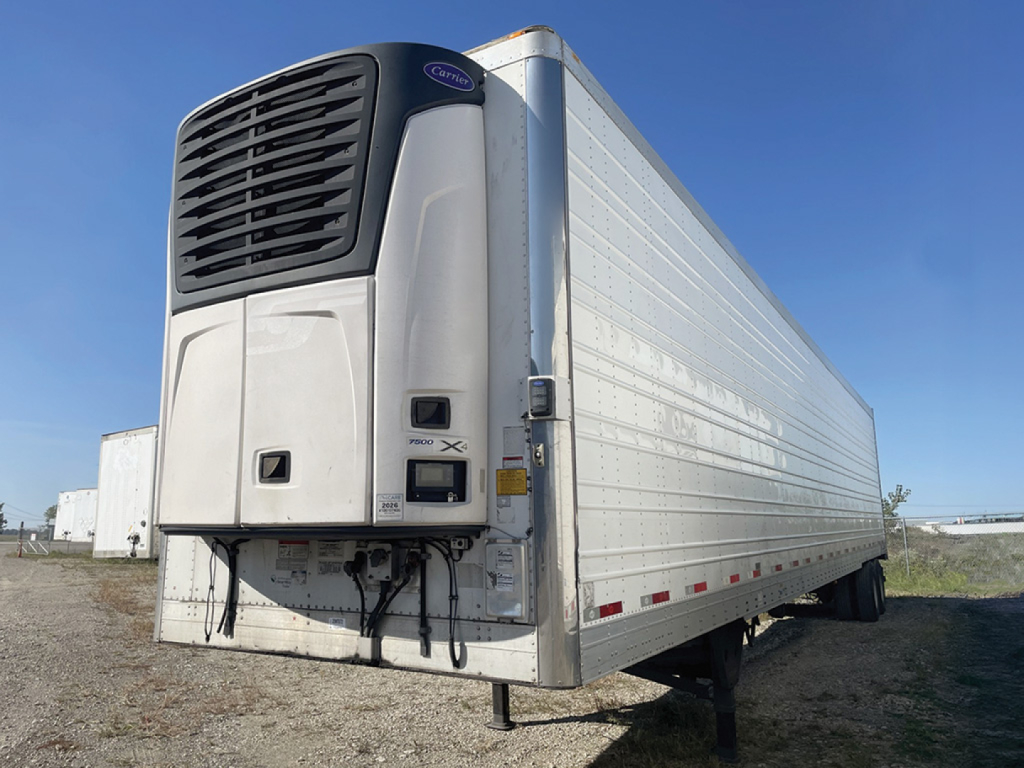
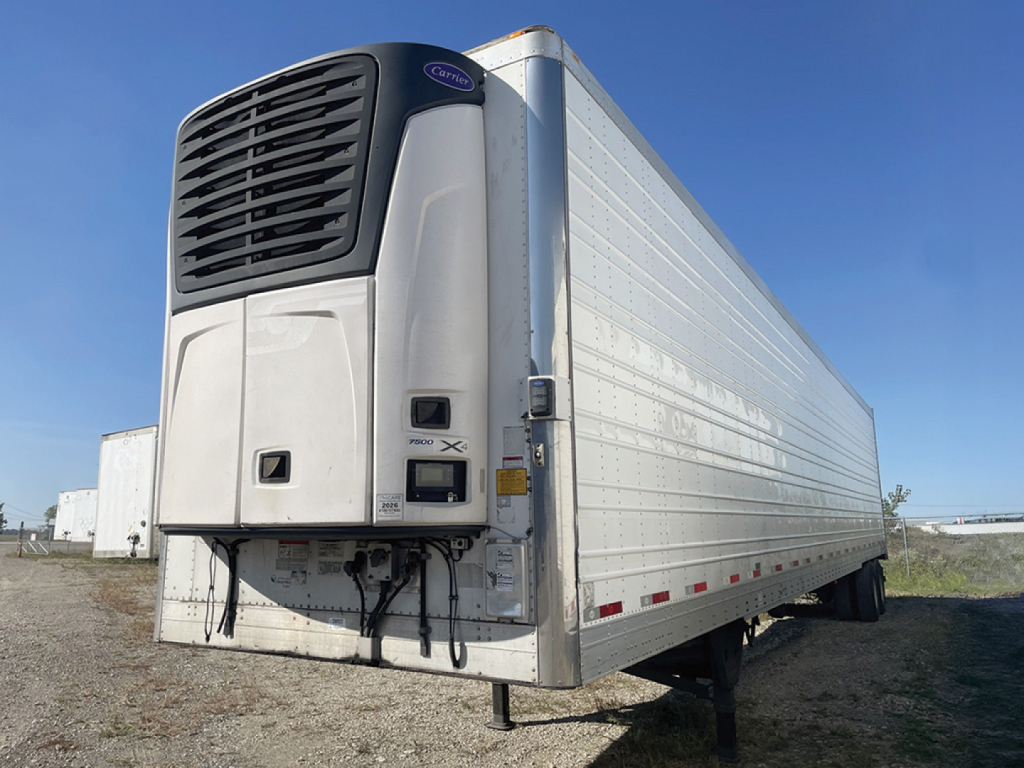
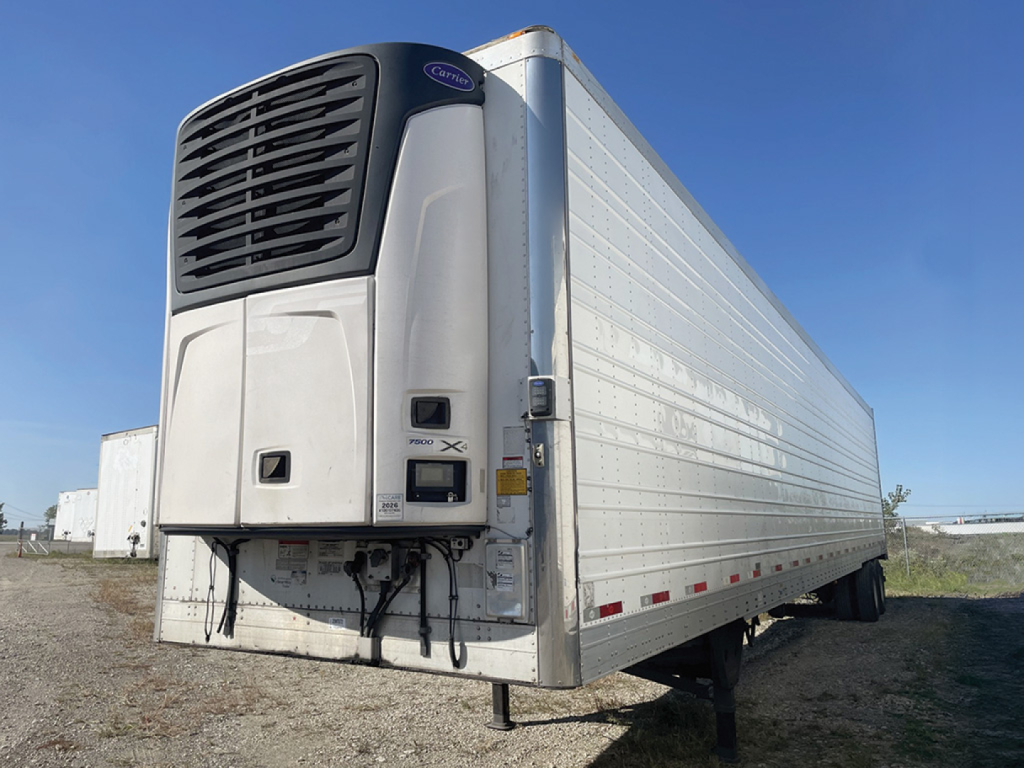
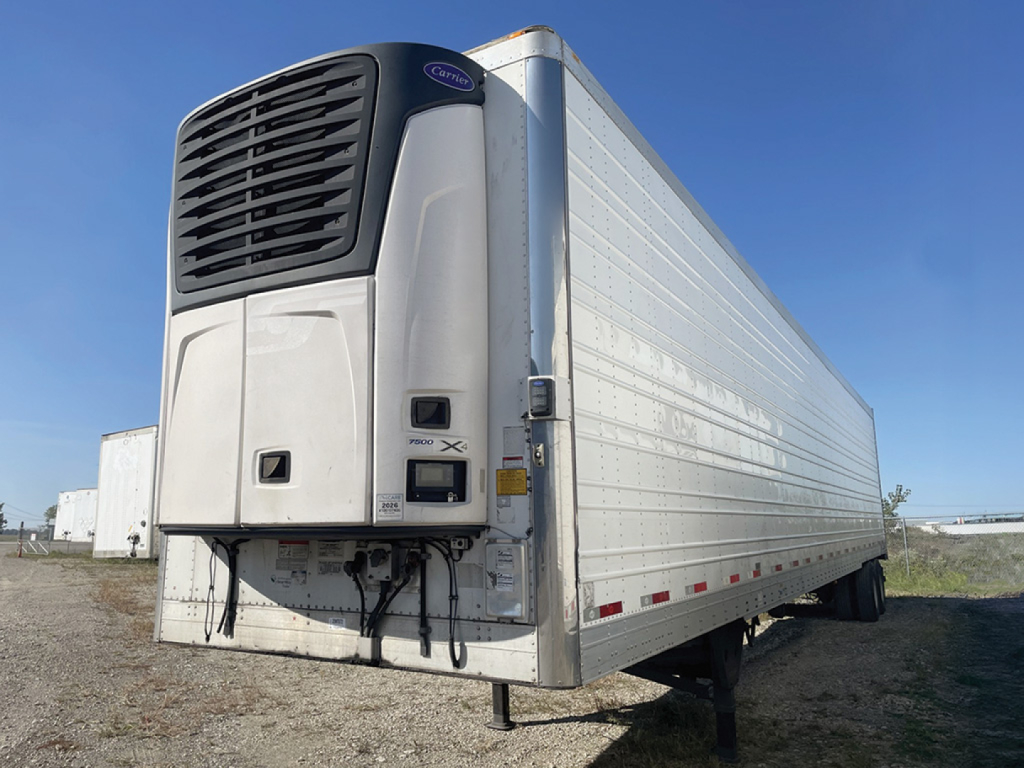

Selling a used 2020 reefer trailer? List your used 2020 reefer trailer for sale and reach thousands of commercial buyers.
Used 2020 Reefer Trailers
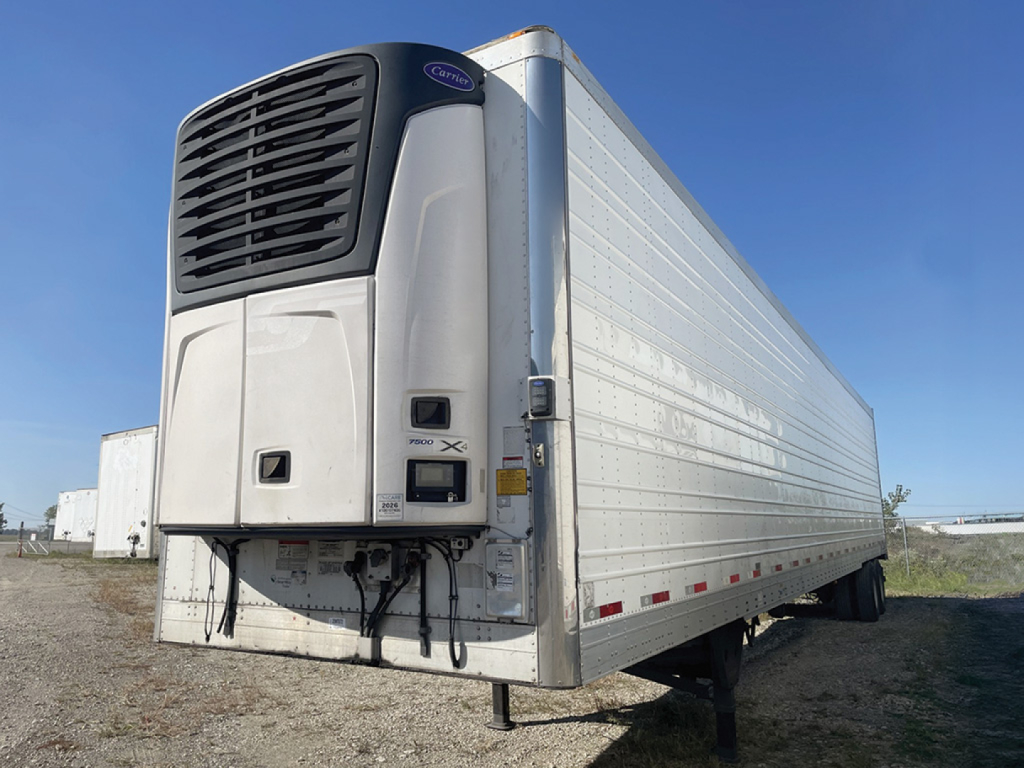
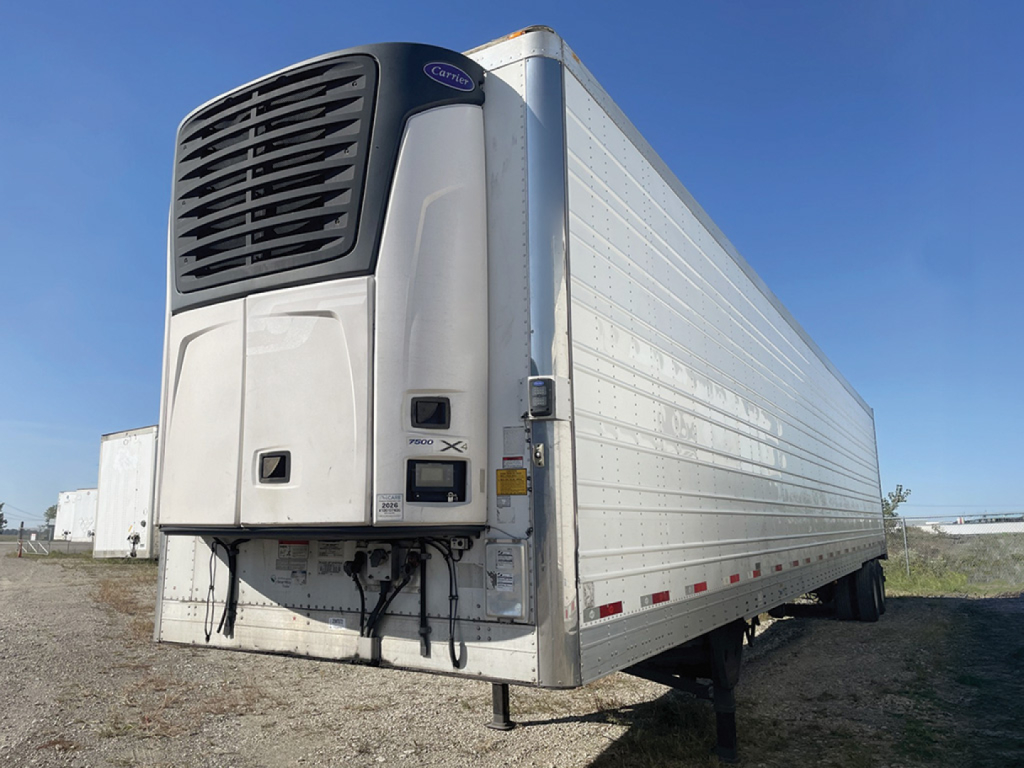
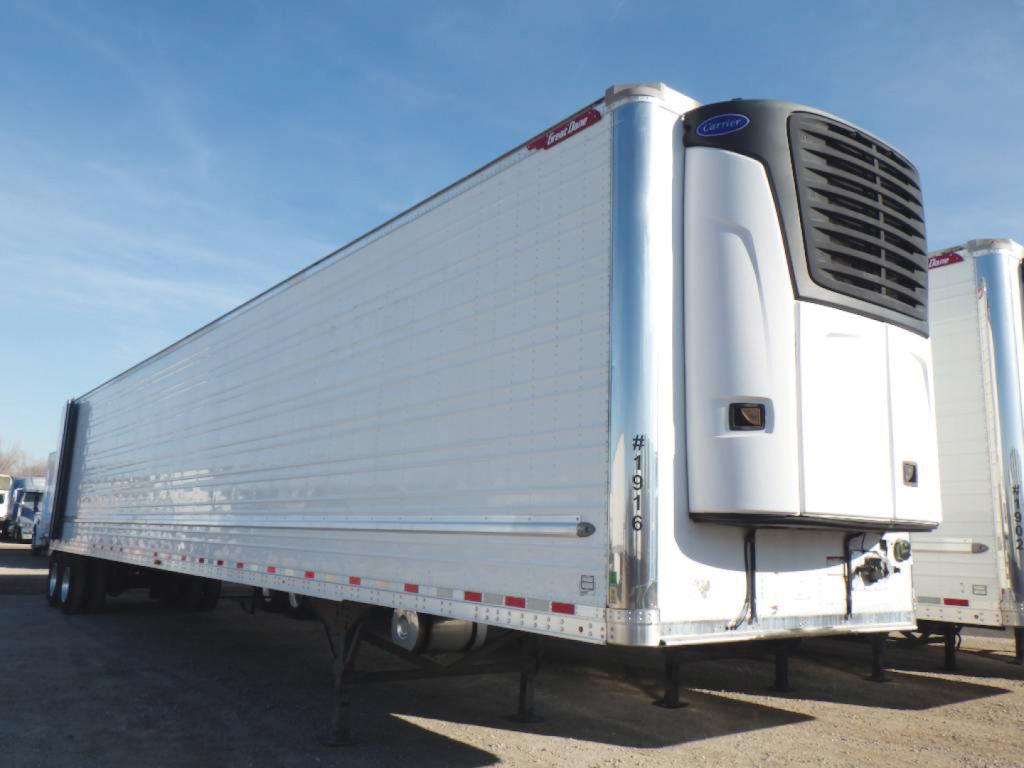
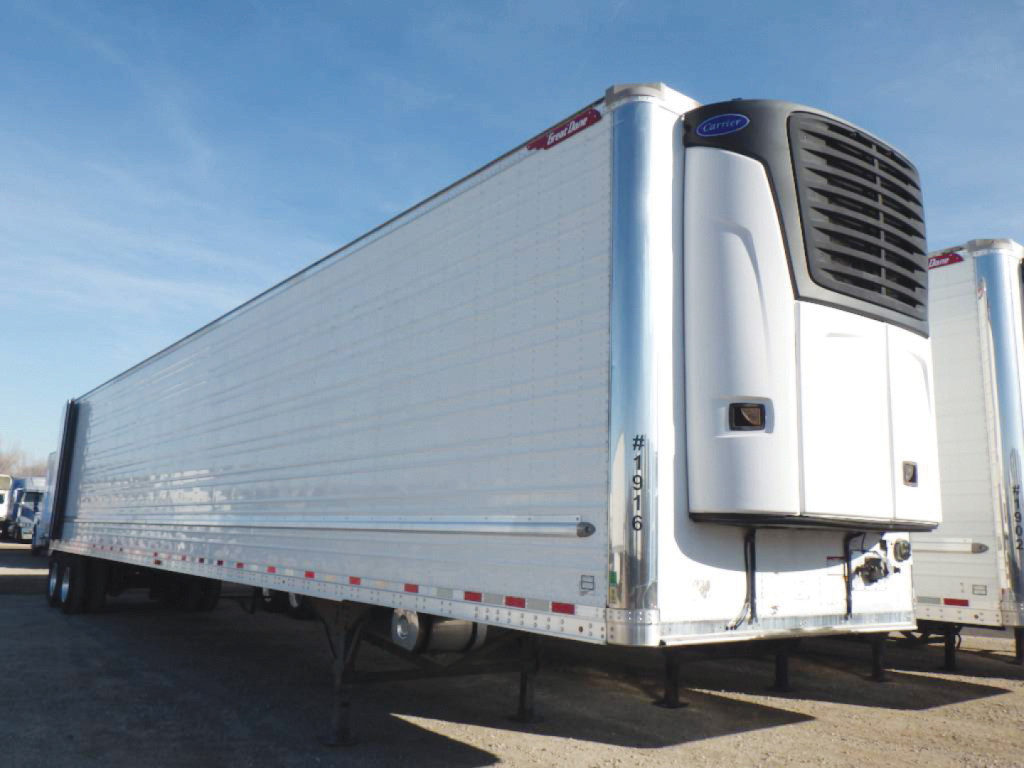
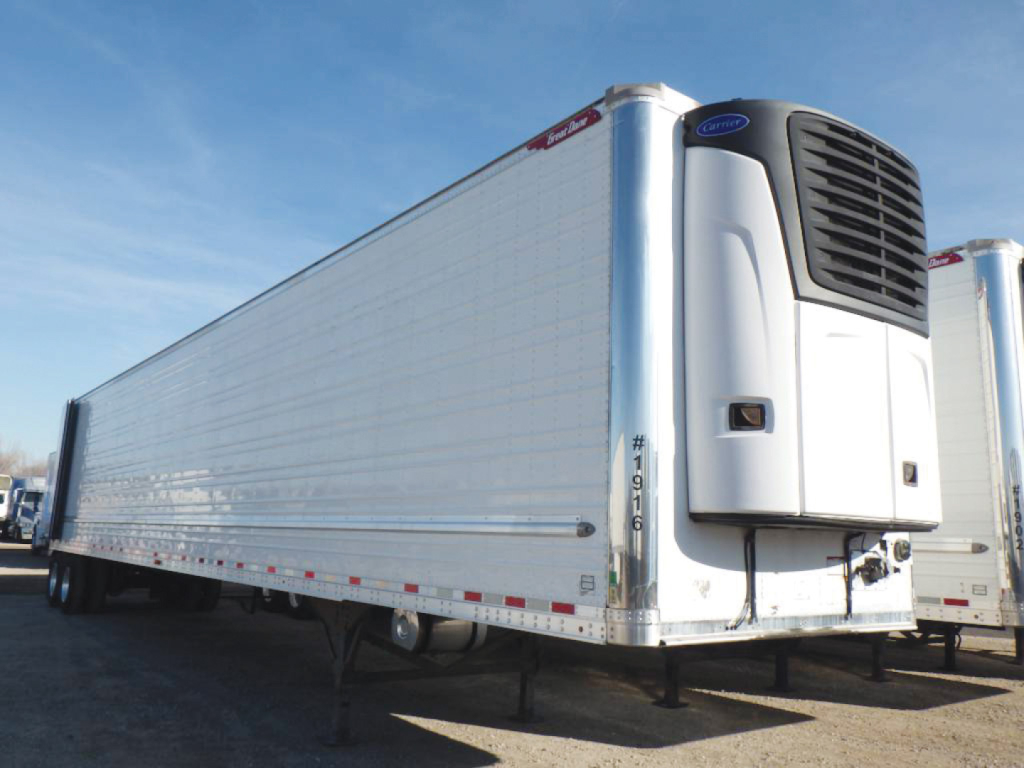
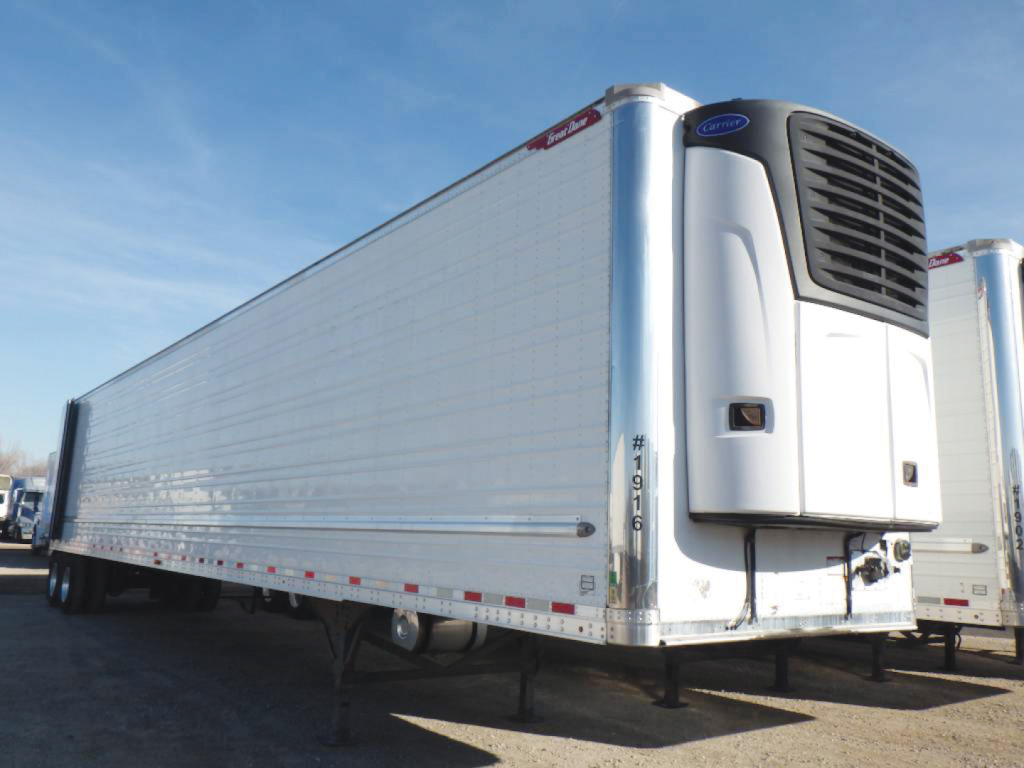
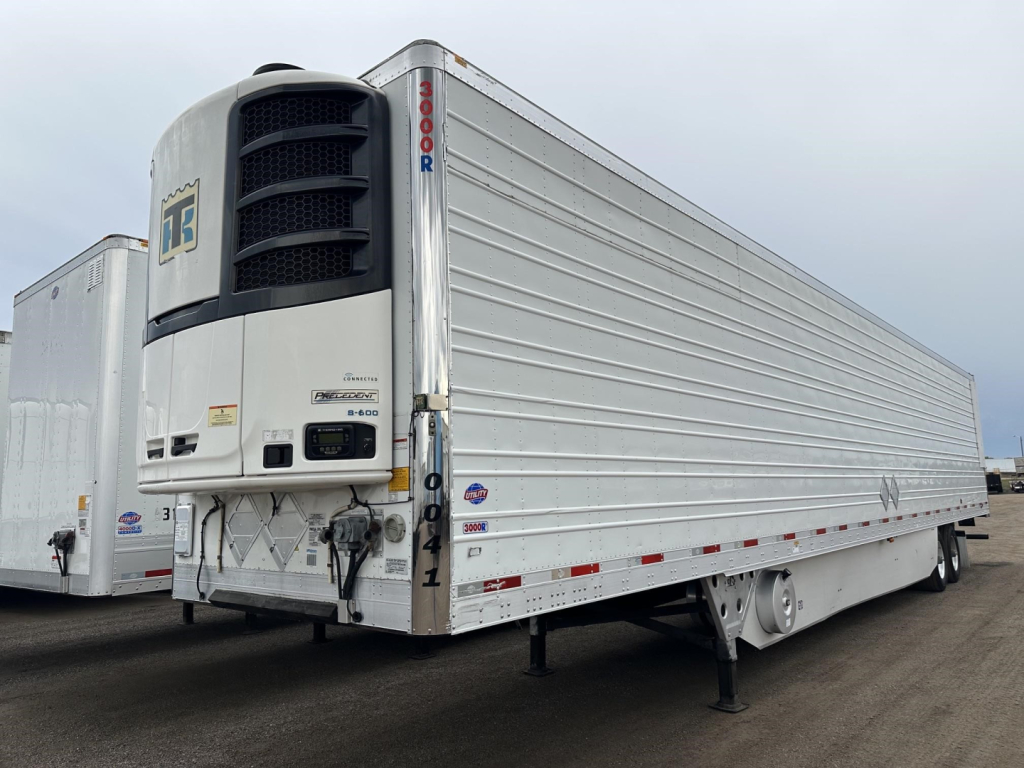
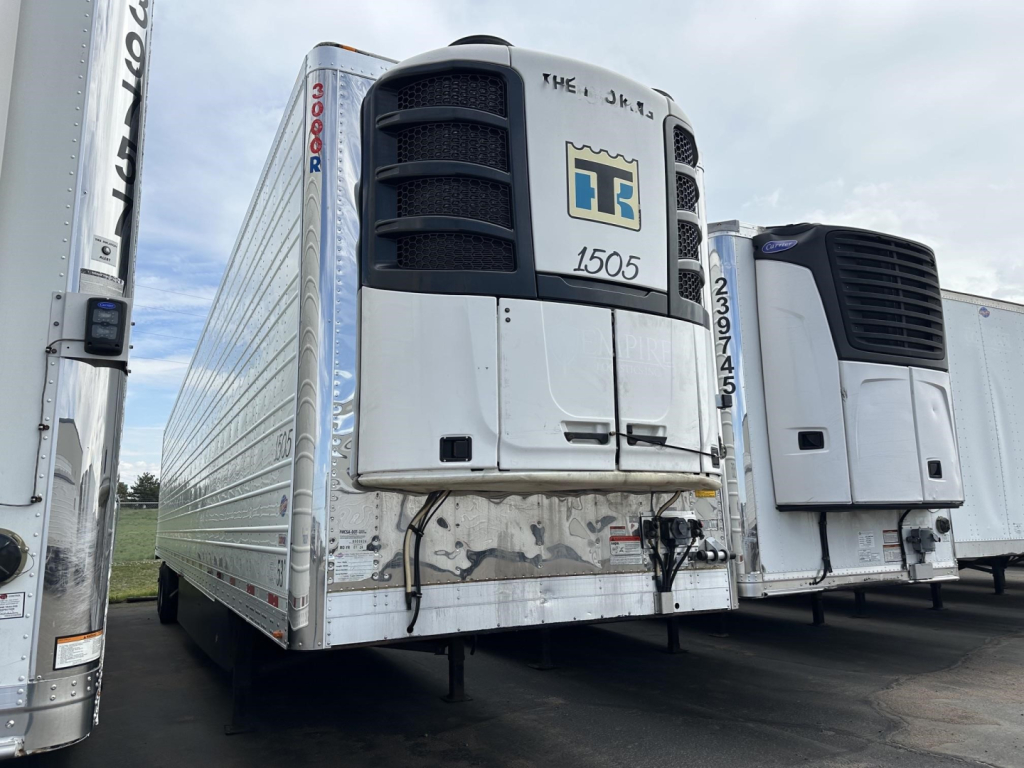
The refrigeration package should be one of the first things you evaluate. Many 2020 reefers were ordered with Carrier X4 7300 or similar high-capacity units, while others may carry comparable Thermo King models. Unit hours tell a bigger story than trailer age alone, especially in produce, grocery, and dedicated cold-chain service. Buyers should compare engine hours, service history, defrost performance, fuel tank size, start-stop operation, and how well the box holds setpoint under load. Air chutes, return bulkheads, insulation thickness, door seal condition, and floor condition all directly affect temperature recovery and consistency. A reefer with a solid unit but poor airflow management can still underperform in multi-stop work.
Trailer construction and running gear deserve equal attention. In 2020-spec equipment, it is common to see aluminum roofs, duct or HD duct floors, galvanized or stainless rear frames, scuff liners, stainless front corners, and quilted stainless rear doors. Buyers hauling pallets with frequent forklift traffic should pay close attention to floor wear, threshold plate damage, and lower wall scuffing. Suspension setup, brake type, and wheel-end spec also affect operating cost. Air ride is the standard choice for ride quality and cargo protection, while disc brakes and tire inflation systems can reduce downtime and improve safety. Slider settings, kingpin setting, tire size, and crossmember spacing matter if the trailer will move between fleets, lanes, or states with axle-sensitive bridge laws.
A used 2020 reefer trailer is commonly used in food distribution, frozen freight, dairy, meat, produce, pharmaceuticals, and other temperature-controlled applications. The right choice depends on lane length, stop frequency, and commodity profile. Local and regional multi-stop work puts more value on fast pull-down, strong door hardware, and durable interiors. Long-haul shippers may care more about fuel economy, side skirts, unit efficiency, and clean maintenance records. Buyers comparing listings should focus on unit hours, structural condition, floor and door integrity, suspension and brake spec, and evidence of consistent reefer service. In this category, the best trailer is usually the one with the most complete maintenance history and the least hidden wear inside the box.
Frequently Asked Questions about Used 2020 Reefer Trailers
What should I look at first when buying a used 2020 reefer trailer?
Start with the refrigeration unit, the box condition, and the floor. Check reefer unit hours, maintenance records, fuel tank condition, and whether the unit holds temperature correctly at setpoint. Then inspect the interior for floor damage, soft spots, broken scuff liners, damaged door seals, and signs of insulation or moisture issues. A clean exterior matters less than airflow performance, structural integrity, and service history.
How many hours is a lot for a 2020 reefer unit?
There is no single cutoff, because hours depend on the trailer’s application and duty cycle. A 2020 reefer in heavy multi-stop grocery service may accumulate much more runtime than one used in lighter regional freight. High hours are not automatically a problem if the unit has documented preventive maintenance, clean reefer downloads, and good temperature control. Buyers should judge hours together with service records, engine condition, and overall trailer wear.
Are 2020 reefer trailers commonly 53 feet long?
Yes. The standard used 2020 reefer trailer on the market is typically 53 feet long, 102 inches wide, and 13 feet 6 inches high. Most are tandem axle trailers with a sliding suspension, air ride, and swing rear doors. Interior dimensions, insulation package, kingpin setting, and floor design can vary by manufacturer and original fleet spec, so those details are worth confirming before purchase.
What floor type is best in a used reefer trailer?
For most refrigerated freight, a duct floor or heavy-duty duct floor is preferred because it supports proper air circulation under the load. Good airflow is essential for maintaining even box temperature from front to rear. Buyers should inspect the floor for crushed channels, excessive forklift wear, patchwork repairs, and damage near the threshold. A reefer floor that looks usable but has restricted airflow can create product temperature problems in service.
Do features like disc brakes and tire inflation systems matter on a used 2020 reefer?
Yes. Features such as disc brakes, automatic tire inflation systems, and aerodynamic skirts can have real operating value on a used 2020 reefer trailer. Disc brakes can improve stopping performance and simplify certain maintenance tasks. Tire inflation systems help protect casing life and reduce roadside tire events. These options do not replace good overall condition, but they can lower running costs and make a trailer more attractive for fleet or high-mileage use.