
Used 2024 Reefer Trailers For Sale
Browse used 2024 reefer trailers with specs that matter, including 53-foot lengths, refrigeration units, suspension, floors, and trailer setup.
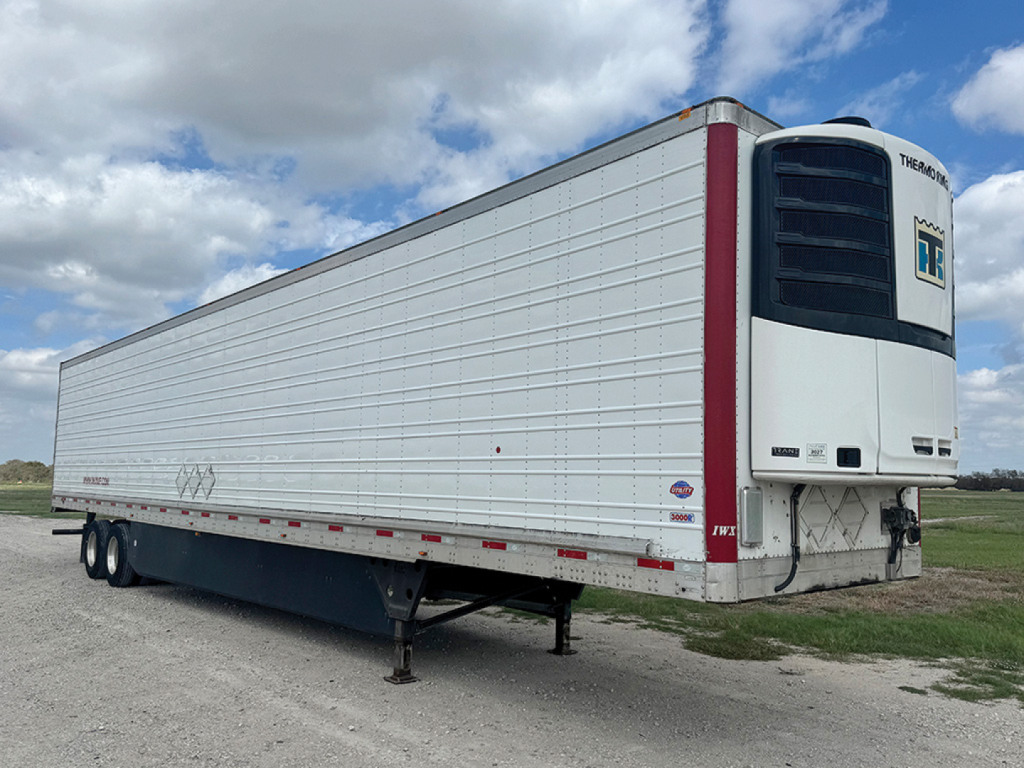
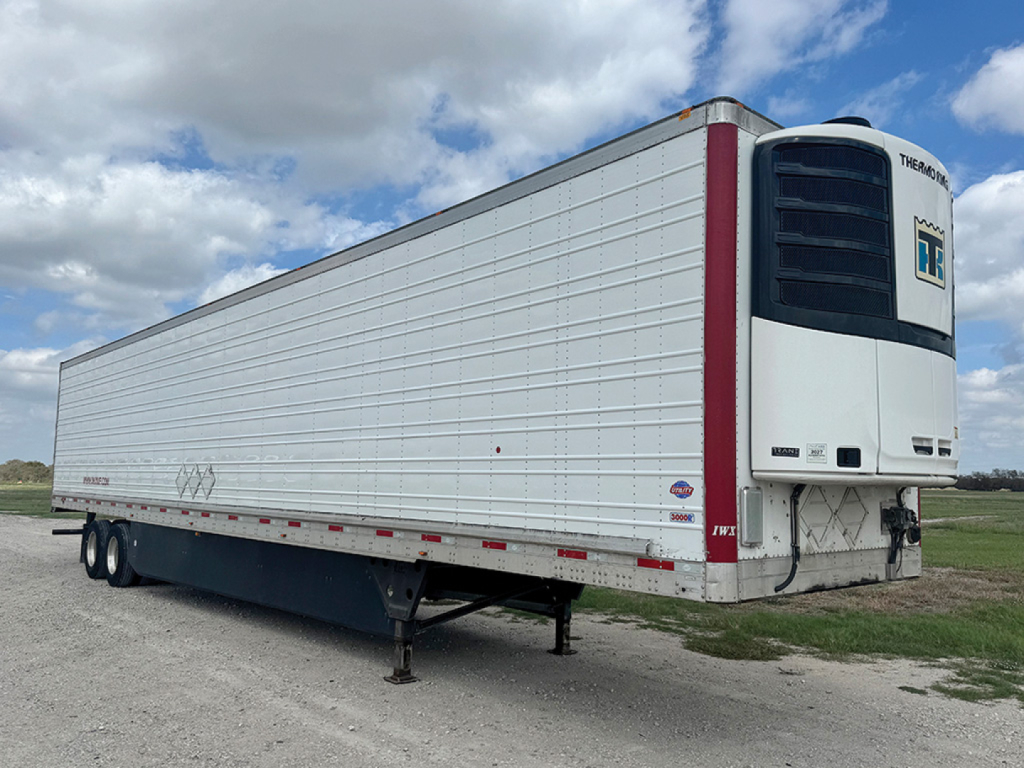
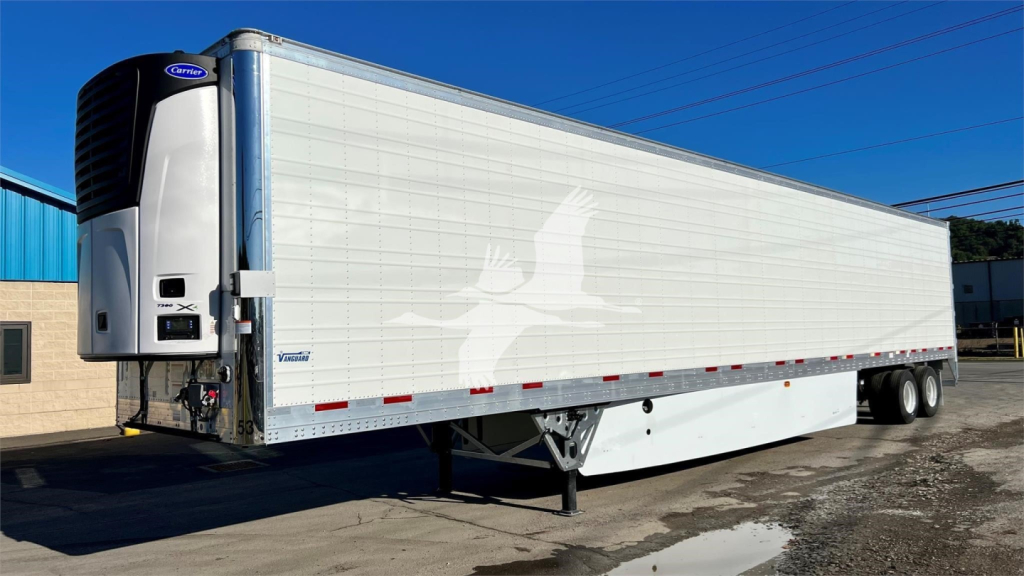
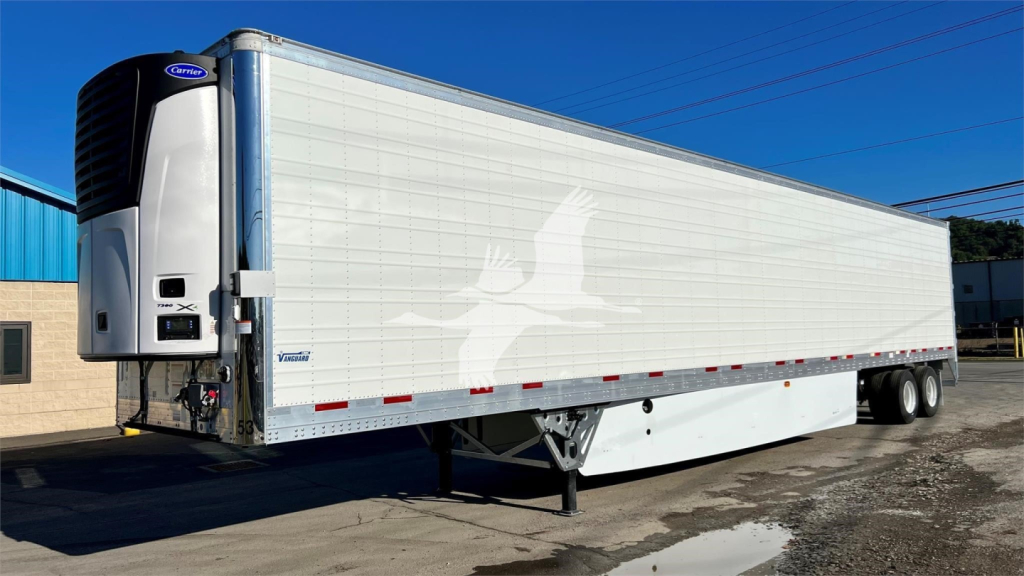
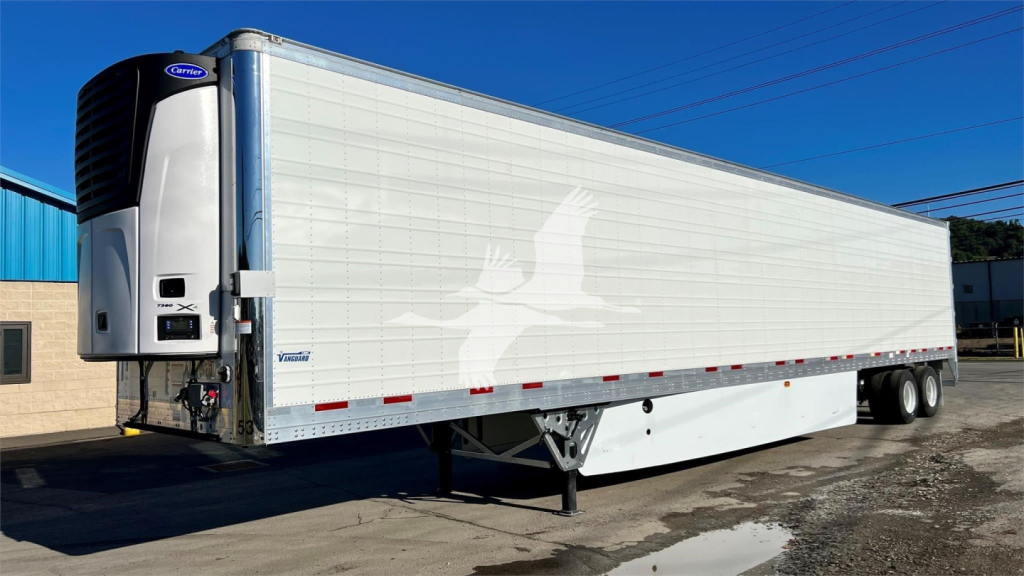
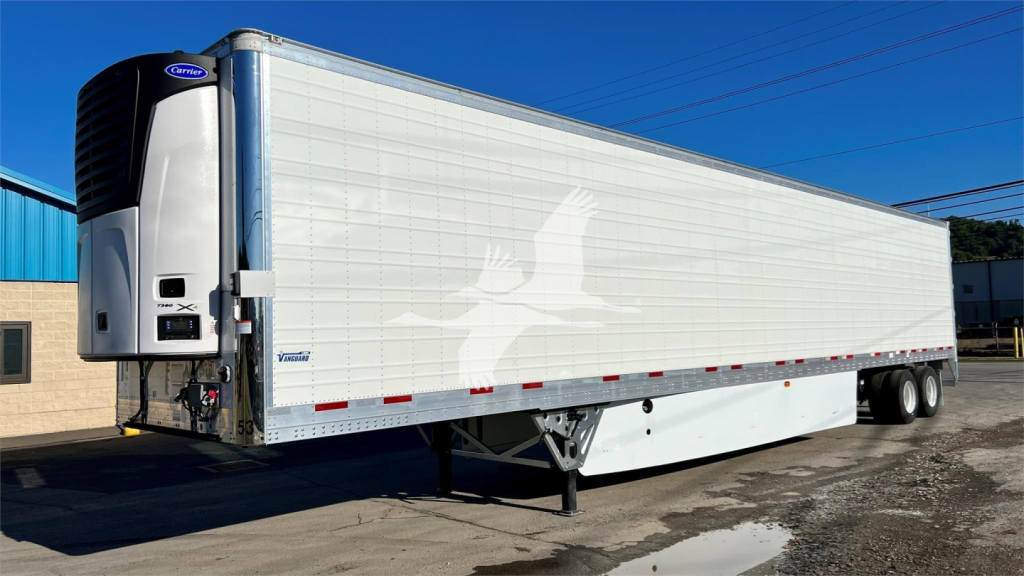
Selling a used 2024 reefer trailer? List your used 2024 reefer trailer for sale and reach thousands of commercial buyers.
Used 2024 Reefer Trailers
Construction and thermal efficiency matter as much as the reefer unit itself. Buyers should pay close attention to the trailer body design, including aluminum or composite construction, stainless rear frames, stainless front radius panels, scuff liners or scuff plates, and the condition of the insulated walls and roof. Inside, aluminum duct floors are common because they help maintain airflow under the load and stand up to repeated forklift traffic. Features like cold chutes, rear vents, and swing doors affect airflow management, loading style, and dock compatibility. A reefer that holds setpoint efficiently reduces unit runtime, fuel burn, and temperature swings, so wall damage, floor wear, door alignment, and gasket condition deserve a close inspection.
The refrigeration unit is the center of the buying decision. Most buyers compare Thermo King and Carrier units first, then look at model series, operating hours, service records, emissions compliance, and pretrip performance. A used 2024 reefer trailer may have a diesel-powered nose-mounted unit designed for frozen, chilled, or multi-temp applications, depending on configuration. It is worth confirming pulldown performance, return-air and discharge-air consistency, defrost operation, alarm history, and the condition of the evaporator and condenser components. If the trailer will run in California or other regulated markets, CARB compliance and unit certification should be verified before purchase.
Running gear and trailer specification still affect day-to-day cost. Air ride suspension is common for ride quality and cargo protection, while some trailers may be spec'd with spring suspension for different service requirements. Sliding tandems matter for bridge law compliance and load distribution, and tire inflation systems can help reduce irregular wear and roadside downtime. Buyers should also check tire size, wheel type, brake spec, side skirts, undertray systems, and kingpin setting to make sure the trailer matches the fleet's routing and tractor setup. The best used 2024 reefer trailer is the one that balances refrigeration performance, structural condition, and maintenance record with the freight profile it is expected to handle.
Frequently Asked Questions about Used 2024 Reefer Trailers
What should I inspect first on a used 2024 reefer trailer?
Start with the refrigeration unit service history, operating hours, and pretrip results, then move to the trailer body. Check that the unit reaches and holds setpoint, review alarm codes, and confirm proper defrost function. On the trailer itself, inspect the insulated body for punctures or repairs, examine the floor for forklift damage, and look closely at door seals, hinges, and rear frame condition. A reefer trailer can look clean and still have airflow, insulation, or temperature-retention problems that affect freight claims and operating cost.
Are most reefer trailers in this category 53 feet long?
Yes. The most common reefer trailer specification in the U.S. market is 53 feet long, 102 inches wide, and 13 feet 6 inches high. That size works for standard over-the-road refrigerated freight, including grocery, frozen foods, and multi-stop distribution. Buyers should still verify inside height, floor type, tandem configuration, and kingpin setting because those details affect payload planning, dock fit, and axle compliance.
Which is more important, the trailer body or the reefer unit?
Both matter, but buyers often underestimate the trailer body. A strong reefer unit cannot fully compensate for damaged insulation, poor door seals, or a worn floor that restricts airflow. The unit controls temperature, but the body keeps that temperature stable. The best buying decision usually comes from treating the trailer and refrigeration package as one system, then reviewing maintenance records for both.
What floor and interior features are common on refrigerated trailers?
Aluminum duct floors are one of the most common interior specs because they support airflow under pallets and hold up well in food-grade service. Many reefer trailers also have scuff liners or scuff plates to protect sidewalls from pallets and forklifts. Cold chutes and rear vents may be present to improve airflow circulation, especially on temperature-sensitive freight. These details are important because uneven airflow is a common cause of hot spots and rejected loads.
Why do suspension and tandem specs matter on a reefer trailer?
Suspension and axle setup affect cargo protection, maintenance cost, and legal load distribution. Air ride suspension is widely preferred in refrigerated service because it delivers a smoother ride for fragile or perishable loads. Sliding tandems help with bridge law compliance and allow more flexibility in balancing axle weights. On a used 2024 reefer trailer, these specs should be checked alongside tires, brakes, and tire inflation systems because they influence uptime as much as the reefer unit itself.