
New Trailers For Sale in Ohio
New trailers for sale in Ohio, including flatbed, lowboy, pneumatic dry bulk, and specialty trailer configurations for commercial hauling.
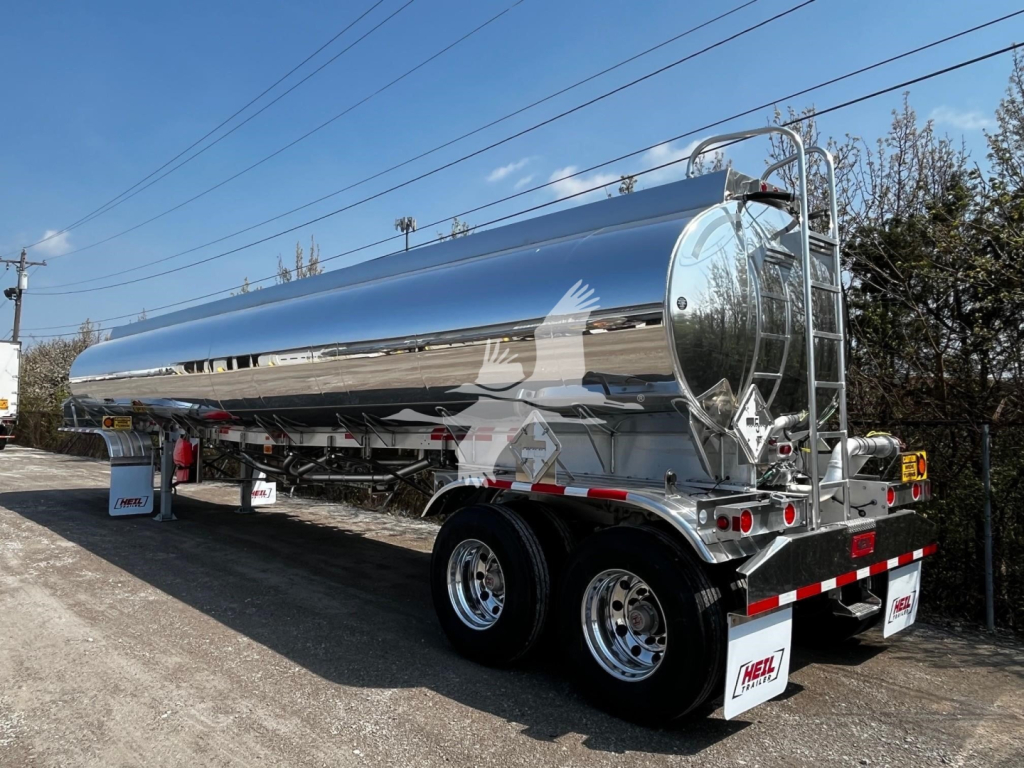
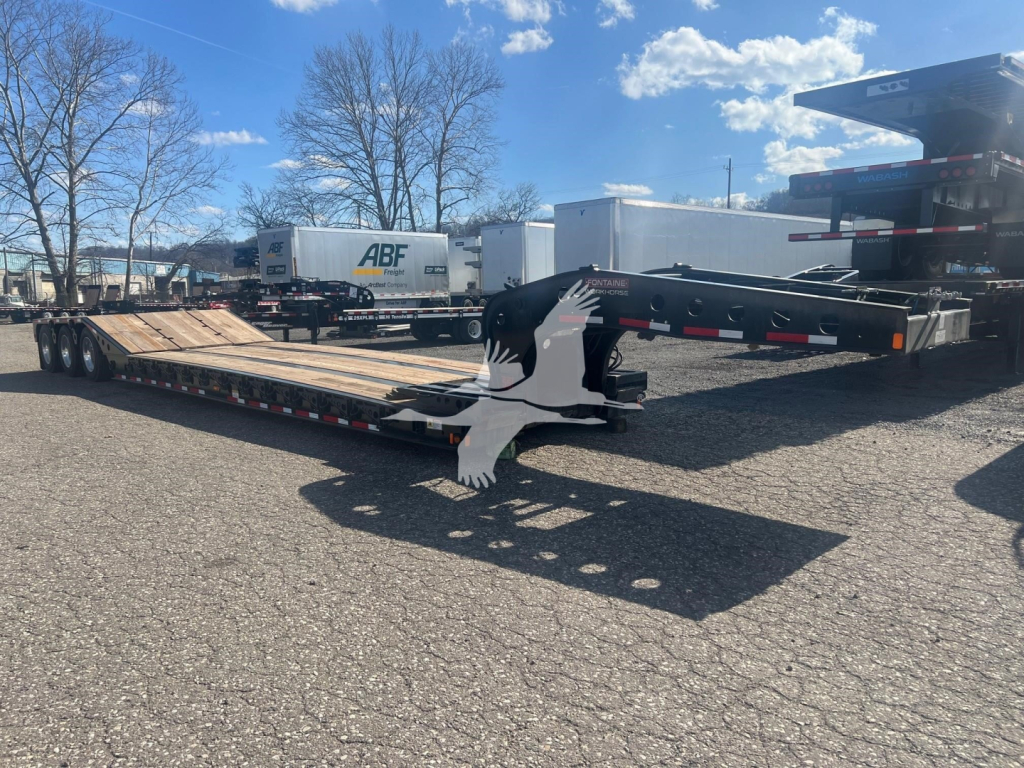
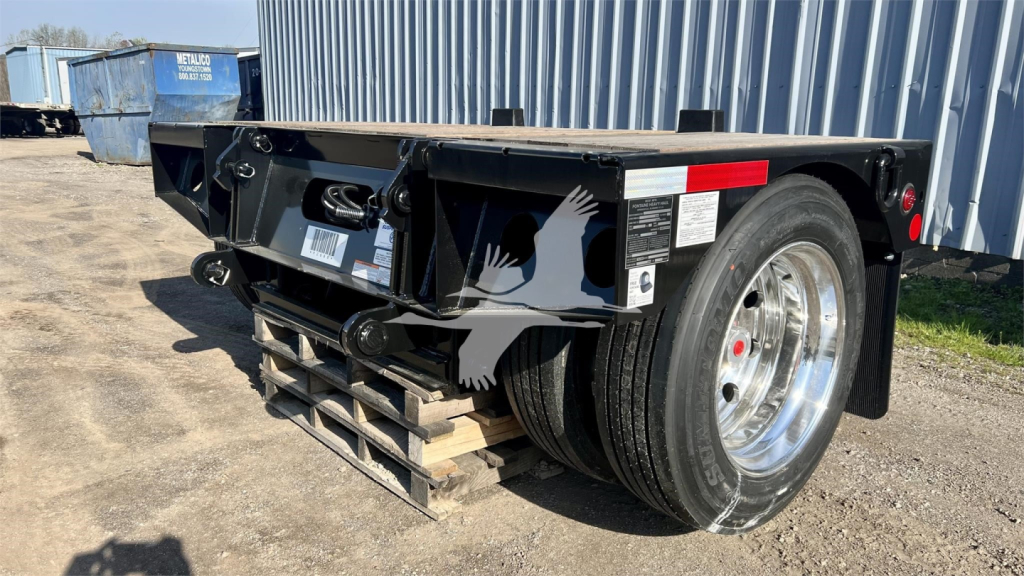
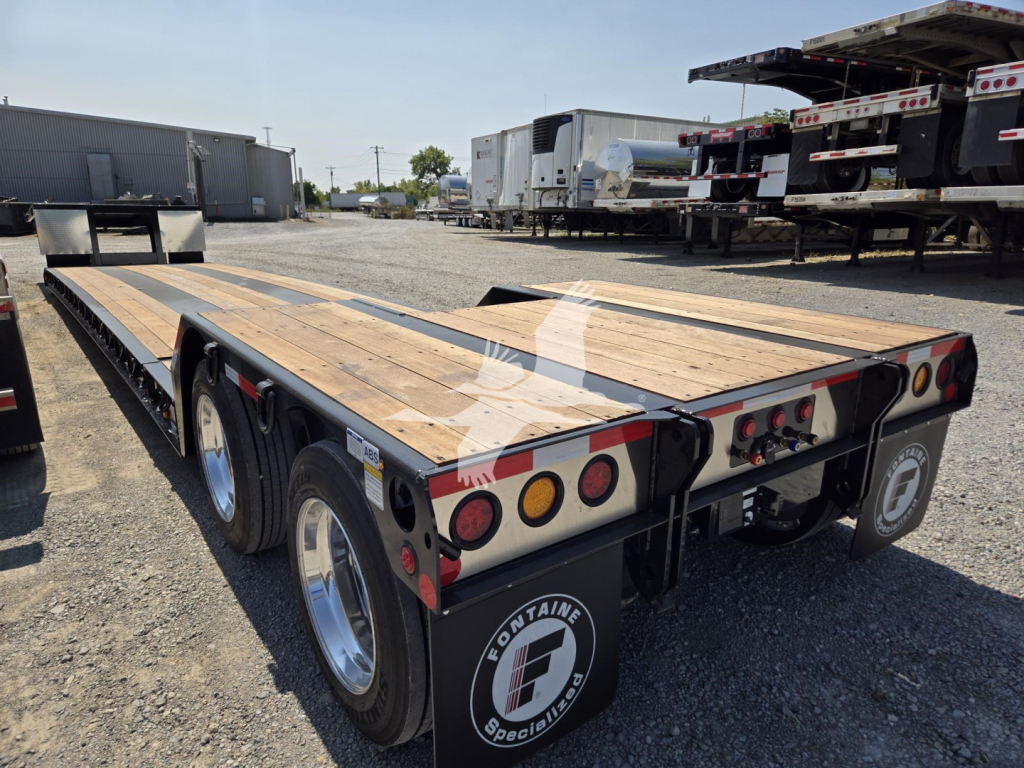
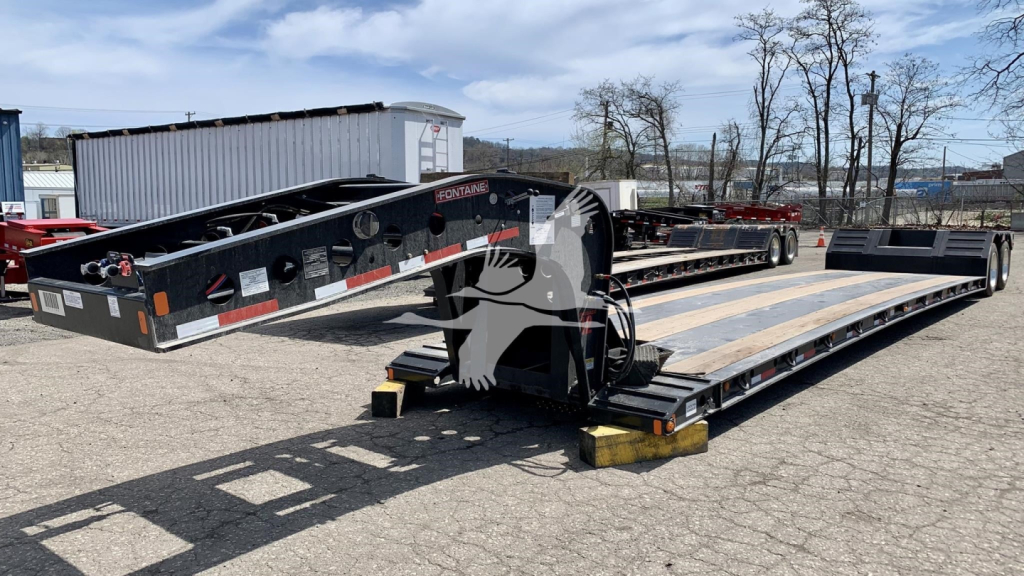
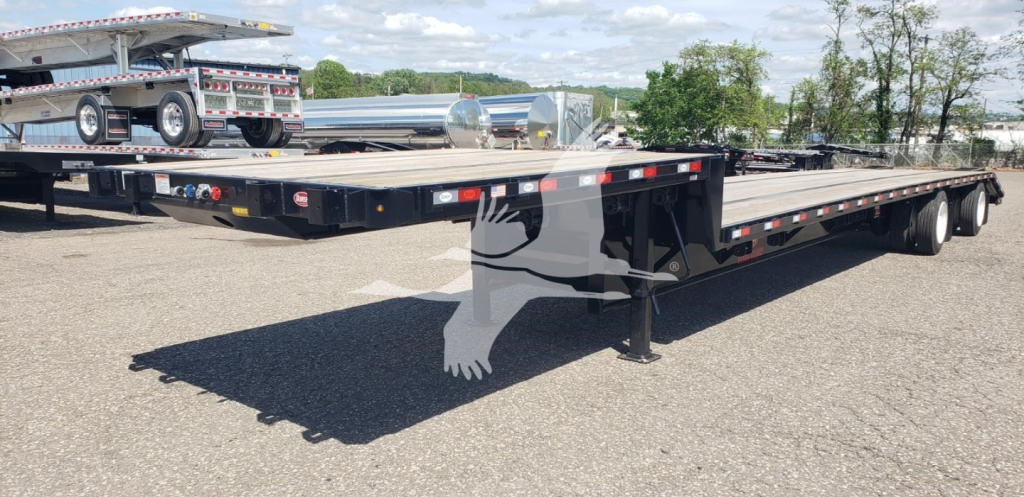
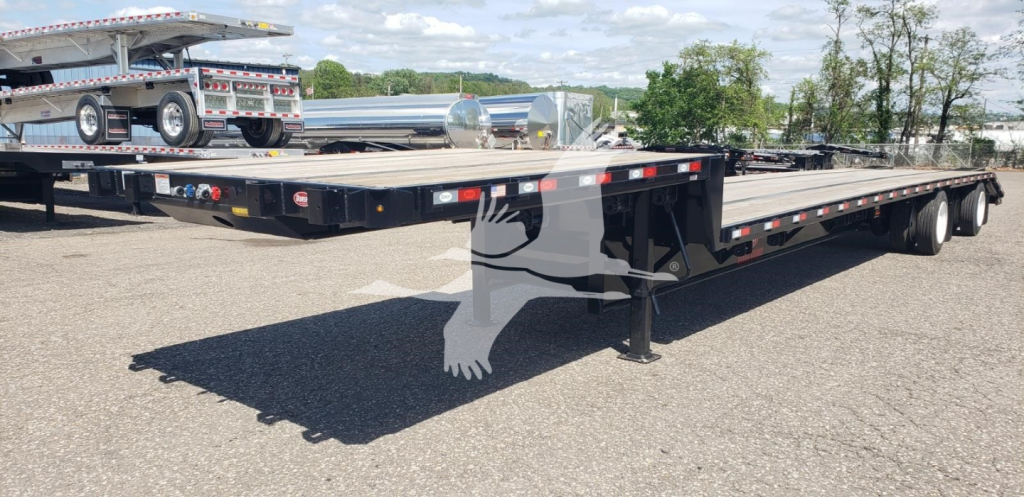
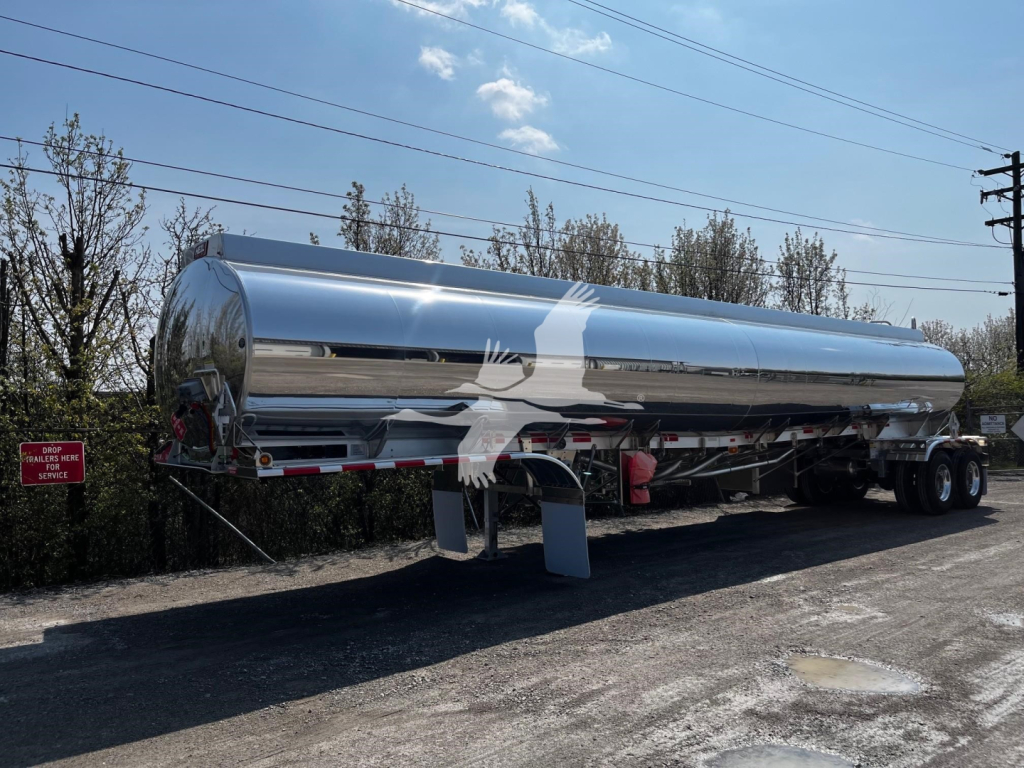
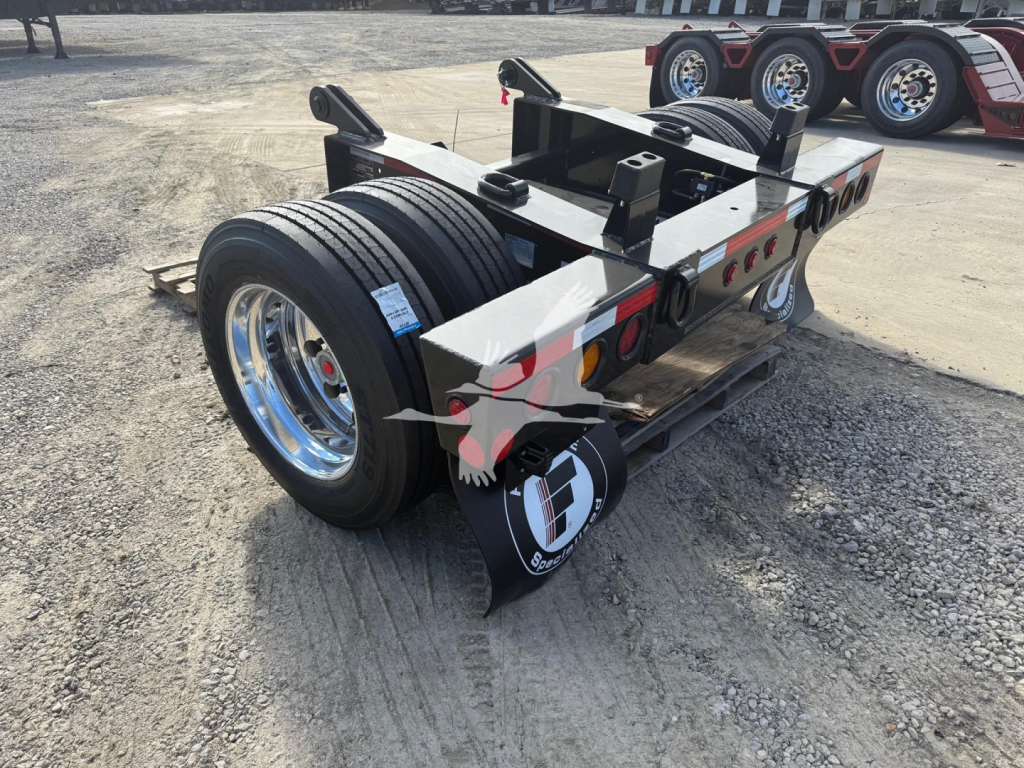
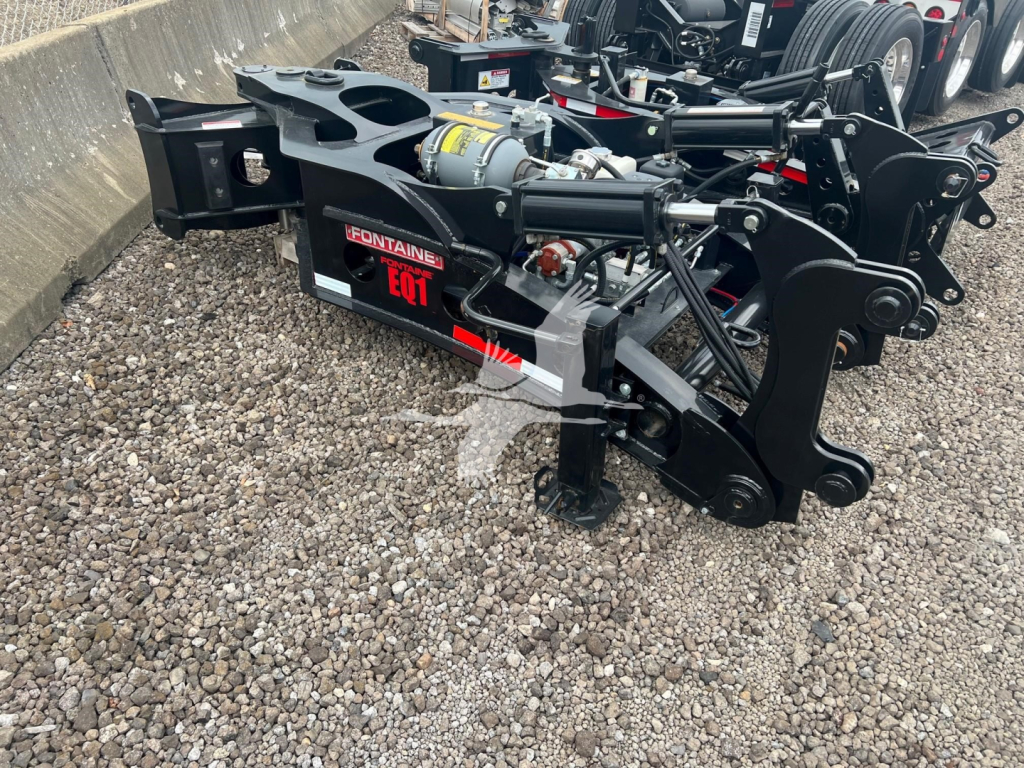
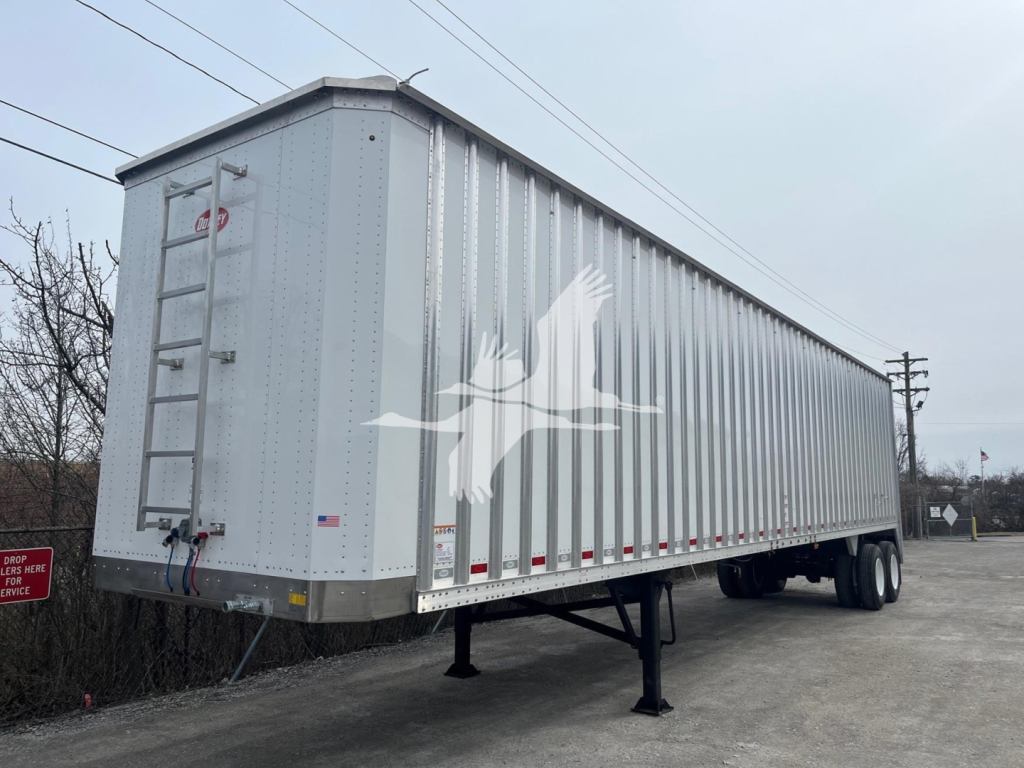
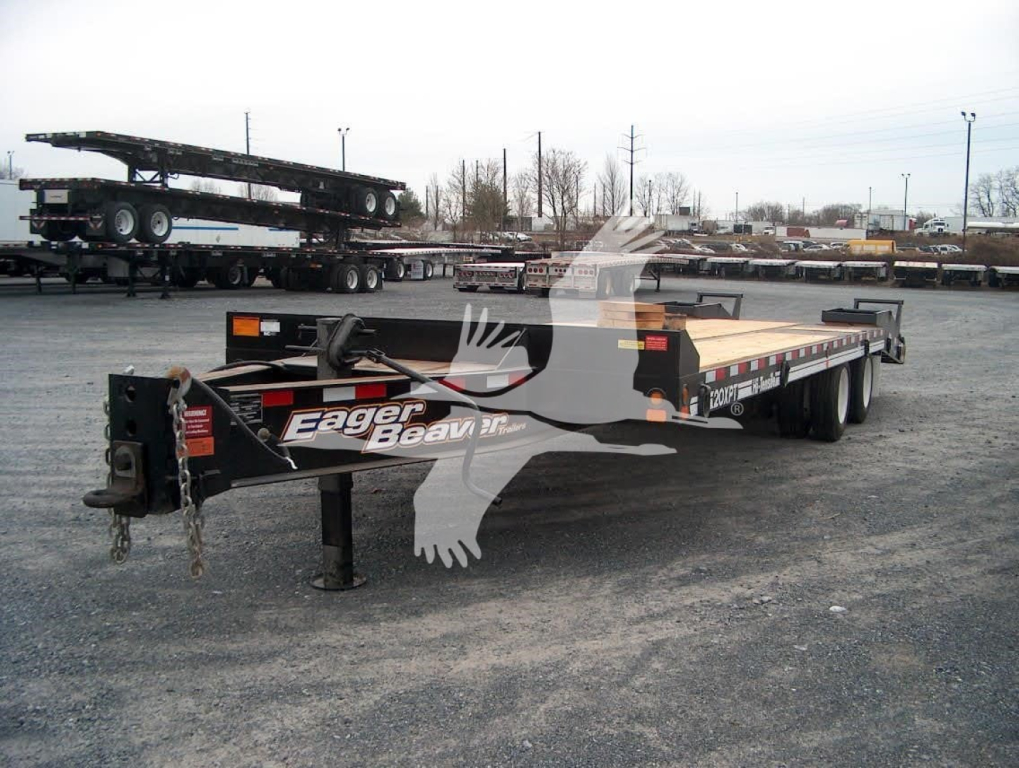
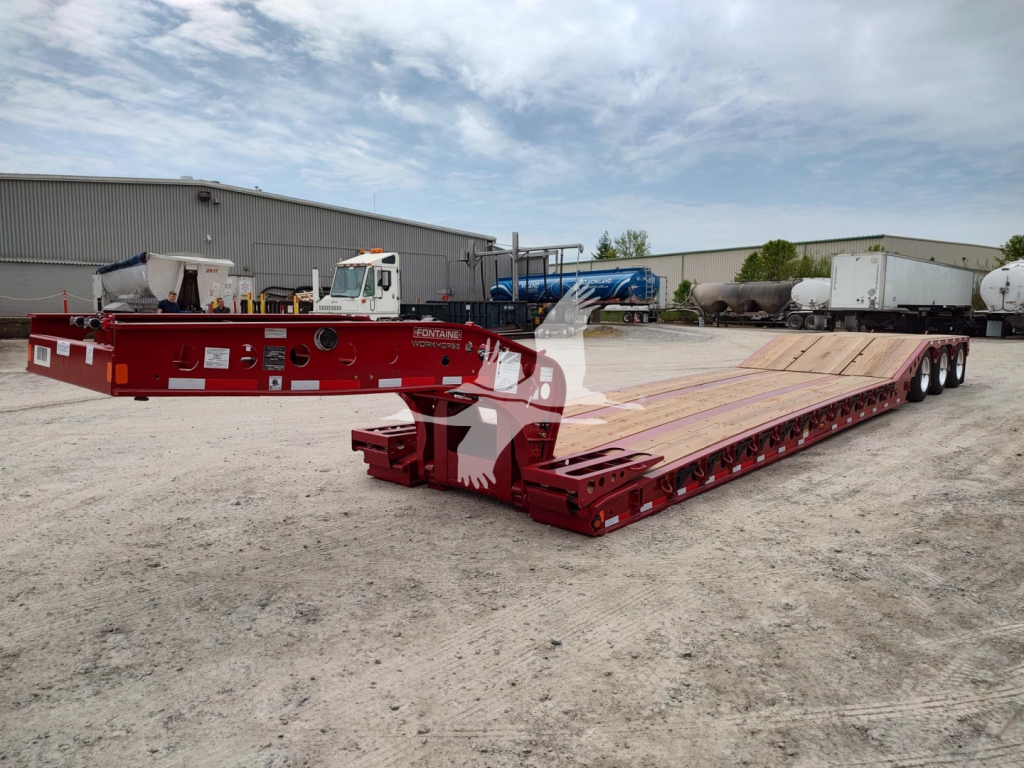
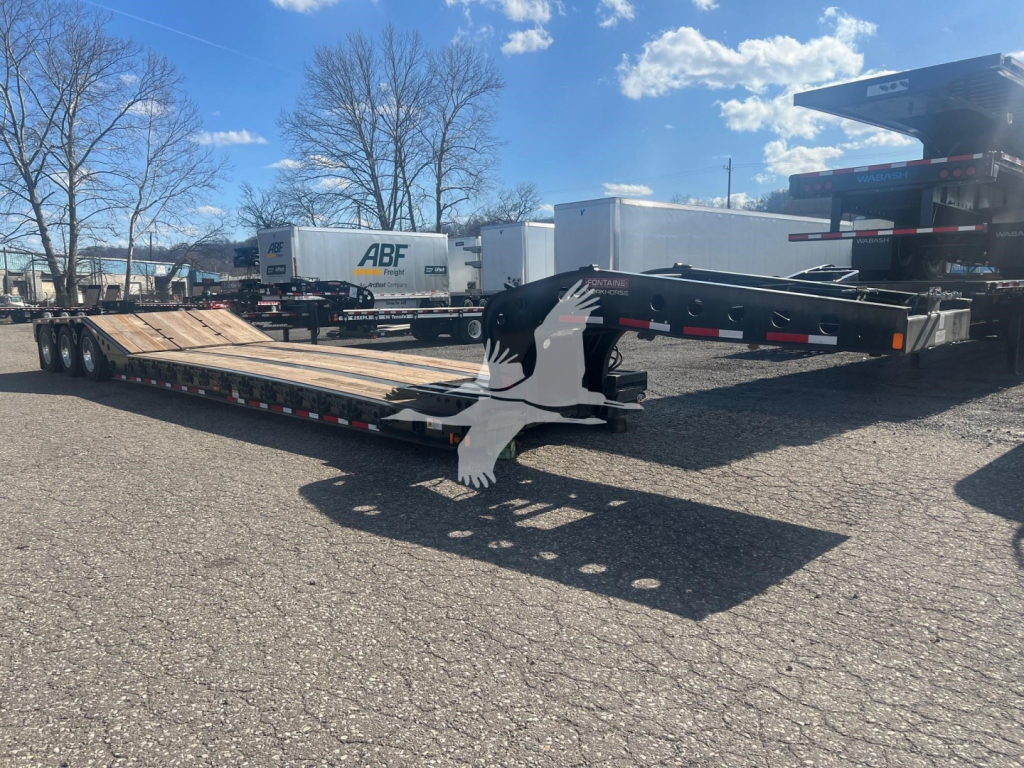
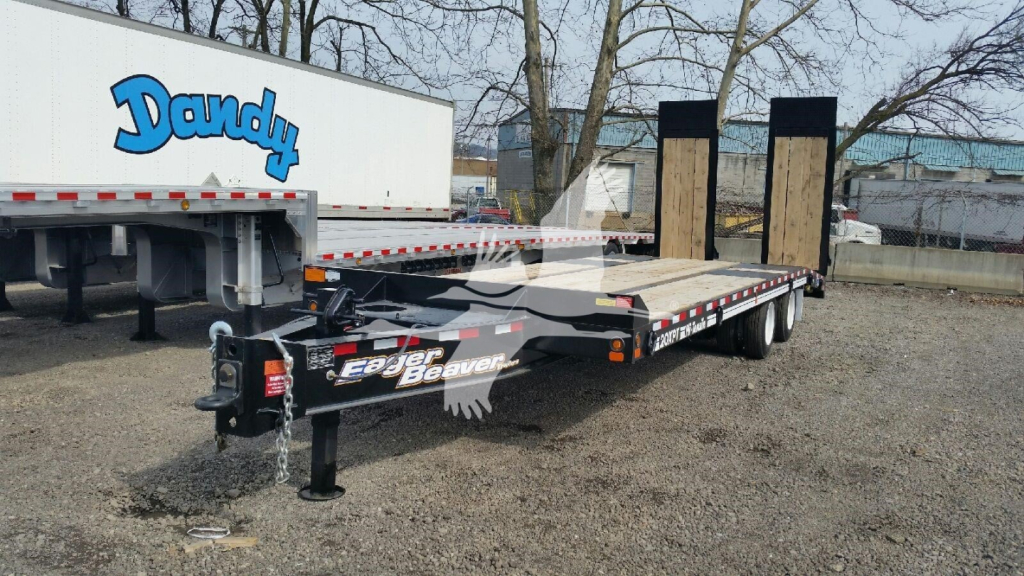
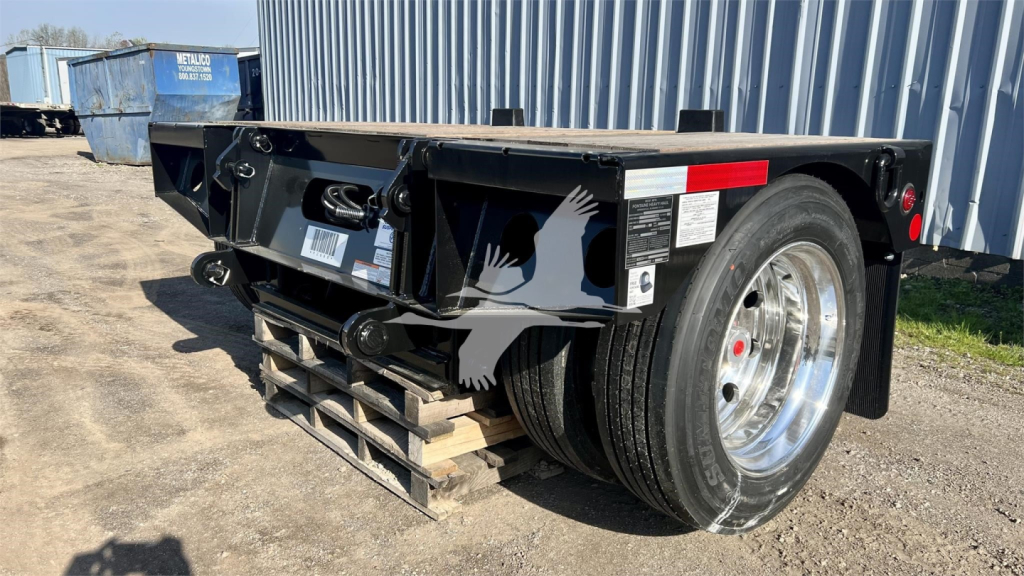
Showing 25 to 48 of 76 results
Have new trailer to sell? List it here to reach thousands of buyers.
New Trailers in Ohio
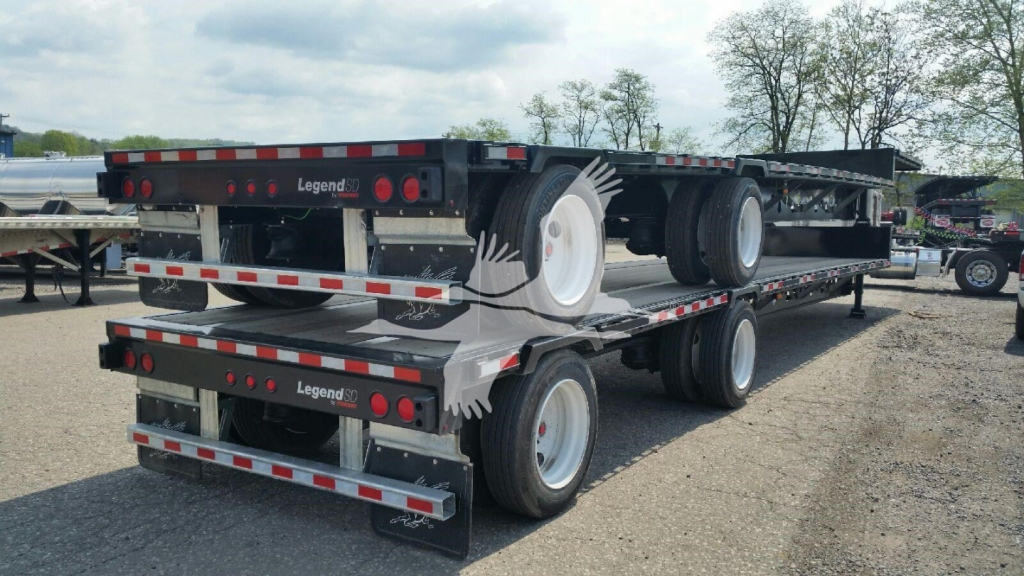
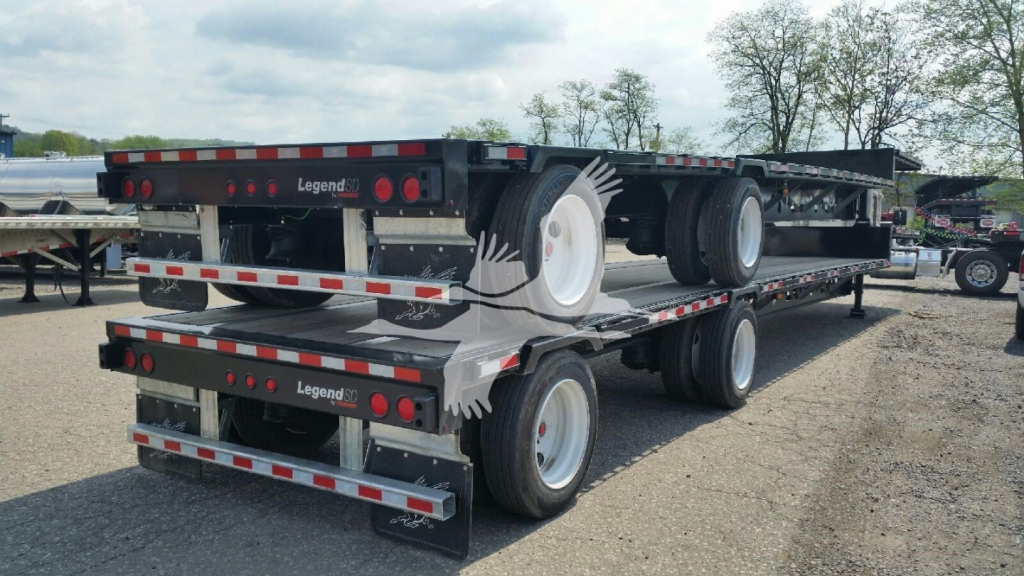
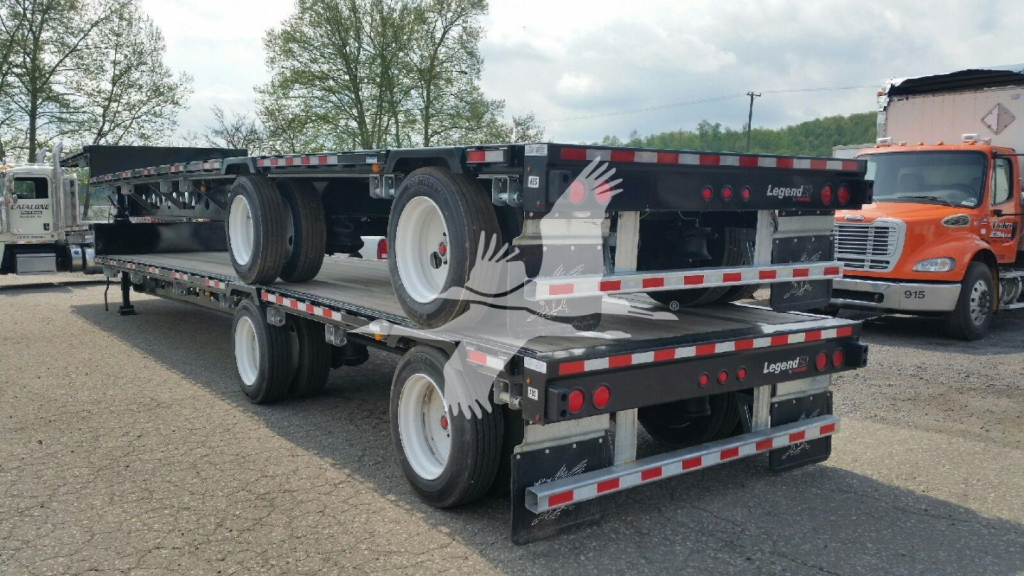
Construction material is one of the biggest spec drivers in a new trailer purchase. Aluminum flatbeds are popular when payload and corrosion resistance matter most, especially in operations that load building products, steel, machinery, or palletized freight. Steel trailers generally give buyers a more impact-tolerant platform for severe-duty service, heavy equipment loading, or applications where deck abuse is expected. On platform trailers, buyers should pay close attention to floor type, crossmember spacing, side rail design, kingpin setting, axle spread, and rated concentrated load areas such as 60,000 pounds in 4 feet or 70,000 pounds in 10 feet. Those details matter as much as overall GVWR because they determine how well the trailer handles coils, forklifts, and dense freight.
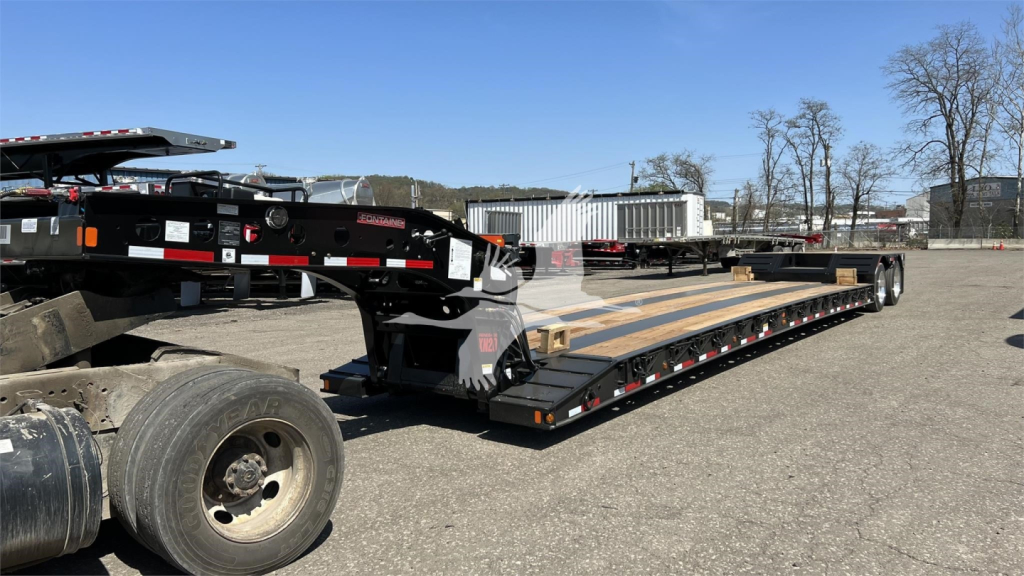
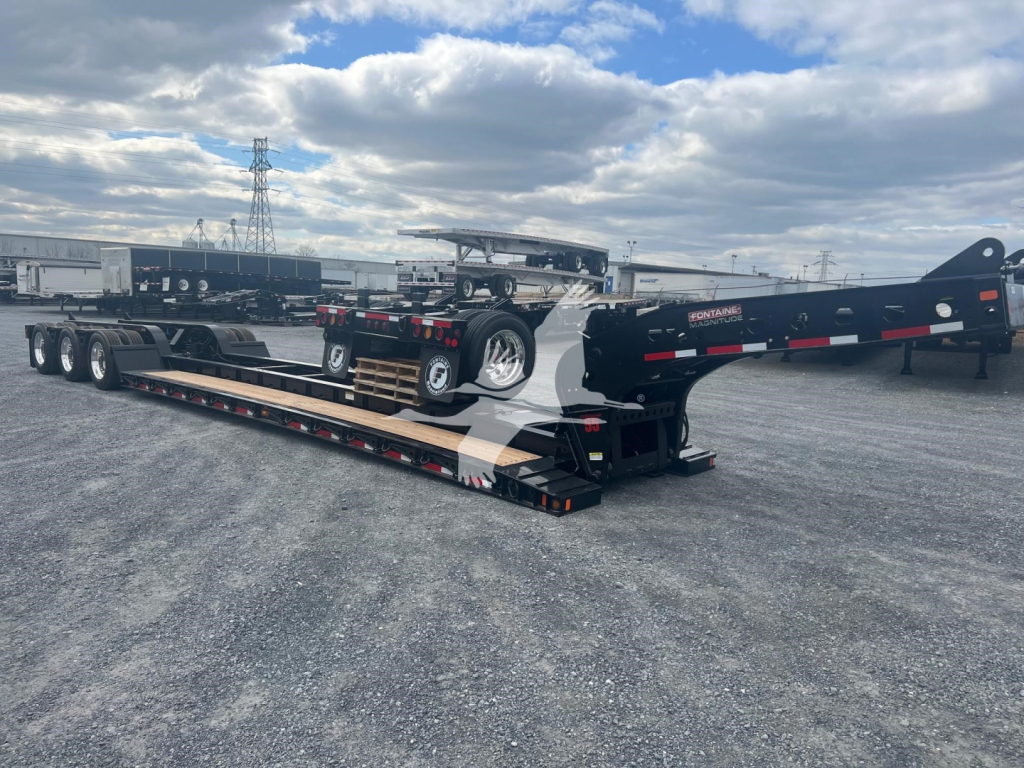
Suspension and running gear specs deserve close review on any new trailer. Air ride is common on highway flatbeds, lowboys, and dry bulk units because it improves ride quality and helps protect cargo, while spring ride still has a place on vocational and equipment trailers where simplicity and cost control matter. Tire size, wheel material, brake package, dump valves, landing gear, and lighting packages all affect long-term operating cost and uptime. For lowboy and detachable applications, compatibility with the deck or jeep, axle capacity, and connection design are critical. For pneumatic dry bulk trailers, focus on tank material, number of hoppers, aeration system, valve sizing, hose tube storage, and suspension configuration, since those features affect unload speed, cleanout, and product handling for cement, lime, sand, fly ash, and similar commodities.
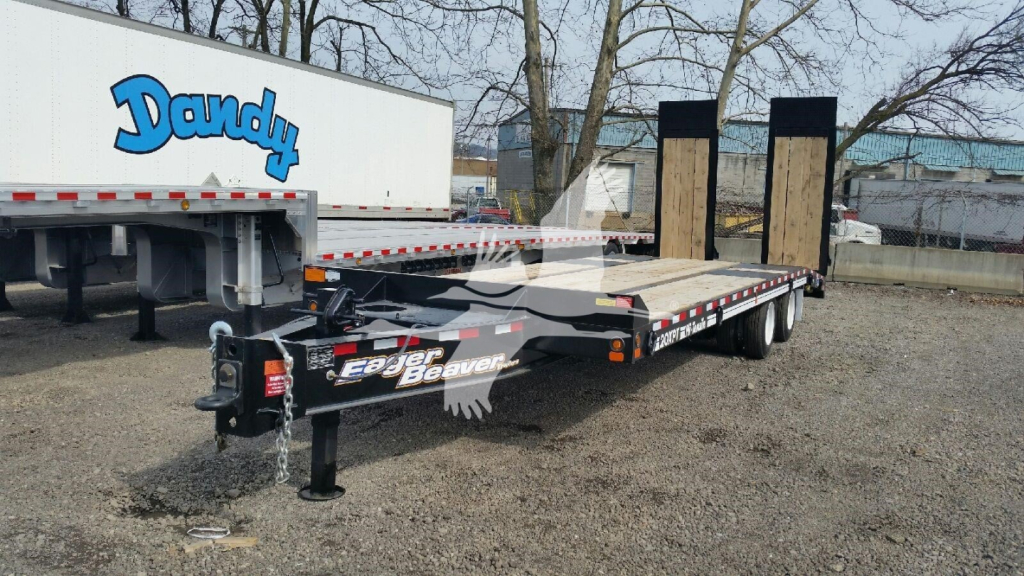
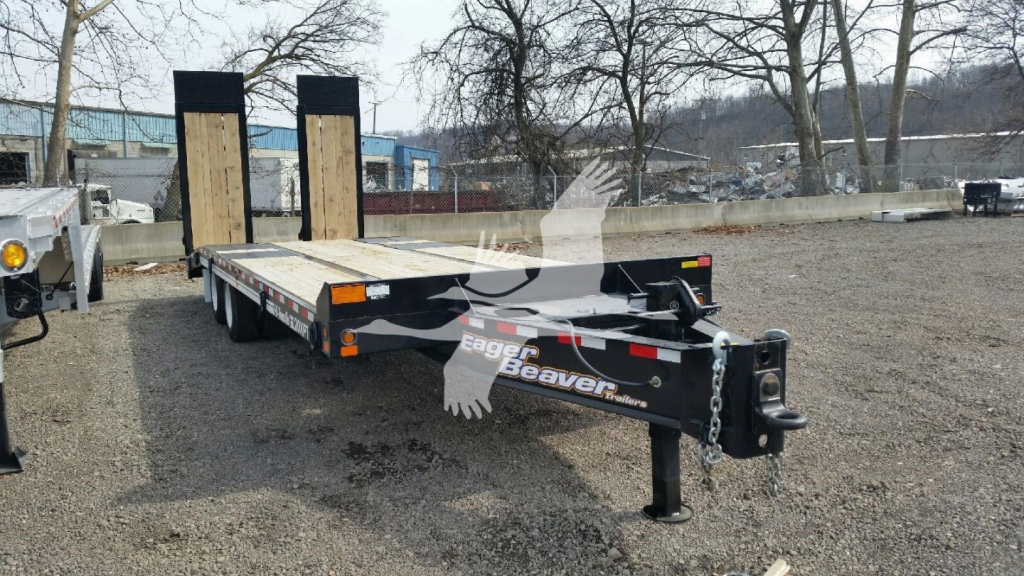
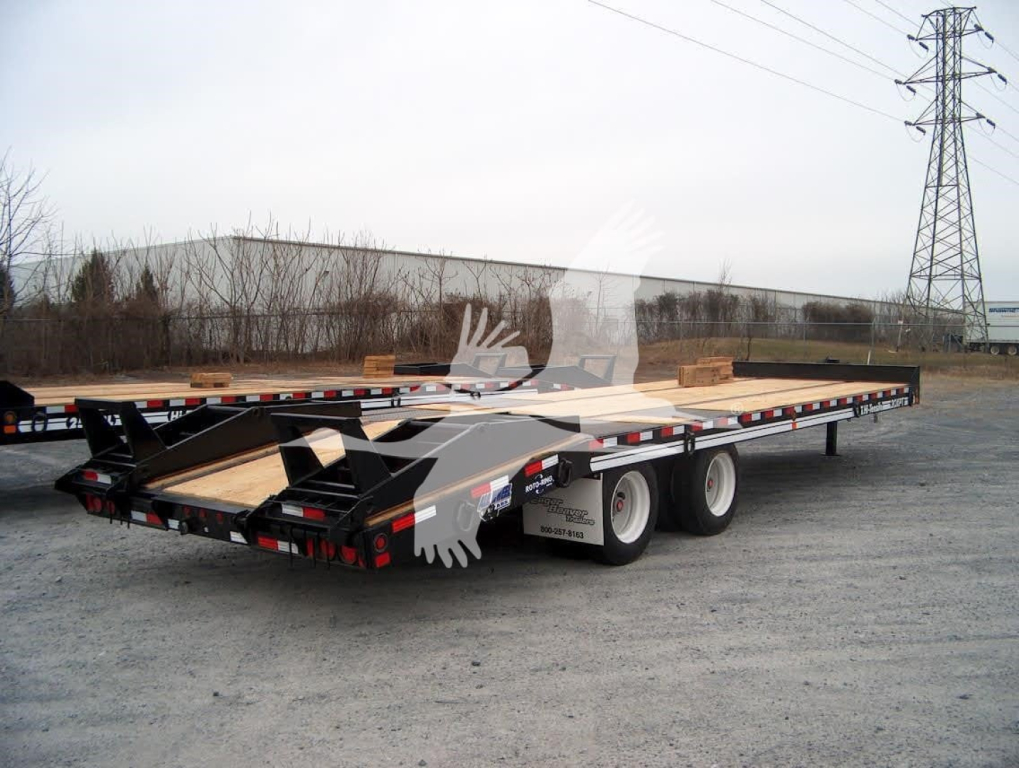
A new trailer also gives buyers the chance to spec for the work instead of inheriting compromises from prior ownership. In Ohio operations that run short regional turns, plant-to-jobsite routes, or interstate freight lanes, practical details like beavertail angle, ramp rating, toolbox placement, pre-drilled accessory mounting, rear bumper style, LED lighting, and mud flap bracket location can make a measurable difference in daily use. The best trailer choice is usually the one that fits the freight consistently, scales legally in the states you run, and is built with the right deck, axle, and securement package for the job rather than the highest headline capacity alone.
Frequently Asked Questions about New Trailers in Ohio
What should I look for first when buying a new trailer?
Start with the freight and loading method. Trailer type, deck length, width, axle configuration, suspension, and floor construction should all be chosen around what you haul most often. Flatbed buyers usually focus on tare weight, securement options, and concentrated load ratings. Equipment trailer buyers look harder at ramps, beavertail geometry, deck height, and tie-down points. Dry bulk buyers need to match cubic capacity, hopper count, and discharge plumbing to the commodity and unloading system.
Is an aluminum trailer better than a steel trailer?
Neither is universally better. Aluminum trailers are typically lighter and more corrosion-resistant, which can improve payload and help in year-round service. Steel trailers are generally preferred for severe-duty applications where impact resistance, concentrated loading, and repeated equipment loading are more important than saving tare weight. The better choice depends on cargo type, annual mileage, maintenance practices, and how rough the loading environment is.
Why do axle spread and kingpin setting matter on a trailer?
Axle spread and kingpin setting affect weight distribution, bridge compliance, turning behavior, and compatibility with the tractor. On a flatbed or lowboy, these dimensions influence how easily the combination can be scaled legally and how the trailer carries dense or unevenly placed freight. Buyers running multistate routes should pay close attention to these dimensions because a trailer that works well in one operating pattern may be harder to scale in another.
What features are most important on a new flatbed trailer?
The most important flatbed features usually include trailer weight, floor type, crossmember spacing, winch track layout, sliding winches, stake pockets, side rails, nail strips, pipe spools, and coil package reinforcement if steel coils are part of the freight mix. Suspension type, axle rating, tire size, and lighting also matter, but the securement layout and deck structure often determine how versatile the trailer will be over time.
What matters most on a pneumatic dry bulk trailer?
Capacity is only part of the picture. Buyers should also evaluate tank material, number and shape of hoppers, aeration design, product valves, piping, discharge placement, and available hose storage. These features control unload efficiency, product flow, cleanout time, and suitability for commodities such as cement, fly ash, lime, or sand. A lighter trailer may improve legal payload, but the plumbing and hopper design often have a bigger effect on day-to-day performance.