
New Lowboy Trailers For Sale in Ohio
New lowboy trailers for sale in Ohio. Compare detachable gooseneck, 55-ton and 110,000-lb class heavy haul trailers with flip axle options.
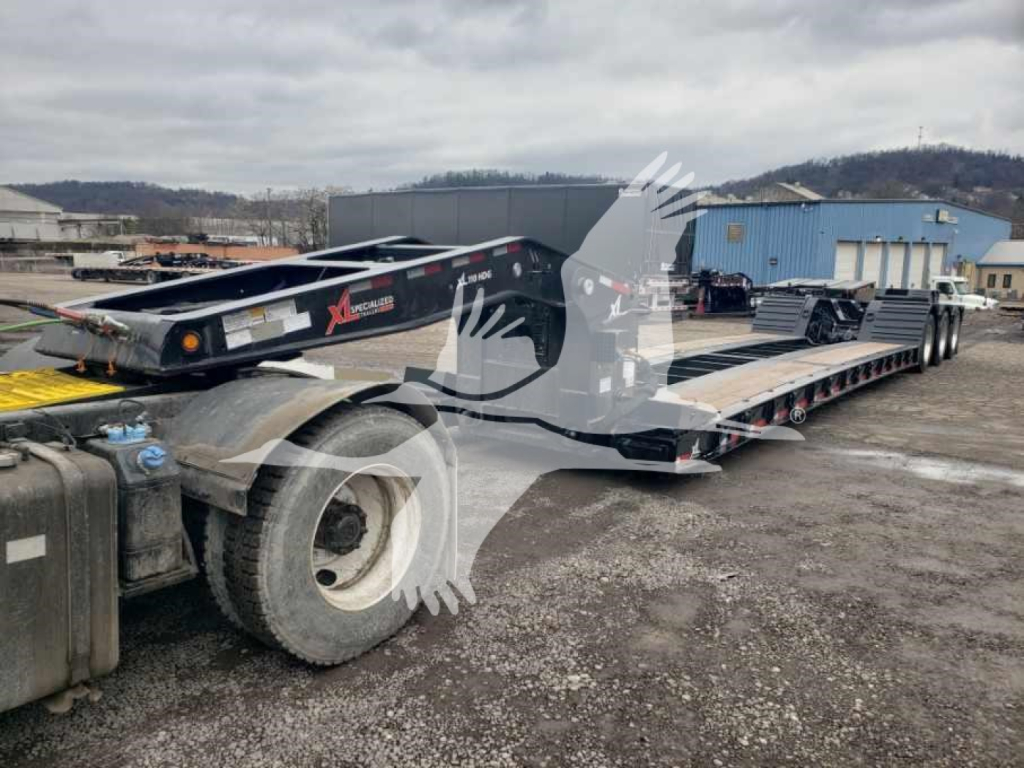
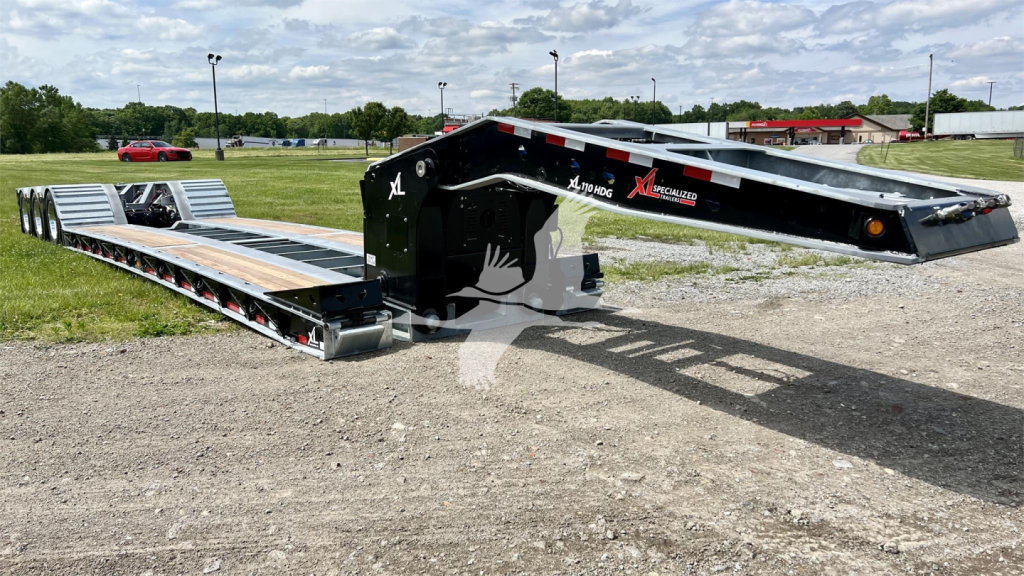
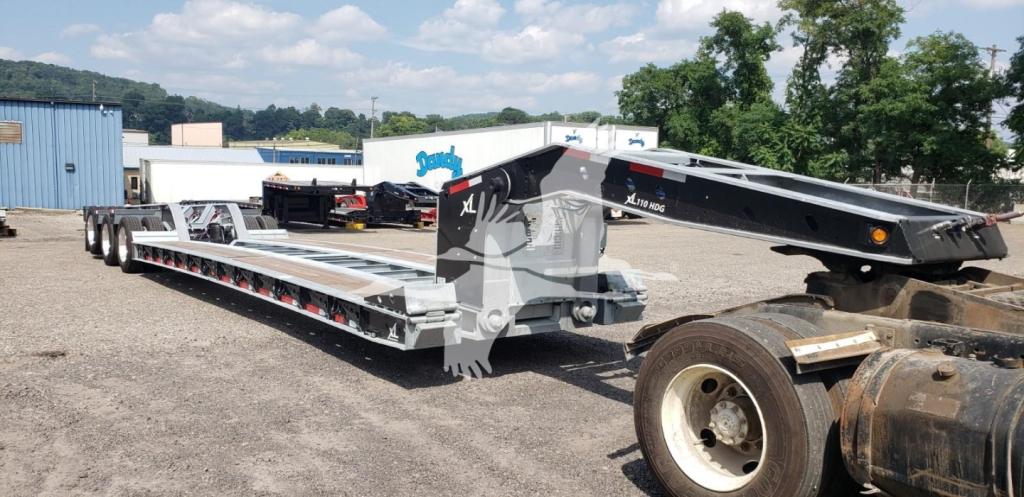
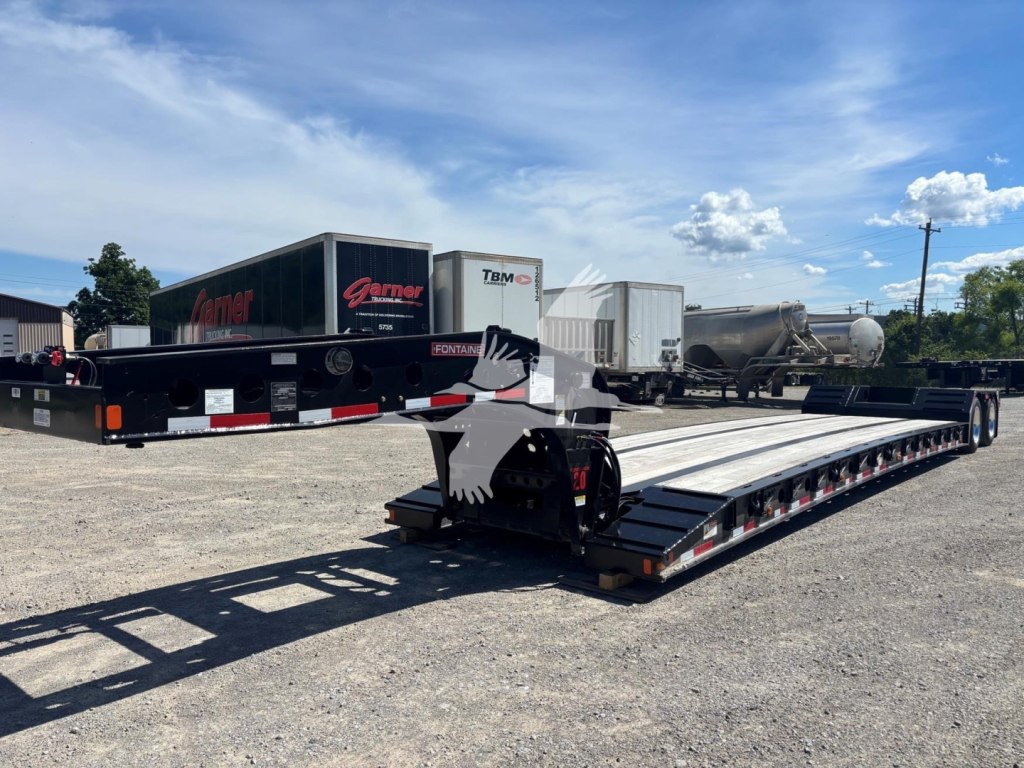
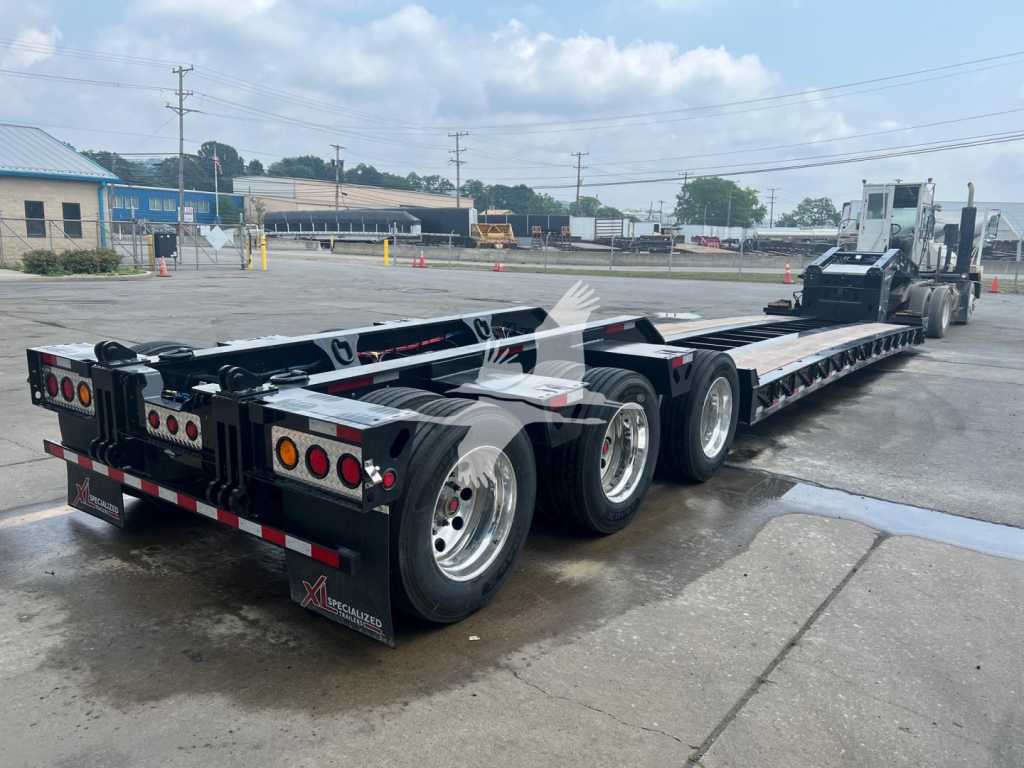
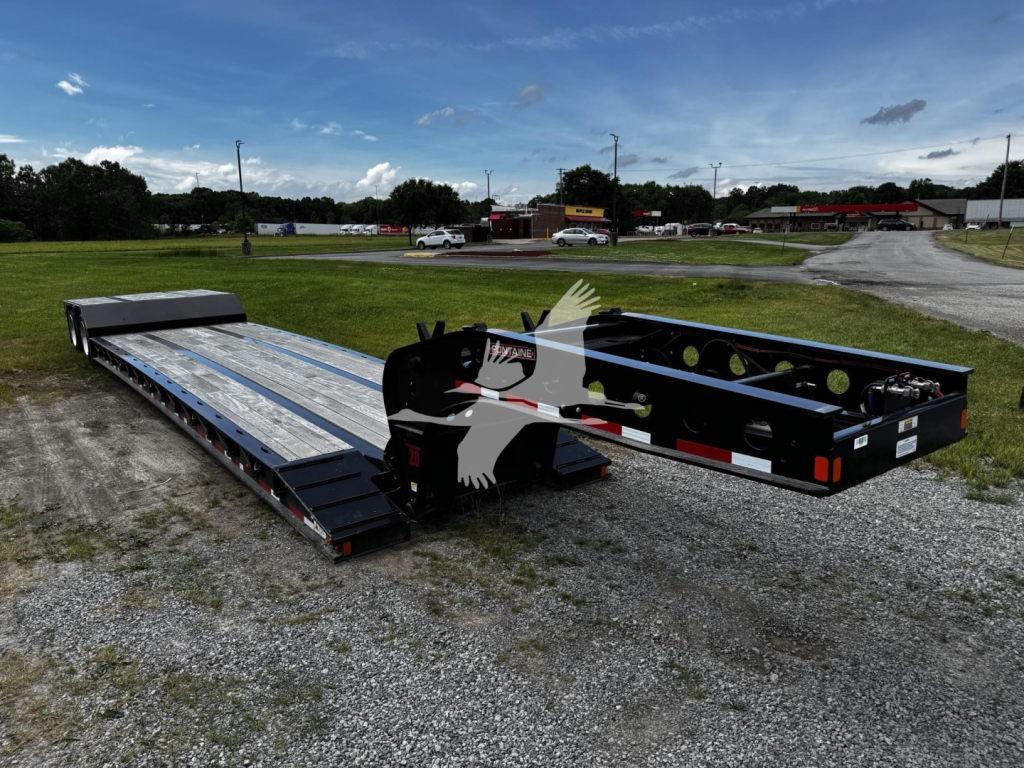
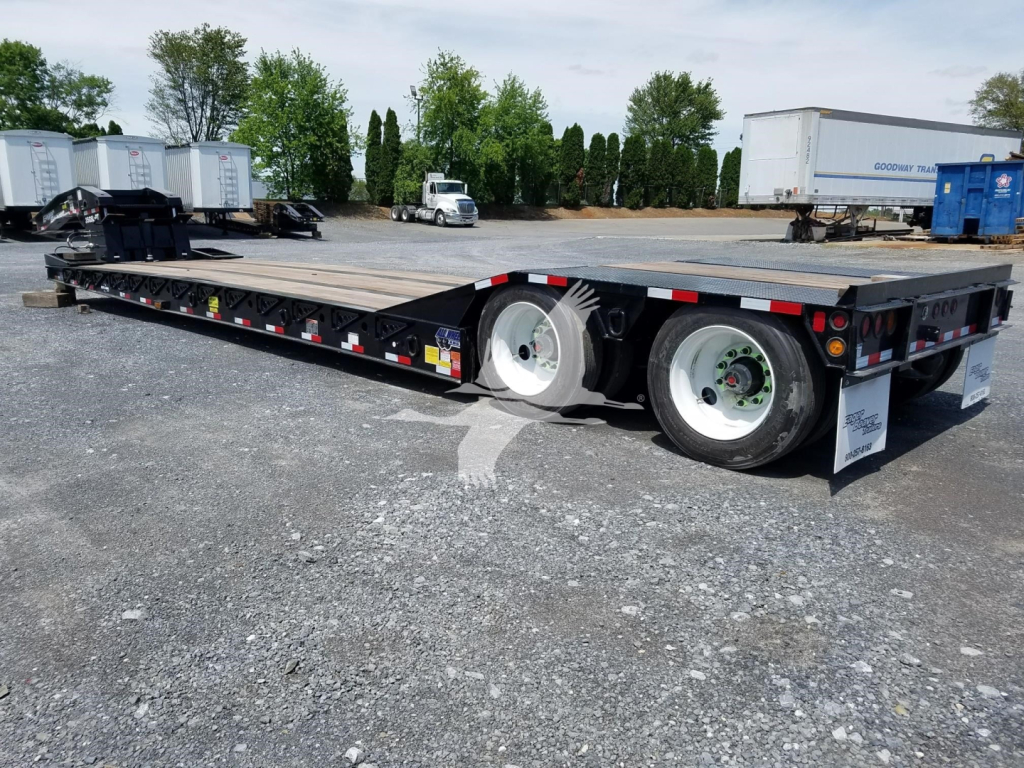
Selling a new lowboy trailer? List your new lowboy trailer for sale and reach thousands of commercial buyers.
New Lowboy Trailers in Ohio
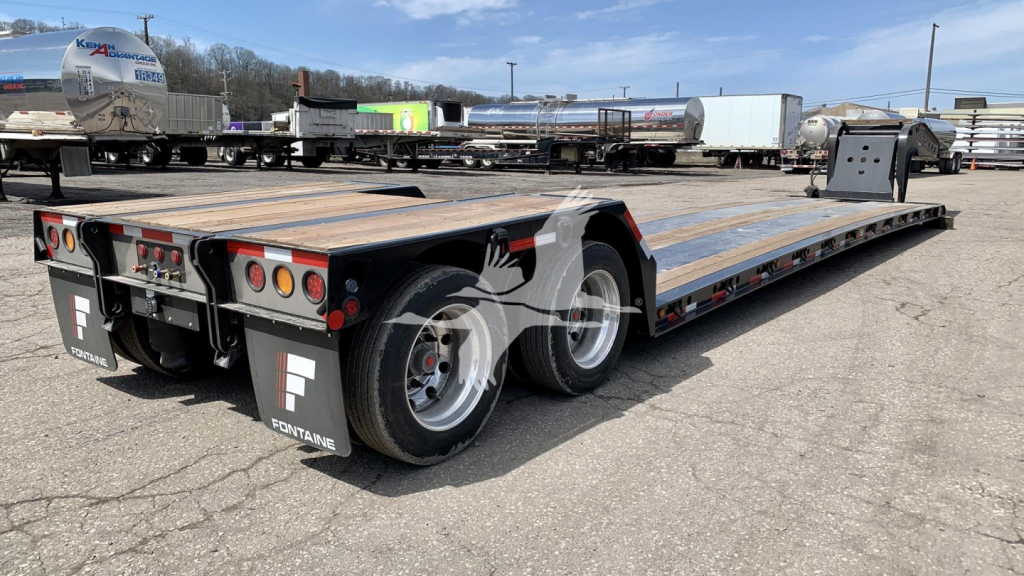
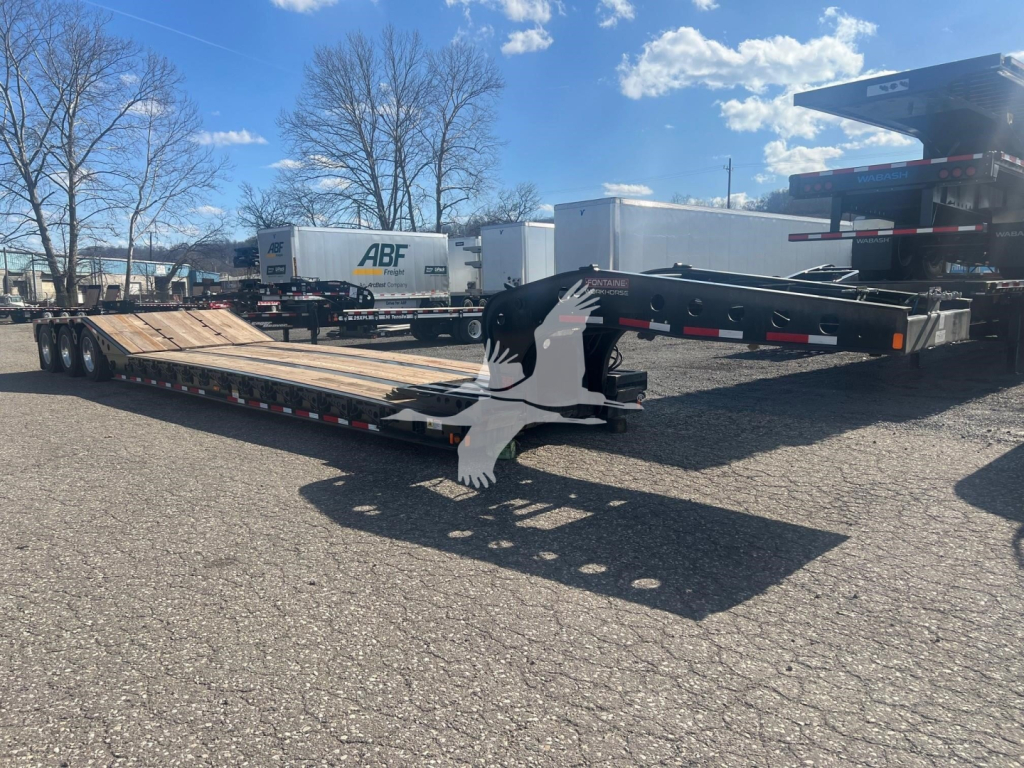
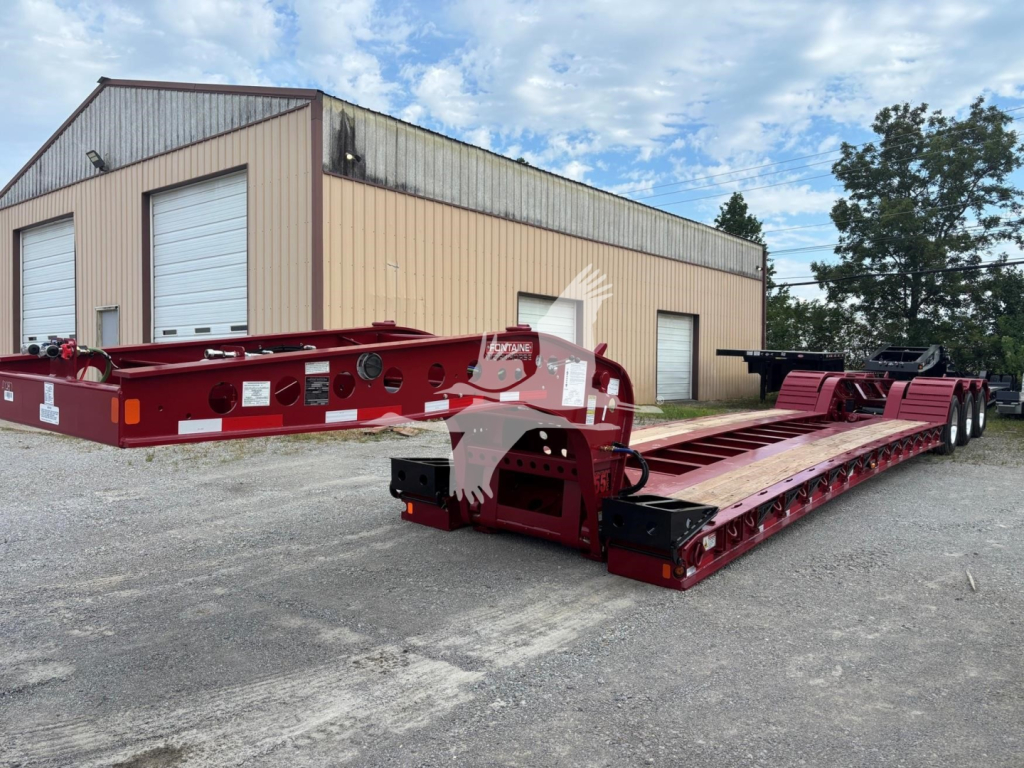
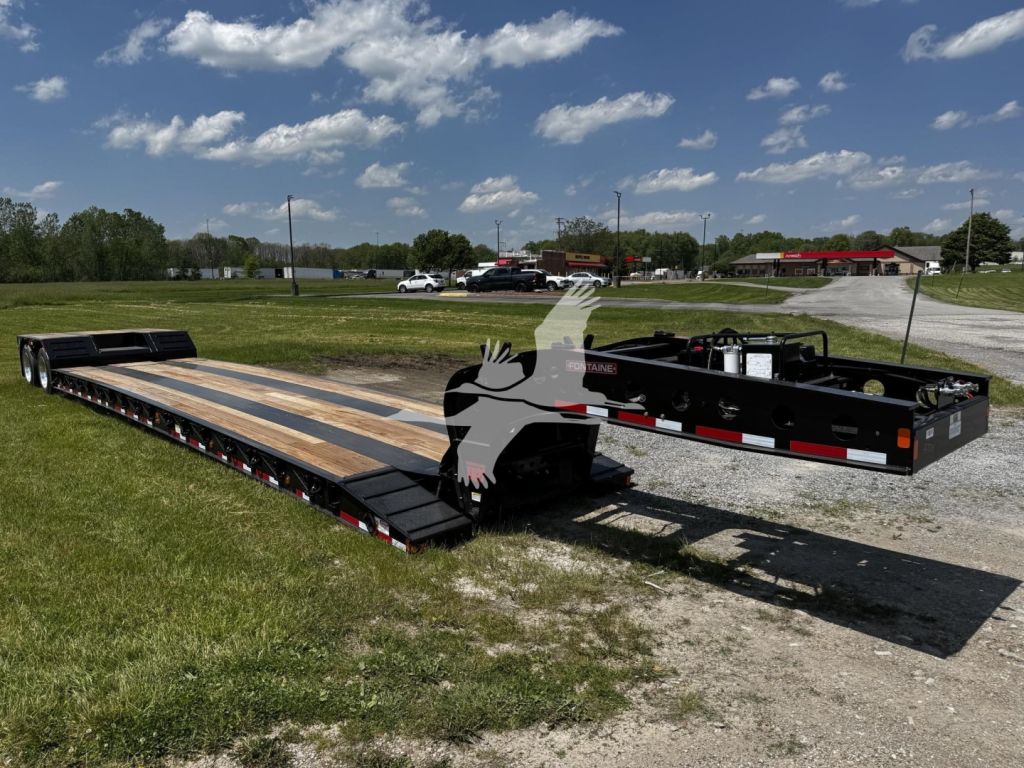
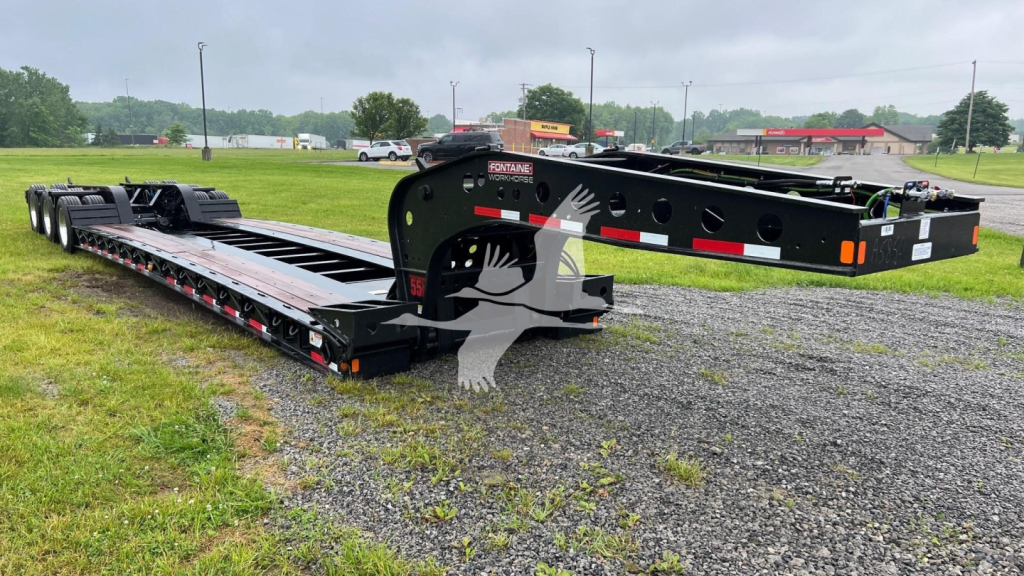
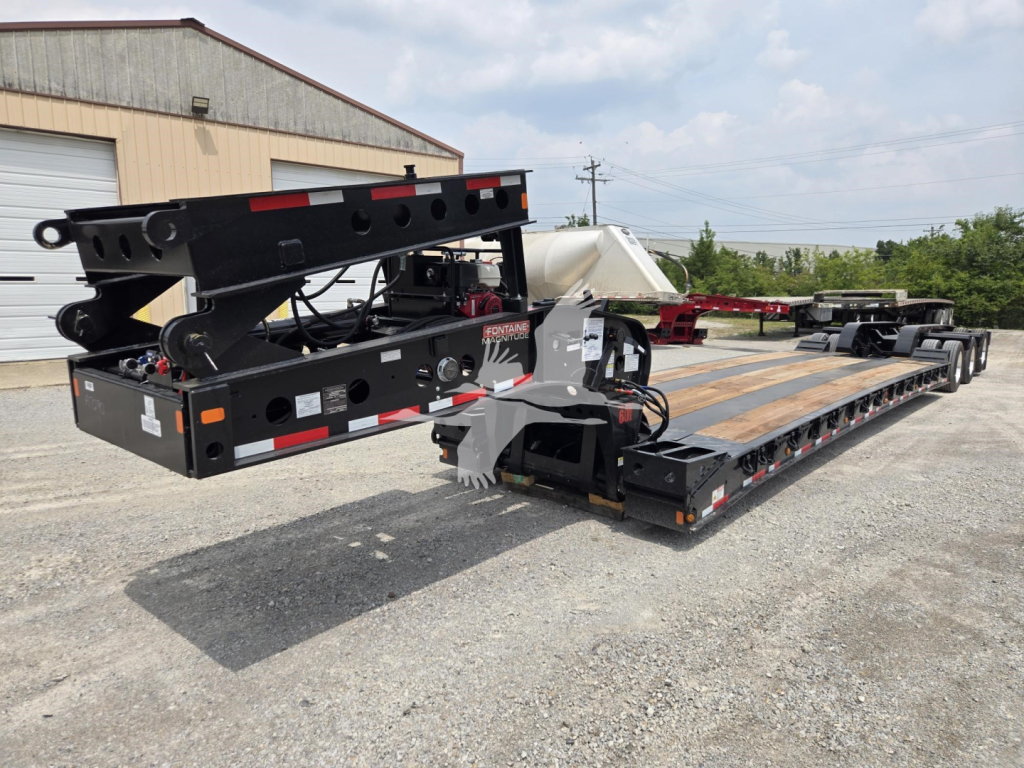
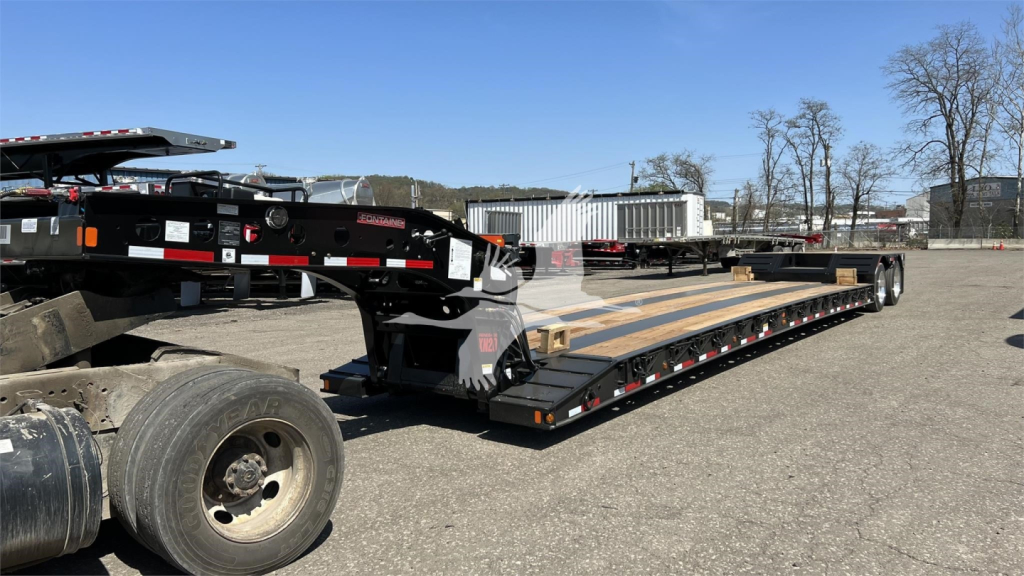
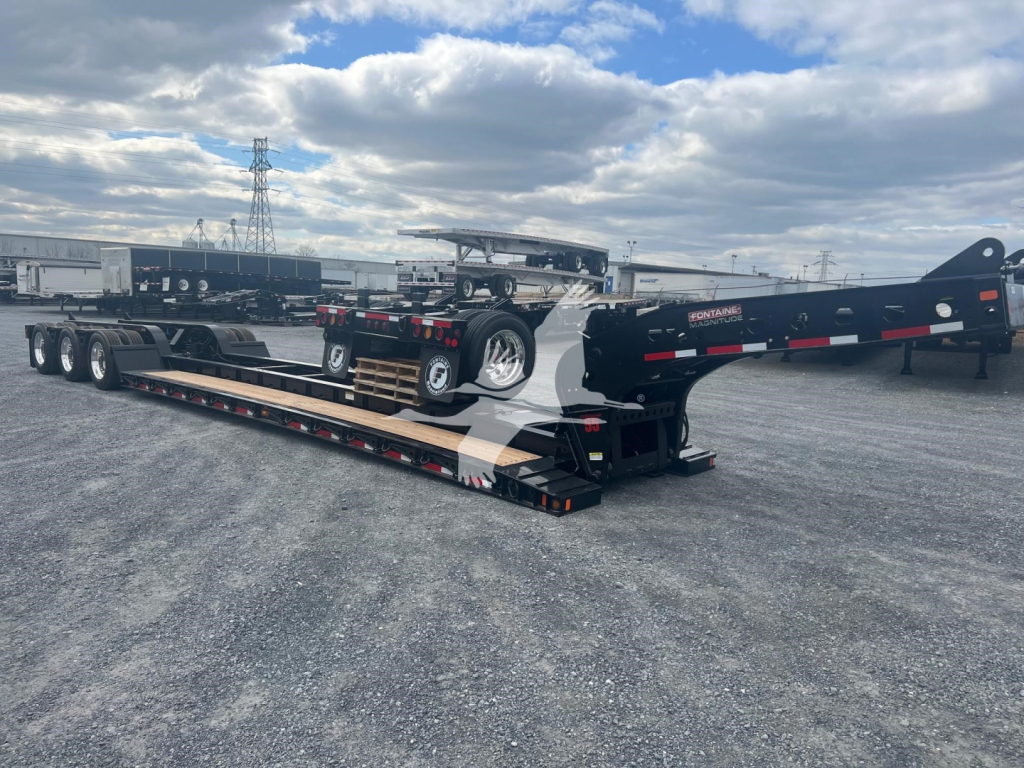
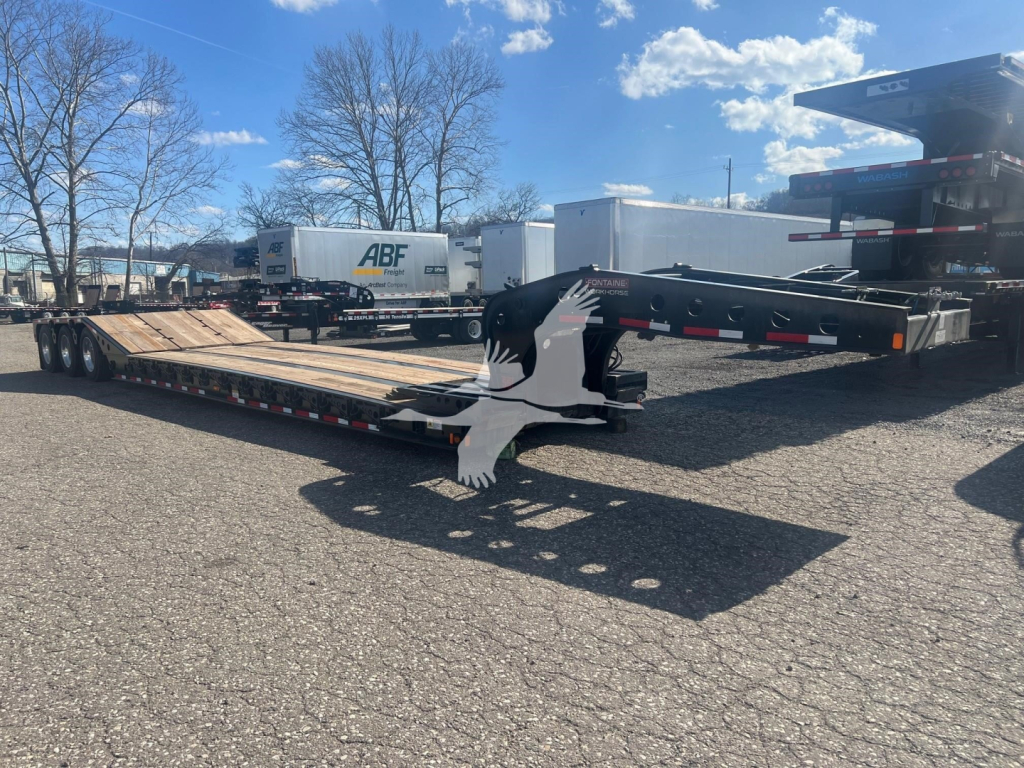
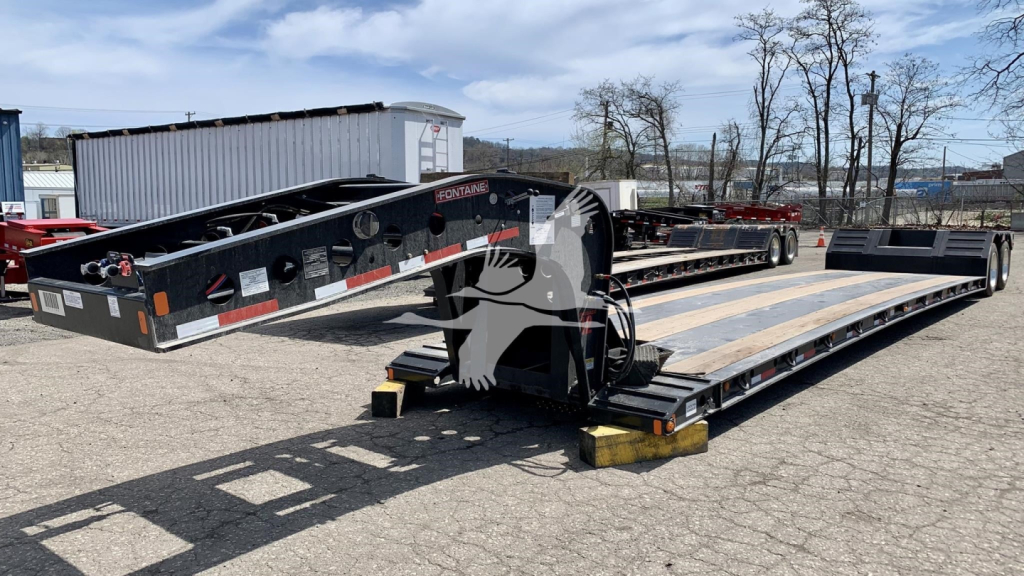
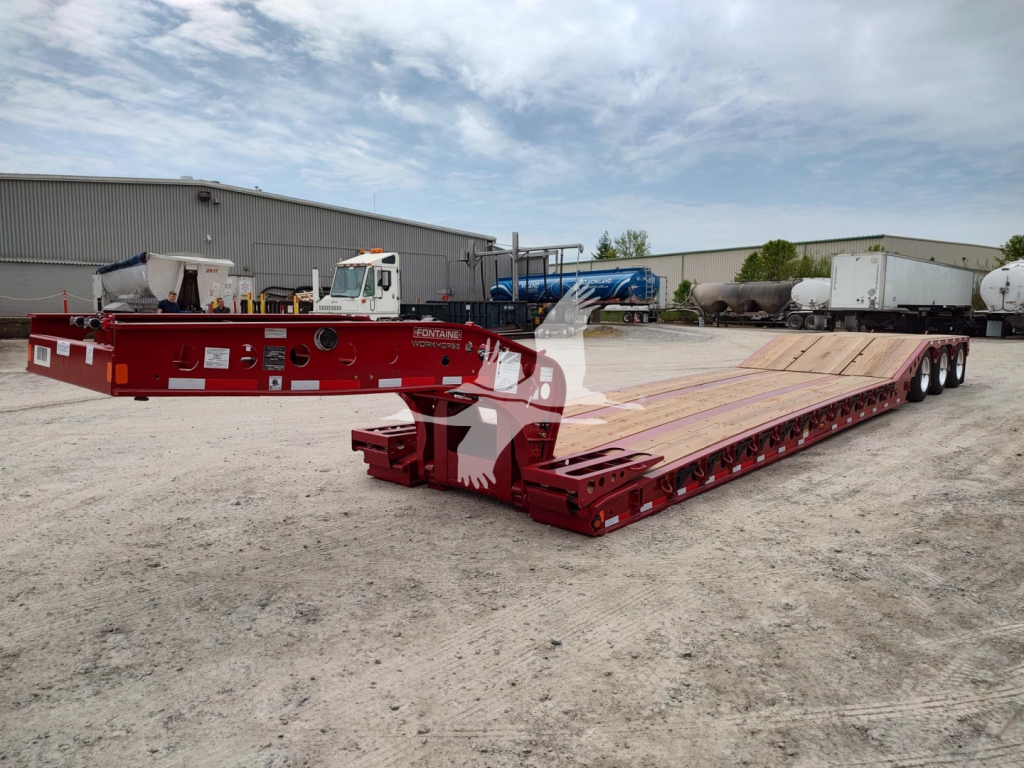
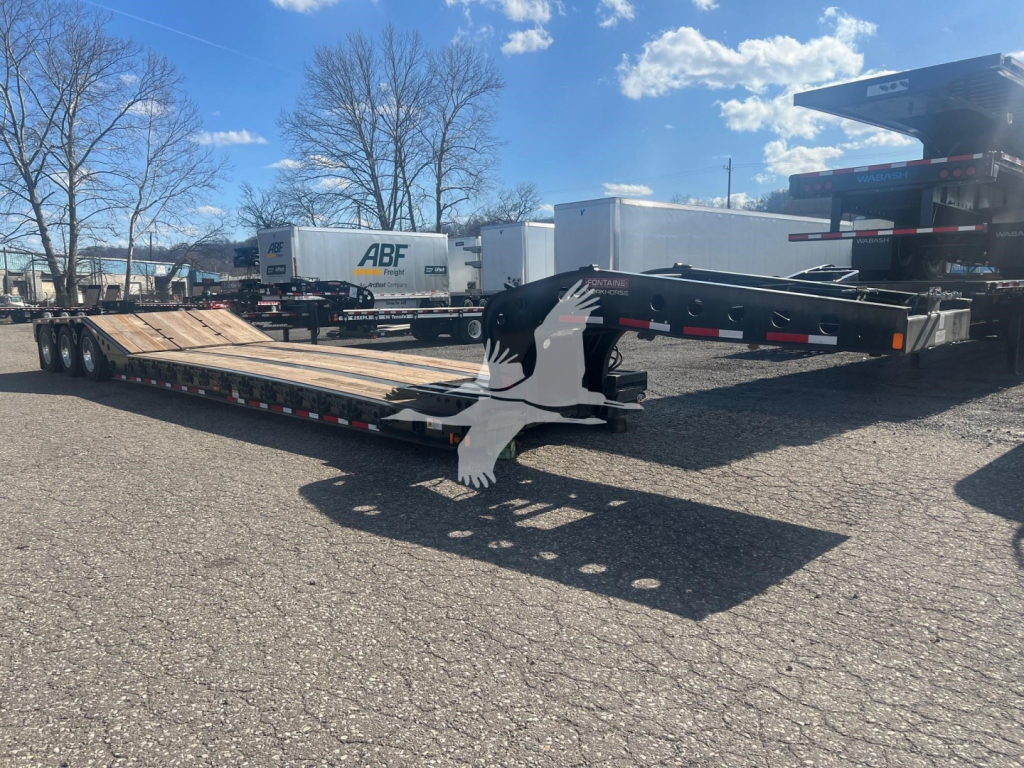
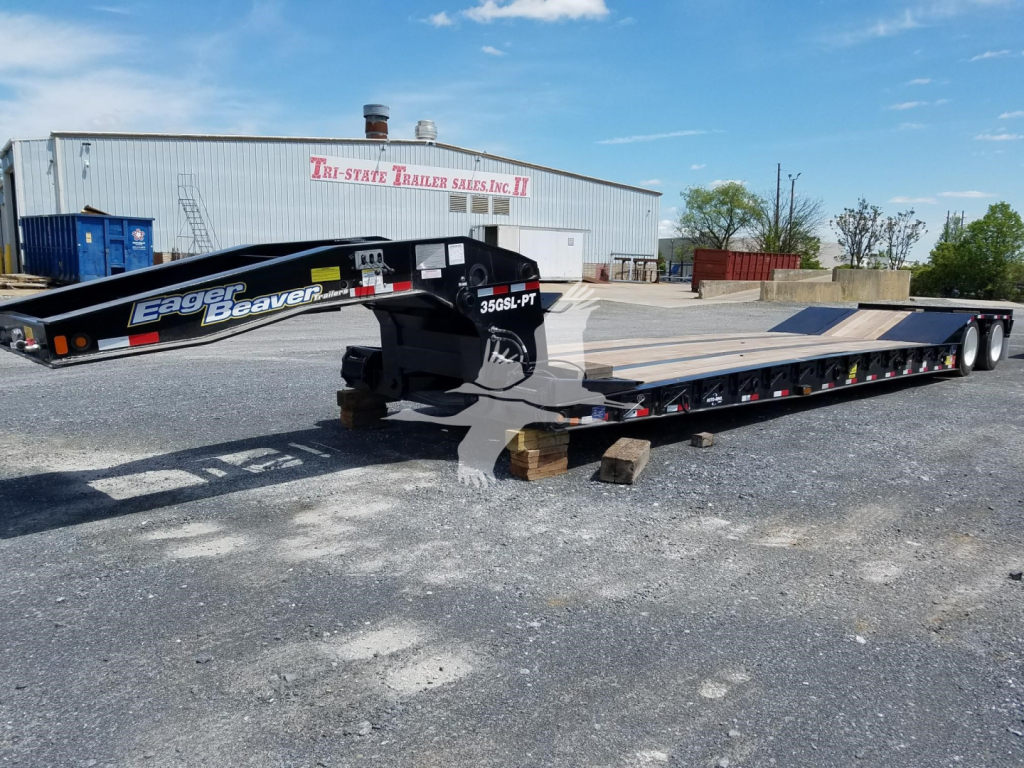
The first decision is usually capacity and deck configuration. Common new lowboy specs in this class include 53-foot overall length, 102-inch width, 26- to 27-foot main deck length, and loaded deck heights around 14.5 to 18 inches depending on frame design. A 55-ton lowboy is a common sweet spot for contractors hauling medium to heavy iron, while higher-capacity models in the 110,000-lb GVWR class step up for more demanding payloads and axle configurations. Pay close attention to concentrated load rating in a specified deck length, not just the headline tonnage. A trailer rated 55 tons in 12 or 13 feet can perform very differently from one with a longer distributed load rating. Swing clearance, kingpin settings, removable kingpin positions, and loaded fifth wheel height also matter because they affect tractor compatibility, turning radius, and permit planning.
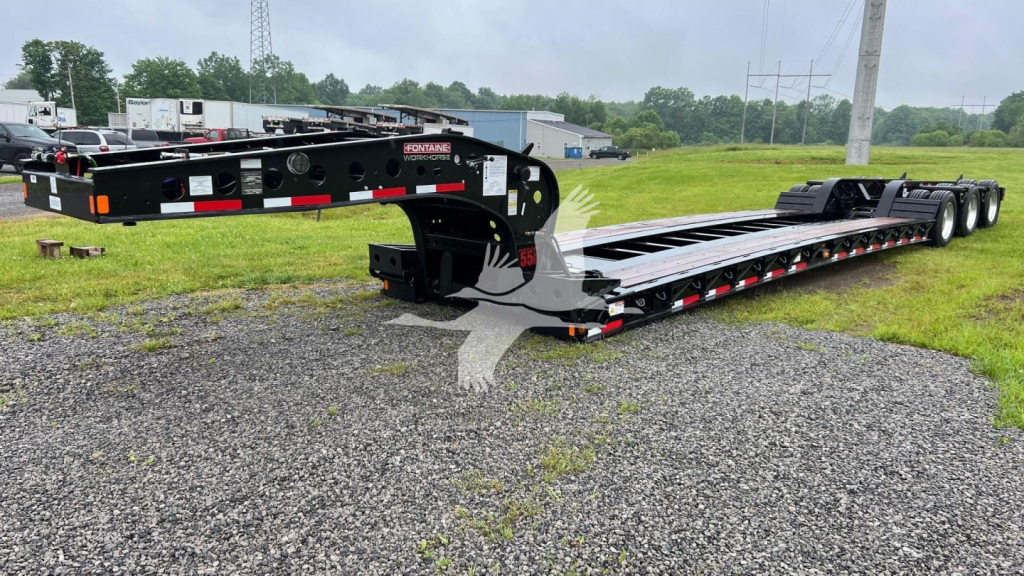
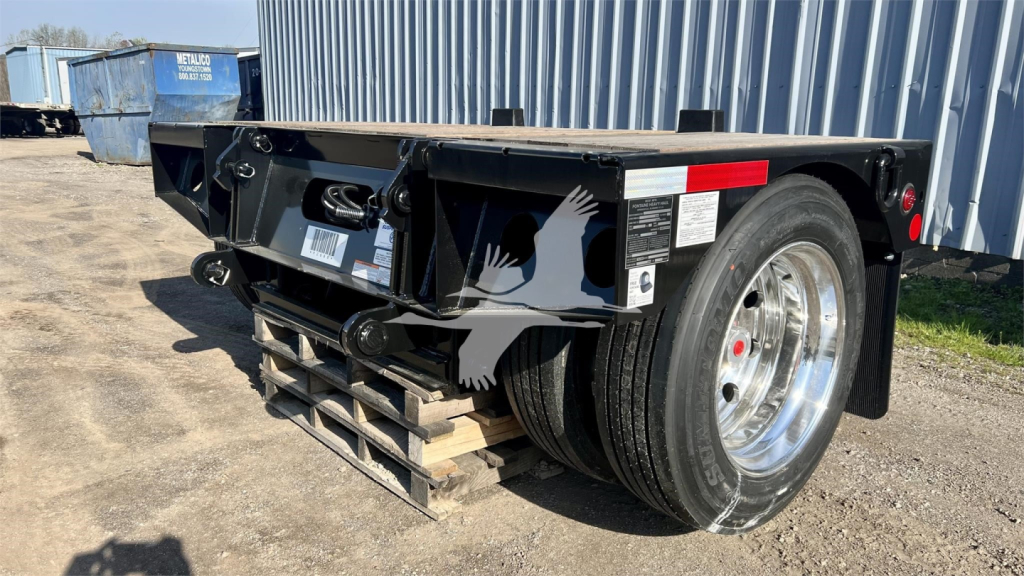
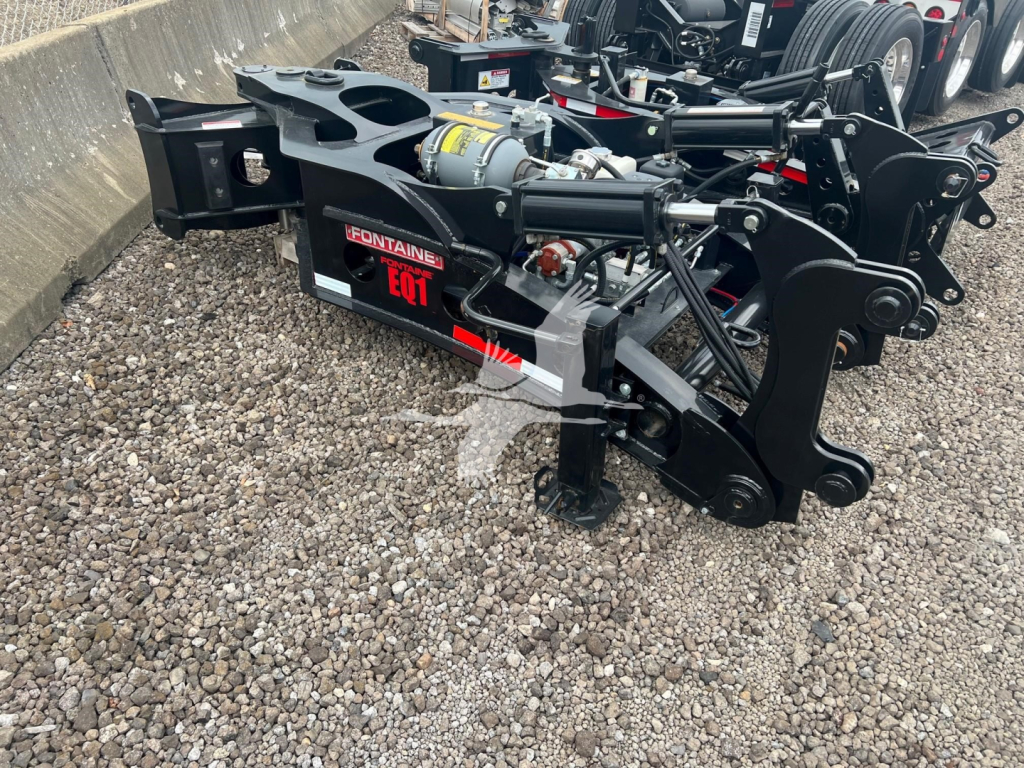
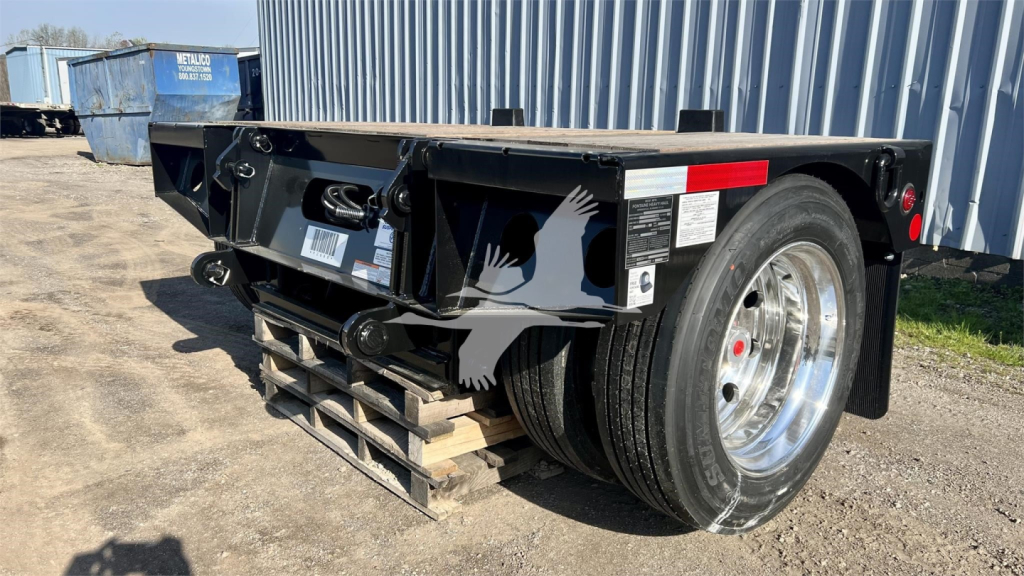
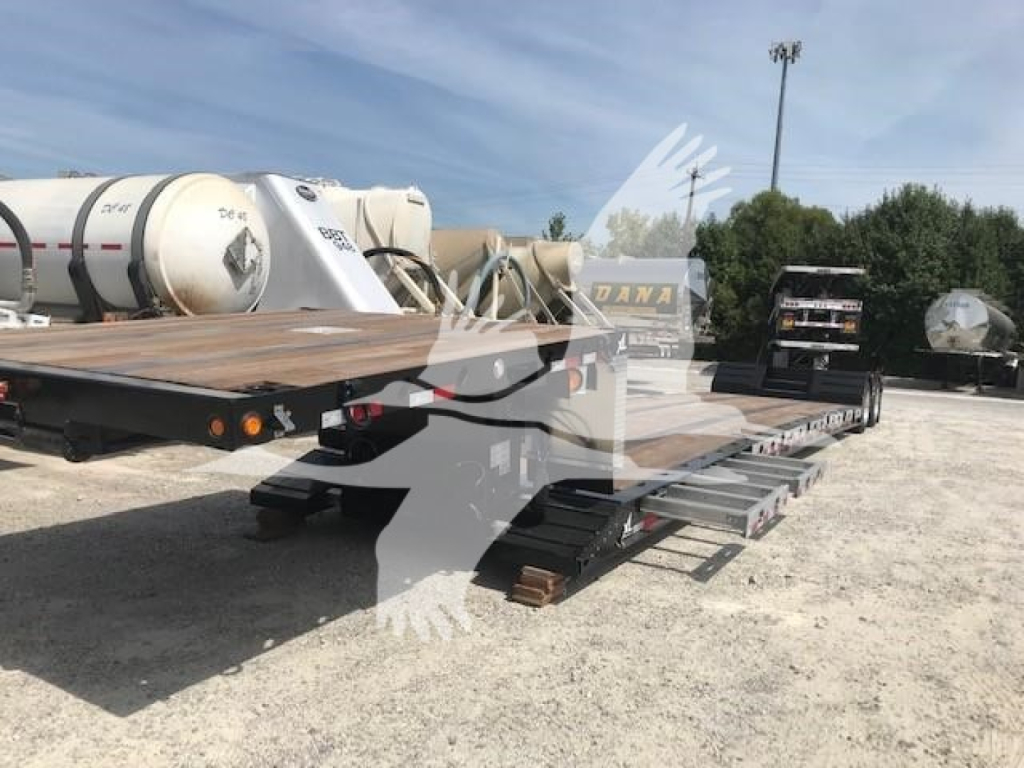
Buyers should also look closely at the working details that affect daily use. Hydraulic detachable, non-ground bearing goosenecks are popular because they speed hookup and reduce hassle on uneven jobsites. Air ride suspension, lift axles, dump valves, and ride height control help with loading angle, deck height, and axle management. Main deck flooring may be full-width wood or wood over the side rails with an open center design, depending on the equipment you haul. Outriggers on 24-inch centers, chain drops, bent D-rings, chain slots, bucket wells, hammer plates, and covered tool trays all add real value when securing mixed equipment. Tire size, wheel mix, crossmember spacing, and side rail construction also deserve attention because they influence durability, serviceability, and long-term operating cost.
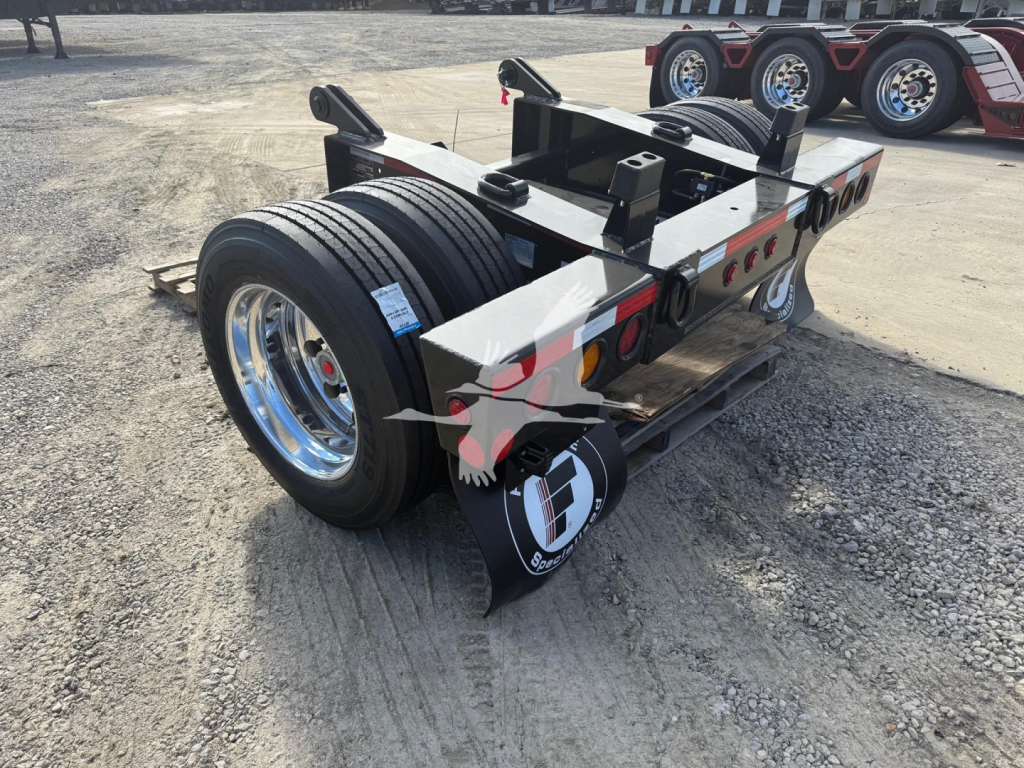
A new lowboy often makes sense for fleets that need current spec compliance, cleaner hydraulic and electrical systems, and the ability to order for a specific application such as paving equipment, excavators with buckets attached, or machines that require flip axle compatibility. In this category, flip axle or spreader compatibility is a major point because it gives you room to scale capacity and bridge law performance as jobs change. For Ohio operators, it is smart to think beyond the trailer alone and match the trailer to tractor wheelbase, fifth wheel height, permit needs, and the exact machines being moved most often. The best lowboy is not just the one with the highest rating. It is the one with the right deck height, securement layout, neck style, and axle setup for the loads that actually generate revenue.
Frequently Asked Questions about New Lowboy Trailers in Ohio
What is a lowboy trailer used for?
A lowboy trailer is used to haul heavy equipment and oversized machinery that would sit too tall on a standard flatbed. Common loads include excavators, bulldozers, loaders, pavers, rollers, scrapers, and some agricultural or industrial machines. The dropped main deck keeps overall loaded height lower, which helps with bridge and overpass clearance and makes the trailer better suited for heavy haul permit work.
What should I look for when buying a new lowboy trailer?
Start with actual payload requirements, then match them to deck length, loaded deck height, axle count, and concentrated load rating. After that, review detachable gooseneck style, kingpin settings, swing clearance, suspension type, and flip axle compatibility. Securement layout is also critical. Buyers should check the number and placement of D-rings, chain drops, outriggers, bucket wells, and tool storage because those details affect how efficiently the trailer handles real equipment in the field.
What is the difference between a fixed neck lowboy and a detachable gooseneck lowboy?
A fixed neck lowboy has a permanent front connection and is typically loaded from the rear with ramps. A detachable gooseneck lowboy, often called an RGN, allows the neck to disconnect so equipment can be driven directly onto the deck from the front. Detachable neck trailers are widely preferred for heavier and taller self-propelled equipment because loading is easier, safer, and usually faster on uneven jobsites.
How important is flip axle compatibility on a lowboy trailer?
Flip axle compatibility is very important for many heavy haul operations because it gives the trailer flexibility to handle heavier loads and improve axle spread for bridge compliance. A trailer built to accept a flip axle or spreader setup can adapt as payload demands change. Even if a flip axle is not used every day, compatibility can protect resale value and expand the types of loads the trailer can legally and efficiently move.
What deck height is typical on a new lowboy trailer?
Many new lowboy trailers in this class have loaded main deck heights in roughly the 14.5-inch to 18-inch range, though exact height depends on frame design, suspension, tire size, and capacity. Lower deck height is valuable because it preserves legal loaded height for tall equipment. Buyers should confirm deck height under load, not just unloaded specs, because that is the number that affects routing, permits, and the practical ability to move taller machines.