
New Fontaine Lowboy Trailers For Sale in Ohio
New Fontaine lowboy trailers for sale in Ohio. Compare 40-ton to 55-ton hydraulic detachable models with air ride, flip axle options, and low deck heights.
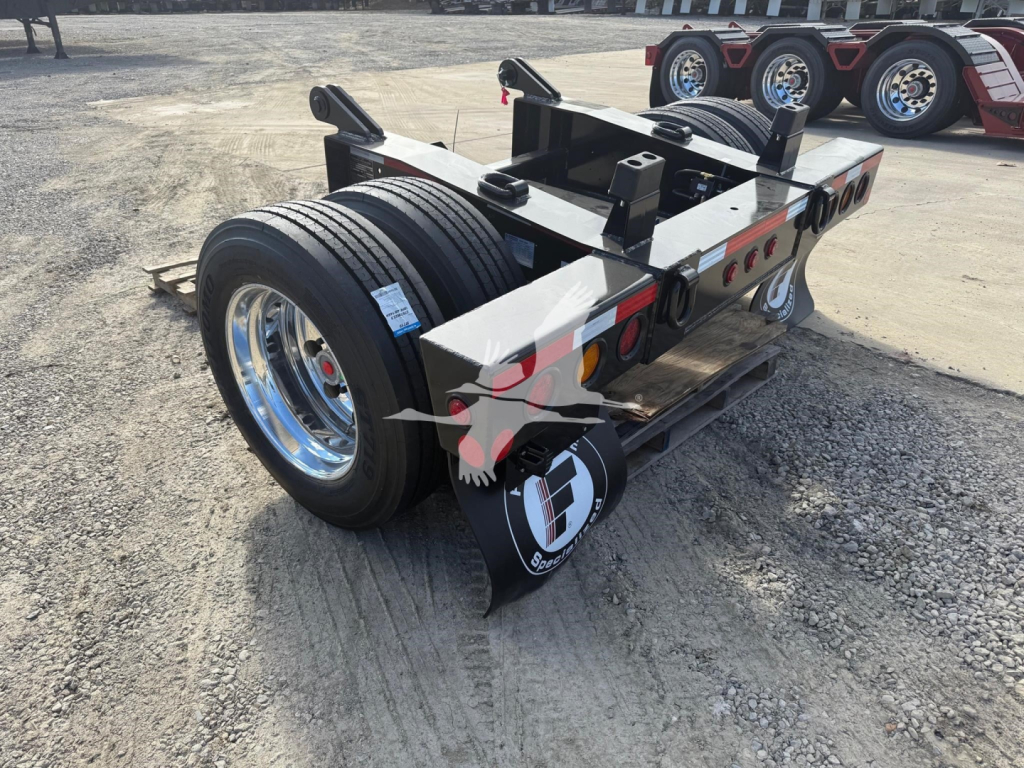
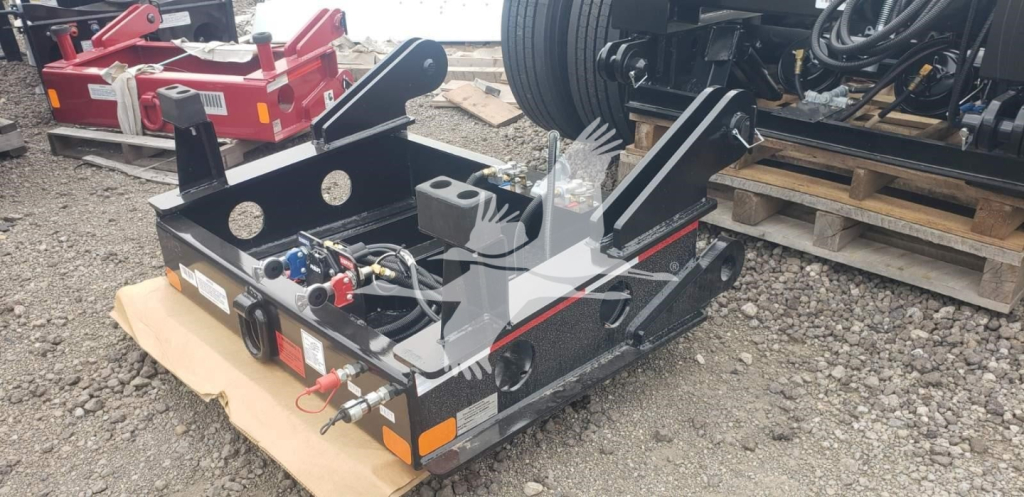
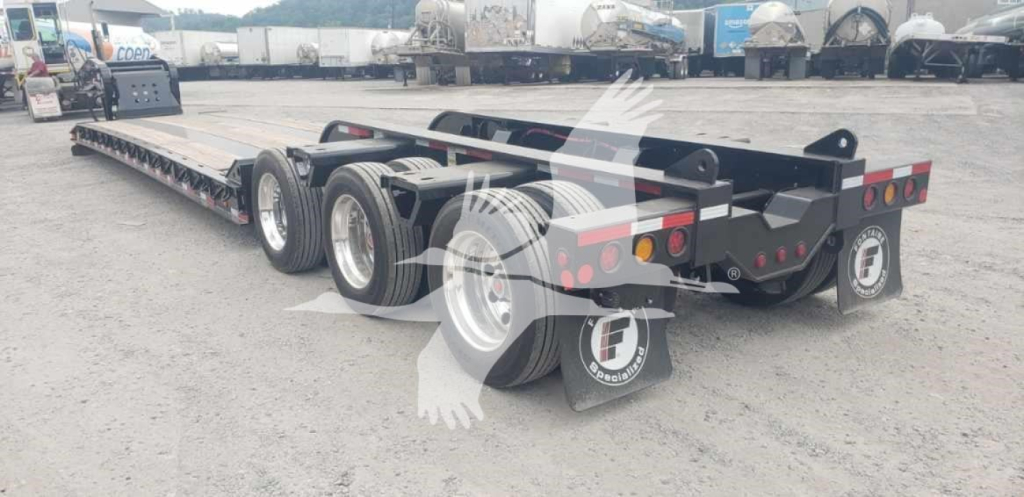
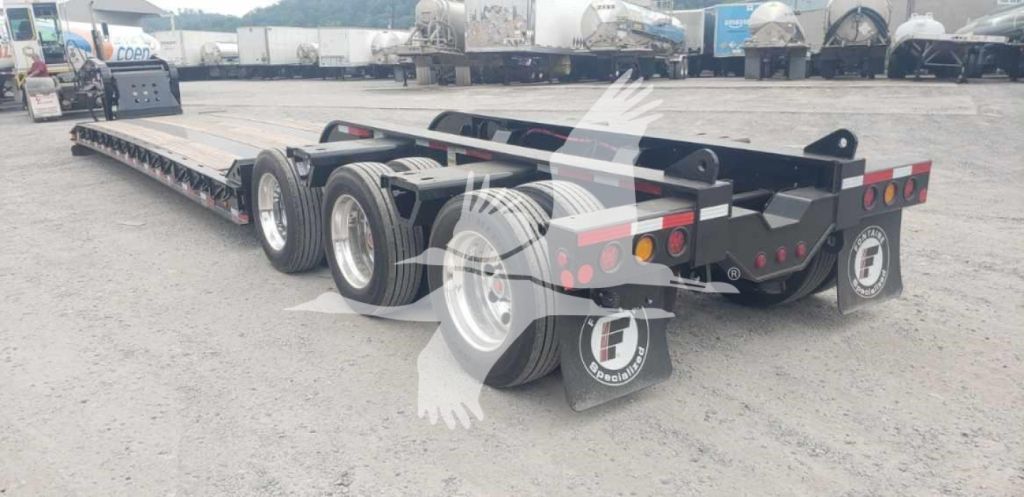
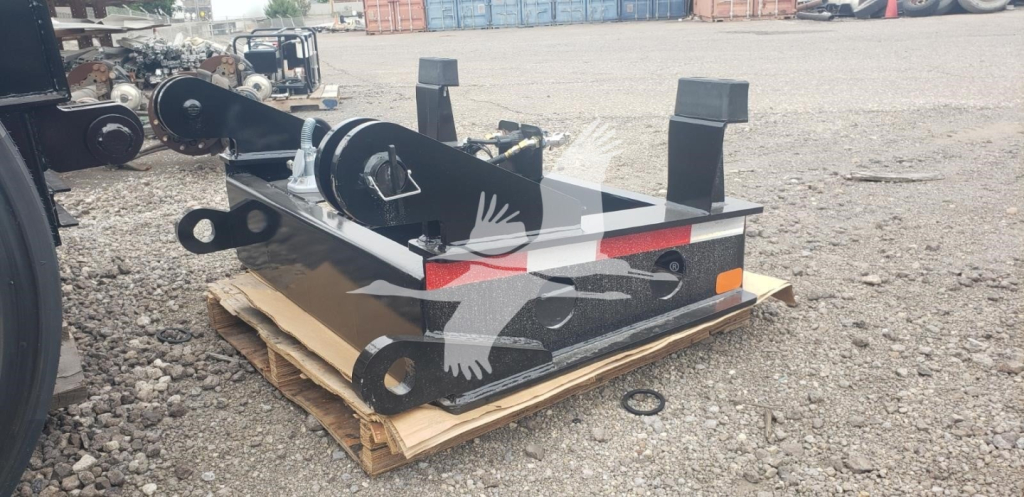
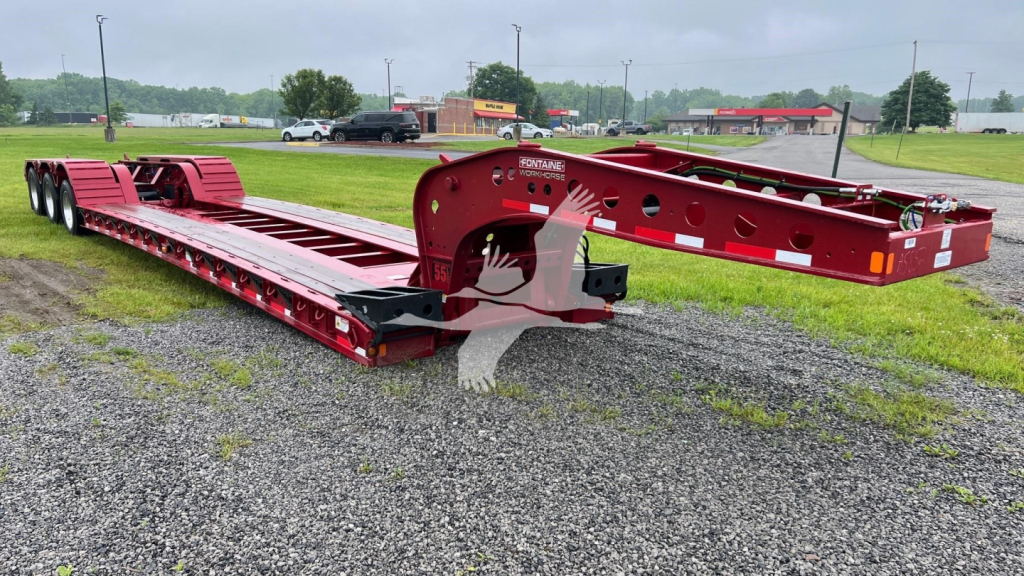
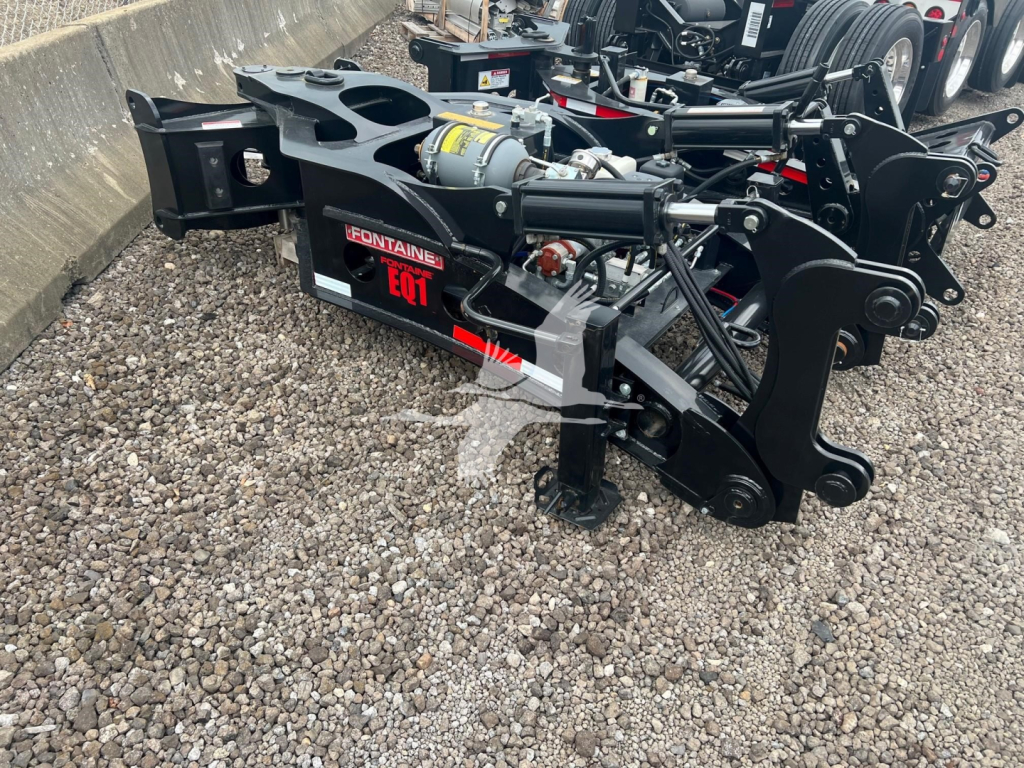
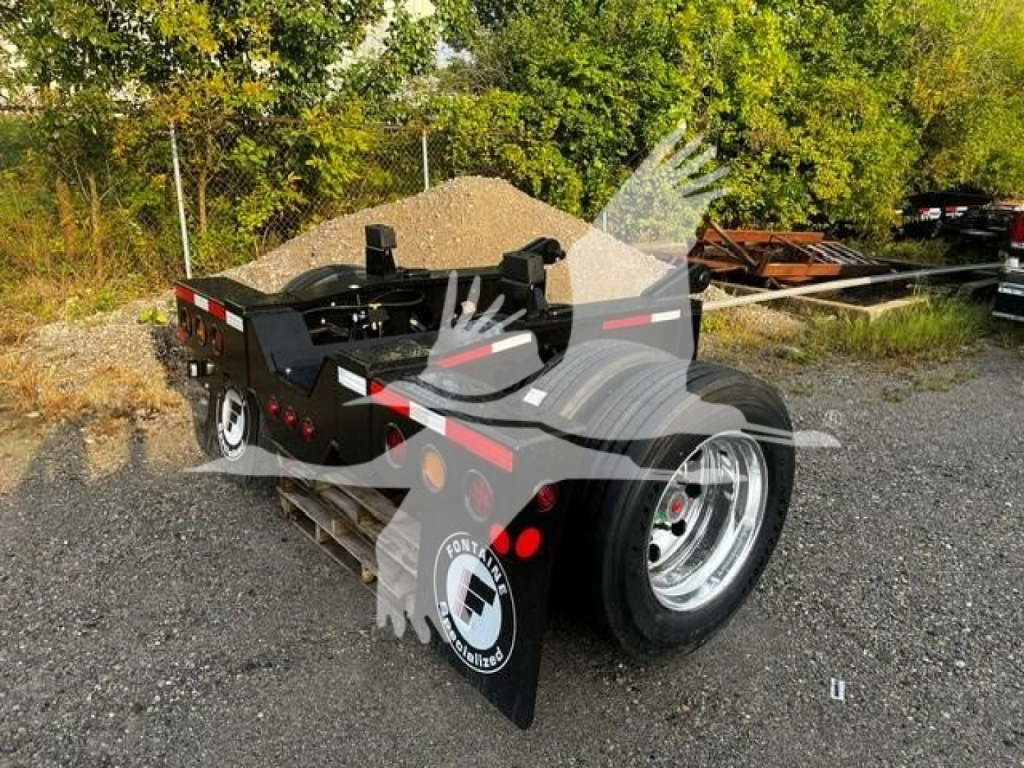
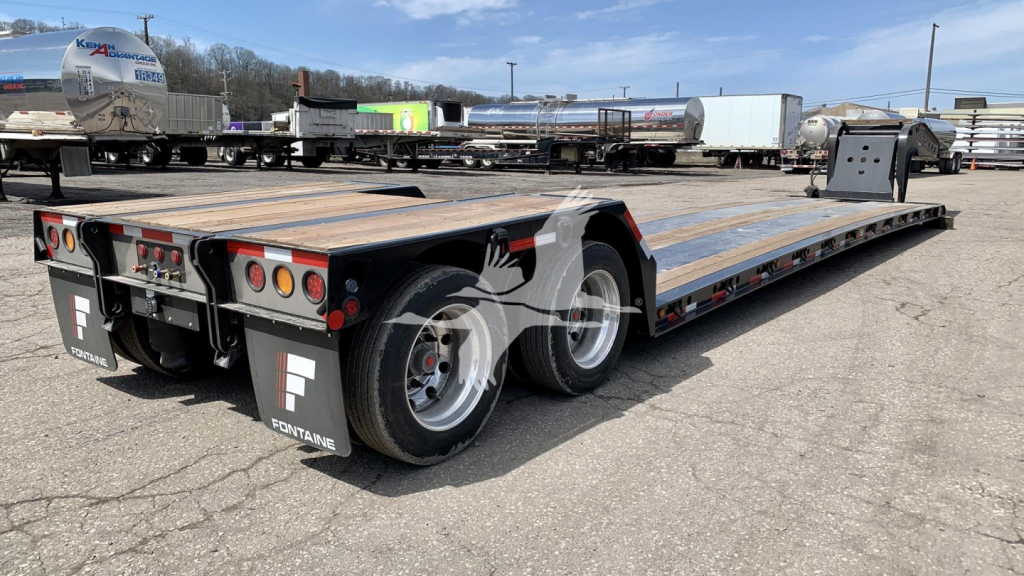
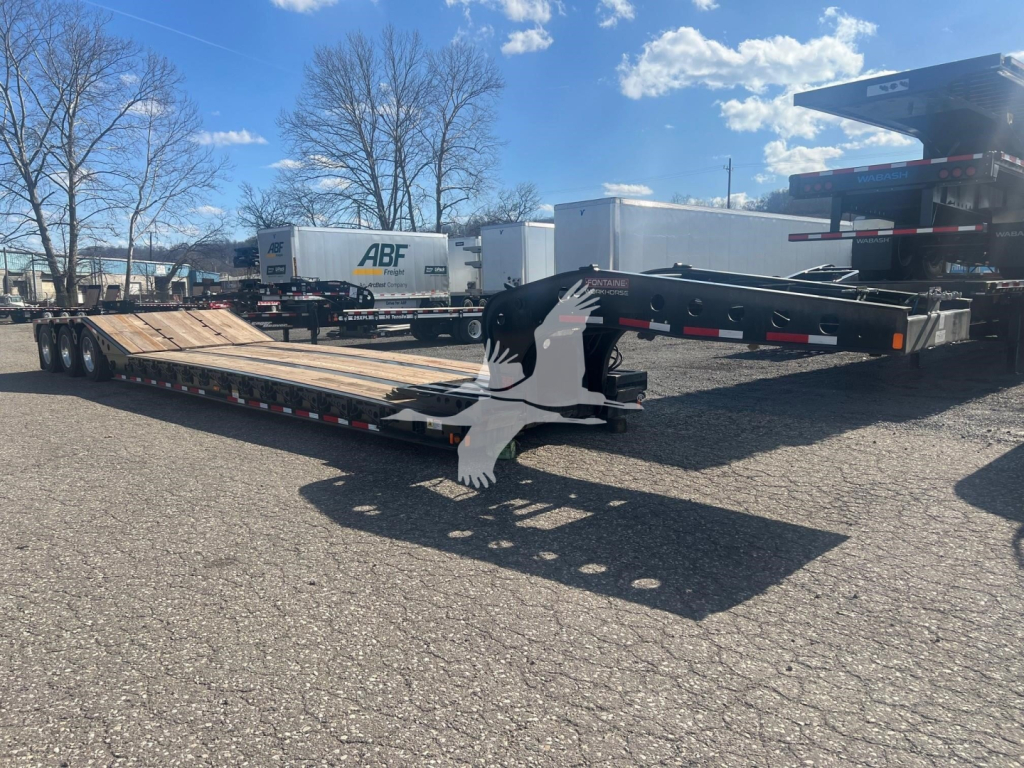
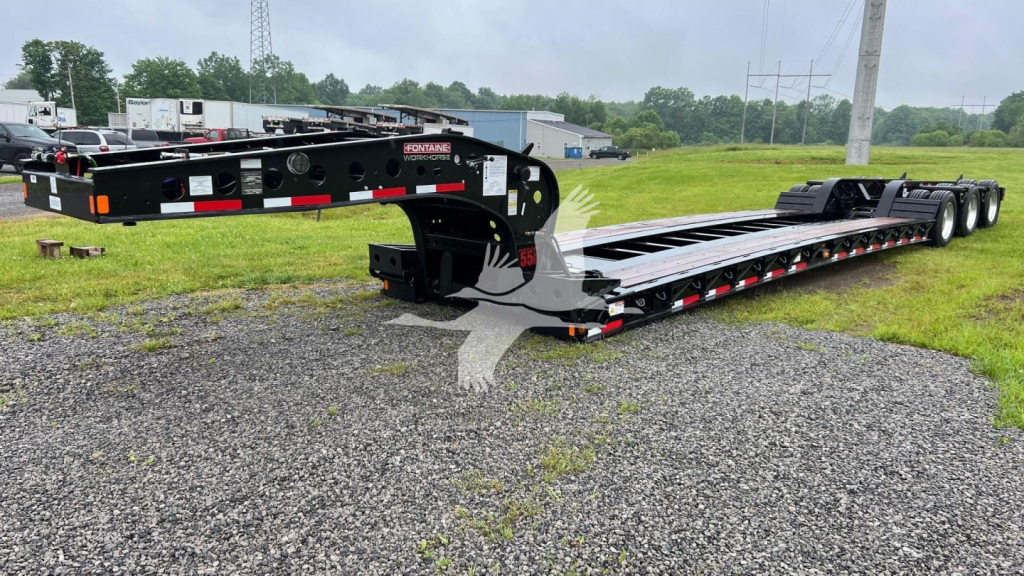
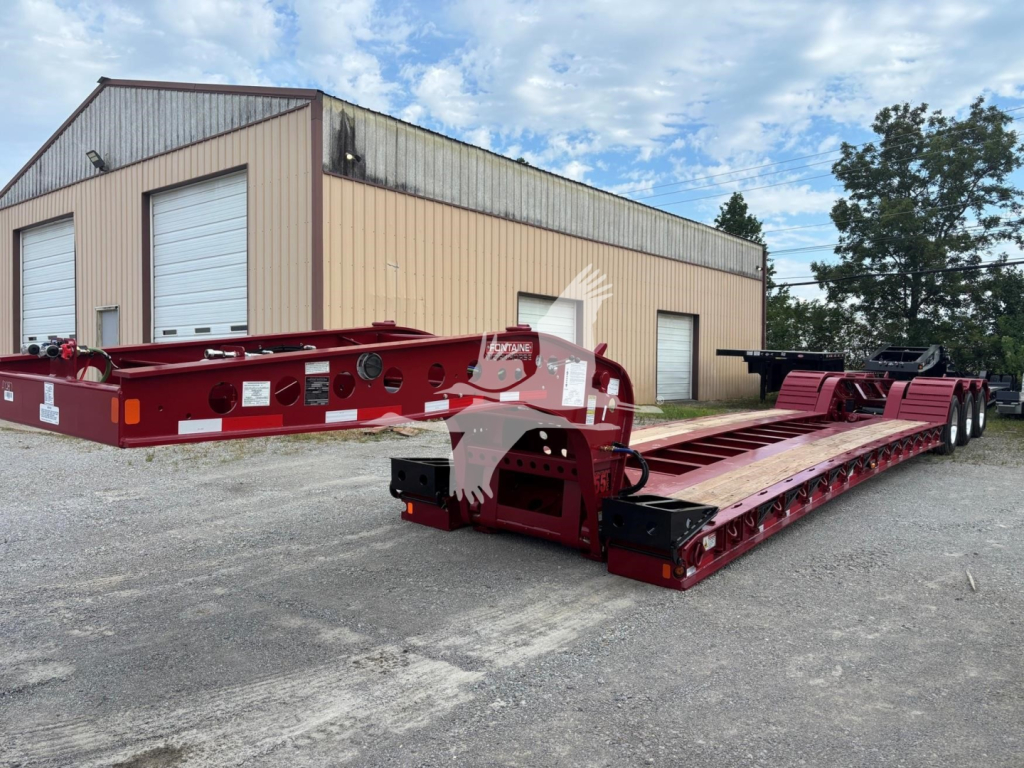
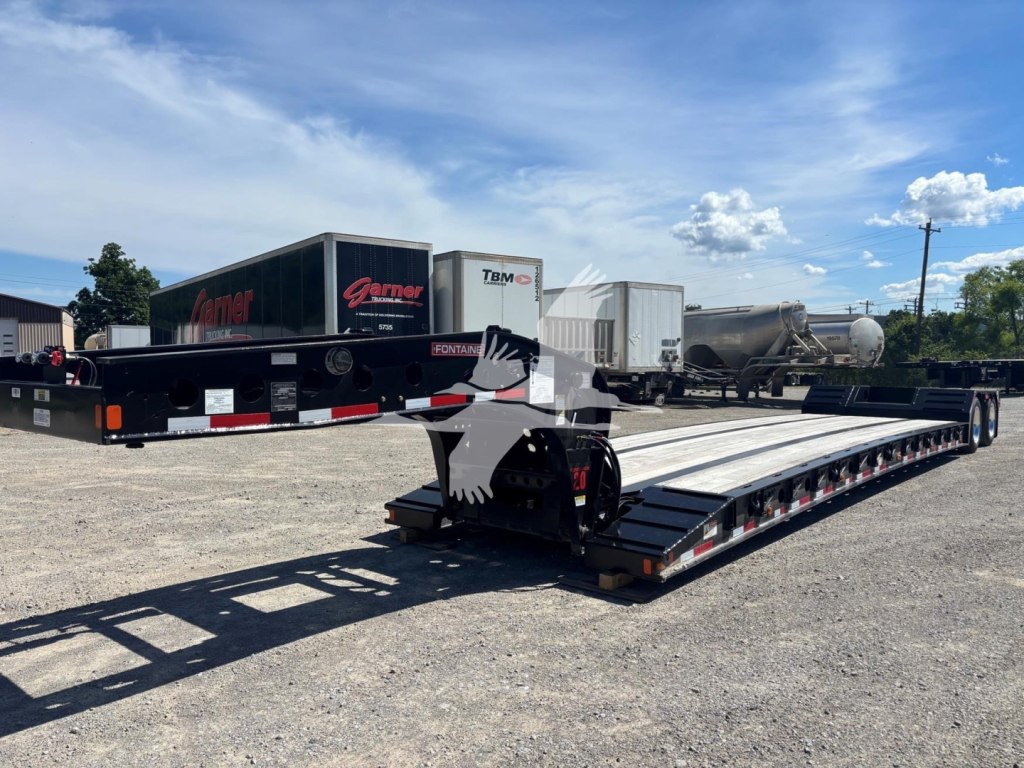
Selling a new fontaine lowboy trailer? List your new fontaine lowboy trailer for sale and reach thousands of commercial buyers.
New Fontaine Lowboy Trailers in Ohio
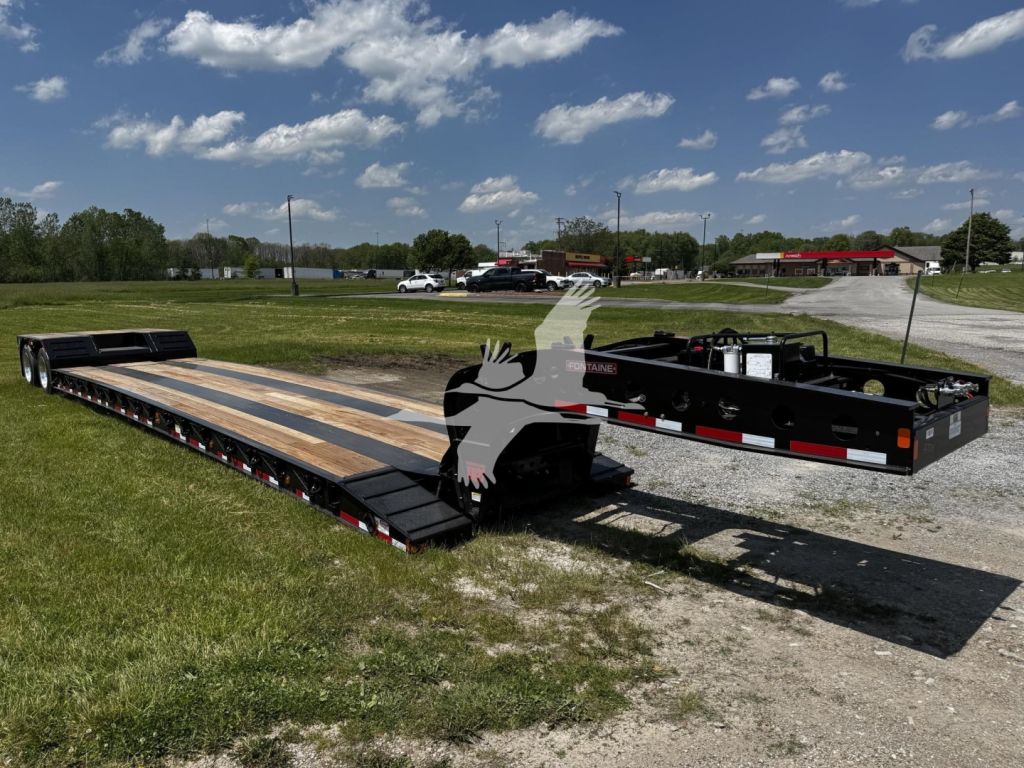
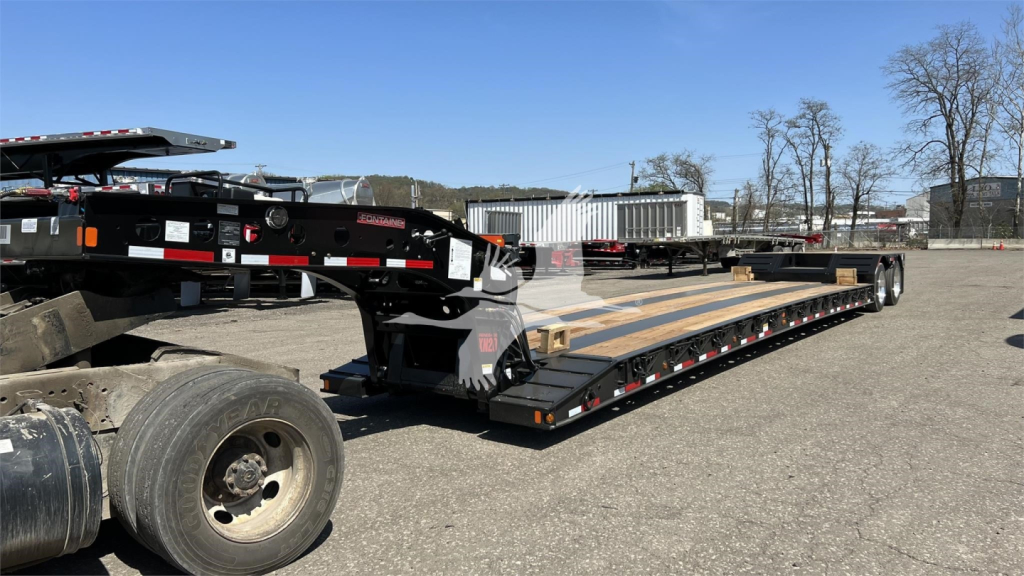
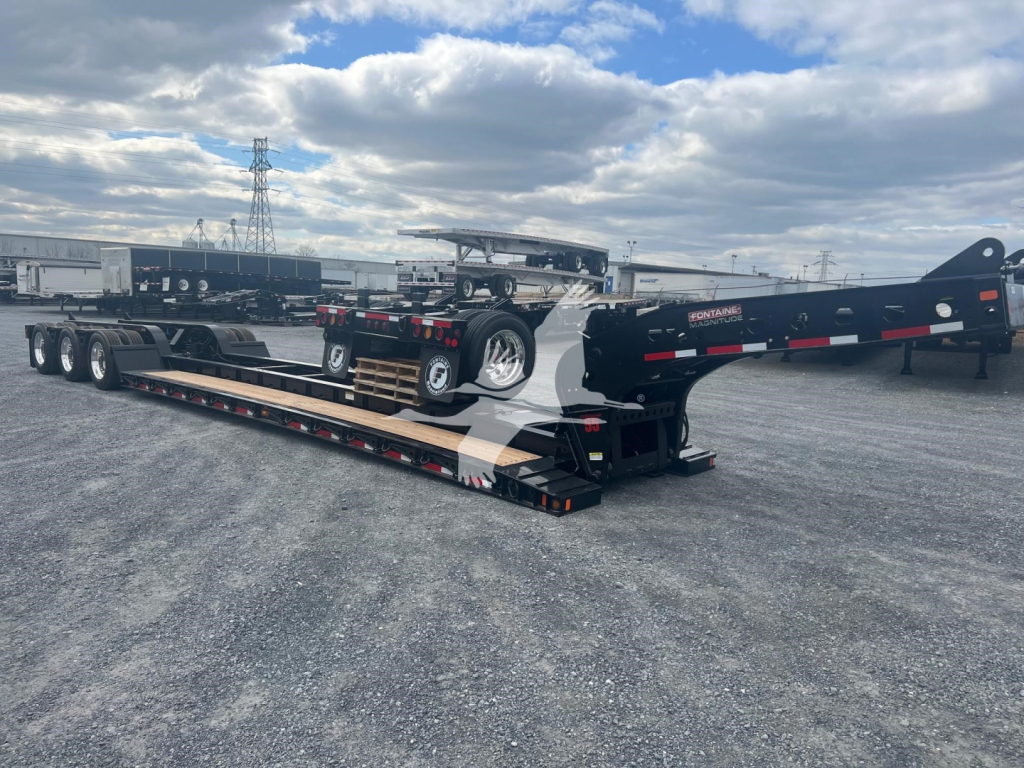
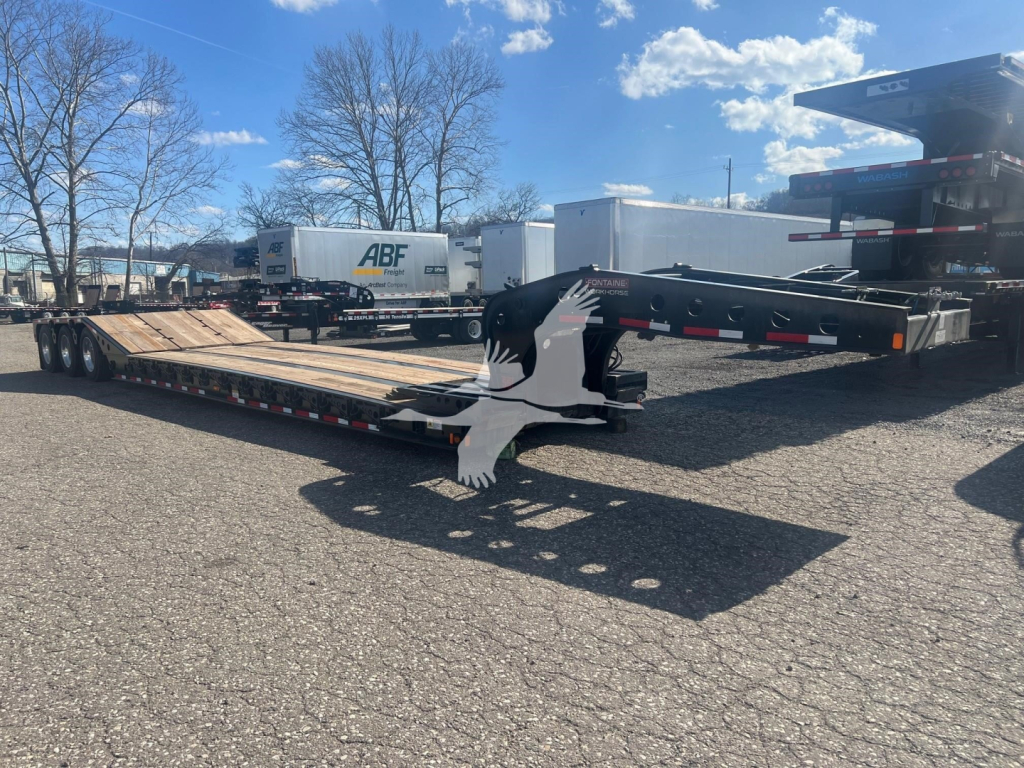
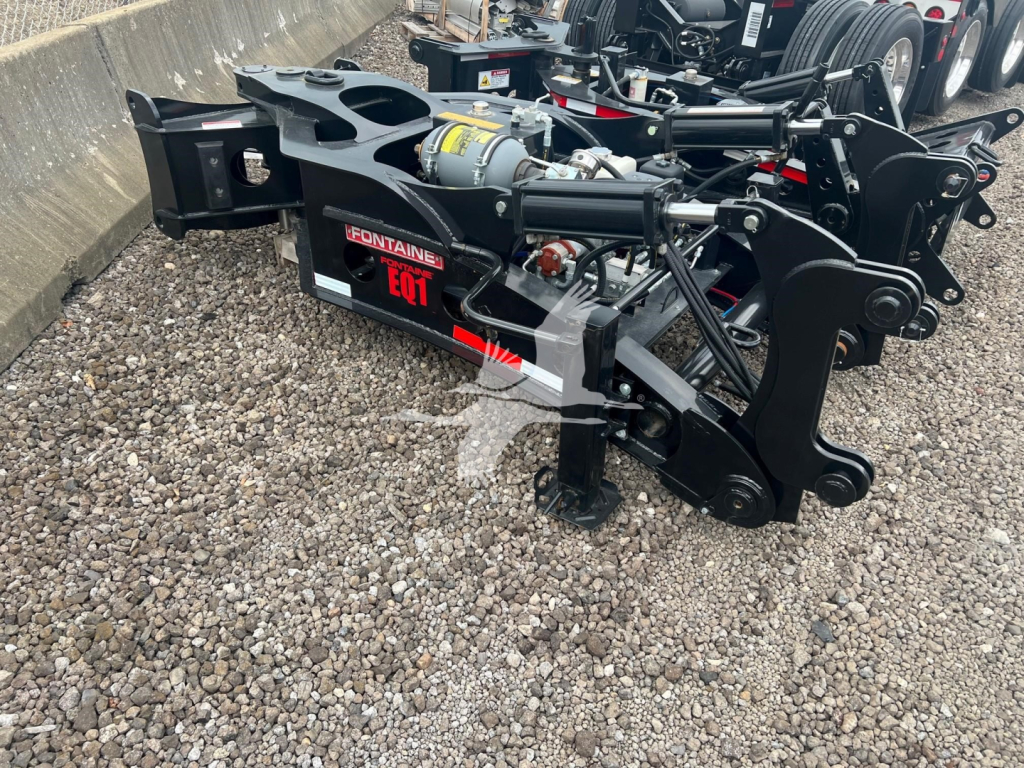
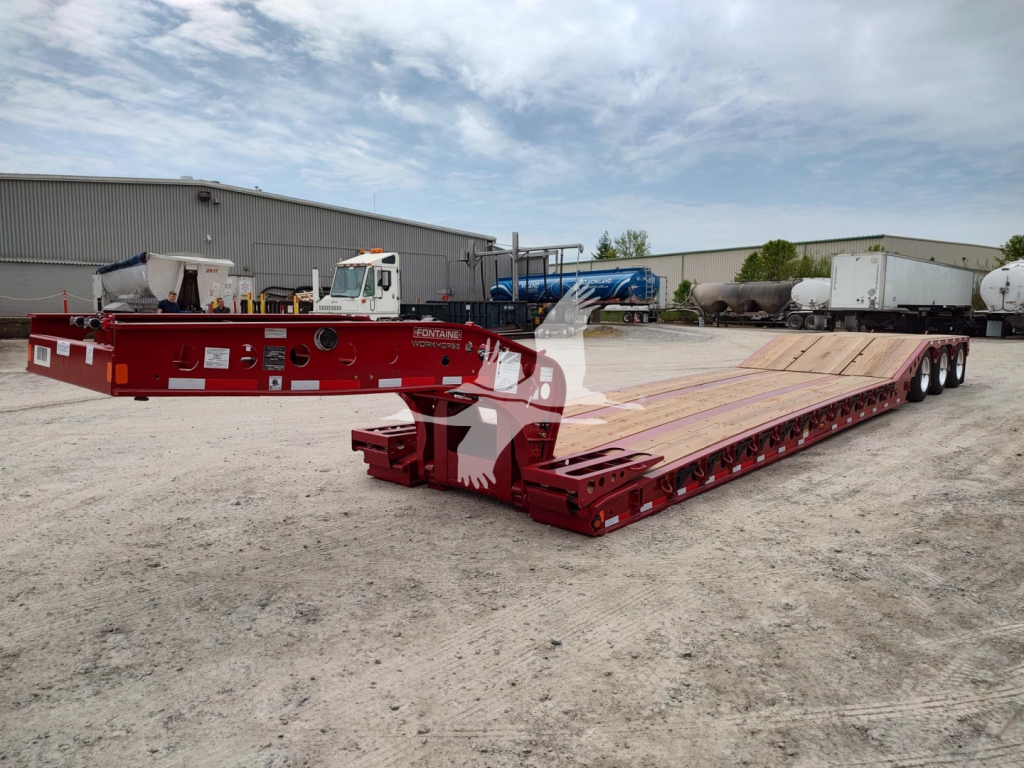
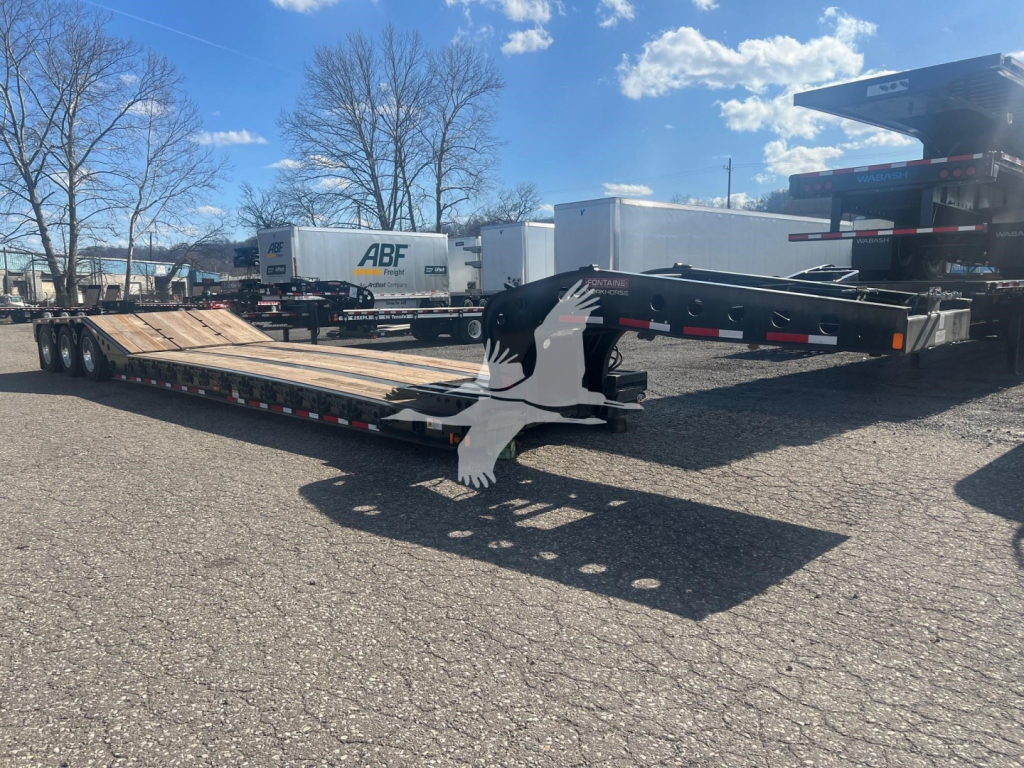
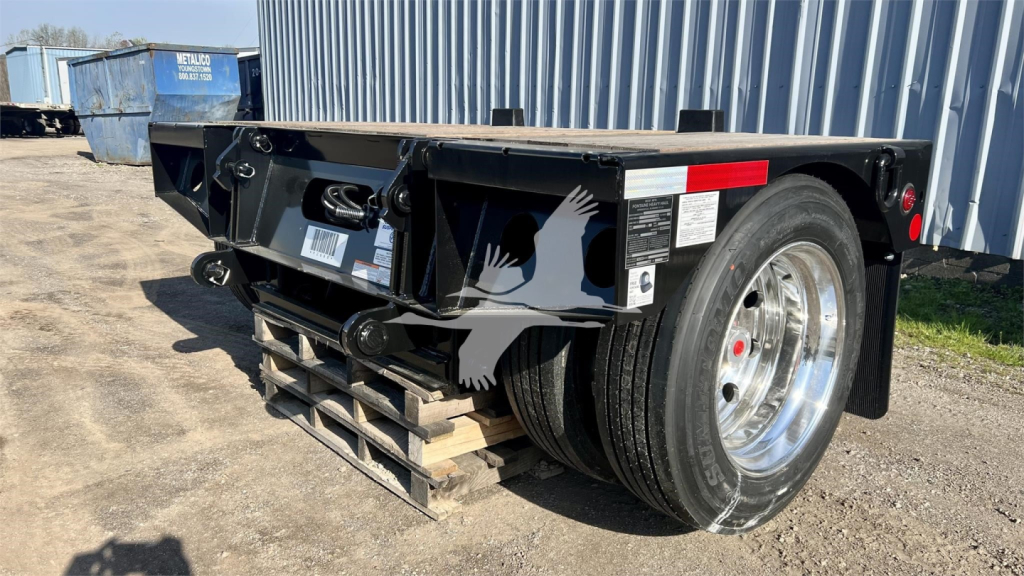
A typical new Fontaine lowboy in this class runs 102 inches wide with overall lengths around 50 to 53 feet, deck lengths in the mid-20-foot range, and loaded deck heights often between roughly 14.5 and 22 inches depending on model and beam design. Capacity is commonly in the 40-ton to 55-ton range, often rated over a specified concentrated length such as 12, 13, or 16 feet, so buyers need to match the rating to actual machine weight distribution, not just gross operating weight. Hydraulic detachable, non-ground-bearing goosenecks are common, along with multiple loaded fifth wheel height positions to help with tractor compatibility and ride height tuning. Air ride suspension, mechanical ride height control valves, air lift rear axles, and 275/70R22.5 or similar rubber are standard configurations buyers will recognize. If permit work is routine, features like flip axle connections, removable kingpin settings, swing clearance, and axle spacing deserve close attention because they directly affect bridge law compliance and route flexibility.
Deck construction and securement details are where one Fontaine lowboy can separate itself from another. Apitong flooring, steel side rails, removable swing-out outriggers, numerous D-ring pairs, chain slots, hammer plates, boom wells, and wheel cover systems all change how the trailer handles real jobsites. Paver-specific models may add full-width loading surfaces, wood-filled ramps, or low boom wells to better accommodate rollers and asphalt equipment. A contractor hauling mixed iron may prefer a general-purpose 55-ton platform with stronger tie-down options and rear flip axle compatibility, while an operator moving lower-profile equipment may focus more on clear deck length and ease of approach. Storage trays between the beams, battery-powered rear strobes, flag holders, and covered toolboxes are not just convenience items. They help day-to-day usability when chains, blocking, and oversize gear need to stay organized.
For Ohio buyers, application and route type should guide the spec. Regional construction hauling, plant-to-jobsite paving moves, and machinery transfers across state lines all place different demands on deck height, legal axle groupings, and detach style. A lower main deck can help keep taller machines under permit thresholds, but deck clearance, load angle, and durability still need to fit the terrain and equipment mix. New Fontaine lowboy trailers are popular because they offer familiar serviceability, straightforward heavy-haul specs, and configurations that can be tailored toward either high-frequency equipment loading or more specialized oversize work. The best choice usually comes down to the machine list you haul most often, the tractor ride height you are pairing with it, and whether future capacity upgrades such as flip axles are part of the plan.
Frequently Asked Questions about New Fontaine Lowboy Trailers in Ohio
What is the difference between a Fontaine lowboy and a detachable gooseneck lowboy?
Most Fontaine lowboy trailers in this category are detachable gooseneck models, often called hydraulic detachable lowboys or DGN trailers. The detachable neck allows self-loading from the front, which is a major advantage for tracked and wheeled equipment. Compared with a fixed-neck trailer, a hydraulic detachable lowboy usually offers easier loading, better versatility for construction equipment, and improved access for machines that do not load well over rear ramps.
How do I choose between a 40-ton and 55-ton Fontaine lowboy?
Start with actual payload and axle loading, not just the advertised machine weight. A 40-ton trailer can be a strong fit for compact excavators, loaders, rollers, and mid-size construction equipment, especially when lower tare weight matters. A 55-ton Fontaine lowboy is better suited for heavier machines, denser weight concentrations, and fleets that need more flexibility for future hauling demands. Buyers should also compare the stated rating length, deck design, and whether a flip axle can be added, because those factors affect legal hauling as much as the base ton rating.
Why does deck height matter so much on a lowboy trailer?
Deck height directly affects legal loaded height, center of gravity, and what machines you can move without permit complications. A lower deck can make the difference between a routine haul and an over-height load, especially with taller excavators, pavers, and aggregate equipment. Buyers should balance low deck height against ground clearance, beam design, and jobsite conditions, because an ultra-low trailer still has to survive uneven approaches, dirt lots, and rough pavement transitions.
What features should I look for if I haul paving equipment?
Paving applications often benefit from a low-profile deck, full-width loading surfaces, wood-filled or low-angle ramps, strong outriggers, and secure tie-down placement for odd-shaped equipment. Models built around paver and roller hauling may also include a boom well, hammer plate, additional D-rings, and rear compatibility for flip axles. The key is to spec the trailer around the actual machines being hauled, since paving fleets often move a mix of pavers, compactors, skid steers, and support equipment with different loading footprints.
Are flip axle connections worth having on a new Fontaine lowboy?
For many heavy-haul buyers, yes. Flip axle compatibility gives the trailer more flexibility when payloads increase or permit requirements change, and it can help distribute weight more effectively across axle groups. Even if a flip axle is not part of the initial setup, having the trailer built to accept one can protect resale value and reduce future reconfiguration costs. It is especially useful for operators who expect to haul a wider range of machines or cross into states with stricter bridge and axle regulations.