
New Dorsey Trailers For Sale in Ohio
Shop new Dorsey trailers for sale in Ohio, including flatbeds and drop decks with air ride suspension, Apitong floors, and 80,000 GVWR.
Selling a new dorsey trailer? List your new dorsey trailer for sale and reach thousands of commercial buyers.
New Dorsey Trailers in Ohio
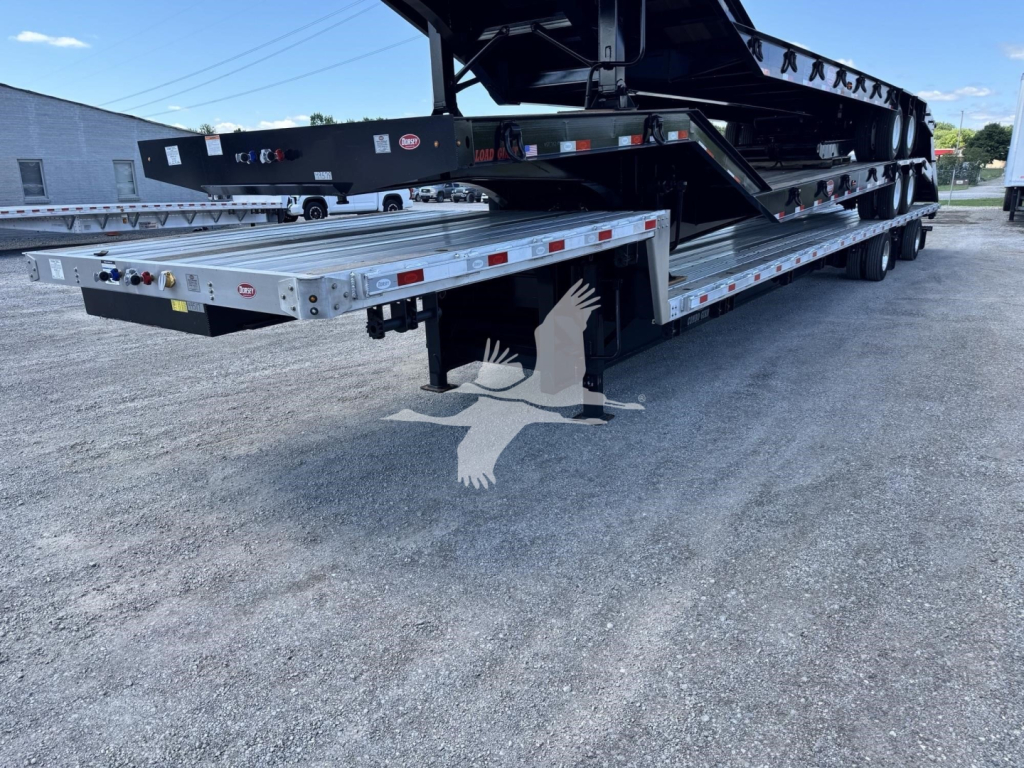
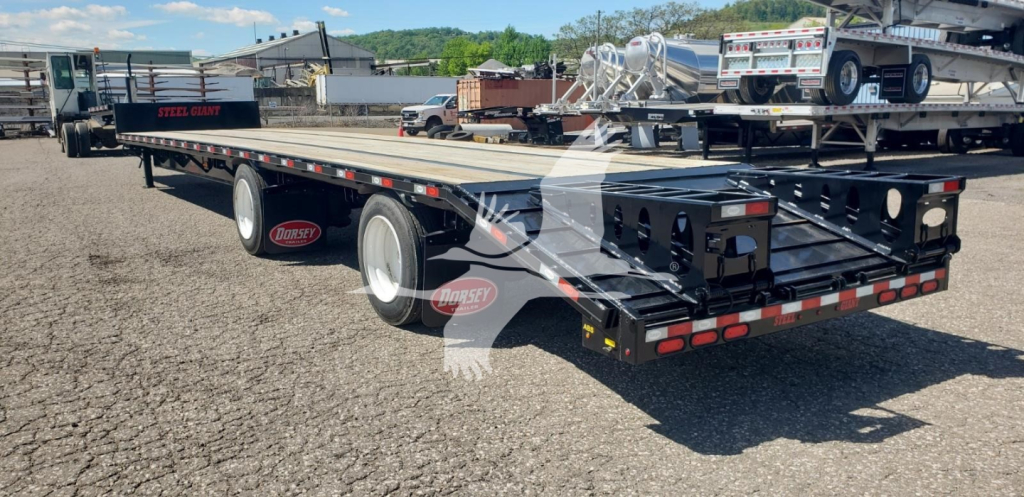
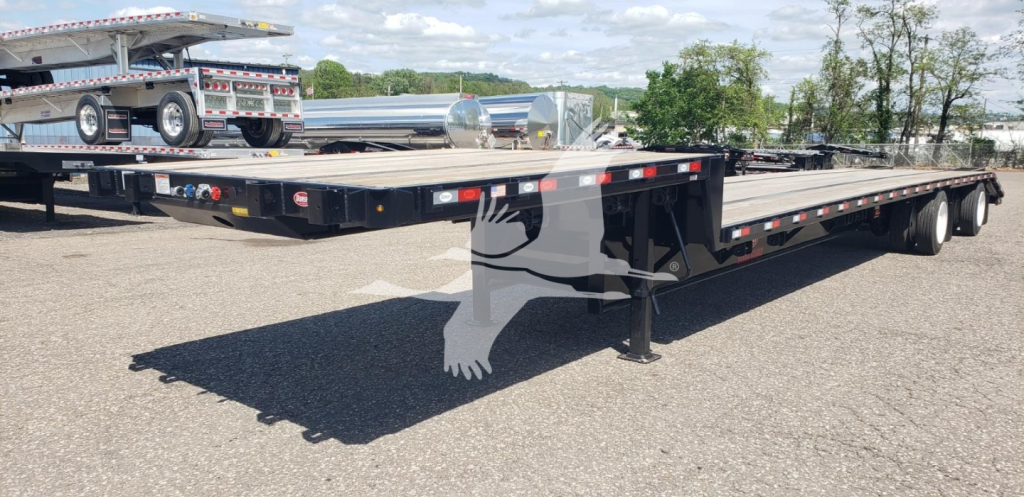
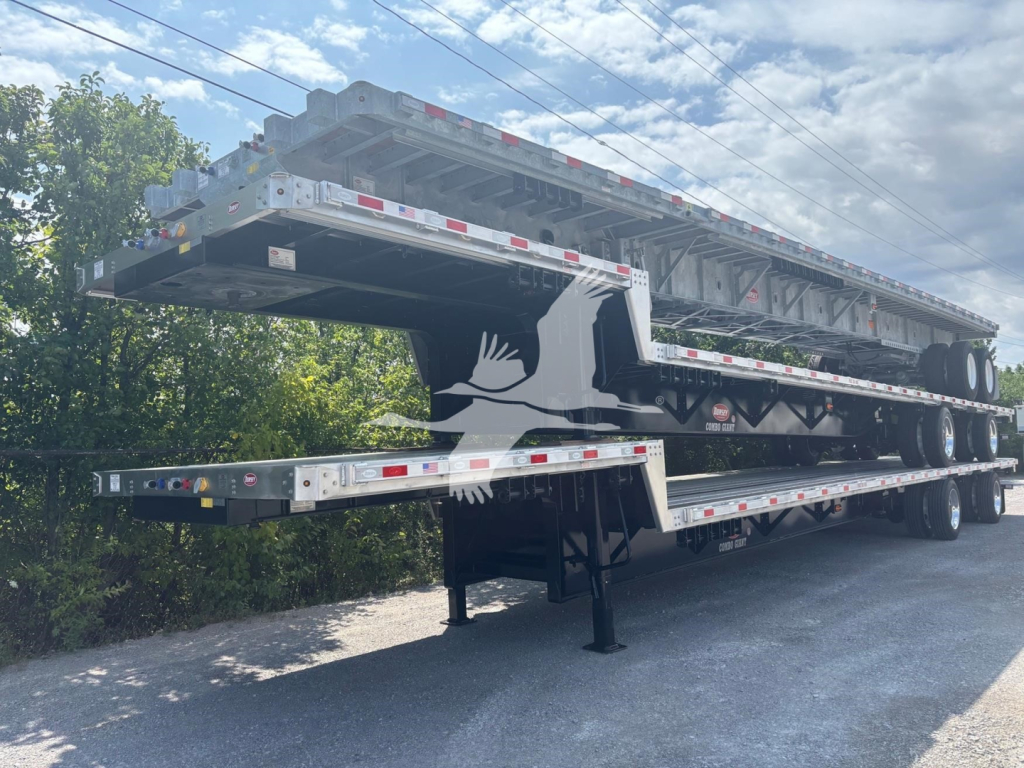
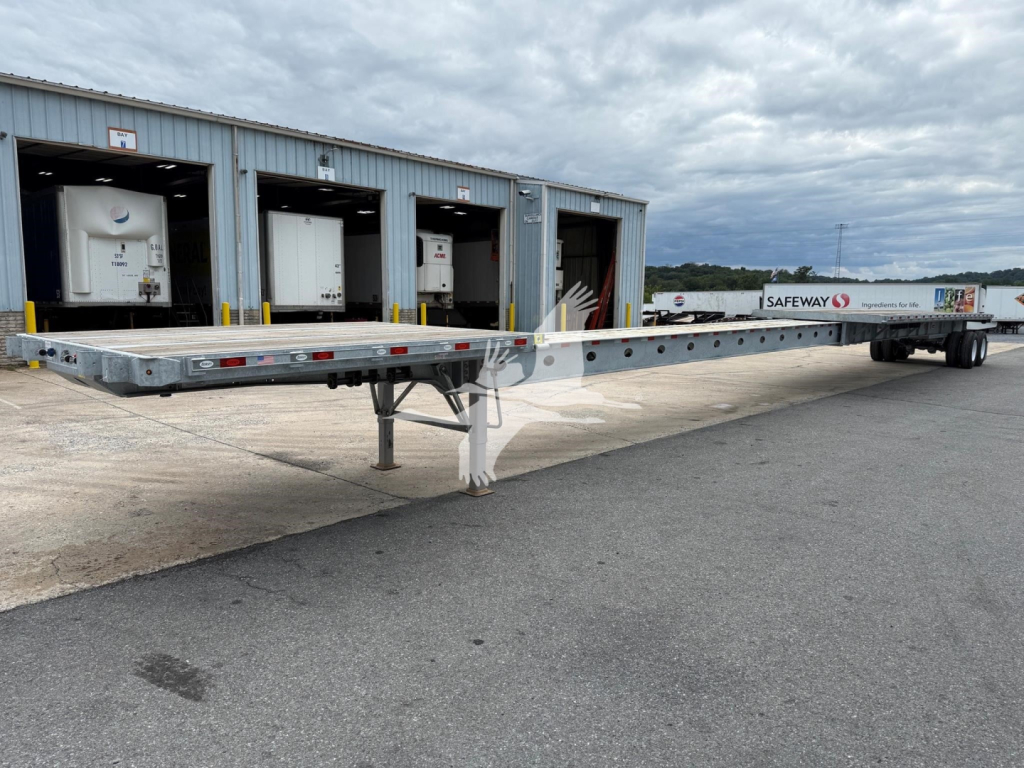
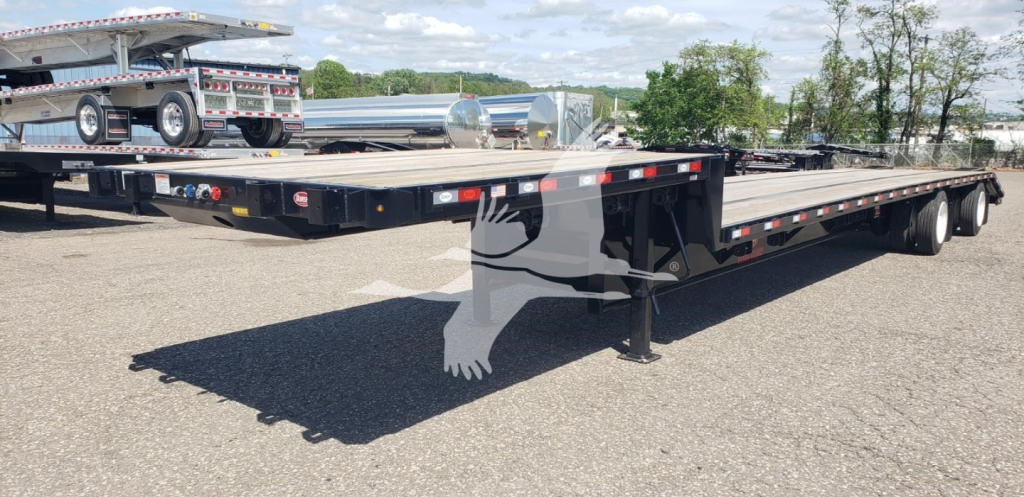
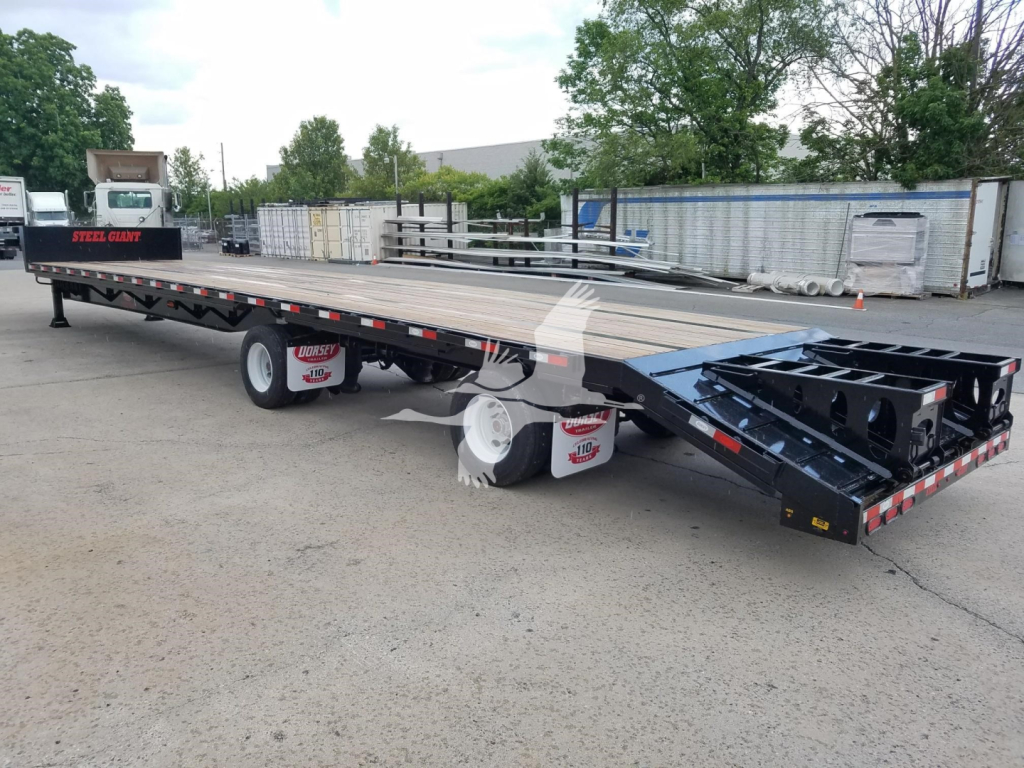
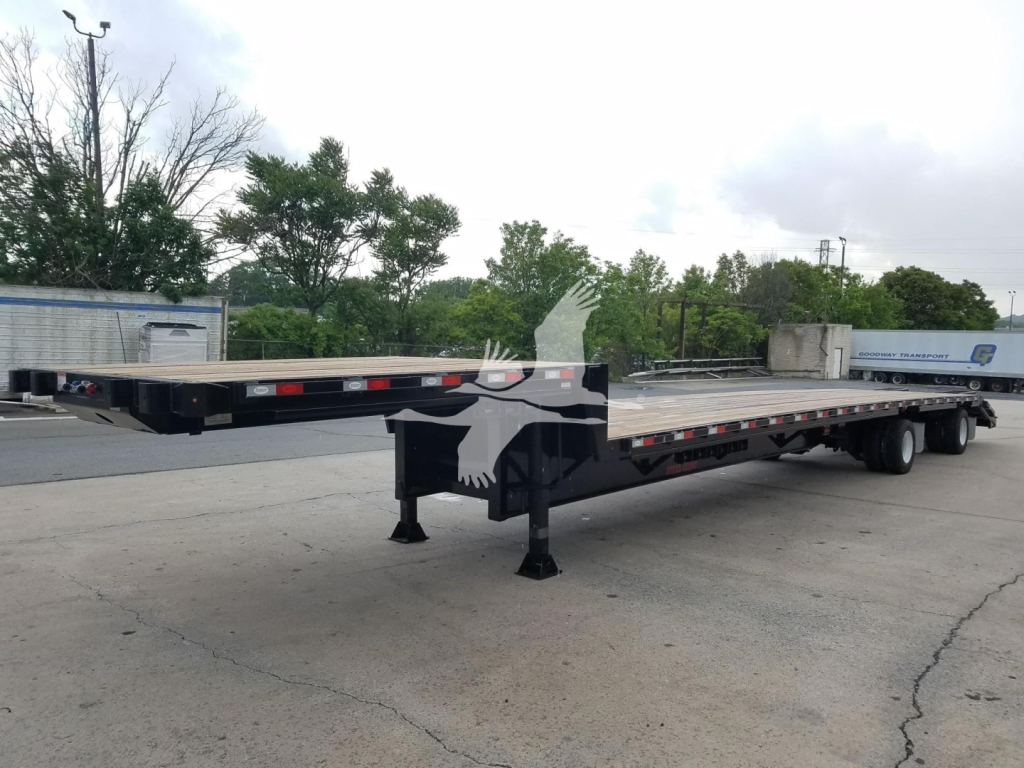
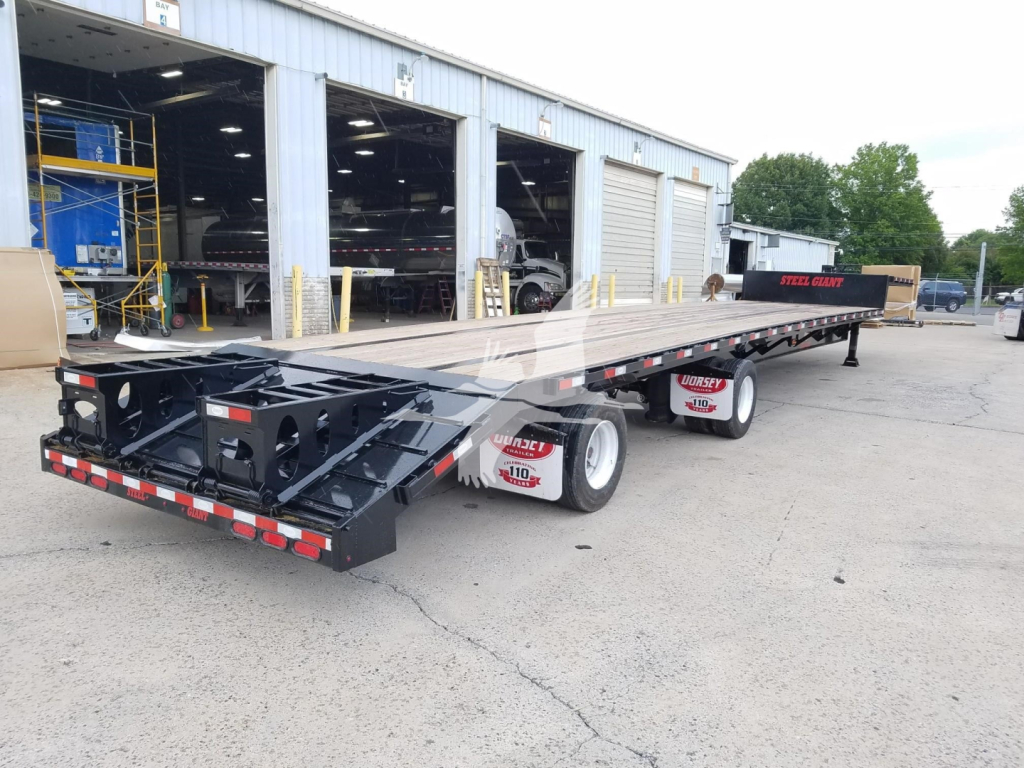
Two of the most common configurations in this class are the Dorsey Steel Giant flatbed and Dorsey drop deck or beavertail trailer. A typical new Dorsey flatbed is a 48-foot by 102-inch tandem-axle trailer with an 80,000-pound GVWR, air ride suspension, steel wheels, and a 1 1/8-inch Apitong floor. Many are spec'd with a spread slider, roadside winch track, sliding winches, double pipe spools, and 12-inch crossmember spacing for added deck support. That combination is practical for carriers loading steel, lumber, machinery, or strapped freight that needs dependable side rail strength and consistent securement points. Kingpin setting, landing gear brand, dump valve setup, and side rail design also matter because they affect axle scaling, dock approach, and day-to-day usability.
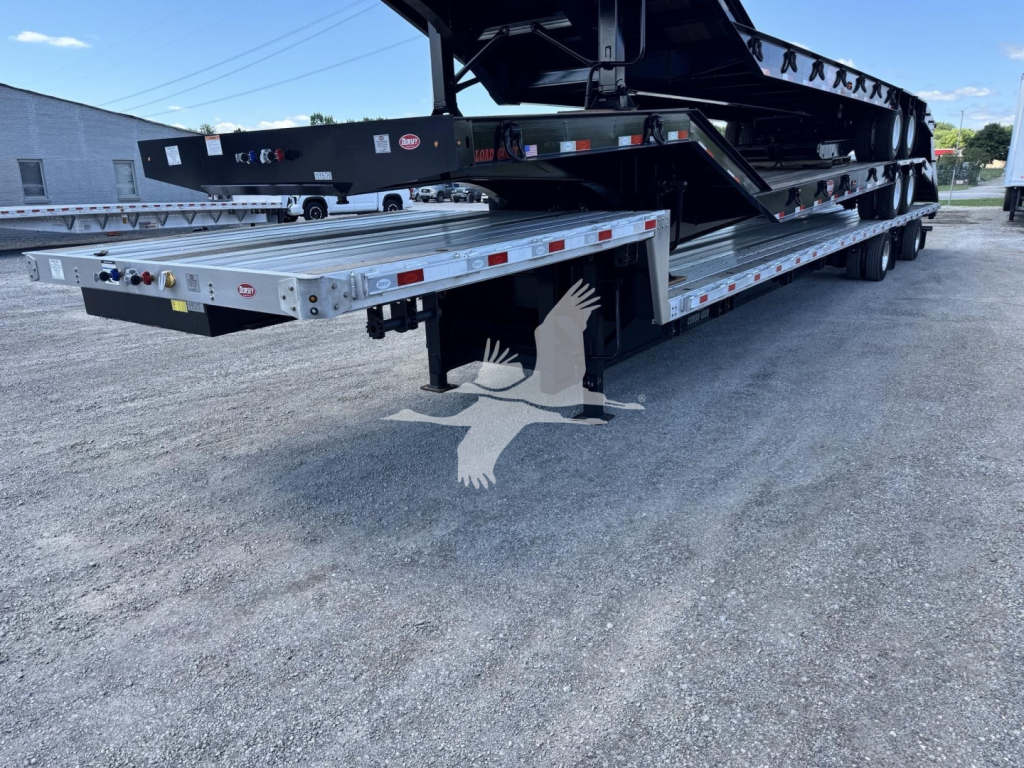
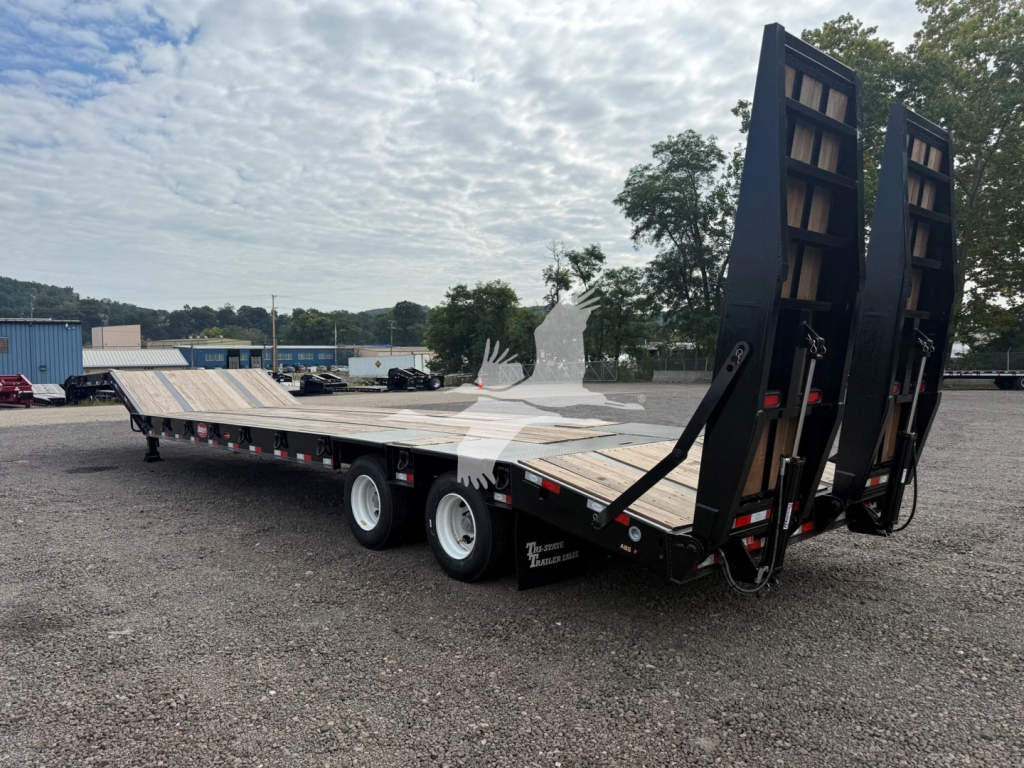
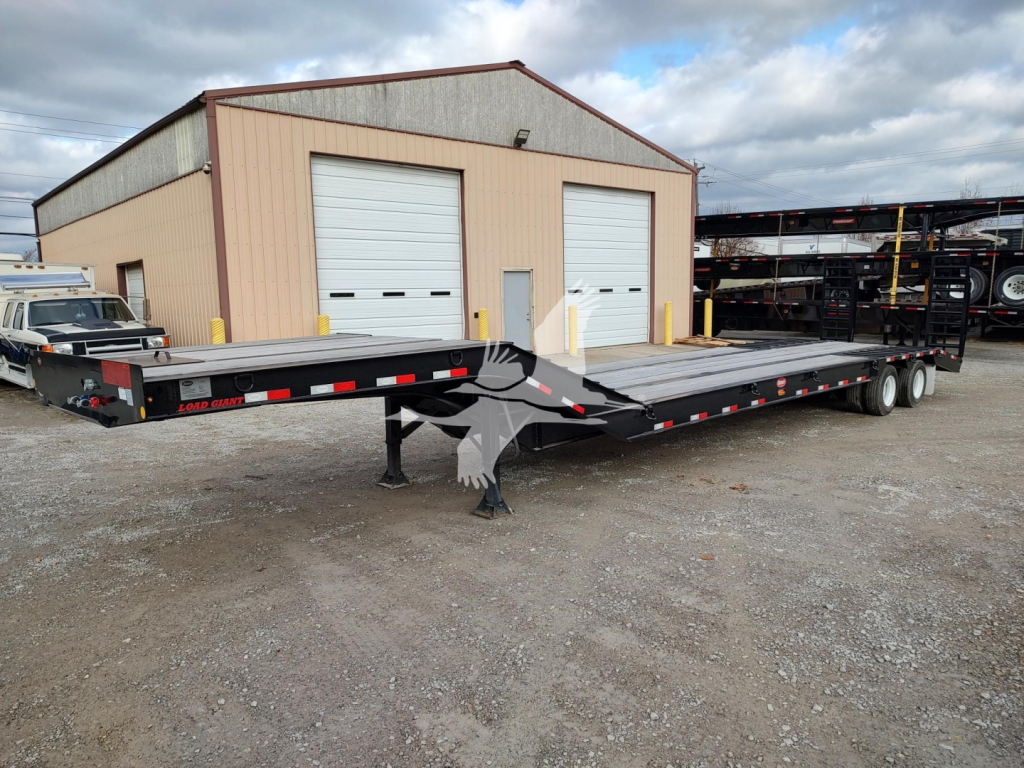
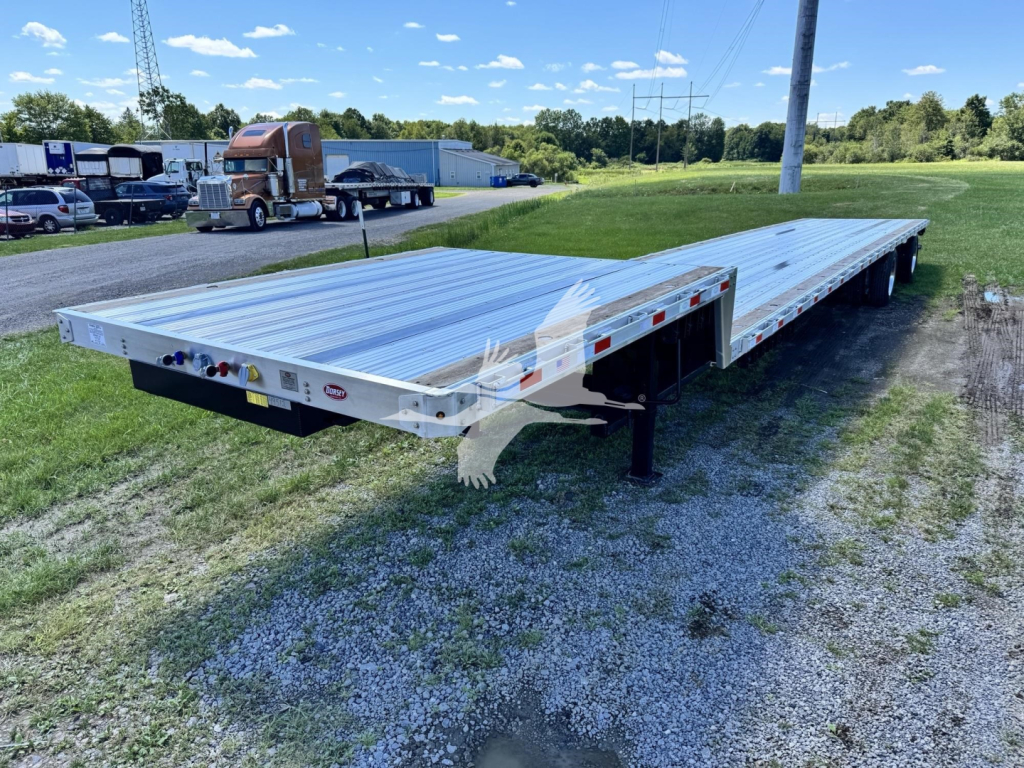
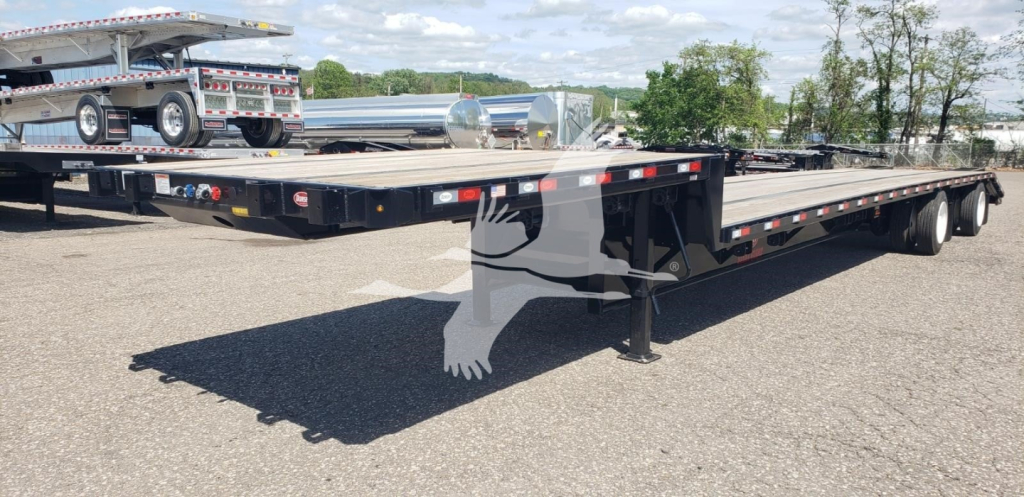
A new Dorsey beavertail or drop deck trailer is aimed more at freight with height concerns, awkward load angles, or equipment that benefits from rear loading assistance. Common specs include a 53-foot overall length, a raised front deck, a lower main deck, and a steel beavertail with traction bars and spring-assisted ramps. Buyers should pay close attention to loaded deck height, top deck length, main deck length, ramp design, and axle placement. For machinery hauling, the difference between a plain drop deck and a beavertail setup is significant because approach angle, tail construction, and ramp support affect loading speed and risk. Crossmember spacing on the main deck and top deck is another key point if concentrated loads or repeated equipment hauling are part of the job.
For Ohio buyers, corrosion resistance, lighting, suspension durability, and serviceability deserve extra scrutiny because trailers may see winter road treatment, rough jobsite entries, and frequent regional turns. LED lighting, Hendrickson air ride suspensions, Jost two-speed landing gear, and proven hardwood flooring are common specs that support lower downtime and easier maintenance. When comparing new Dorsey trailers for sale, the best value usually comes from matching the trailer to the freight first: flatbeds for versatile deck freight and high-volume secured loads, and drop decks or beavertails for taller cargo, equipment, and freight that cannot easily clear a standard deck height.
Frequently Asked Questions about New Dorsey Trailers in Ohio
What are the most common types of new Dorsey trailers buyers look for?
The most common new Dorsey trailer types are flatbeds and drop deck trailers, including beavertail configurations. Flatbeds are typically chosen for steel, lumber, palletized freight, pipe, and general open-deck hauling. Drop decks are better suited for taller freight, machinery, and loads that need lower deck height for legal clearance. A beavertail adds loading convenience for equipment by improving the rear approach angle and working with ramps.
What specs matter most on a new Dorsey flatbed trailer?
The most important flatbed specs are trailer length and width, tare weight, GVWR, crossmember spacing, floor material, suspension type, axle spread, side rail strength, and securement equipment. Buyers also focus on kingpin setting, winch track location, number of sliding winches, pipe spool layout, and landing gear. A 48-foot by 102-inch tandem-axle flatbed with air ride suspension, Apitong flooring, and 12-inch crossmember spacing is a common configuration for general freight and steel-hauling applications.
Why choose a Dorsey drop deck or beavertail instead of a standard flatbed?
A Dorsey drop deck or beavertail makes sense when freight height or loading angle is the limiting factor. The lower main deck helps keep taller loads within legal height, while the beavertail and ramps help with rolling equipment and machinery. That can reduce loading time and improve versatility for contractors, rental fleets, and carriers moving mixed freight that includes equipment, crated machines, or irregular loads.
Is air ride suspension important on a new Dorsey trailer?
Air ride suspension is a major advantage for many open-deck applications because it improves ride quality, helps protect freight, and supports better trailer handling on uneven roads and jobsites. It is especially useful on steel, machinery, and building product loads where cargo stability matters. Popular suspension packages such as Hendrickson air ride systems are also widely supported in the service network, which helps with parts availability and maintenance planning.
What should Ohio buyers consider when comparing new Dorsey trailers for sale?
Ohio buyers should consider the mix of regional freight, bridge law implications, winter operating conditions, and the need for durable components that stand up to salt, moisture, and frequent loading cycles. Trailer deck height, suspension setting, lighting, floor type, and side rail design all affect long-term usability. A trailer that works well for Midwest steel, industrial freight, and equipment hauling usually balances deck strength, securement flexibility, and easy service access rather than chasing the lightest tare weight alone.