
New Heil Trailers For Sale in Ohio
Shop new Heil trailers for sale in Ohio, including fuel and dry bulk pneumatic trailers built for demanding commercial hauling.
Selling a new heil trailer? List your new heil trailer for sale and reach thousands of commercial buyers.
New Heil Trailers in Ohio
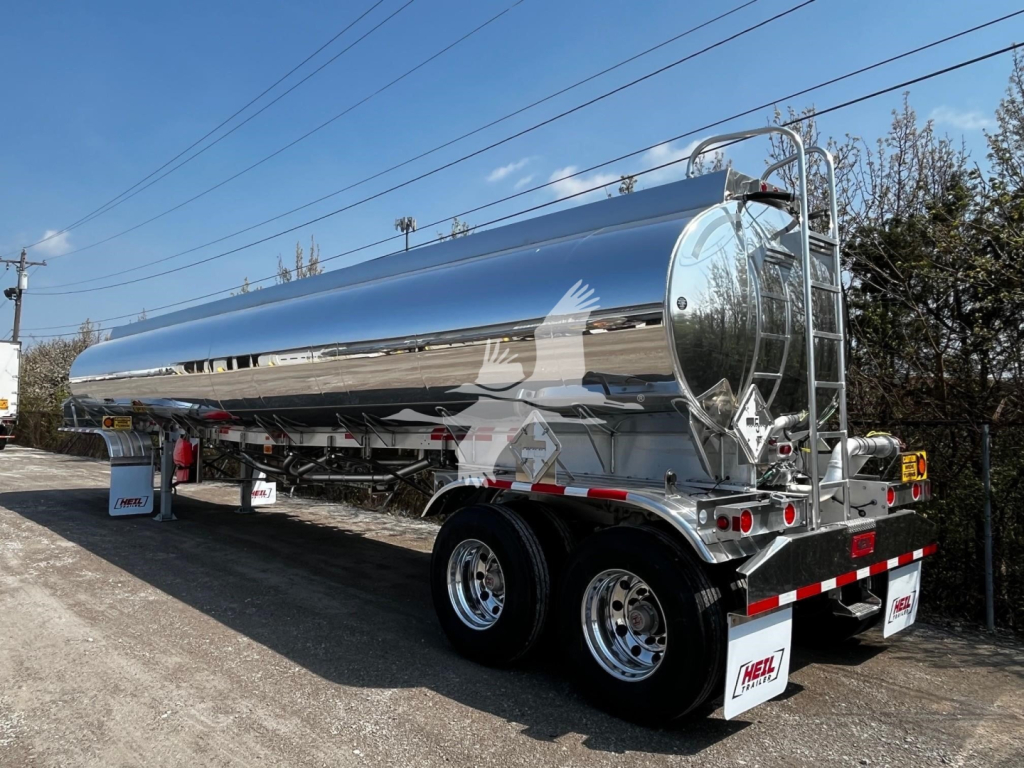
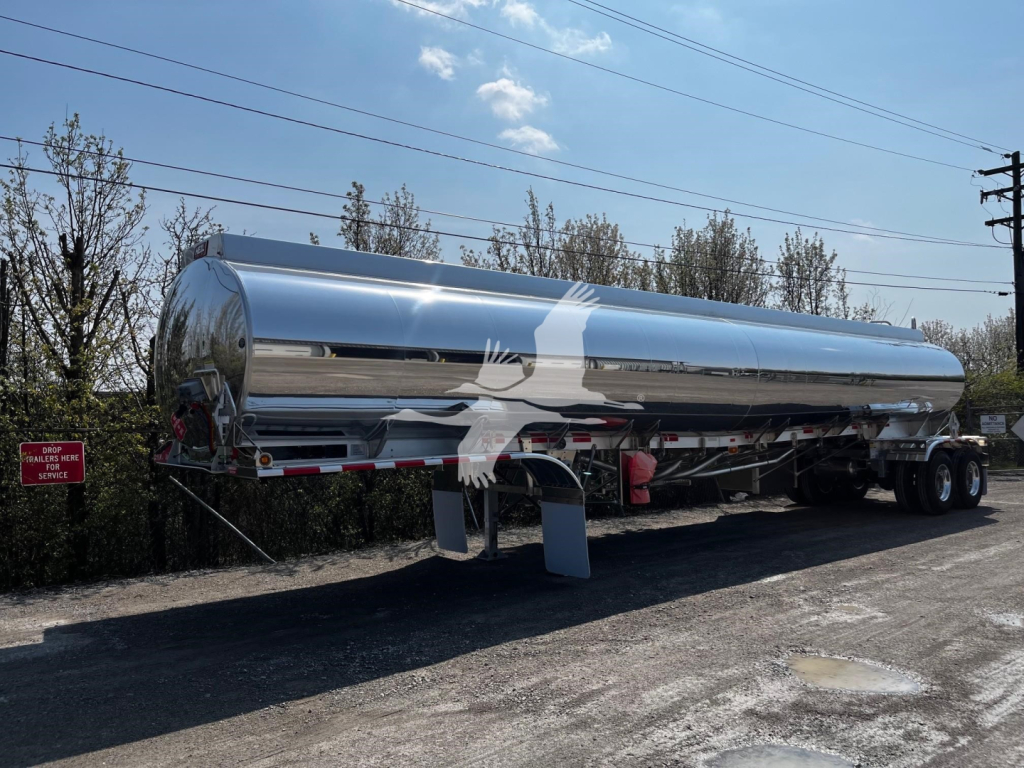
For fuel hauling, a new Heil petroleum trailer is typically spec'd as a multi-compartment gasoline trailer with aluminum piping, API bottom loading and unloading equipment, vapor recovery, overfill protection, and air-operated emergency valves. Buyers should pay close attention to total gallon capacity, compartment layout, bulkhead design, and discharge configuration because those details directly affect routing flexibility and delivery efficiency. Common specs include tandem axles, air ride suspension, aluminum wheels, full-length hose trays, fittings cabinets, work lights, and Flo-Tech style optic systems. If the trailer will run in branded fuel delivery, also look at placard setup, cabinet arrangement, sight glass placement, and how easily the unit supports your terminal and drop practices.
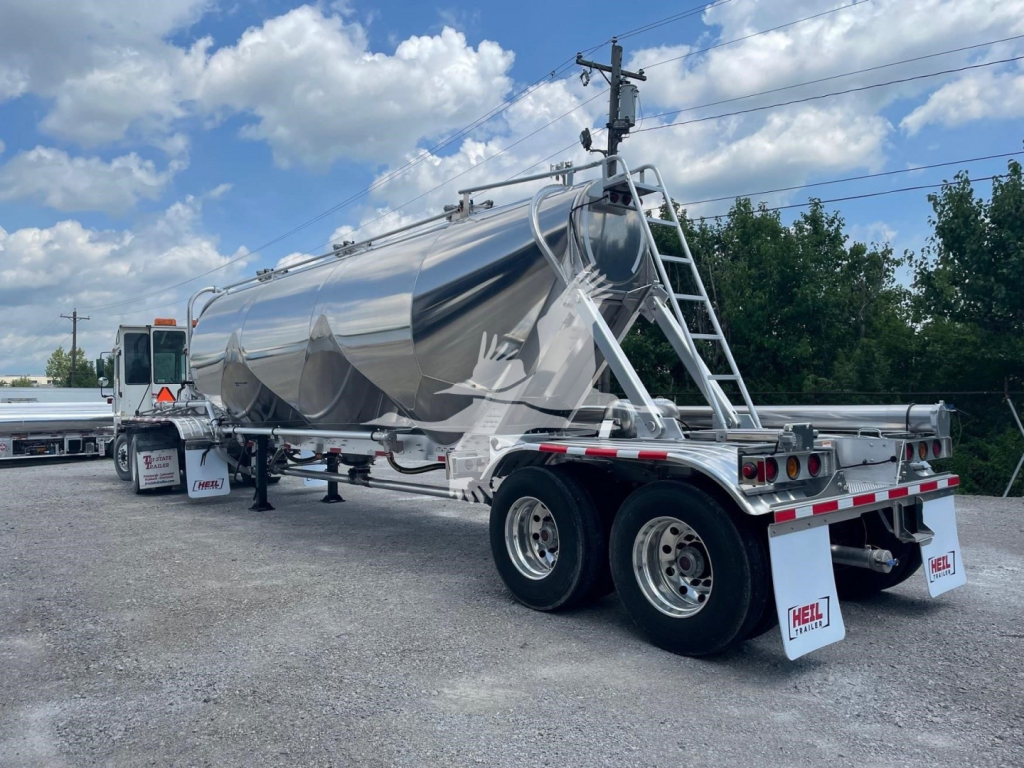
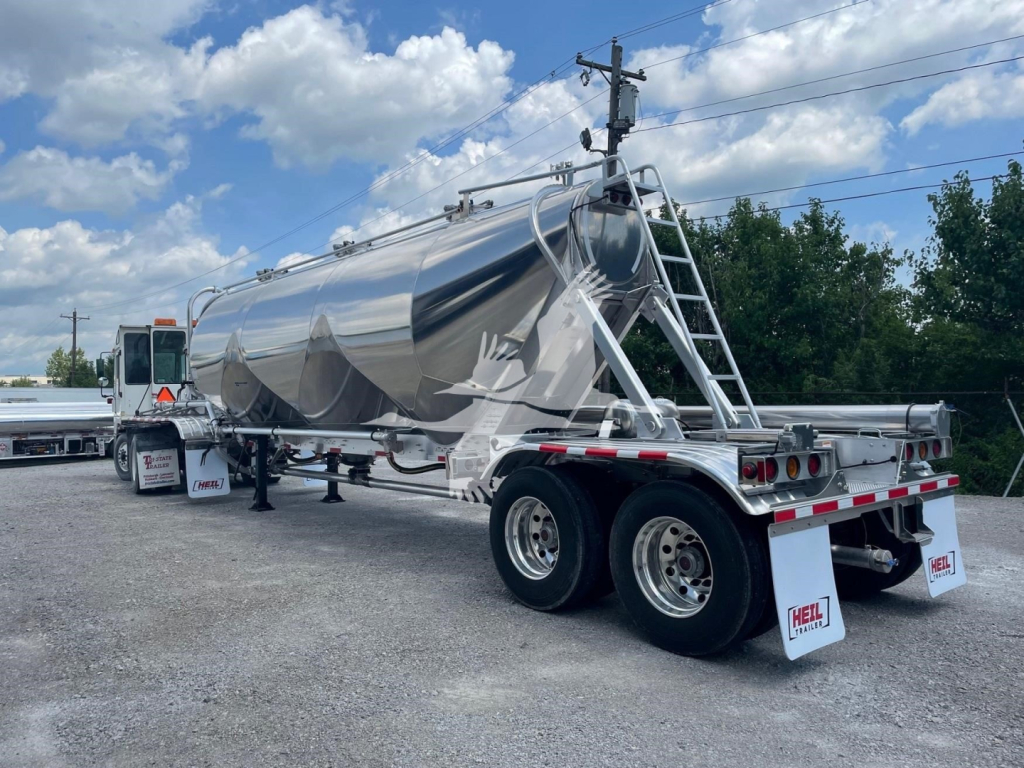
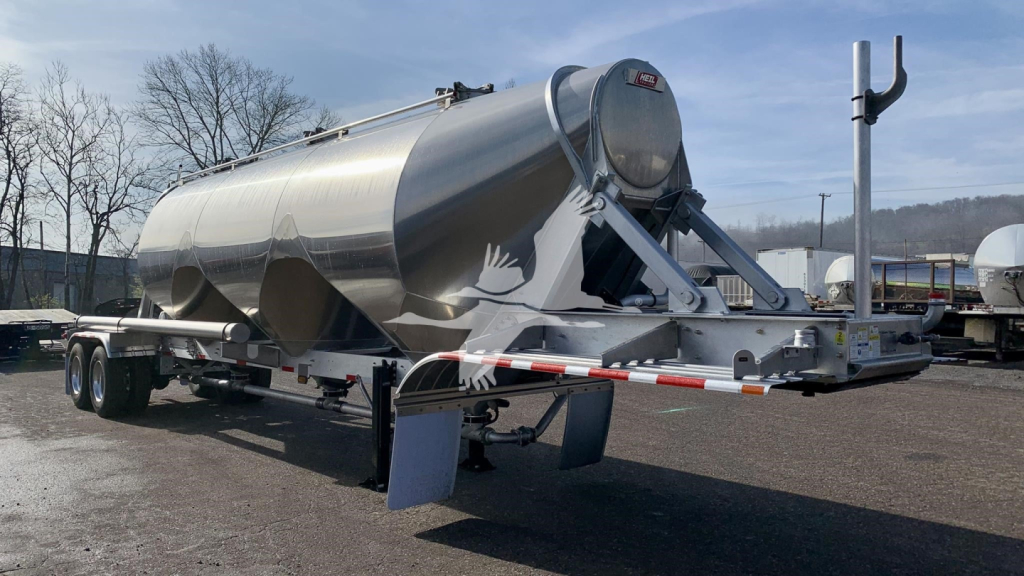
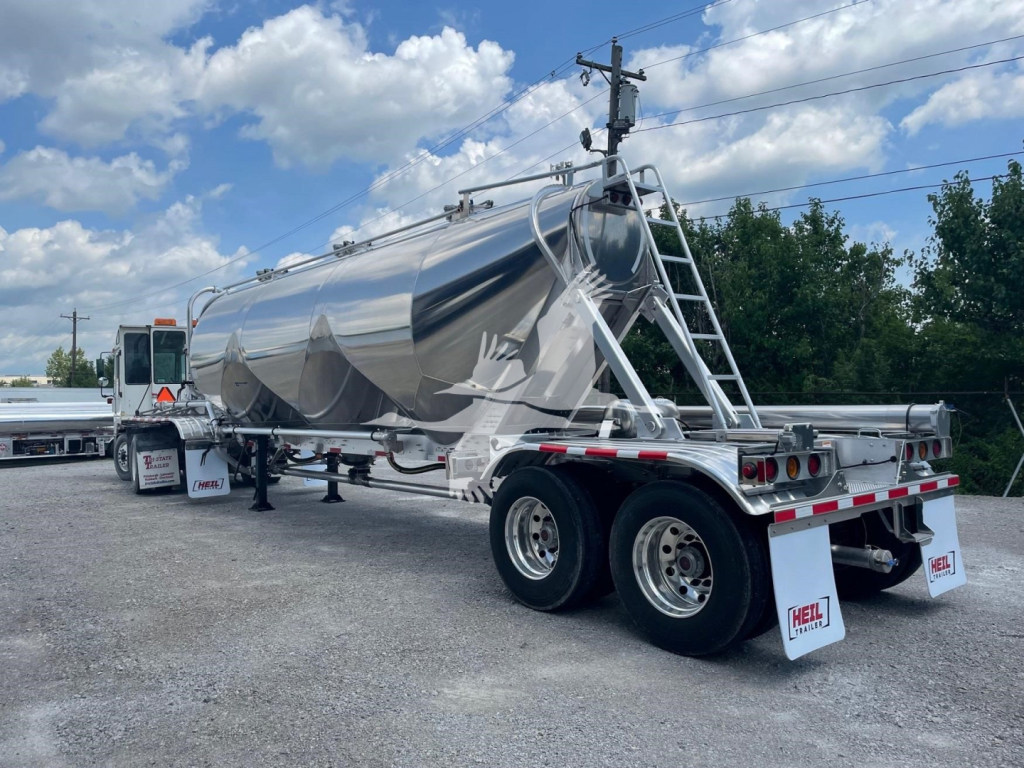
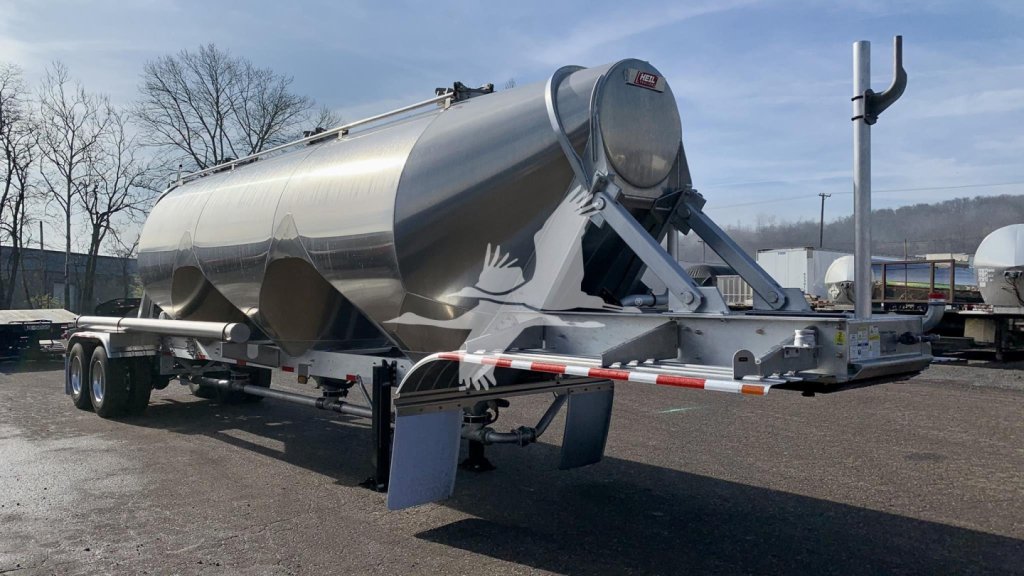
For dry bulk applications, Heil pneumatic trailers, also known as cement trailers or dry bulk tankers, are often chosen for hauling cement, fly ash, lime, sand, and other powdered commodities. Key buying points include cubic foot capacity, number of hoppers, aeration design, discharge location, valve brand, and overall empty weight. Aluminum barrels, aluminum piping, and air ride suspensions help keep payload competitive while maintaining durability. A three-hopper trailer in the 1,000-plus cubic foot range is a common fit for regional bulk work, and details like hose tube length, manhole count, rear ladder position, and raised axle configurations can make a real difference in unloading performance and daily usability.
In Ohio, buyers often consider how a Heil trailer will perform across a mix of local deliveries, plant loading, and regional interstate work. Suspension spec, tire size, landing gear, and corrosion resistance all deserve attention, especially when the trailer will see year-round use. New trailers also give buyers the advantage of current compliance equipment, fresh test schedules where applicable, and a chance to match the trailer closely to the product hauled. The best Heil trailer choice usually comes down to matching the tank design, capacity, and running gear to the commodity, unloading method, and lane profile rather than simply choosing the largest trailer on paper.
Frequently Asked Questions about New Heil Trailers in Ohio
What types of Heil trailers are most common in this category?
The most common Heil trailers in this category are petroleum fuel trailers and pneumatic dry bulk trailers. Fuel trailers are typically DOT 406 spec units built for gasoline and refined petroleum products, often with multiple compartments, API equipment, vapor recovery, and overfill systems. Dry bulk models are commonly used as cement trailers with aluminum barrels, hopper bottoms, aeration systems, and pneumatic discharge plumbing for powdered materials.
What should I look for when buying a new Heil fuel trailer?
Focus on the tank code, total gallon capacity, compartment sizes, bulkhead construction, and the full loading and unloading package. API valves, drop adapters, optic overfill protection, emergency shutoff controls, vapor recovery, sight glasses, and cabinet layout all affect how efficiently the trailer works in daily fuel delivery. Suspension type, axle count, wheel material, and hose tray design also matter because they influence ride quality, maintenance, and driver convenience.
What matters most on a new Heil pneumatic dry bulk trailer?
The main decisions are cubic foot capacity, number of hoppers, barrel material, aeration setup, valve package, and discharge arrangement. Buyers should also evaluate empty weight, axle spacing, suspension, hose storage, and gauge placement because those details affect payload, unload time, and ease of operation. For cement and similar products, a properly matched hopper and airflow design is just as important as overall capacity.
Are Heil trailers known for aluminum construction?
Yes. Many Heil fuel and dry bulk trailers are built with aluminum tanks or barrels and aluminum piping components. Aluminum construction helps reduce tare weight, improves payload potential, and offers good corrosion resistance, which is valuable for fleets running high-mileage regional and local routes. Buyers should still inspect the full spec because frame components, hangers, and certain accessories may vary by application.
Why buy a new Heil trailer instead of an older used one?
A new Heil trailer gives the buyer the ability to start with current safety and compliance equipment, fresh components, and a spec tailored to the intended product and route. That can reduce downtime related to outdated plumbing, worn suspensions, and legacy control systems. For fuel and dry bulk operations, a new trailer also makes it easier to standardize fleet specs, simplify driver training, and align maintenance parts across multiple units.