
New 2027 Heil Trailers For Sale in Ohio
Shop new 2027 Heil trailers for sale, including dry bulk pneumatic and fuel trailer configurations with proven specs for demanding hauling work.
Selling a new 2027 heil trailer? List your new 2027 heil trailer for sale and reach thousands of commercial buyers.
New 2027 Heil Trailers in Ohio
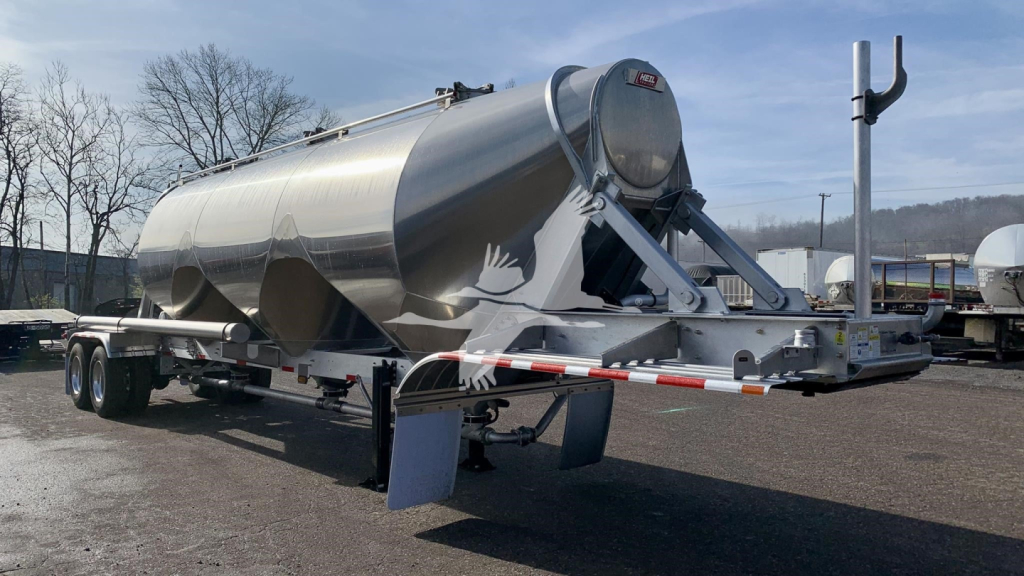
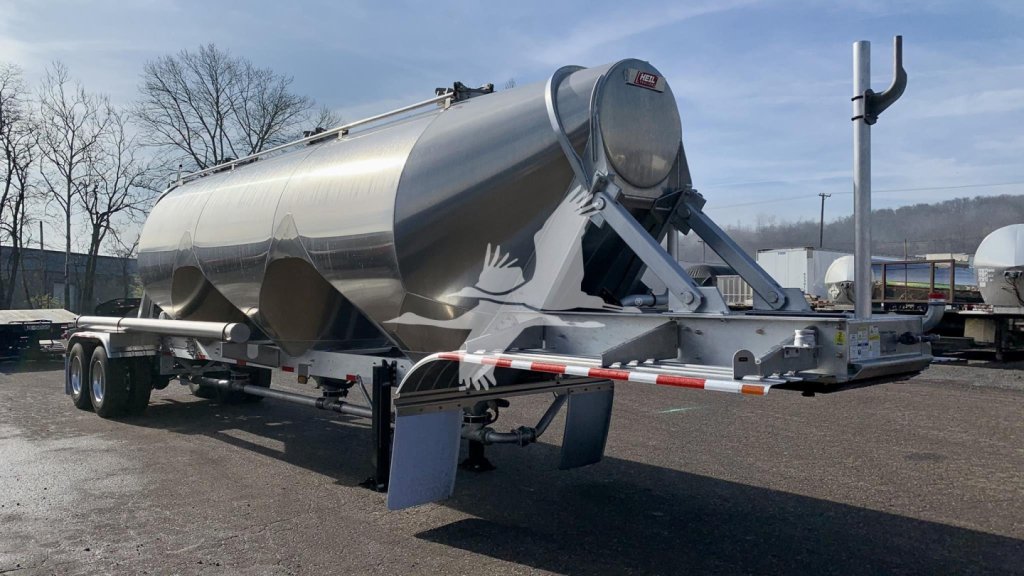
For dry bulk work, buyers should pay close attention to barrel material, number of hoppers, frame construction, discharge location, and piping. A typical Heil pneumatic spec may include an aluminum barrel, aluminum piping, three hoppers, and tandem air ride suspension. Those details matter because they affect payload, cleanout, product flow, and long-term corrosion resistance. Tank volume in the 1,000-plus cubic-foot range is common for cement and other dense powdered commodities, but the right capacity still depends on bridge law, product density, and route profile in Ohio or surrounding states. Rear discharge configurations under the axles, quality butterfly valves, hose tube layout, and accessible gauges can make a noticeable difference in unload speed and day-to-day driver efficiency.
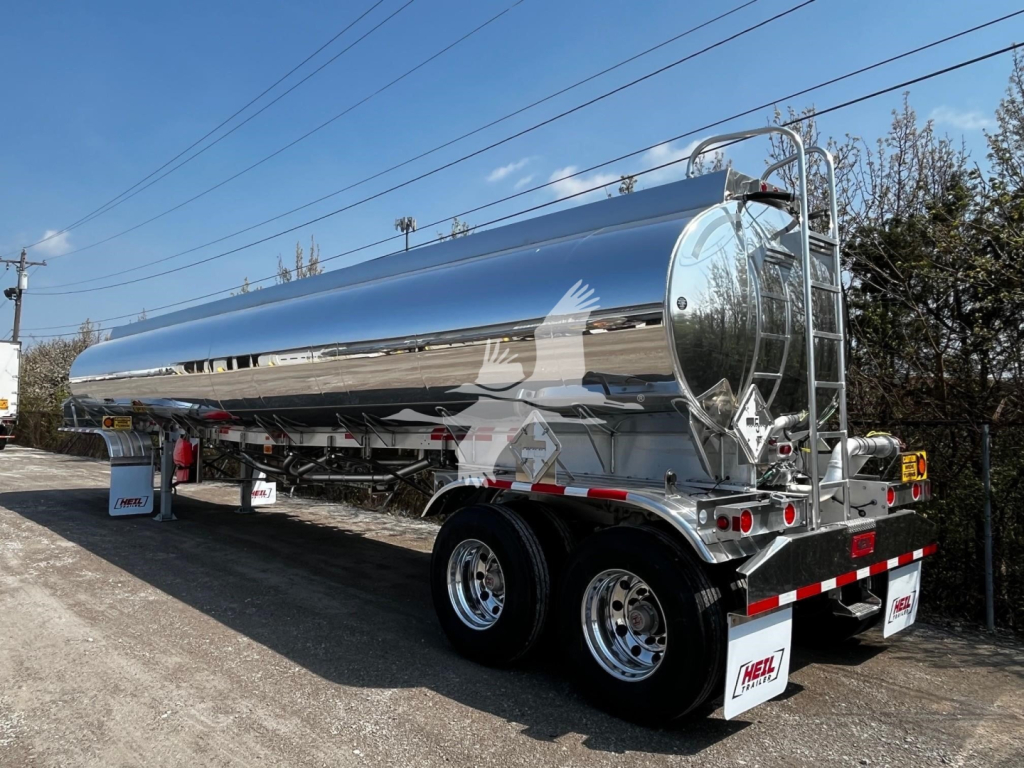
For fuel hauling, Heil gasoline trailers are commonly built around an aluminum DOT 406 tank with multiple compartments, double bulkheads, vapor recovery, optic overfill systems, and API bottom loading equipment. The key buying question is not just total gallon capacity. It is how well the compartment split matches the delivery pattern. A 9,500-gallon trailer with a four-compartment layout, for example, may suit retail fuel delivery where multiple grades are dropped at one stop. Details such as emergency valve actuation, sight glasses, hose tray width, fittings cabinets, placards, and work-light placement affect both safety and serviceability. In petroleum service, the test and compliance side matters as much as the mechanical spec, so buyers should verify the required inspection and test schedule for the intended operation.
Across both categories, new 2027 Heil trailers are typically selected for lower empty weight, strong residual value, and broad parts and service familiarity. Air ride suspension, aluminum wheels, quality landing gear, and corrosion-resistant component choices are common on premium specs because they help with ride quality, maintenance planning, and long-term appearance. Buyers comparing listings should focus less on model name alone and more on the trailer's exact build sheet: capacity, axle configuration, suspension brand, valve package, cabinet layout, lighting, and commodity-specific options. In tank trailers, a small spec difference can change payload, unload performance, legal compliance, and resale more than the badge on the front.
Frequently Asked Questions about New 2027 Heil Trailers in Ohio
What types of Heil trailers are common in the 2027 model year?
Common 2027 Heil trailer configurations include pneumatic dry bulk trailers for cement and powdered products, along with DOT 406 fuel trailers for gasoline and petroleum delivery. The most important distinction is the commodity being hauled, because dry bulk trailers are designed around air-assisted unloading and hopper flow, while fuel trailers are designed around compartment control, vapor recovery, bottom loading, and regulatory compliance.
What should I look for in a new Heil pneumatic dry bulk trailer?
Focus on cubic-foot capacity, number of hoppers, barrel and piping material, discharge layout, suspension type, and tare weight. Aluminum construction is popular because it helps maximize payload and resist corrosion. Buyers should also review aeration components, product valves, hose storage, and gauge placement, since those features affect unload speed, cleanout, and driver convenience.
Why does compartment size matter on a Heil fuel trailer?
Compartment size determines how efficiently the trailer can handle multi-product or multi-stop fuel delivery. A well-matched compartment layout reduces leftover product, improves load planning, and helps match station demand by grade. Total capacity matters, but the compartment split often has a bigger impact on route efficiency and operational flexibility.
Are Heil fuel trailers typically built to DOT 406 specifications?
Yes, gasoline and petroleum trailers in this class are commonly built to DOT 406 specifications for refined fuel service. Buyers should still confirm the exact MC code, overfill protection system, vapor recovery equipment, emergency valve controls, and current testing requirements. Those details are central to legal operation, terminal compatibility, and customer site acceptance.
Is air ride suspension a common choice on new Heil trailers?
Air ride suspension is a very common spec on both dry bulk and fuel Heil trailers because it helps protect the trailer structure and improves ride quality. It can also support better product stability and reduce shock loads compared with harsher suspension types. Buyers should still compare axle settings, suspension brand, and service support when reviewing similar trailers.