
New XL Specialized Trailers For Sale in Ohio
Shop new XL Specialized trailers for heavy haul, lowboy, and detachable applications with proven deck designs, axle options, and payload capability.
Selling a new xl specialized trailer? List your new xl specialized trailer for sale and reach thousands of commercial buyers.
New XL Specialized Trailers in Ohio
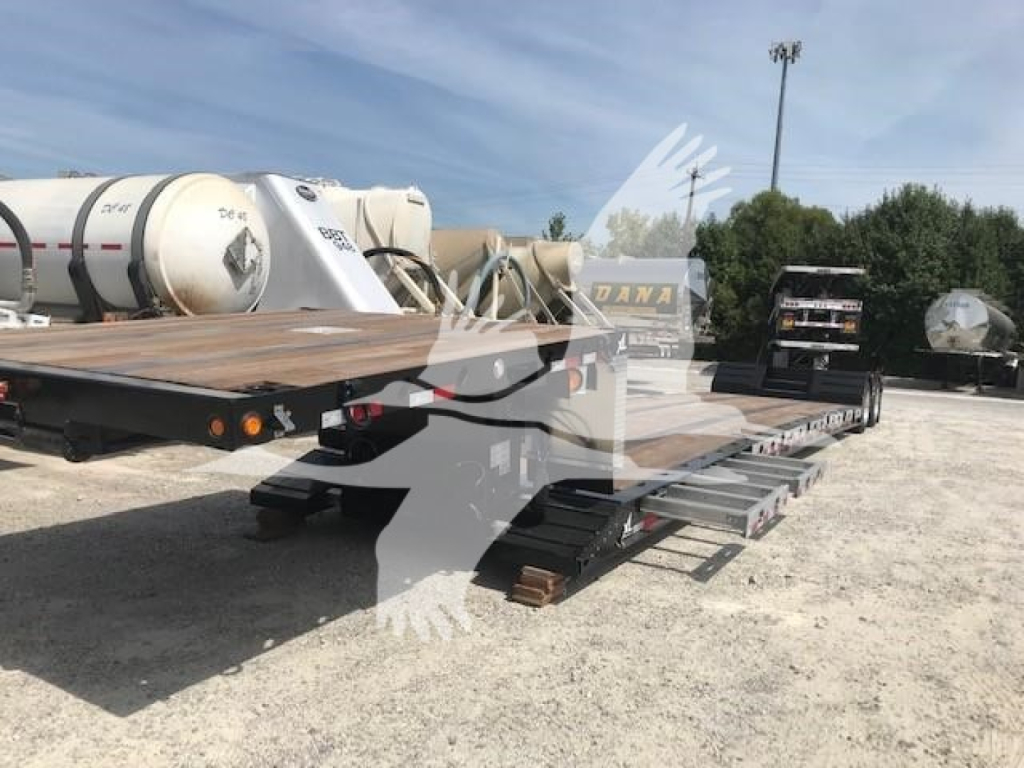
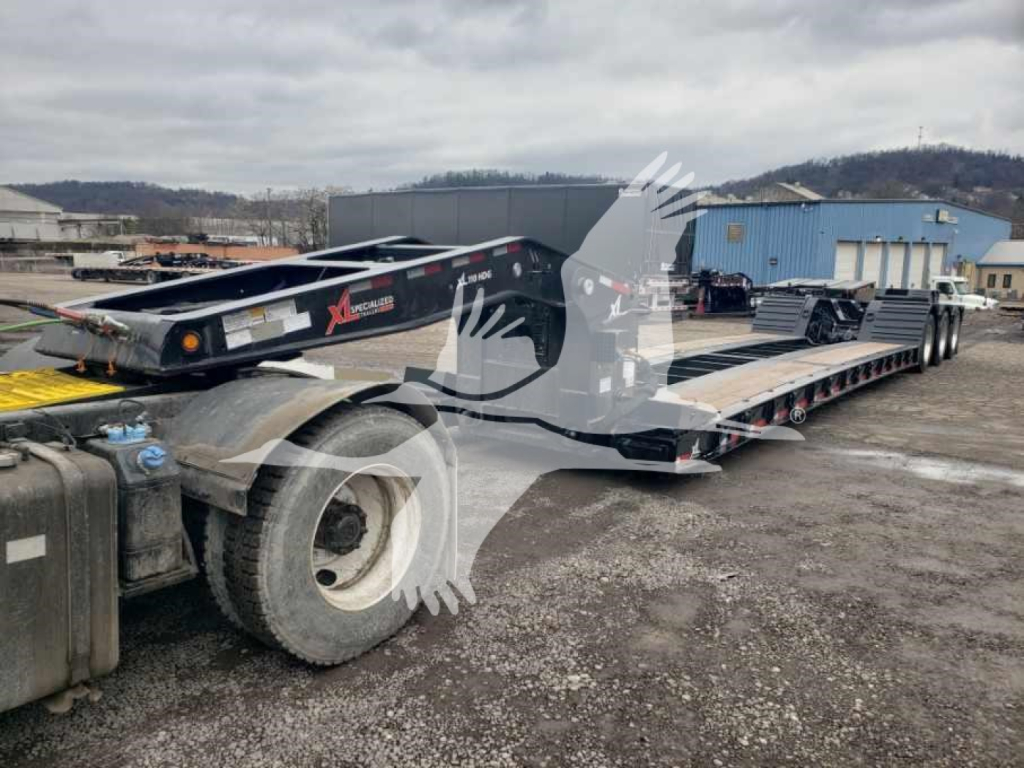
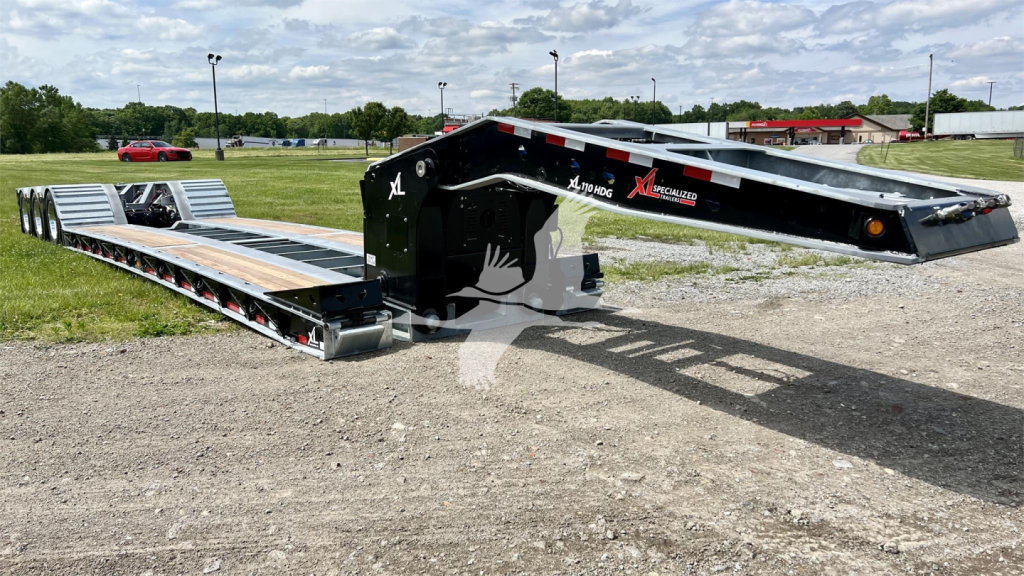
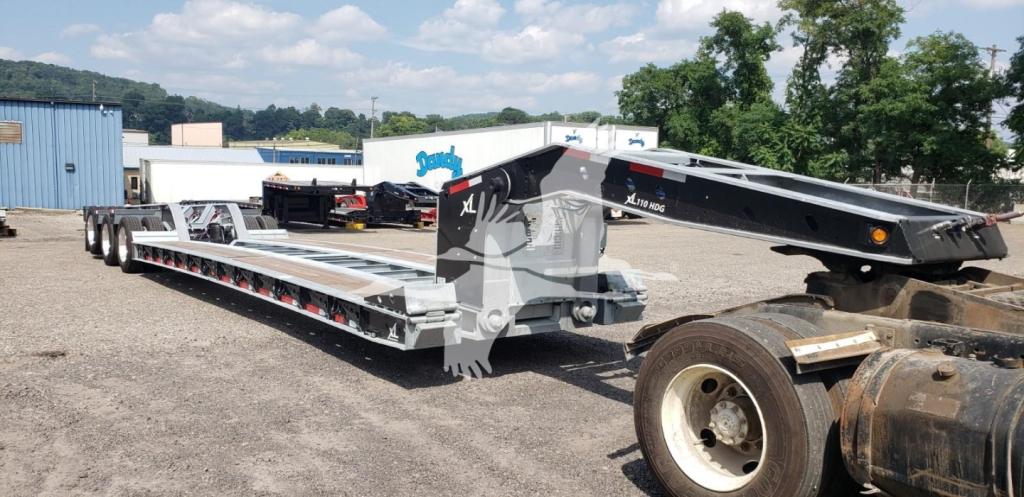
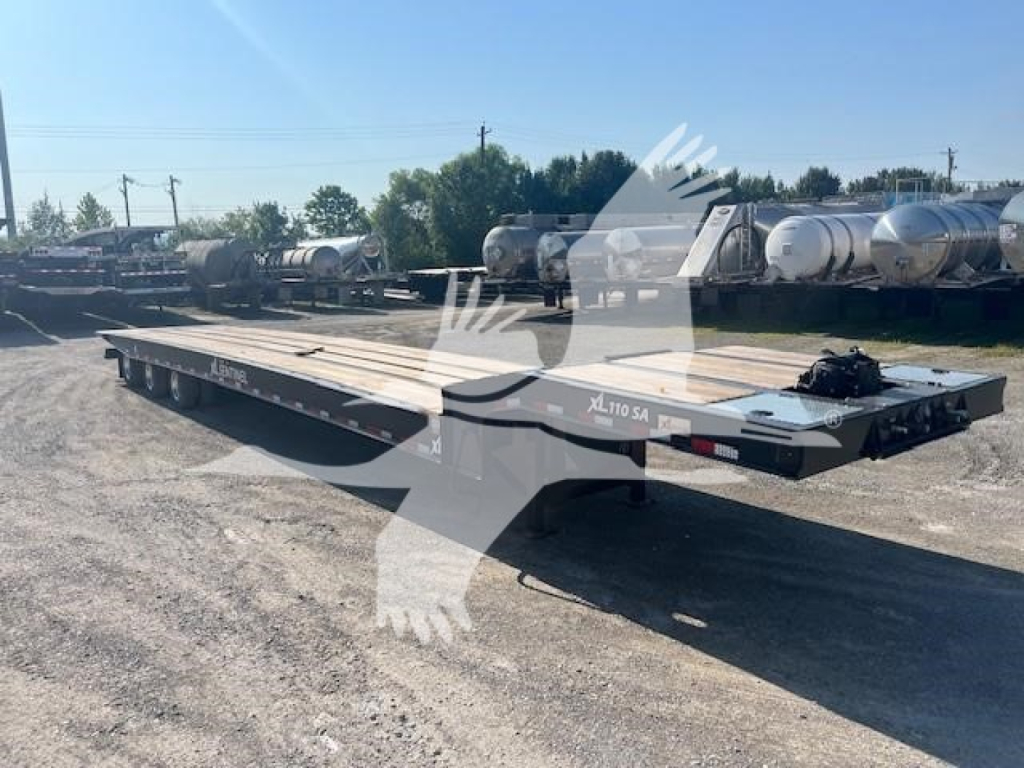
A serious buying decision usually starts with capacity and deck layout. Common XL Specialized models in this class range from roughly 40 ton trailers up into 55 ton, 60 ton, and 110,000 lb plus GVWR heavy haul configurations, with options for future flip axles or spreader setups on some models. Key specs to compare include main deck length, loaded deck height, rear deck length, kingpin settings, axle spacing, and swing clearance. Many buyers also focus on whether the trailer has a full-width neck, a hydraulic detachable gooseneck, a non-ground-bearing neck, or flip axle compatibility for added capacity and permit flexibility. Apitong flooring, air ride suspension, Hendrickson components, aluminum outer wheels, chain drops, bent D-rings, and pull-out outriggers are all common features because they directly affect durability, securement flexibility, and day-to-day usability.
Load type should drive the spec. A lower main deck height helps with tall iron and legal height margins. A longer deck with concentrated load ratings is important for excavators, dozers, and machines with tight track spacing or point loads. Raised center-open deck designs can help with specialized equipment loading and bucket placement. Front flip ramps, rear transition cutouts, bucket wells, and pull-out ramps are worth close attention if the trailer will regularly handle machines with low ground clearance or attachments. Buyers should also check tire size, lift axle provisions, dump and raise-lower valves, and whether the trailer is already configured to accept a flip axle later. That can make a major difference in resale value and in how easily the trailer can be adapted as hauling needs change.
XL Specialized trailers also tend to appeal to fleets and owner-operators who want a purpose-built heavy equipment trailer rather than a generic platform. The practical details matter: light package layout, battery backup strobes, flag holders, toolboxes, chain drop spacing, stake pocket provisions, and rear receptacles all affect how the trailer performs on permit loads and jobsite moves. When comparing new XL Specialized trailers for sale, the best approach is to match the trailer to the heaviest and tallest freight you actually move, then verify axle group configuration, neck style, and deck construction against your permits, tractor ride height, and loading methods. A trailer that is slightly overbuilt in the right places usually pays off faster than one that only looks good on paper.
Frequently Asked Questions about New XL Specialized Trailers in Ohio
What types of XL Specialized trailers are most common in this category?
The most common XL Specialized trailers in this category are lowboy and detachable gooseneck heavy haul trailers, including models with hydraulic detachable necks, full-width neck designs, and flip axle compatibility. These trailers are typically used to move construction equipment, agricultural machines, and other heavy or over-dimensional loads that need a low deck height and strong concentrated load capacity.
Why does flip axle compatibility matter on a new XL Specialized trailer?
Flip axle compatibility matters because it gives the trailer room to grow. A flip axle can help distribute weight more effectively, improve permit flexibility, and increase legal hauling options for heavier machines. Even if the trailer is purchased without the flip axle installed, having the connections and configuration already built in can reduce future retrofit cost and improve resale appeal.
What specs should buyers compare first on an XL Specialized lowboy?
Start with rated capacity, main deck length, loaded deck height, rear deck length, axle count, axle spacing, and gooseneck type. After that, look closely at floor construction, securement layout, swing clearance, and whether the trailer includes pull-out outriggers, bucket wells, front flip ramps, or cutouts for machine clearance. These specs affect not just payload, but also how easy the trailer is to load and how versatile it will be across different equipment types.
Are XL Specialized trailers a good fit for Ohio heavy haul work?
They can be a strong fit for Ohio heavy haul work because many XL Specialized configurations are built around practical axle group layouts, low deck heights, and detachable designs that work well for regional construction and equipment transport. The right fit still depends on the exact freight, tractor setup, and permit requirements. Buyers should verify axle spacing, overall length, and capacity against the routes and loads they expect to run most often.
What flooring and securement features are common on new XL Specialized trailers?
Many new XL Specialized trailers use Apitong wood flooring because it holds up well under tracked and wheeled equipment and provides dependable traction. Securement features often include chain drops on regular centers, multiple bent or pan-style D-rings, stake pocket provisions, and outriggers or pull-outs. These details are important because they determine how efficiently different machines can be tied down and how well the trailer handles irregular load shapes.