
New Fontaine Trailers For Sale in Ohio
Shop new Fontaine trailers for sale in Ohio, including lowboy and detachable gooseneck models built for heavy haul capacity and durability.
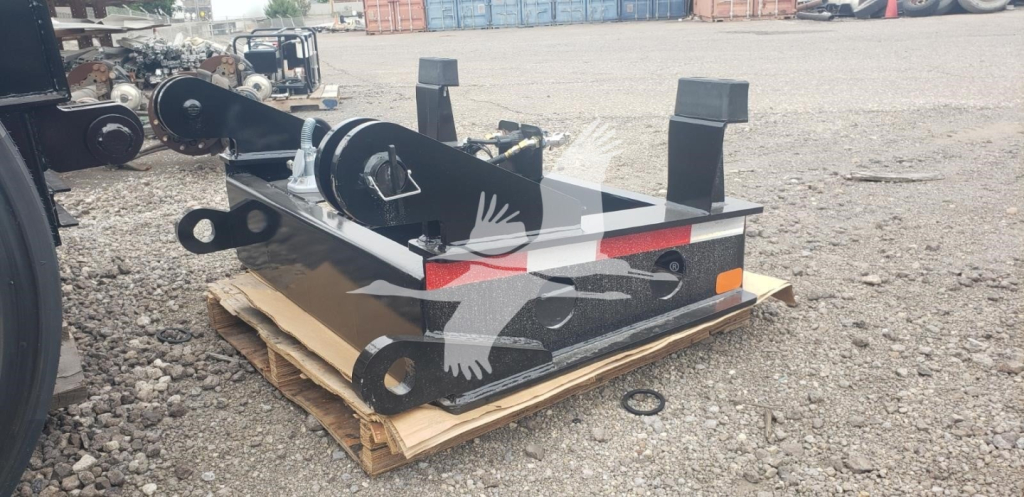
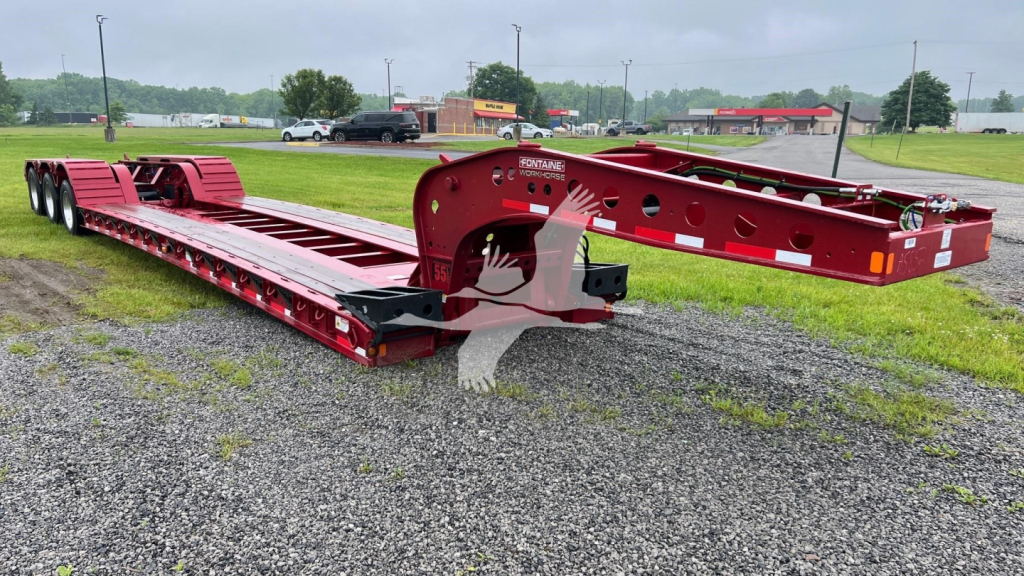
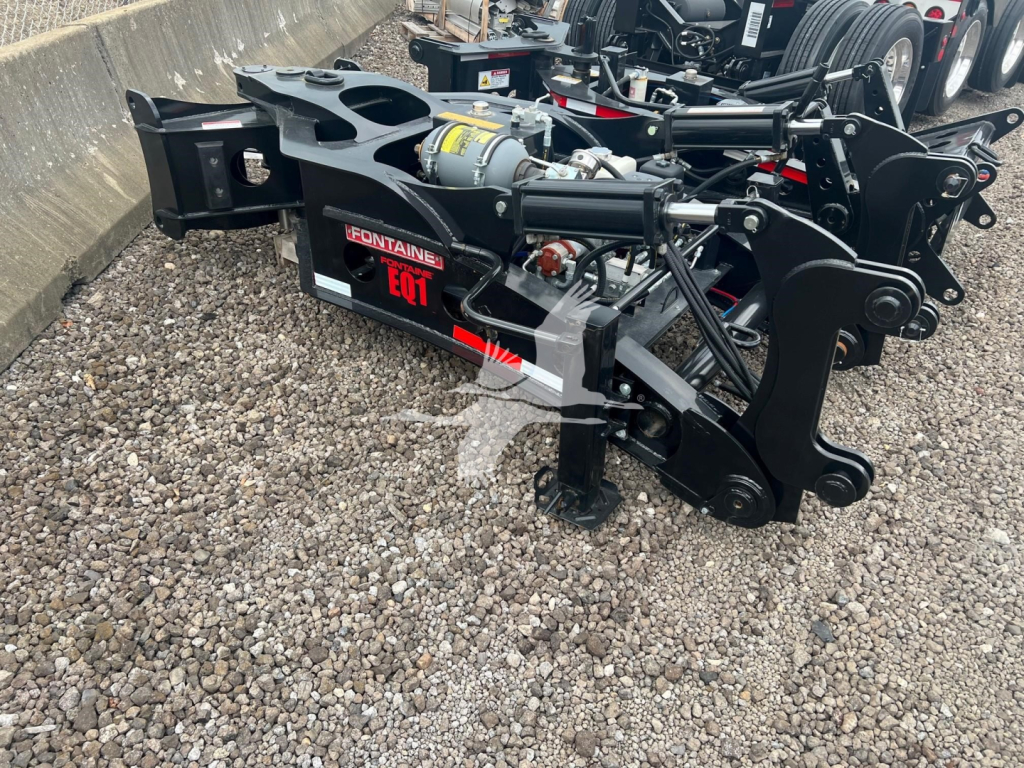
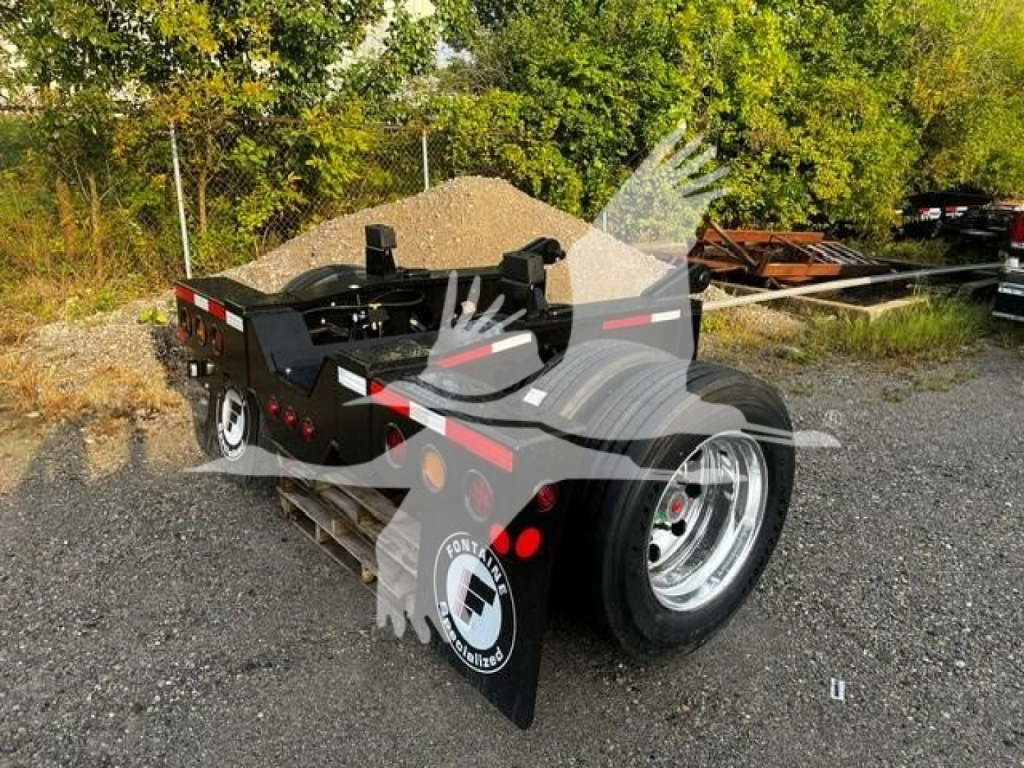
Selling a new fontaine trailer? List your new fontaine trailer for sale and reach thousands of commercial buyers.
New Fontaine Trailers in Ohio
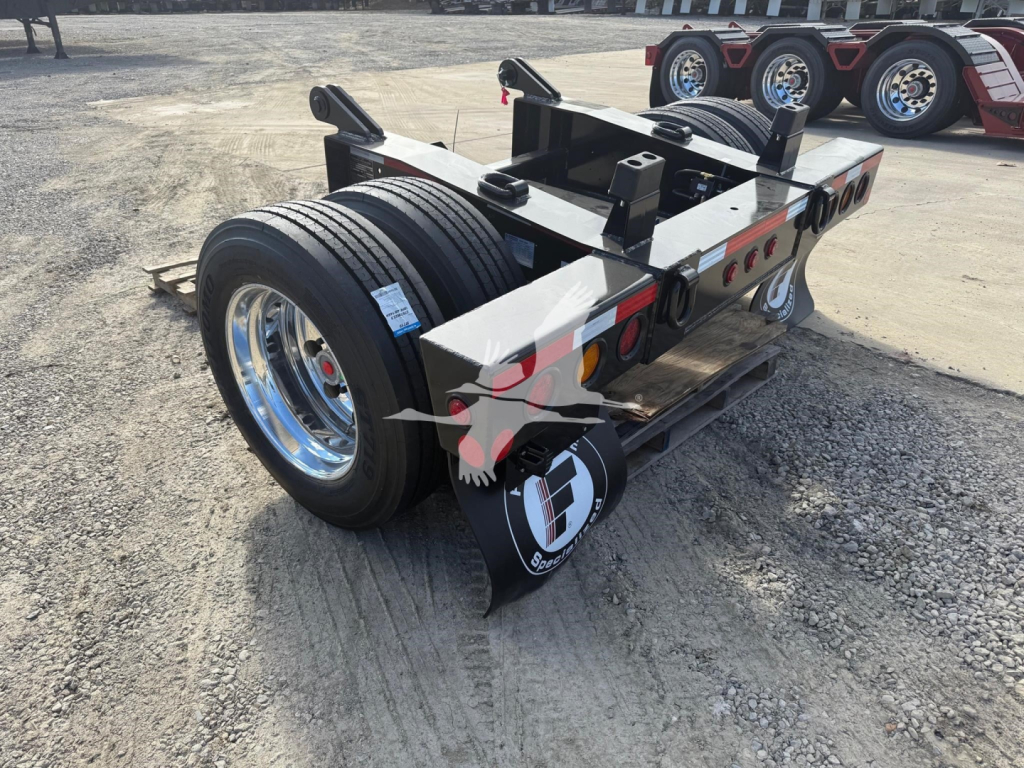
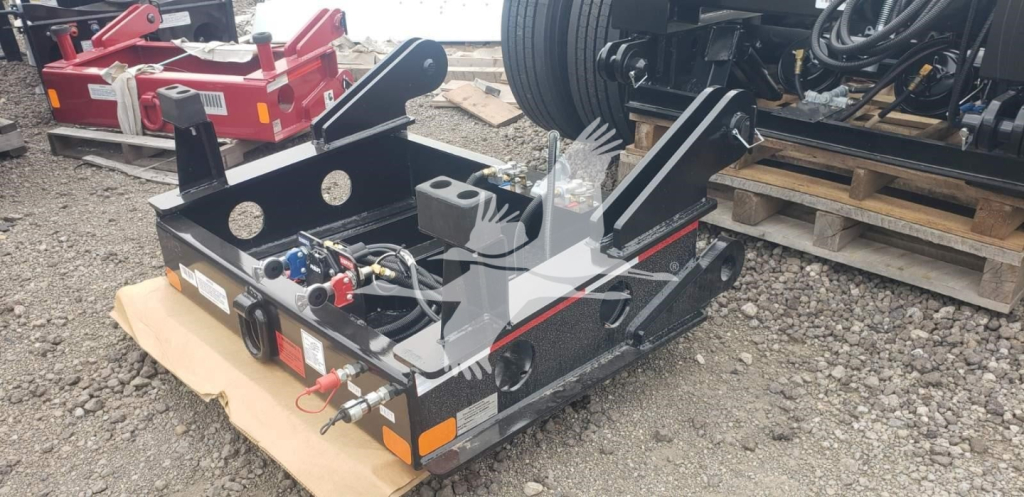
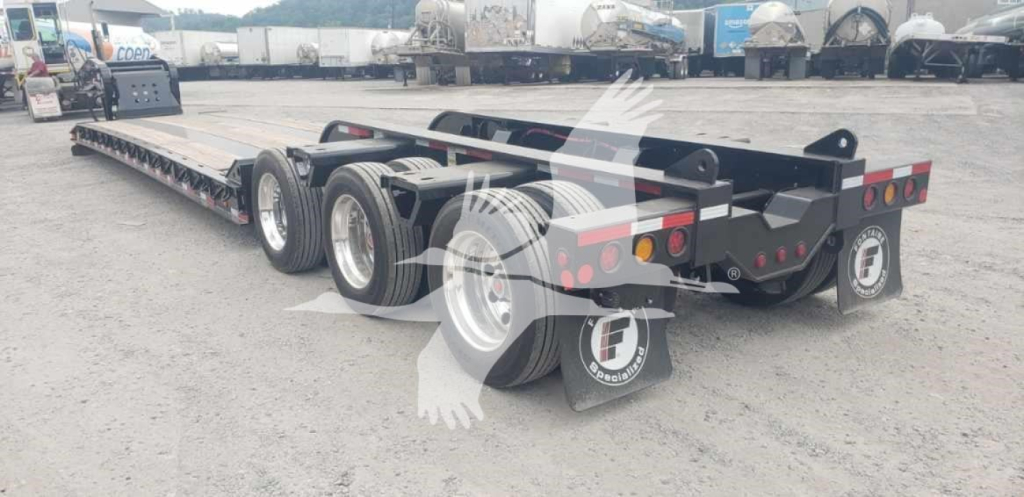
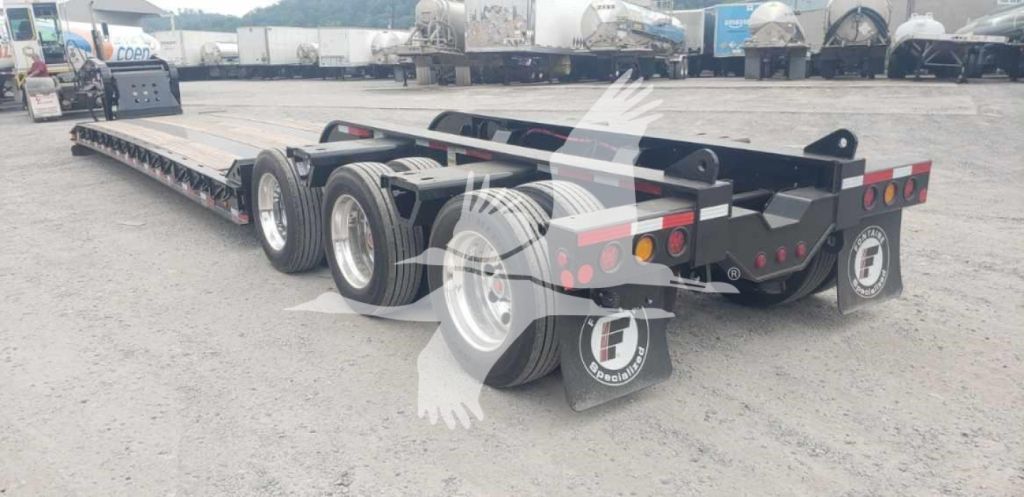
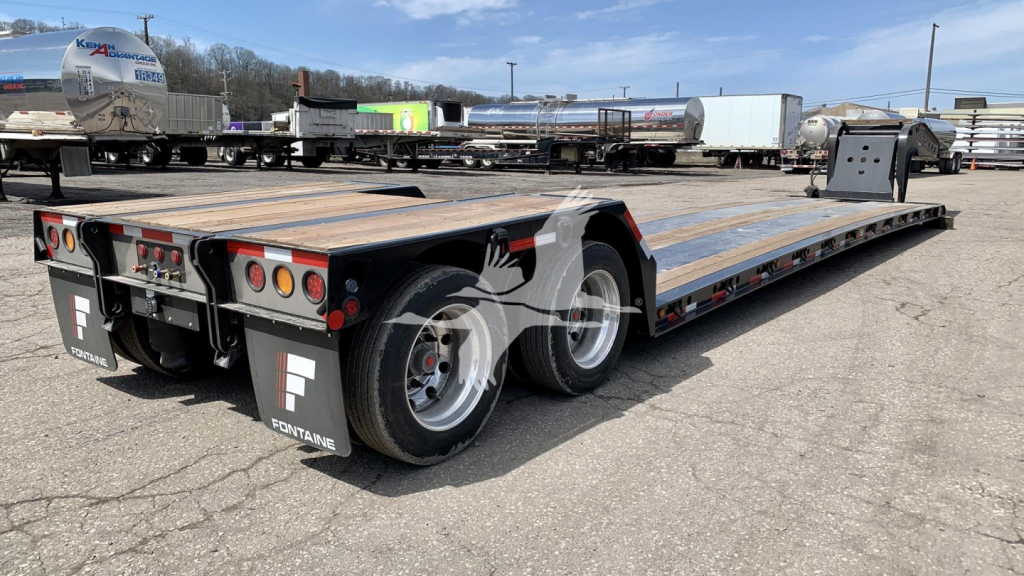
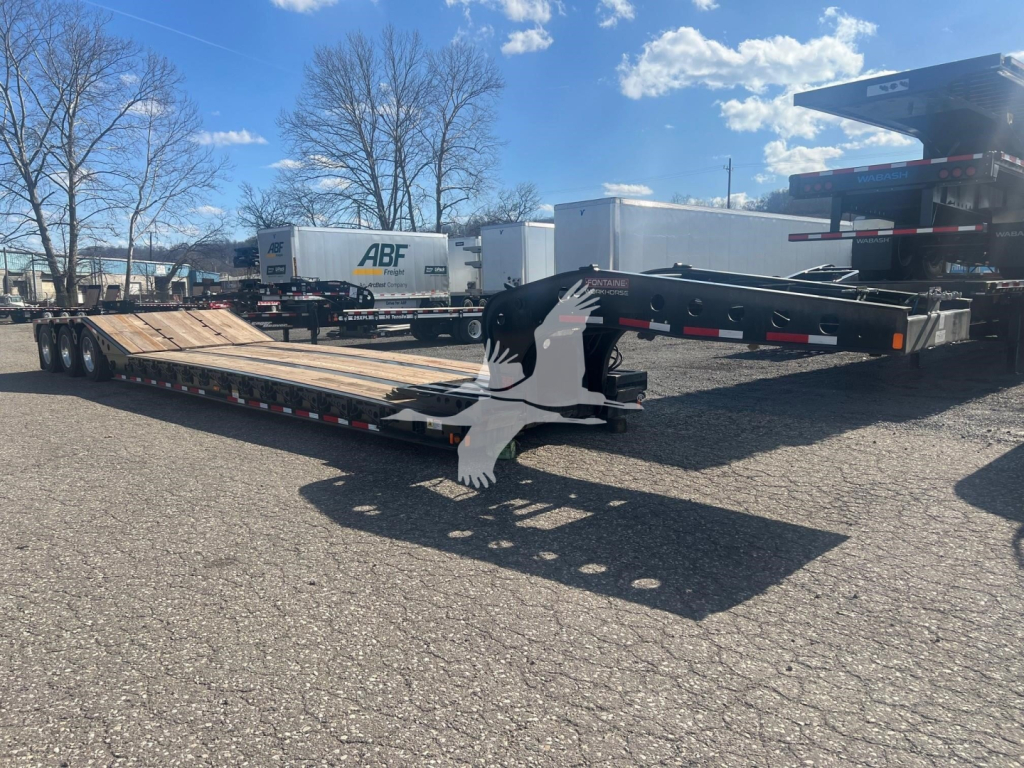
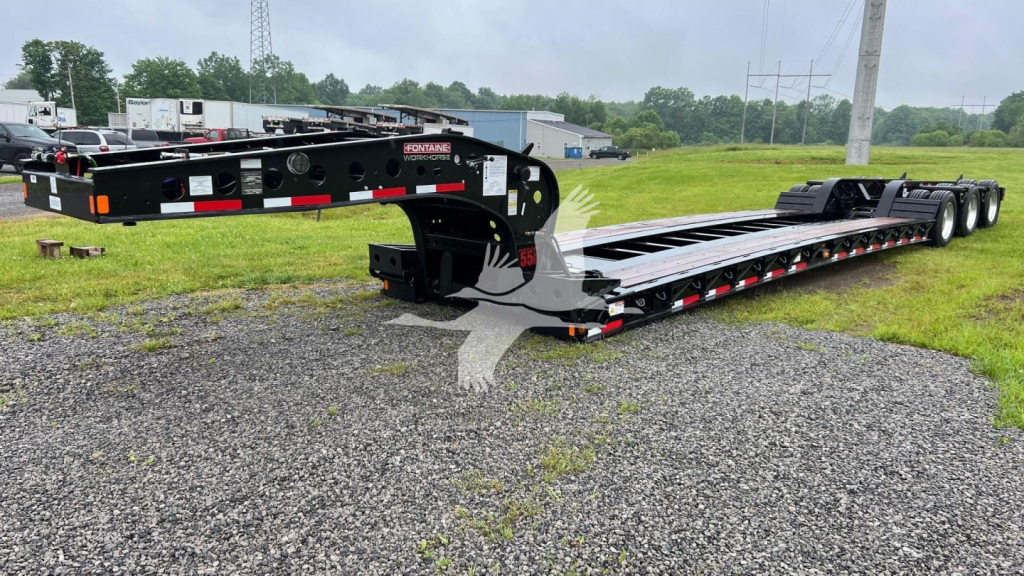
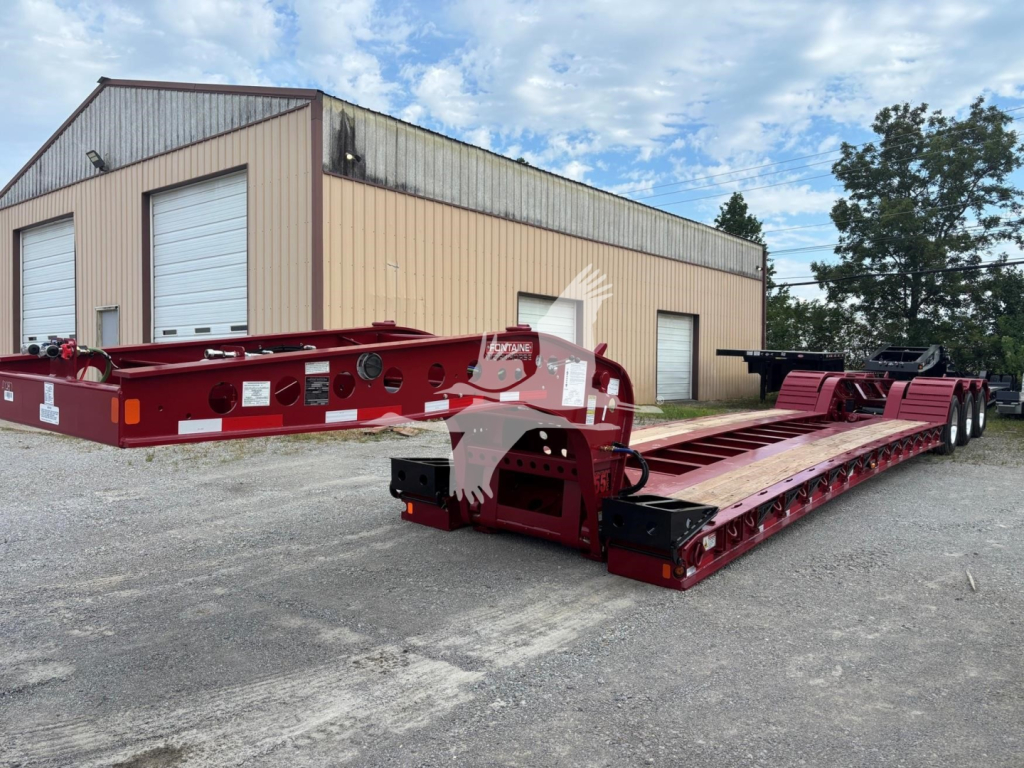
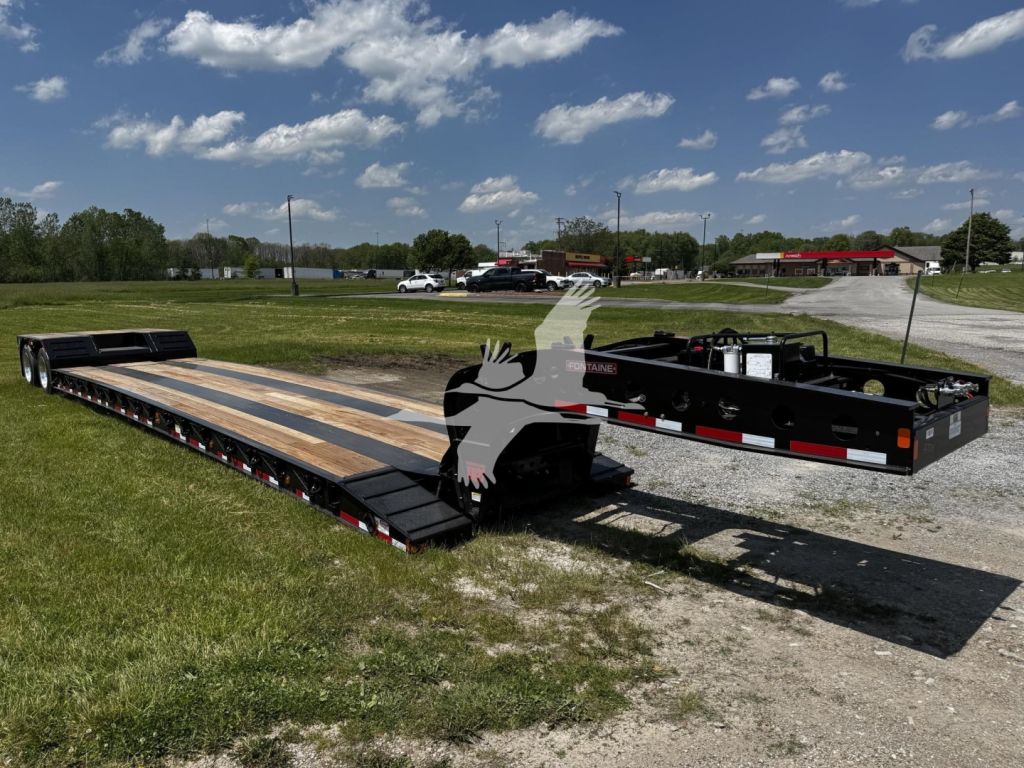
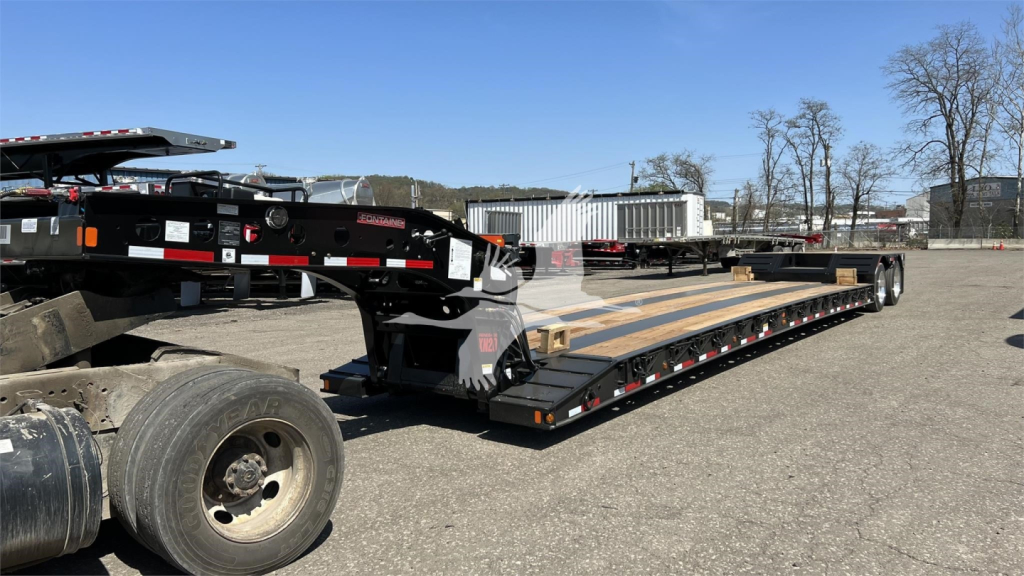
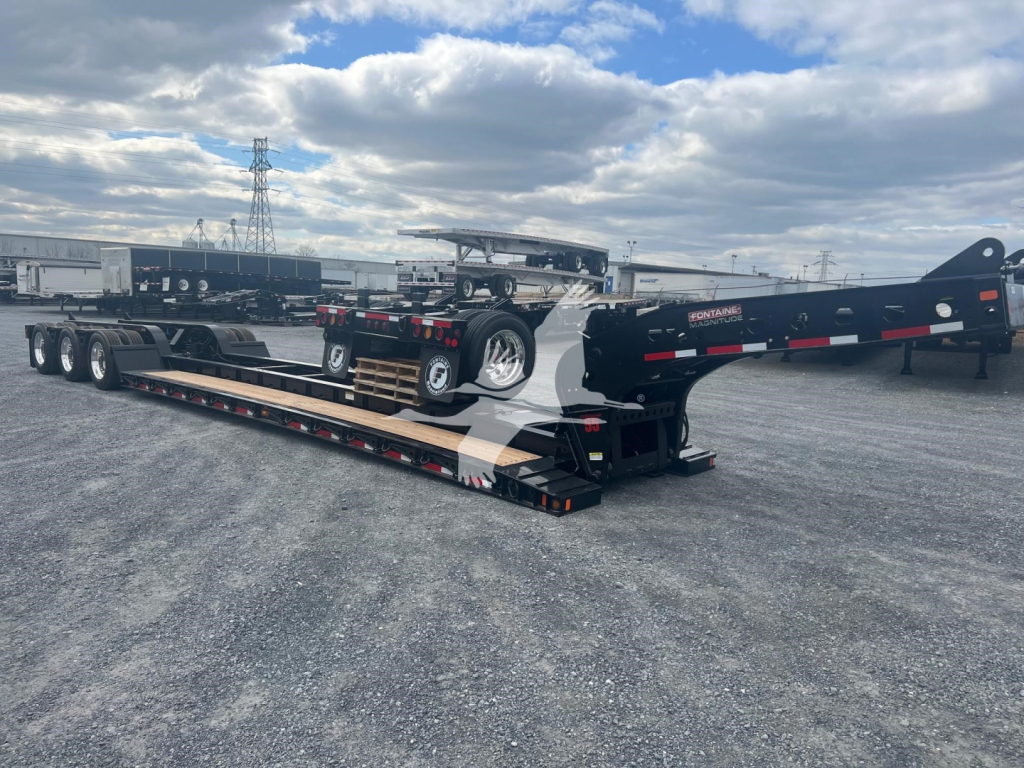
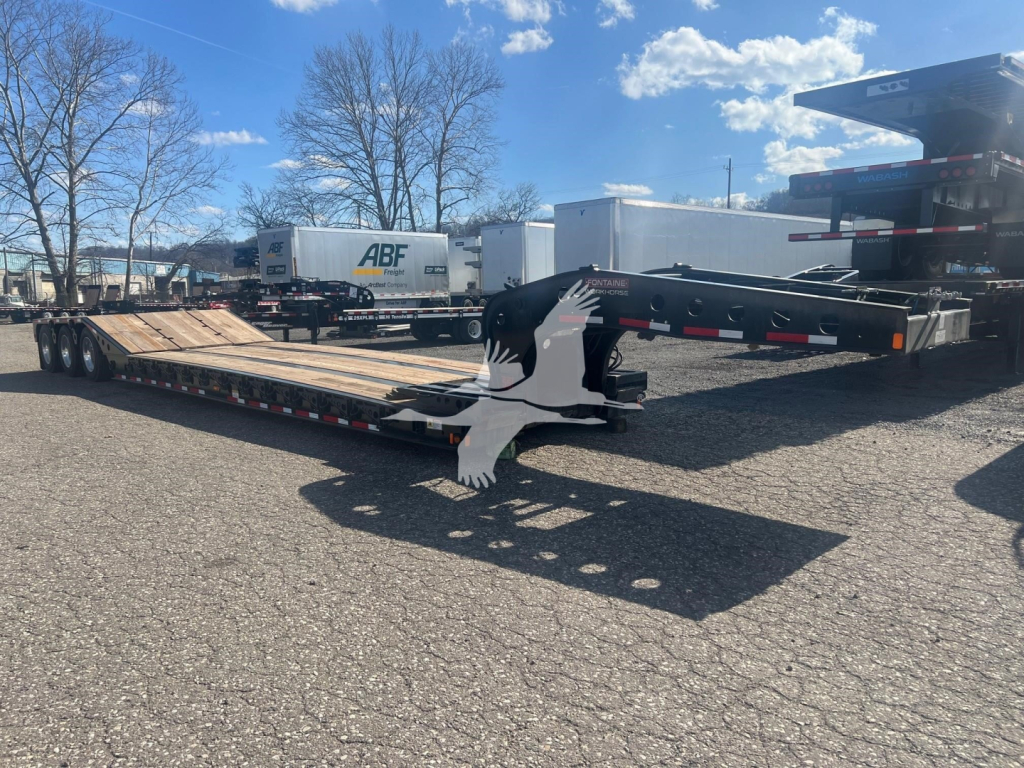
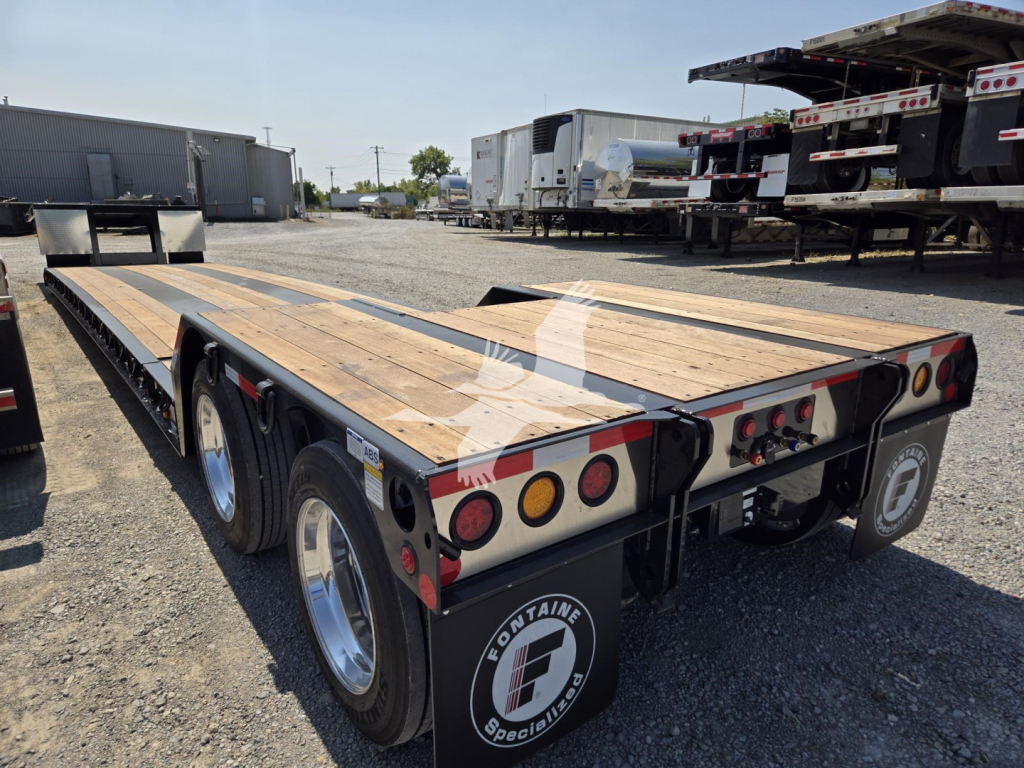
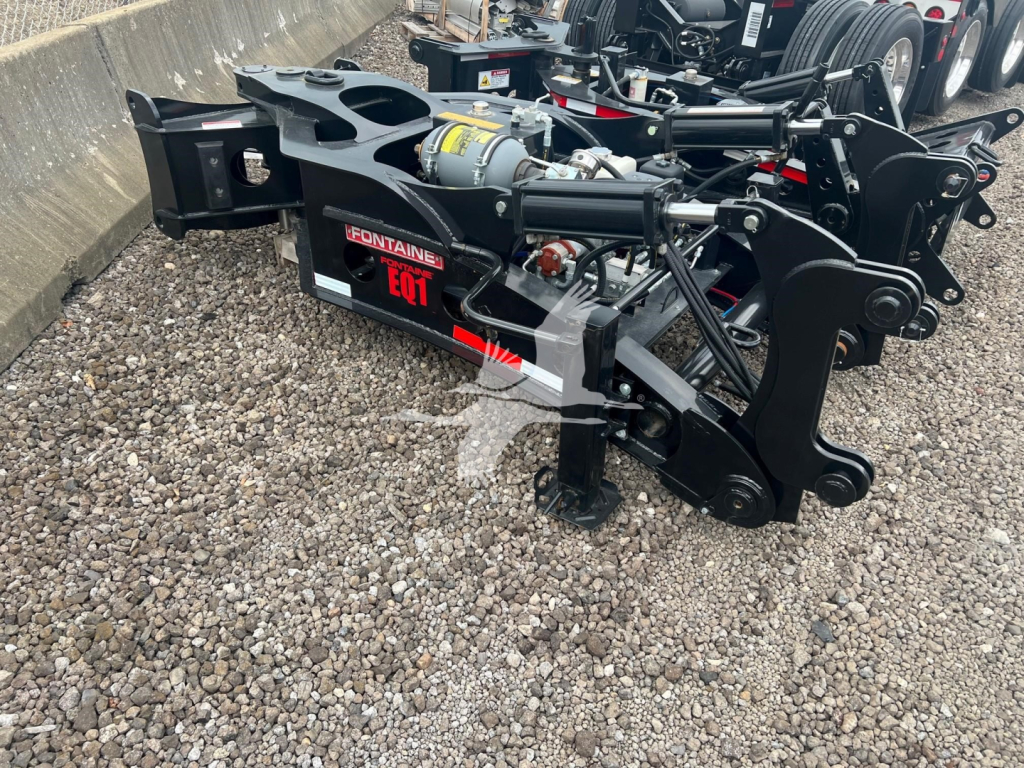
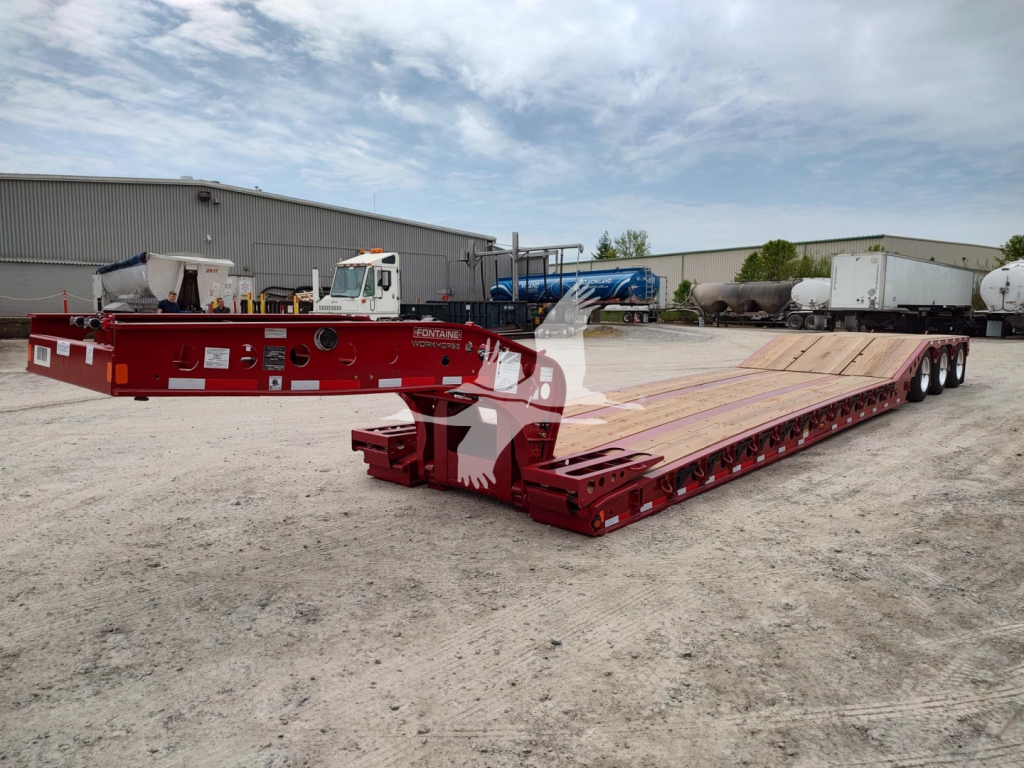
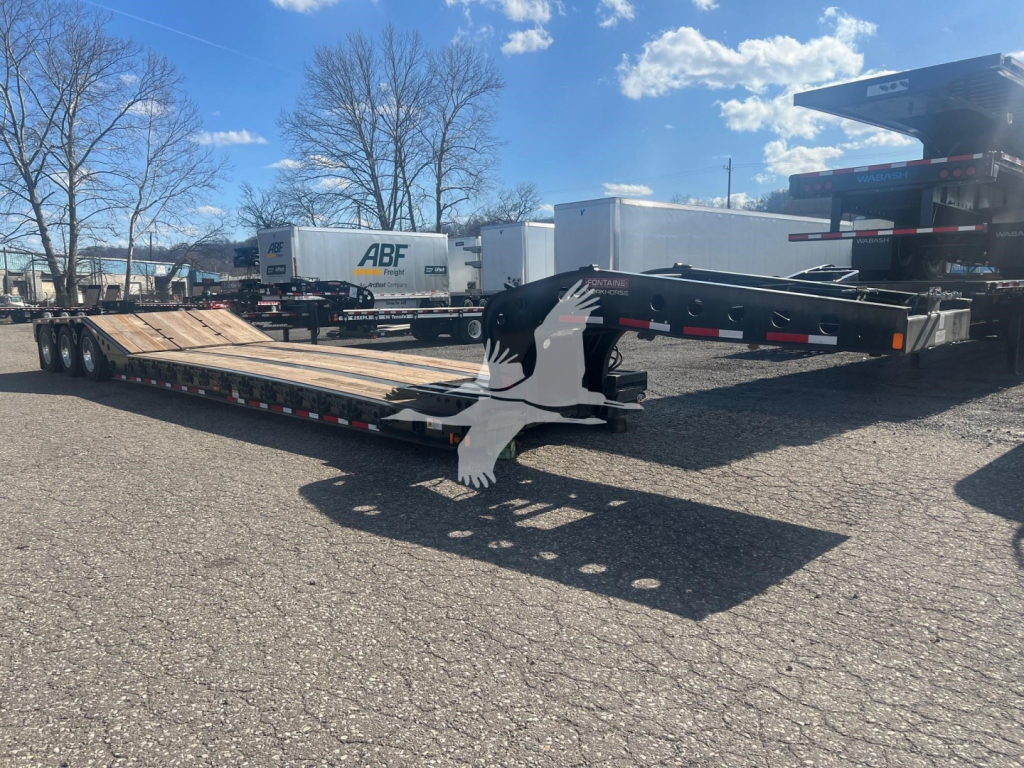
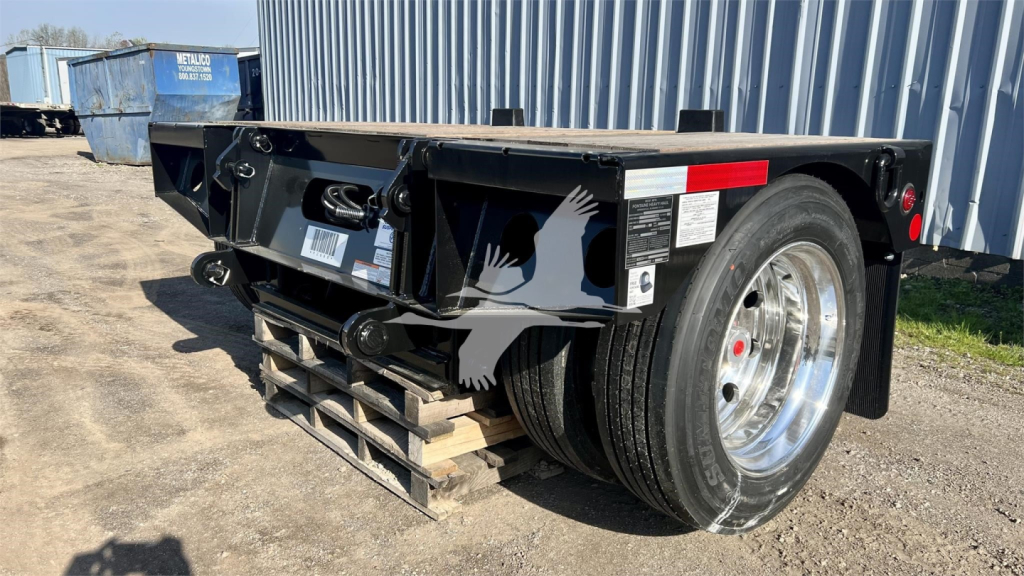
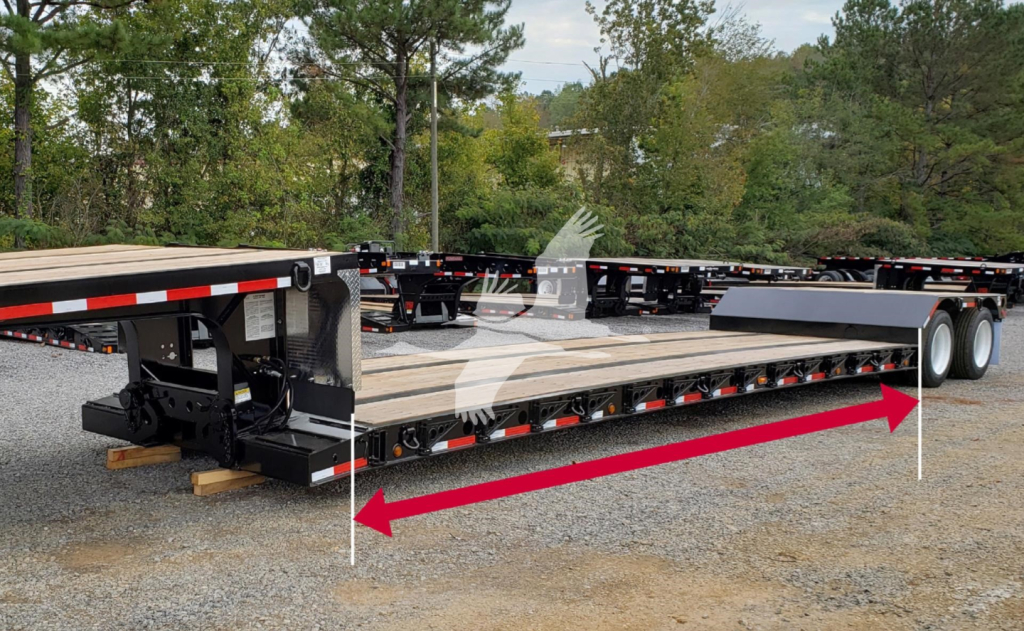
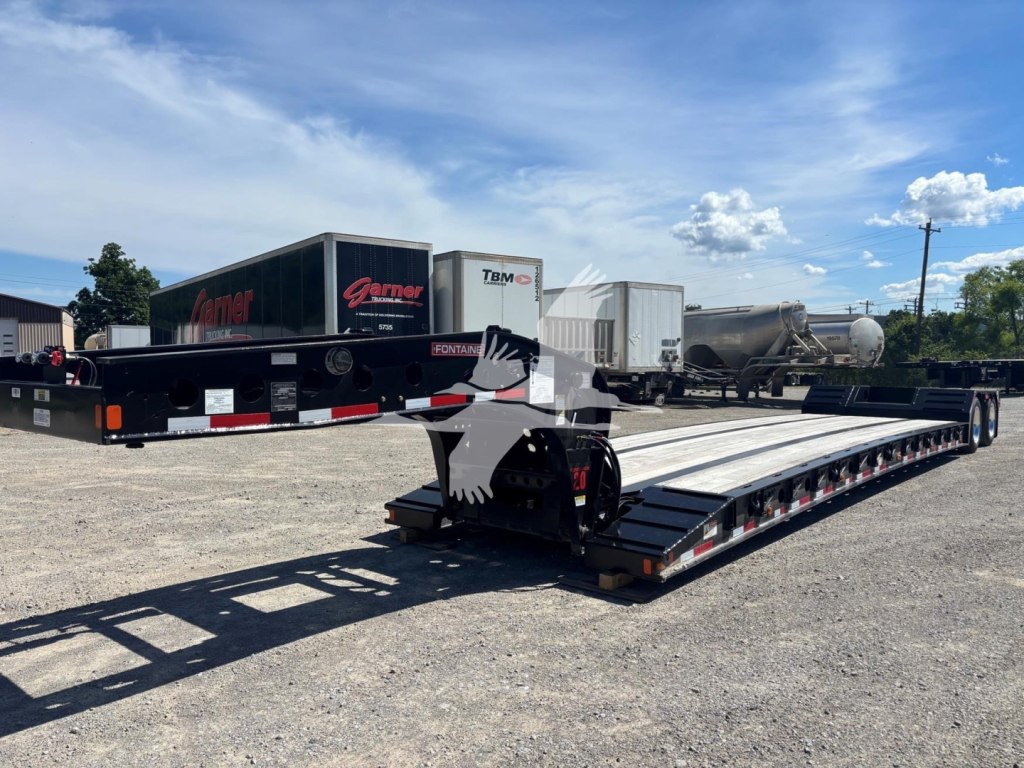
In the lowboy segment, Fontaine models commonly range from 40-ton to 55-ton class trailers, with deck heights around 18 to 20 inches and widths of 102 inches. Many configurations use hydraulic detachable goosenecks, often non-ground-bearing, with multiple ride height positions to help match tractor fifth-wheel height and loading conditions. Air ride suspensions from brands like Hendrickson, Ridewell, and similar suppliers are common, along with 255/70R22.5 or 275/70R22.5 tires, aluminum outer wheels, steel inner wheels, Apitong flooring, removable swing outriggers, and multiple D-ring tie-down points. These are practical details, not brochure features. They affect how easily the trailer loads, how well it handles concentrated machine weight, and how flexible it is when the load changes from one job to the next.
A buyer looking at a new Fontaine lowboy should pay close attention to the deck design and expandability. Main deck length in this category can vary substantially, and some trailers offer extendable decks for longer freight while others focus on dense machinery in a shorter well. Ground clearance, crossmember spacing, side rail construction, and kingpin setting all matter when you are hauling pavers, dozers, excavators, or specialized equipment with uneven axle weights. If your operation regularly pushes permit thresholds, it makes sense to evaluate trailers designed to accept a third axle flip, hydraulic flip axle, or other modular attachments. Those options can make a major difference in bridge law compliance, payload flexibility, and long-term usefulness.
Fontaine has a strong reputation in the heavy-haul market because the trailers are engineered for real jobsite use, not just rated capacity on paper. Features like air lift axles, dump valves, raise-and-lower controls, low boom wells, traction-cleat approach areas, chain slots, tool trays, and stainless rear inserts all add up in daily service. For Ohio buyers, that matters because the equipment may see a mix of interstate hauling, municipal work, quarry service, and seasonal construction cycles. The right new Fontaine trailer is usually the one that matches your freight profile first, then your permit strategy, then your maintenance preferences. A 40-ton detachable lowboy and a 55-ton modular heavy-haul trailer may both wear the Fontaine name, but they serve very different operations.
Frequently Asked Questions about New Fontaine Trailers in Ohio
What types of new Fontaine trailers are most common for heavy-haul applications?
The most common new Fontaine trailers in heavy-haul service are lowboy trailers, including hydraulic detachable gooseneck models, also called detachable neck lowboys or RGN-style heavy equipment trailers in some markets. These trailers are built to carry excavators, dozers, loaders, pavers, crushers, and other tall or heavy machines that benefit from a low deck height. Depending on the configuration, buyers may also find extendable lowboys, modular heavy-haul trailers, and compatible flip axles designed to increase payload flexibility and help with axle spacing requirements.
How do I choose between a 40-ton and 55-ton Fontaine lowboy?
The choice comes down to your actual freight, not just the heaviest machine you move once in a while. A 40-ton Fontaine lowboy is often a good fit for contractors hauling medium-size construction equipment and looking for lower empty weight and simpler operation. A 55-ton model is better suited for heavier machines, higher concentrated loads, and operations that need additional flexibility with flip axles, neck extensions, or modular deck arrangements. Buyers should compare payload rating in the stated deck length, deck construction, axle group setup, and the legal dimensions they expect to run under permit.
What specs matter most when comparing new Fontaine detachable gooseneck trailers?
The most important specs are rated capacity in the deck, loaded deck height, deck length, overall length, axle count, suspension type, and gooseneck design. Buyers should also look closely at kingpin setting, ride height positions, ground clearance, tire size, crossmember spacing, flooring material, outriggers, and tie-down equipment such as D-rings and chain slots. These specs directly affect loading angle, machine fit, securement options, tractor compatibility, and how well the trailer handles daily heavy-haul work.
Why do some new Fontaine trailers include or accept a flip axle?
A flip axle adds another axle position at the rear of the trailer to help distribute weight and improve legal compliance for heavier loads. Some Fontaine trailers are built to accept a mechanical or hydraulic flip axle, while others may be sold as a package with the flip axle included. For operators hauling near axle limits, this matters because a flip axle can improve bridge formula compliance, reduce overload risk, and expand the trailer's usable application range. It is important to confirm compatibility, suspension height, connection style, and the actual rated capacity of the trailer-axle combination.
Are new Fontaine trailers a good fit for Ohio-based operations?
Yes. New Fontaine trailers are a strong fit for Ohio operations because the state supports a wide mix of construction, paving, utility, agriculture, quarry, and regional heavy-haul work. Buyers in Ohio often need trailers that can move efficiently between local jobs, interstate routes, and permitted loads, sometimes in the same week. Fontaine's common use of air ride suspension, detachable neck designs, low deck heights, and modular axle compatibility makes the brand practical for fleets that need both everyday usability and the ability to scale up for specialized hauling.