
New Flatbed Trailers For Sale in Ohio
Shop new flatbed trailers for sale in Ohio. Compare aluminum and steel flats, axle setups, deck specs, payload ratings, and tie-down options.
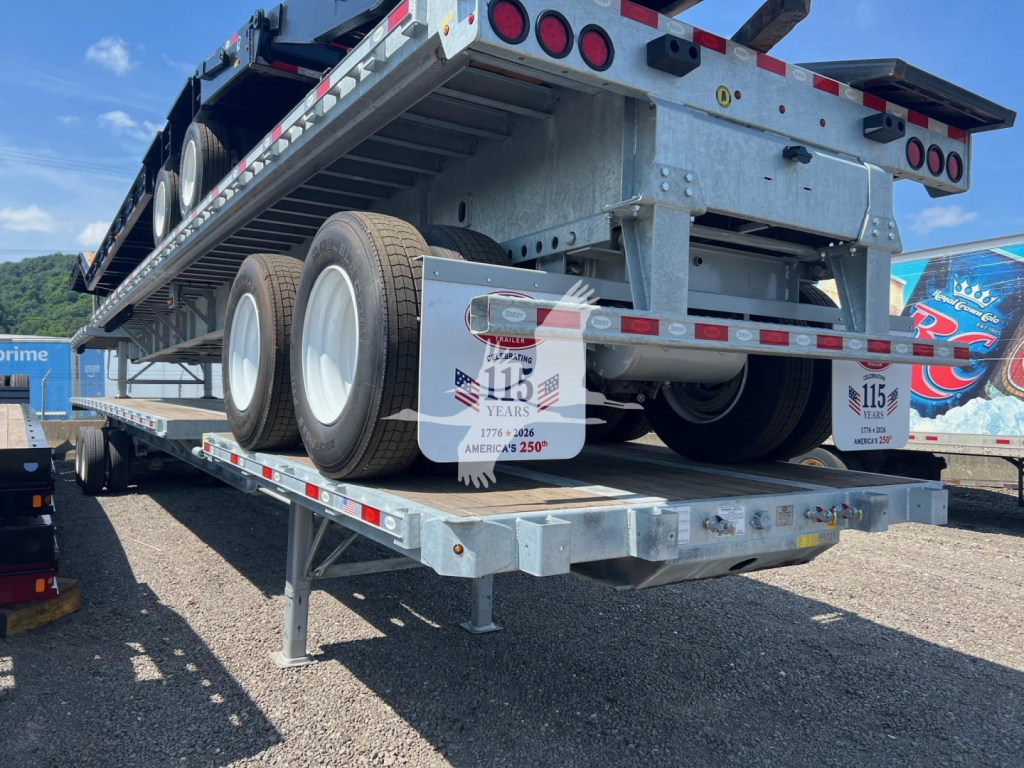
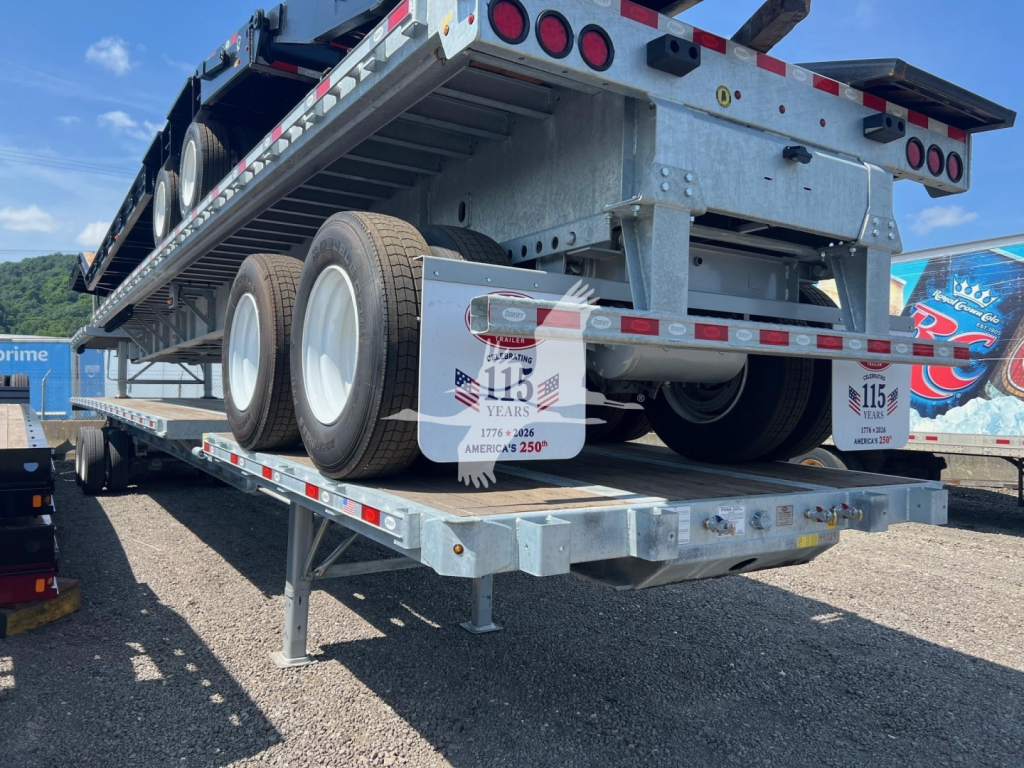
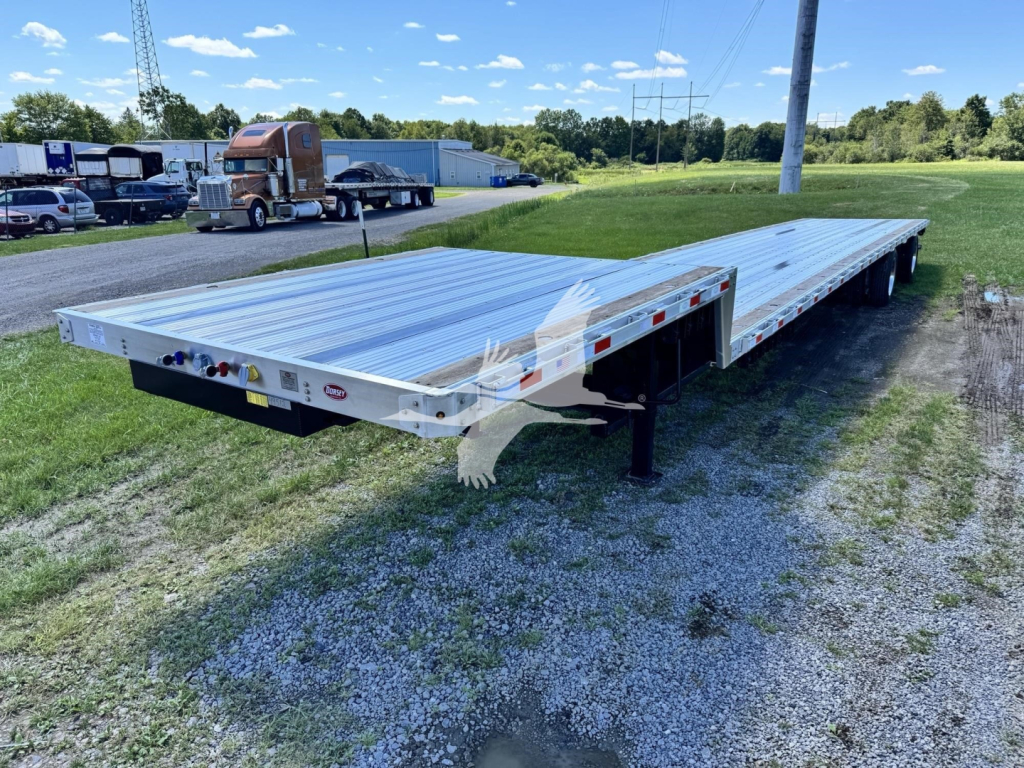
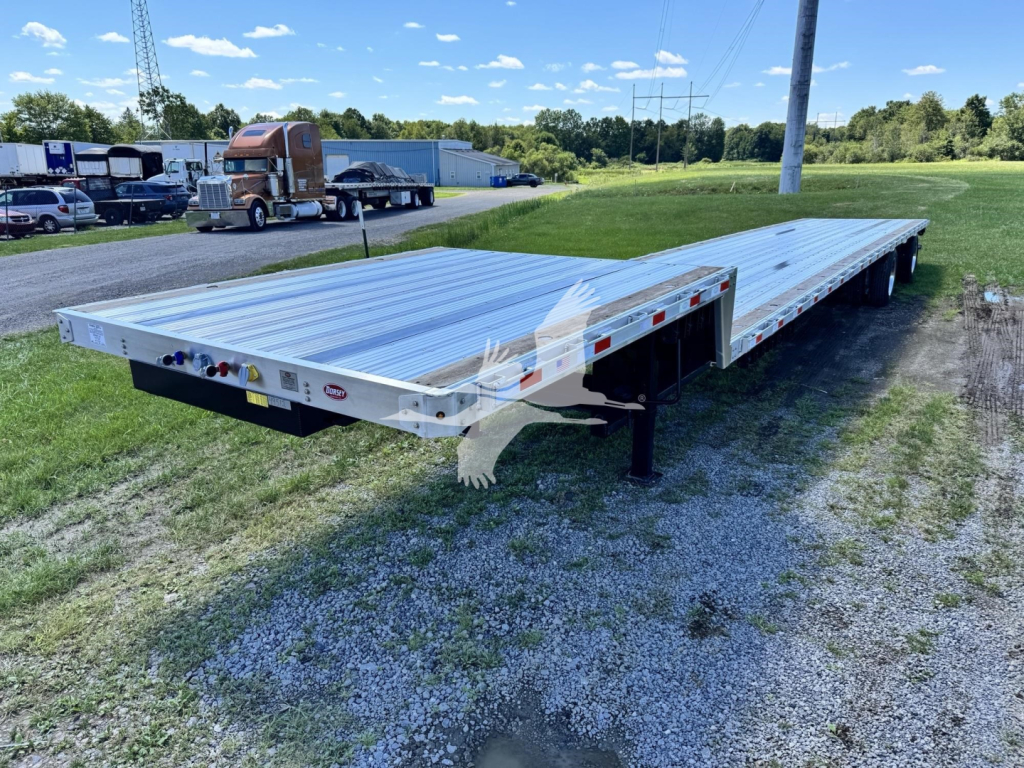
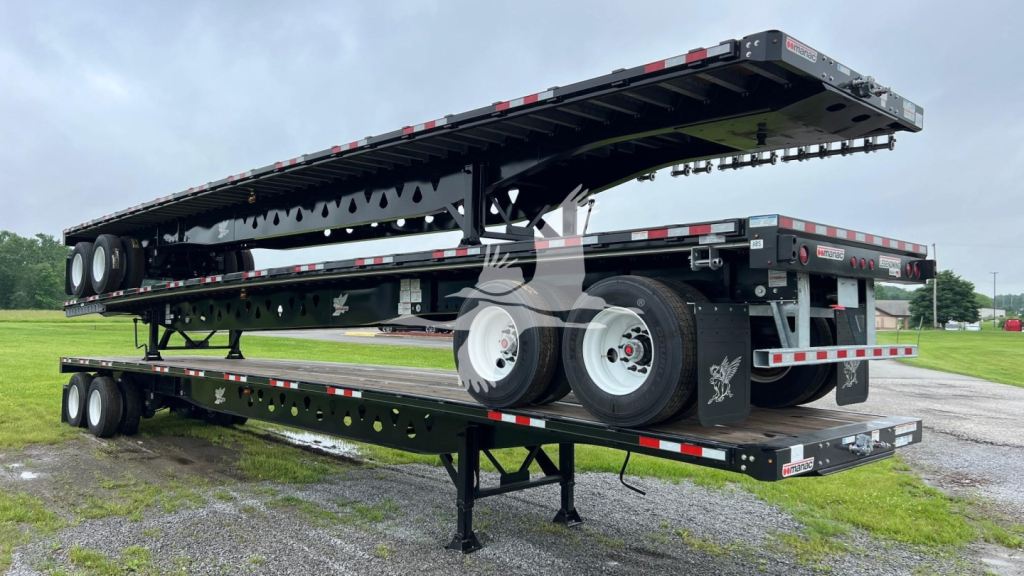
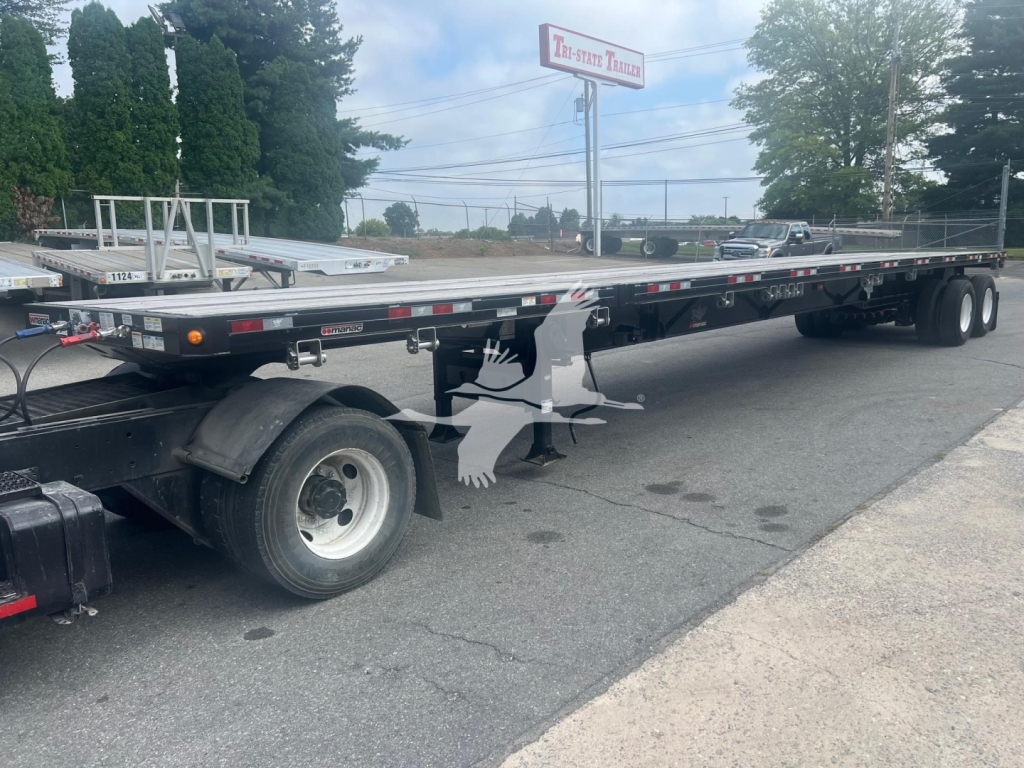
Selling a new flatbed trailer? List your new flatbed trailer for sale and reach thousands of commercial buyers.
New Flatbed Trailers in Ohio
The biggest buying decision is usually steel versus aluminum. Steel flatbeds generally cost less up front and hold up well in severe service, especially where concentrated loading, forklift traffic, and rough yards are part of the job. Aluminum flatbeds reduce tare weight and increase legal payload, which matters when hauling dense freight or maximizing revenue per trip. Many new flats pair aluminum main structures with apitong nailing strips, full-length winch tracks, sliding winches, pipe spools, and coil packages. Crossmember spacing, side rail design, and concentrated load ratings deserve close attention if the trailer will see steel coils, machinery, or other high-point loads.
Deck and suspension specs affect day-to-day usability as much as price. Common floor choices include 1 1/8-inch apitong, aluminum decking, or mixed-material decks designed for grip and repairability. Air ride tandems, including spread axle and sliding tandem setups, remain popular for freight protection, dock flexibility, and axle weight management. A 49-inch slider is still a common spec on 48-foot flats, while some 53-foot aluminum trailers use wider suspension settings to support bridge law flexibility or California-legal positioning when closed. Tire size, wheel material, dump valves, landing gear, and corrosion protection such as galvanized frames or crossmembers also make a real difference in maintenance costs over time.
Tie-down equipment should match the freight mix, not just the trailer length. Buyers should look closely at winch count, winch track placement, rub rail design, pipe spool arrangement, bulkhead presence or absence, D-ring placement, and whether the trailer is prepped for toolboxes or dunnage racks. For machinery loading, a beavertail, ramp package, and pintle hookup may matter more than deck length alone. For general freight, a clean flat deck with strong side rails, LED lighting, ABS, and reliable suspension components is the core of a productive spec. The best new flatbed trailer is the one whose tare weight, deck strength, securement layout, and axle configuration match the freight lanes it will actually run.
Frequently Asked Questions about New Flatbed Trailers in Ohio
What size flatbed trailer is most common for general freight?
The most common sizes for general freight are 48-foot and 53-foot flatbed trailers with a 102-inch overall width. A 48-foot flatbed is still widely used for regional hauling and can offer good maneuverability with a sliding tandem. A 53-foot flatbed adds deck space and is often preferred for longer or more varied loads, especially when buyers want maximum versatility across building materials, palletized freight, machinery, and steel products.
Is an aluminum flatbed better than a steel flatbed?
Neither is automatically better. Aluminum flatbeds usually weigh less, which increases legal payload and can improve revenue on weight-sensitive freight. Steel flatbeds often have a lower purchase price and are well suited for harsh service, repeated forklift loading, and concentrated freight. The right choice depends on how often payload matters, how rough the operating environment is, and how important corrosion resistance and long-term maintenance costs are to the operation.
What features matter most on a new flatbed trailer?
The most important features are deck construction, crossmember spacing, suspension type, axle configuration, and tie-down equipment. Buyers should also evaluate winch tracks, sliding winches, rub rails, pipe spools, coil packages, kingpin setting, landing gear, and lighting. If the trailer will haul machinery or equipment, ramps, a beavertail, D-rings, and pintle provisions can be more important than a standard general-freight setup.
What is the advantage of a spread axle or sliding tandem flatbed?
A spread axle flatbed can improve stability and help with weight distribution, and some configurations are chosen for bridge law flexibility. A sliding tandem flatbed gives the operator more control over axle placement for load balance, state bridge compliance, and dock approach. The better option depends on freight type, route requirements, and whether the trailer needs to adapt to different loading scenarios throughout the week.
Why do many buyers prefer apitong flooring on flatbed trailers?
Apitong is widely used because it offers strong durability, good fastener retention, and dependable performance under repeated loading. It handles forklift traffic well and is familiar to most repair shops. On aluminum flatbeds, apitong nailing strips are also common because they provide secure points for decking and help balance weight savings with practical serviceability.