
Great Dane Trailers For Sale
Shop Great Dane trailers including dry vans and reefers. Compare 53-foot specs, suspension, doors, floors, and trailer configurations.
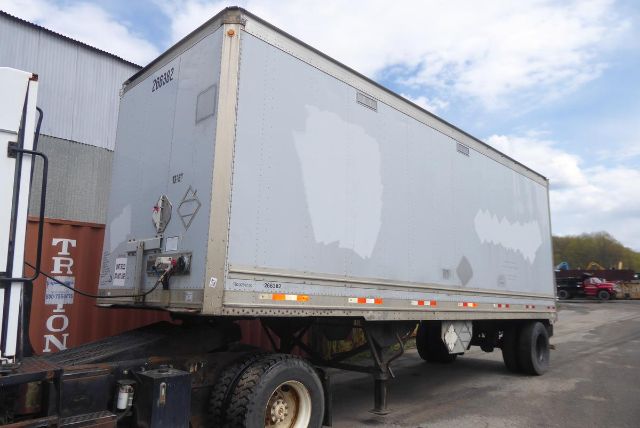
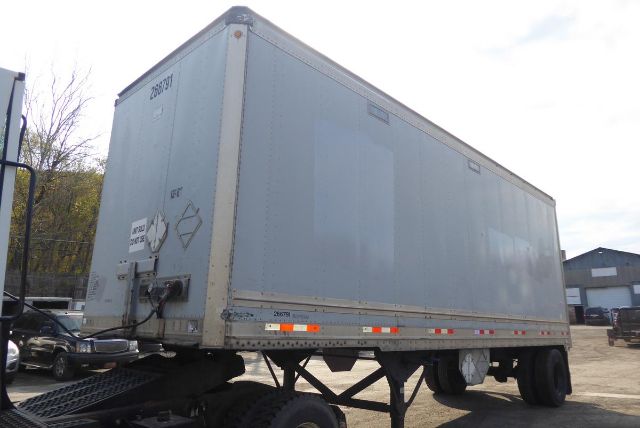
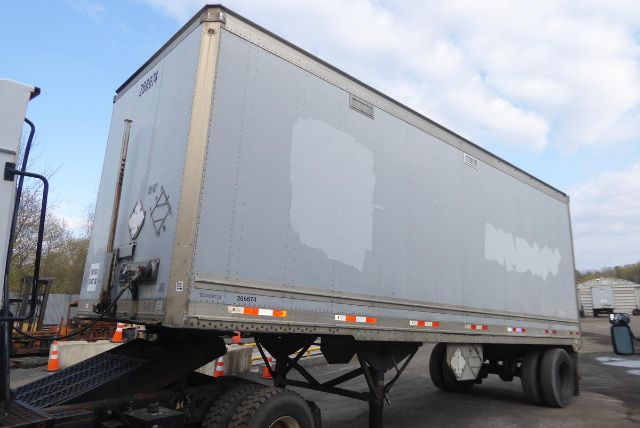
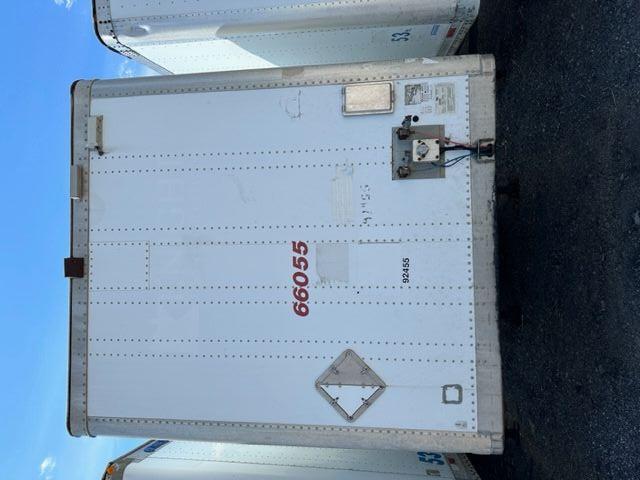
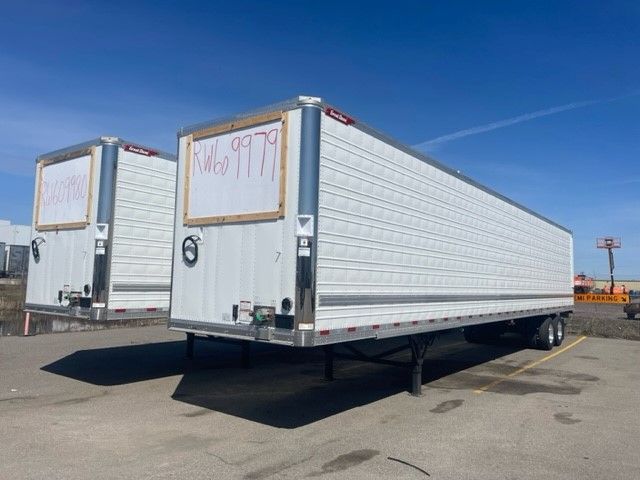
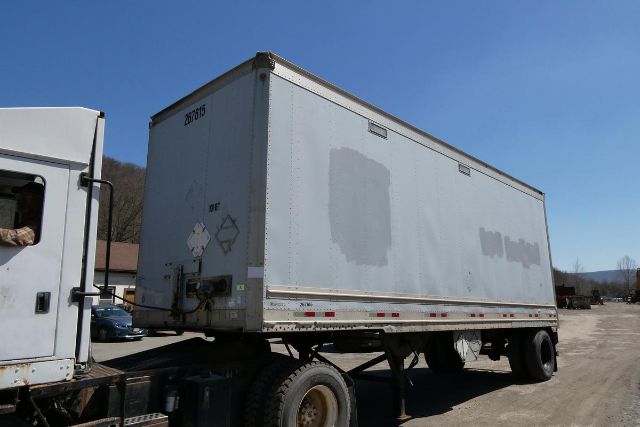
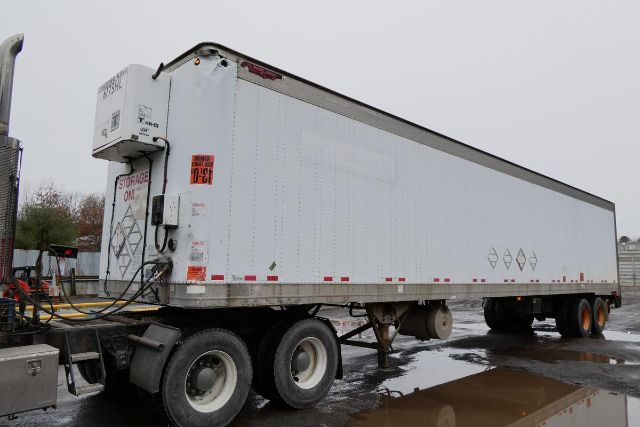
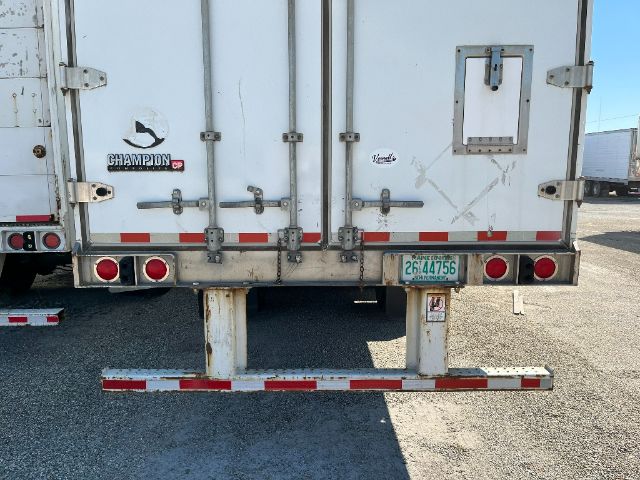
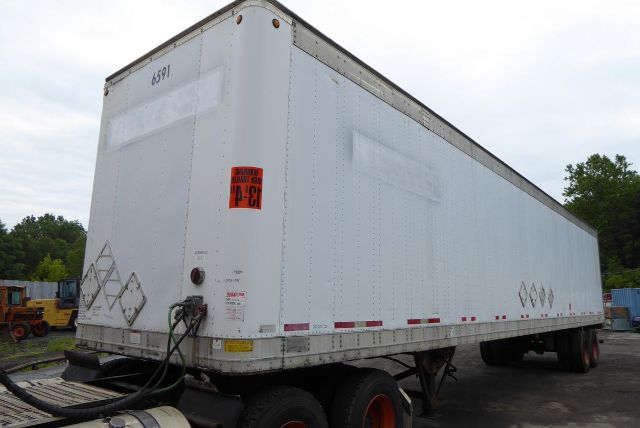
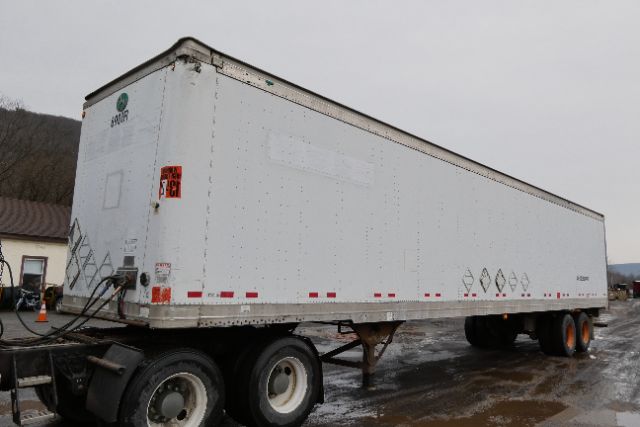
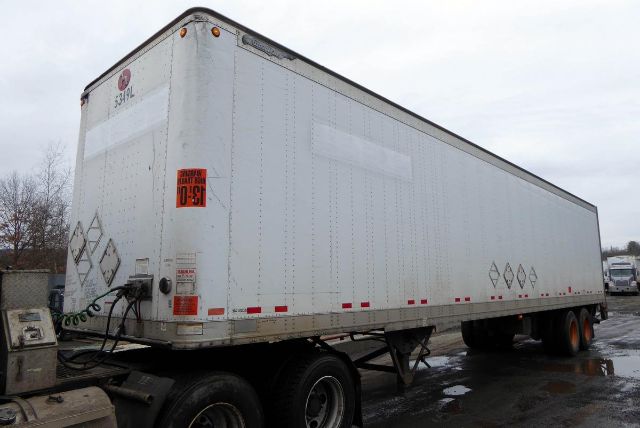
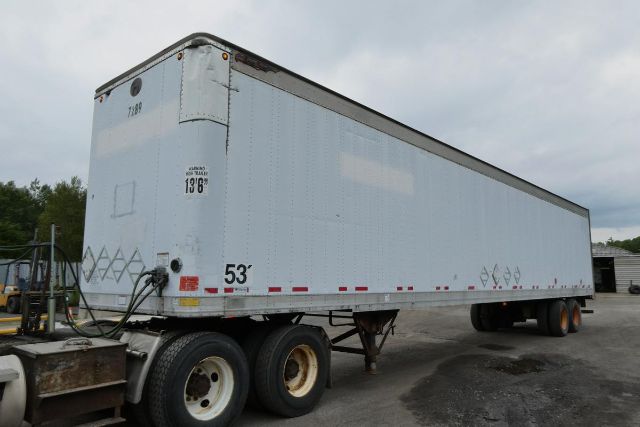
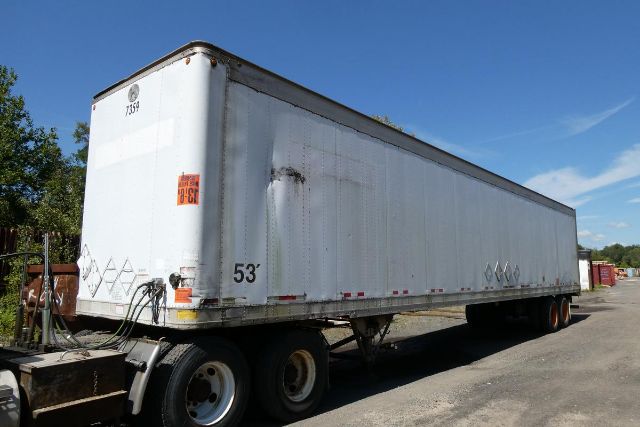
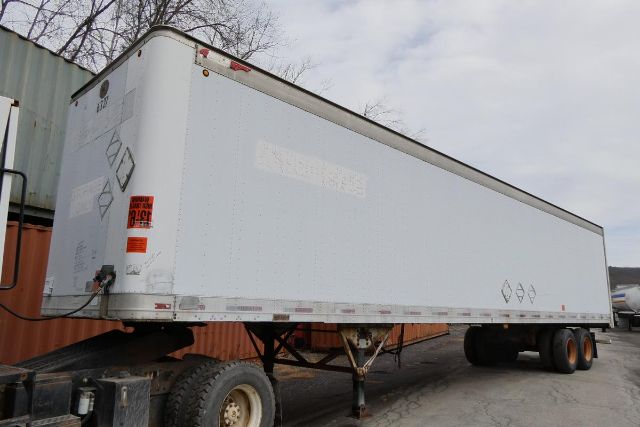
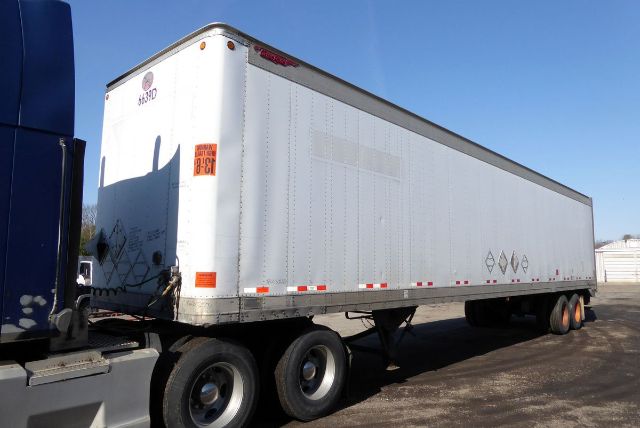
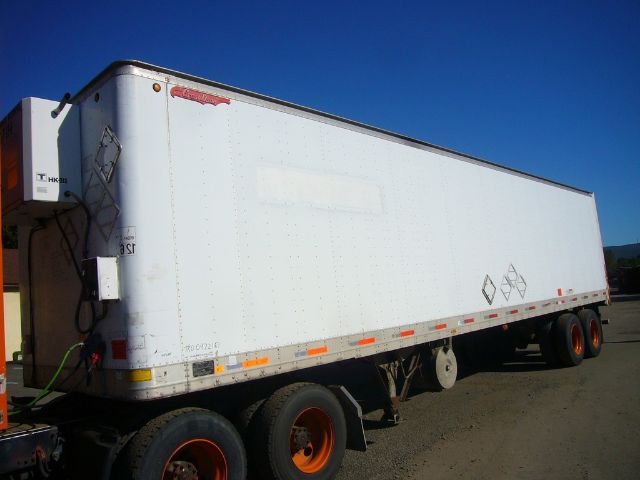
Showing 85 to 112 of 233 results
Have great dane trailer to sell? List it here to reach thousands of buyers.
Great Dane Trailers
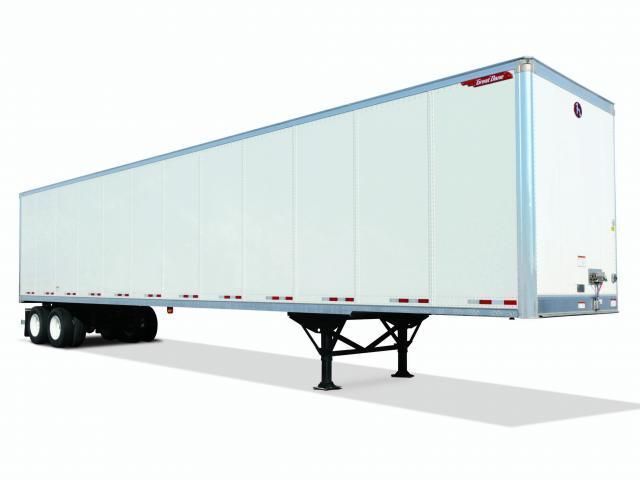
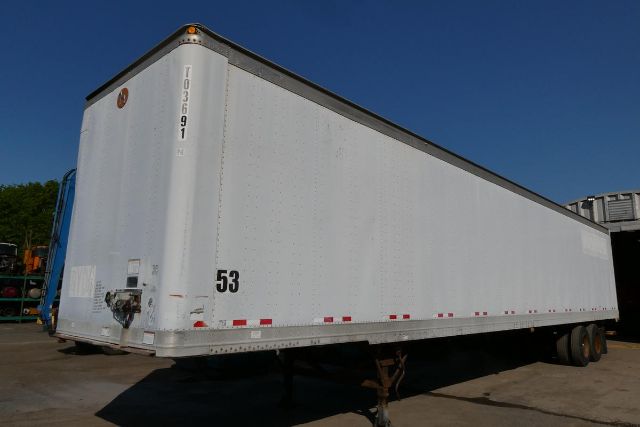
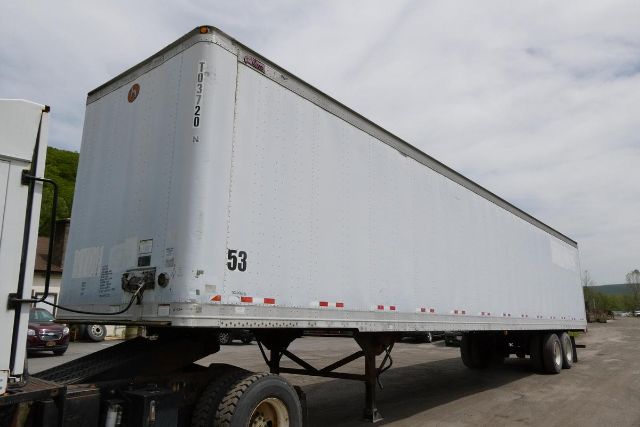
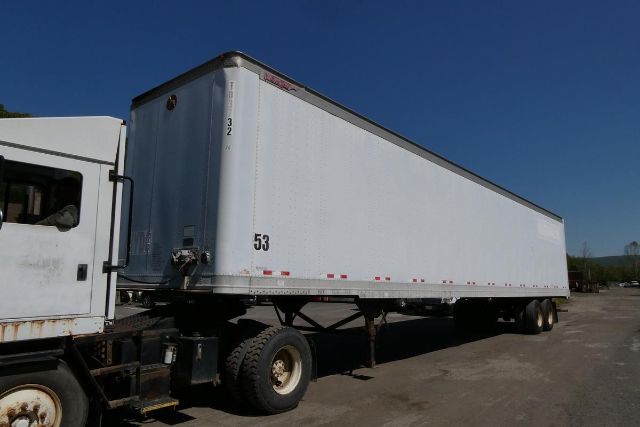
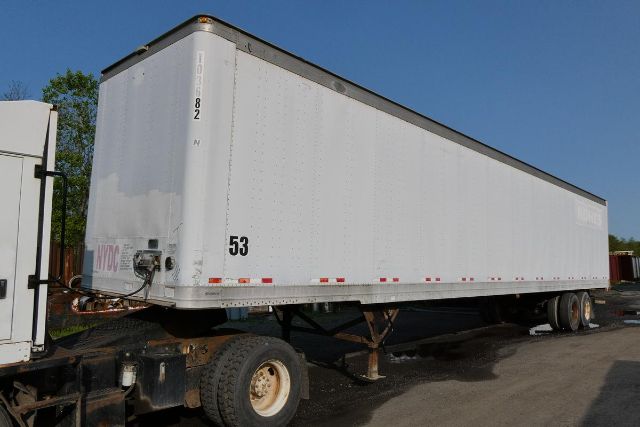
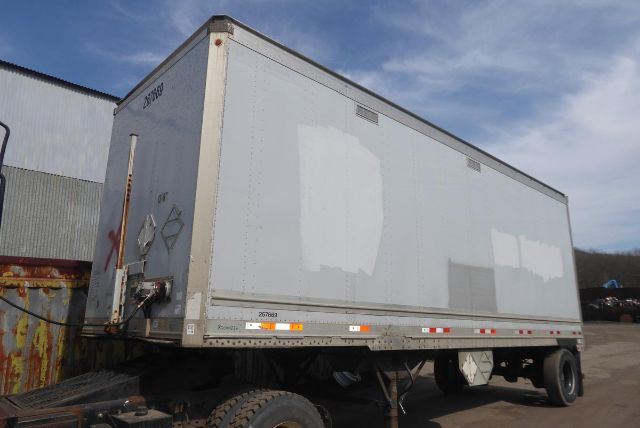
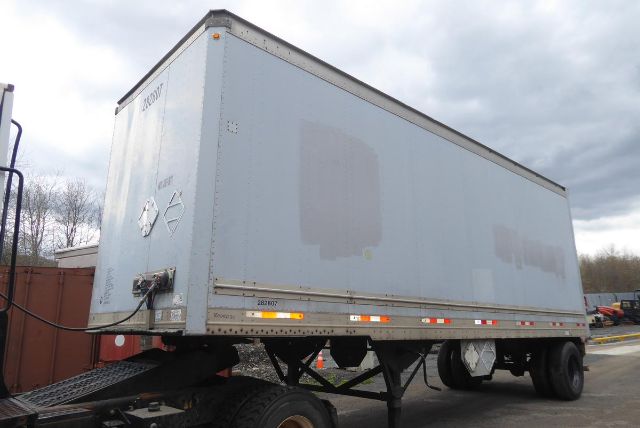
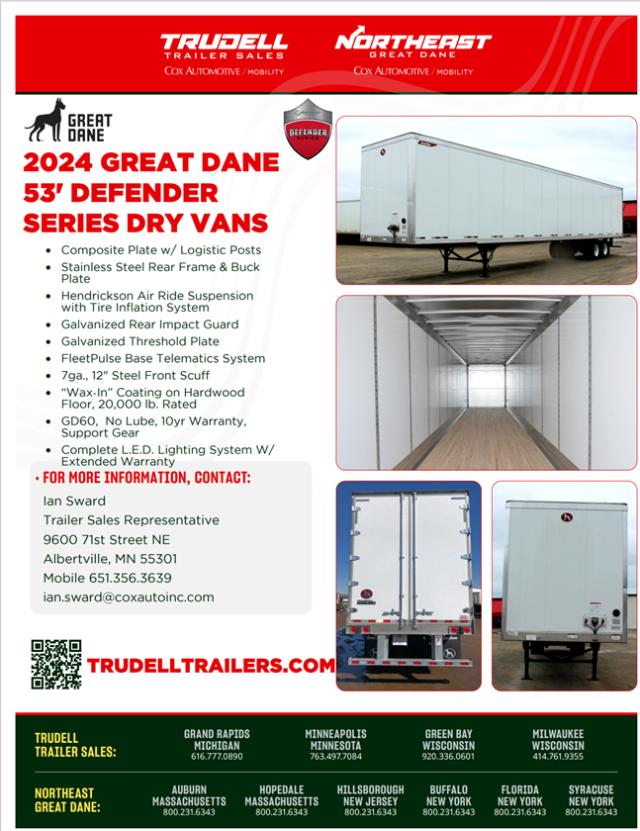
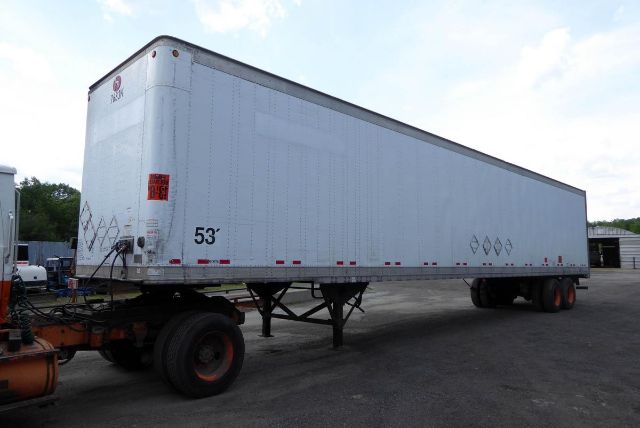
For dry van buyers, the key decisions usually come down to floor type, rear door configuration, suspension, and interior wear protection. Great Dane vans are commonly spec'd with wood or wood-over-steel floors, translucent roofs, roll-up doors or swing doors, and either air ride or spring ride suspensions. A roll-up door can be useful in tight dock environments and city delivery work, while swing doors generally offer a simpler rear structure and can be easier to seal and maintain over time. Sliding tandems remain one of the most important spec points on a highway van, and buyers should also pay attention to trailer tare weight, crossmember spacing, roof condition, sidewall repairs, and signs of forklift damage around the threshold plate and lower scuff area.
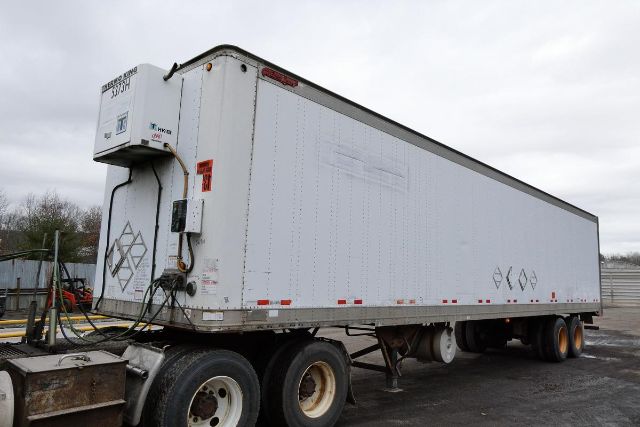
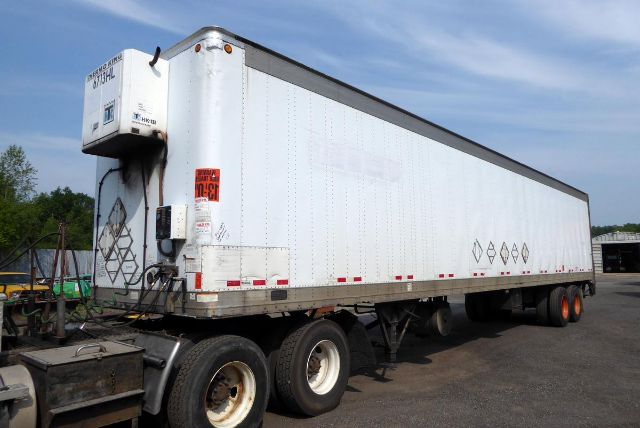
Great Dane reefer trailers are especially common in foodservice, grocery, produce, and temperature-controlled distribution. Popular models include the Everest series, and many used units are equipped with Thermo King refrigeration packages such as SB or Precedent units, including single-temp and multi-temp systems. Important reefer details include floor style, such as aluminum duct floors or flat floors, the presence of a cold chute, scuff liners, stainless steel rear frame components, rear vents, and interior logistics equipment like E-track. Buyers comparing refrigerated trailers should look closely at reefer hours, evaporator count on multi-temp setups, door type, insulation condition, and the overall state of the front wall and floor where moisture-related wear tends to show up first. Multi-temp units with multiple evaporators can add flexibility for mixed loads, but they also add complexity and maintenance cost.
Across the category, Great Dane trailers are typically chosen by fleets and owner-operators who want mainstream specifications that are easy to keep on the road. The smartest comparison points are suspension type, axle slide range, wheel and tire package, brake condition, lining thickness, floor wear, and how the trailer was used in its previous life. A former grocery reefer with heavy stop-and-start operation may present differently than a long-haul van that spent most of its time on interstate lanes. Great Dane remains a practical choice because the brand is widely recognized, accepted by carriers and shippers, and available in configurations that fit general freight, cold chain, and regional distribution work.
Frequently Asked Questions about Great Dane Trailers
What types of trailers are most common from Great Dane on the used market?
The most common Great Dane trailers on the used market are 53-foot dry vans and 53-foot refrigerated trailers. Buyers will also find some 40-foot vans and occasional specialized specs, but the core of the market is highway dry freight vans and reefers built for fleet service. Many carry standard 102-inch width, tandem axles, and sliding tandem configurations, which makes them familiar and easy to integrate into existing operations.
What should I inspect first on a used Great Dane reefer trailer?
Start with the refrigeration unit hours, operating history, and whether the trailer is single-temp or multi-temp. Then inspect the floor condition, front wall, insulation integrity, rear frame, door seals, and any signs of water intrusion or soft spots. On a Great Dane reefer, features such as duct floors, cold chutes, stainless rear components, scuff liners, and E-track can add value, but overall condition matters more than options if the trailer has been in heavy distribution service.
Are Great Dane dry vans a good choice for general freight?
Yes. Great Dane dry vans are widely used in general freight because they are commonly spec'd, broadly serviceable, and available with practical fleet features like translucent roofs, sliding tandems, air ride suspension, and roll-up or swing doors. For most buyers, the best unit is not just the newest one. It is the trailer with the right floor, door setup, suspension, and structural condition for the freight it will haul and the docks it will serve.
What is the difference between roll-up and swing doors on a Great Dane trailer?
Roll-up doors are often preferred for route work, tight docks, and operations where drivers open and close the trailer frequently without wanting door leaves in the way. Swing doors are common in long-haul applications and are generally simpler in design, with fewer moving parts in the track system. The right choice depends on your delivery environment, cargo security needs, and maintenance preferences.
How important is a sliding tandem on a Great Dane trailer?
A sliding tandem is very important for many carriers because it affects axle weight distribution, bridge compliance, and how easily the trailer can be positioned at docks. It is one of the first specs many buyers check on a used van or reefer. Beyond confirming that the tandem slides, inspect the rail condition, locking pin operation, suspension wear, and signs of damage from neglected maintenance or repeated hard loading conditions.