
2014 Great Dane Trailers For Sale
Shop 2014 Great Dane trailers by body style, specs, suspension, dimensions, and application for van, reefer, flatbed, and specialty hauling.

Selling a 2014 great dane trailer? List your 2014 great dane trailer for sale and reach thousands of commercial buyers.
2014 Great Dane Trailers
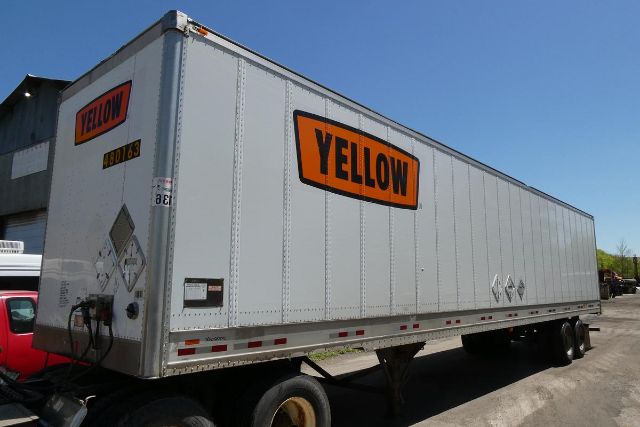
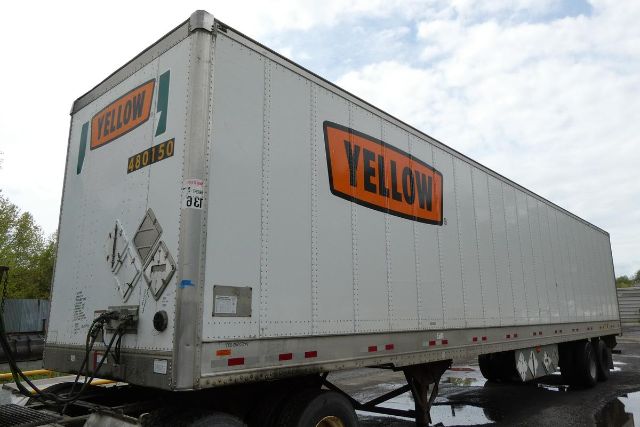
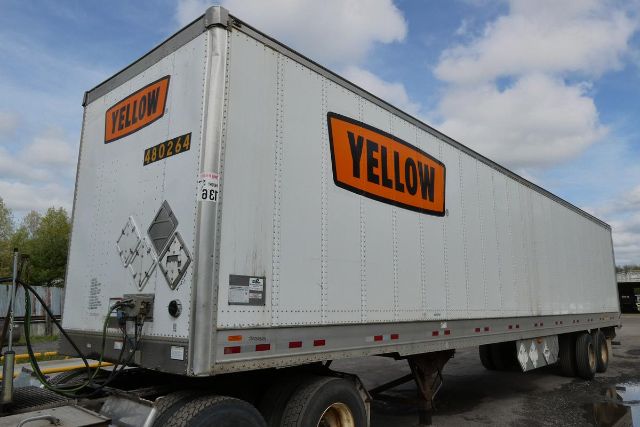
For dry van work, 2014 Great Dane trailers are often configured with sheet-and-post construction or smooth aluminum sidewall designs, wood floors over aluminum or steel crossmembers, roll-up or swing rear doors, and sliding tandems. Practical details make a bigger difference than many buyers expect. E-track rows, scuff liners, threshold plates, plywood or composite linings, translucent roofs, and kingpin setting all affect how well a van fits dock work, palletized freight, route delivery, and warehouse loading patterns. If the trailer will stay in a tight regional operation, pay close attention to overall empty weight, landing gear condition, door opening height, and whether the tandem slide gives enough flexibility for bridge law compliance.
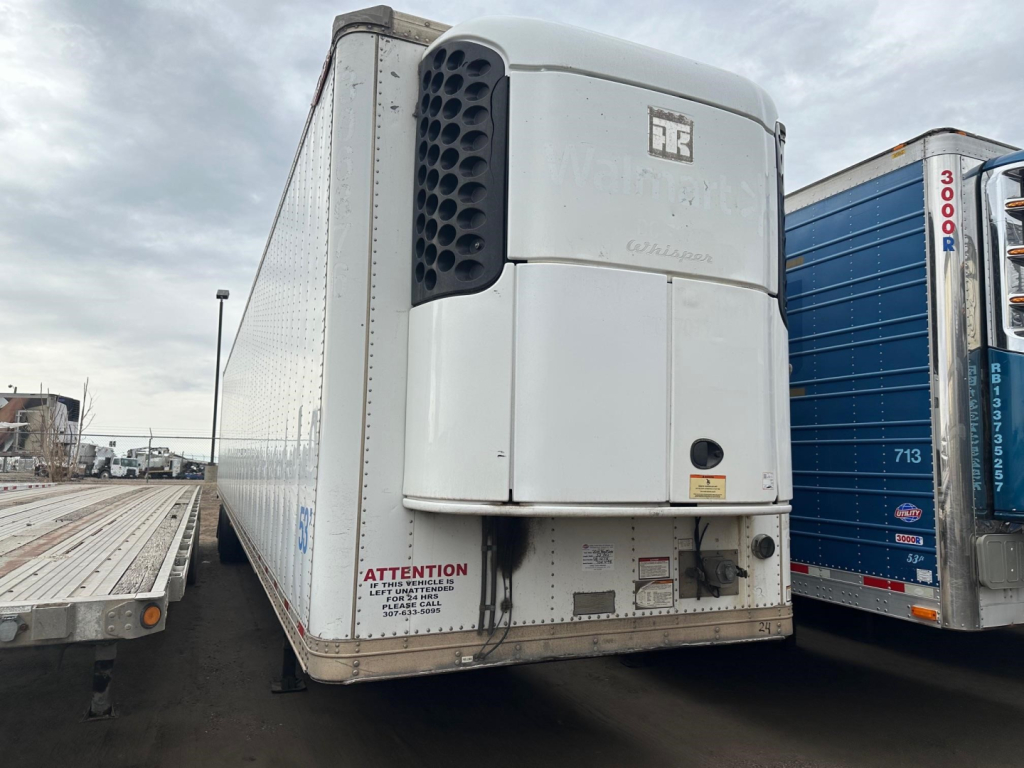
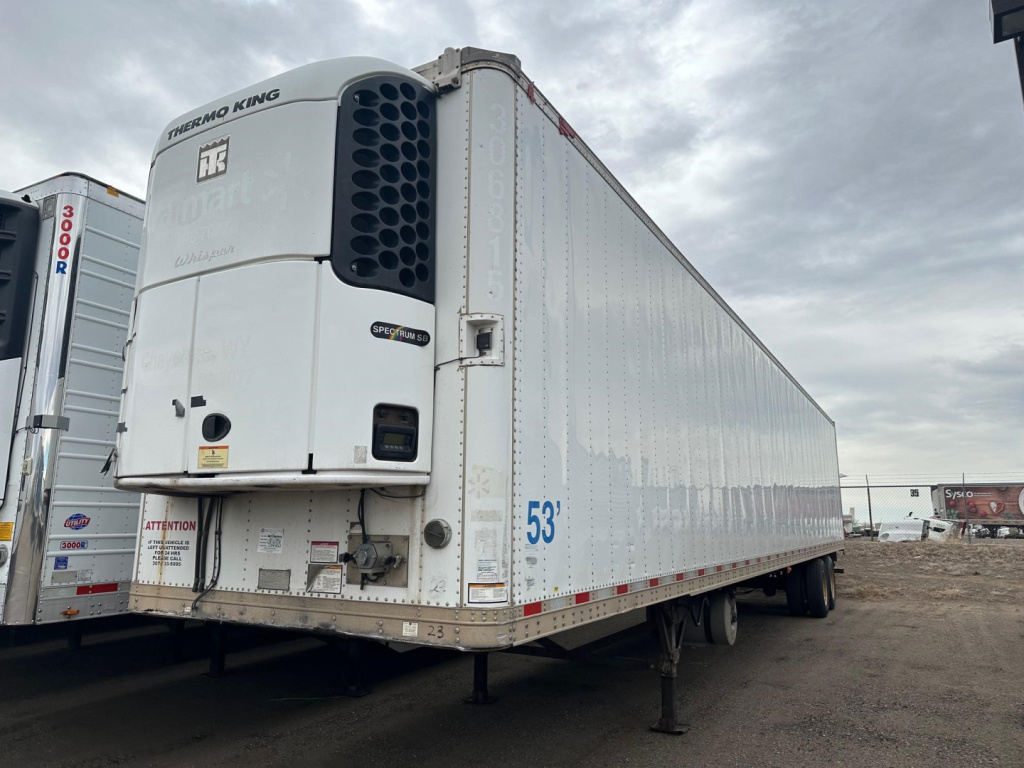
If you are looking at a 2014 Great Dane reefer, the trailer body is only part of the package. Unit hours, service history, floor type, bulkhead condition, rear frame integrity, and door seal condition can matter as much as the refrigeration brand itself. Great Dane reefers commonly use aluminum construction, duct or channel floors, stainless rear components, and air ride suspensions suited to food-grade and temperature-controlled freight. Buyers hauling mixed frozen and chilled freight should look for chute systems, good insulation integrity, and interior dimensions that match cube requirements. A clean interior, solid floor, and straight rear frame usually tell you more about long-term usability than paint or decals.
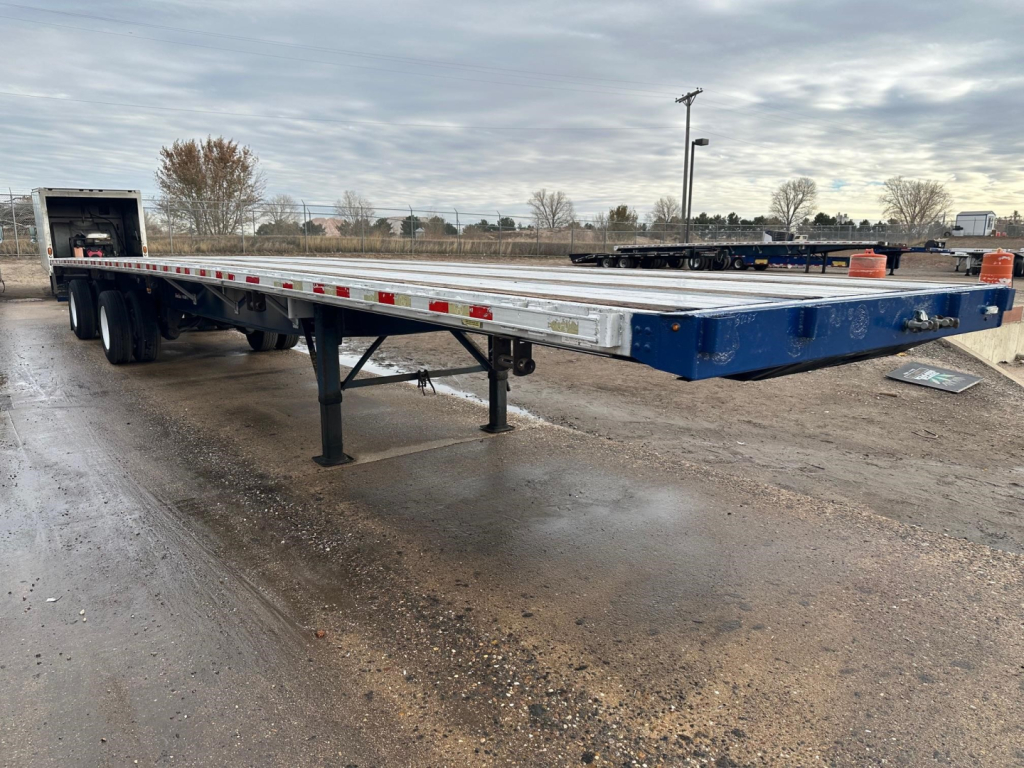
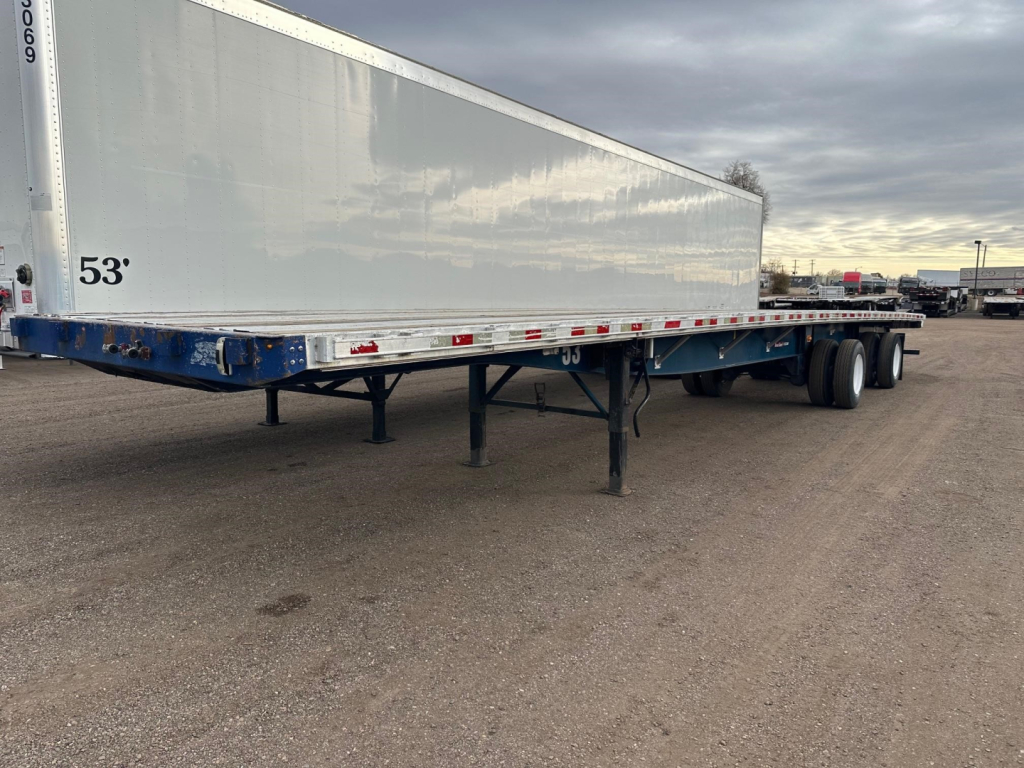
For flatbed and other specialty 2014 Great Dane trailers, focus on load securement and structural condition first. Check deck composition, crossmember spacing, frame rail condition, axle configuration, and any added equipment such as moffett forklift kits, headache racks, or winch tracks. Tire size, wheel type, brake condition, and suspension design will affect maintenance cost and ride quality, especially in mixed highway and jobsite service. Across any 2014 Great Dane trailer, buyers should verify VIN plate data, federal inspection status, prior fleet use, corrosion around the rear frame and landing gear mounts, and signs of floor or suspension fatigue. Great Dane has a strong fleet presence, so parts support and service familiarity are typically good, but the right trailer still comes down to matching the spec to the freight.
Frequently Asked Questions about 2014 Great Dane Trailers
What types of 2014 Great Dane trailers are most common?
The most common 2014 Great Dane trailers on the used market are dry vans, refrigerated trailers, and flatbeds. Dry vans are typically used for general palletized freight and retail distribution. Reefers are built for temperature-controlled freight and usually add insulated walls, specialized floors, and a refrigeration unit. Flatbeds are used for machinery, building materials, and freight that requires side or crane loading. The right type depends on freight profile first, not just price or brand.
What should I inspect first on a used 2014 Great Dane dry van trailer?
Start with the floor, rear frame, roof, doors, suspension, and tandem slider. Floor wear tells you a lot about forklift traffic and past loading practices. Rear frame rust or impact damage can become expensive quickly, especially around the door frame and bumper area. Check for daylight through the roof or upper seams, inspect door hardware for binding, and look at landing gear operation under load. On fleet vans, interior items like scuff liners, E-track, and wall lining also show how the trailer was used and how much service life is left.
Are 2014 Great Dane reefer trailers still a practical buy?
They can be, if the trailer body and refrigeration system have been maintained properly. A 2014 reefer is often still a workable option for regional foodservice, produce, or general cold-chain freight, but buyers need to evaluate unit hours, repair history, insulation performance, floor condition, and door seal integrity. The reefer unit should be checked for pull-down performance, fault codes, and service records. A sound trailer body with a well-documented unit is usually more valuable than a cleaner-looking trailer with no maintenance history.
What specs matter most when comparing 2014 Great Dane flatbeds?
The key flatbed specs are length, deck height, axle setup, suspension type, frame condition, and load securement equipment. Buyers should also confirm the trailer's weight, GVWR, flooring condition, and whether the deck is suited to concentrated loads or forklift traffic. Added gear such as winches, straps, headache racks, and piggyback forklift setups can be useful, but only if the underlying frame and deck are still structurally sound. Brake and tire condition matter too, especially on trailers that have seen heavy regional or construction use.
Is a sliding tandem important on a 2014 Great Dane trailer?
For many operations, yes. A sliding tandem gives more flexibility for axle weight distribution and helps with bridge law compliance in different states. It can also make dock positioning and yard maneuvering easier depending on the trailer's application. On a used trailer, the tandem slide should be checked for rail wear, locking pin function, corrosion, and signs of hard impact. If the slider is seized or badly worn, repair costs can be significant and should be factored into the trailer's real value.