
2014 Great Dane Van Trailers For Sale
Shop 2014 Great Dane van trailers with specs buyers compare most: 53-foot length, tandem settings, door type, roof, floor, and suspension.
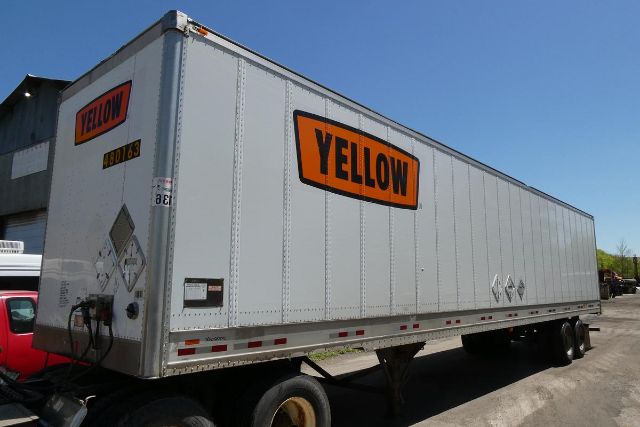
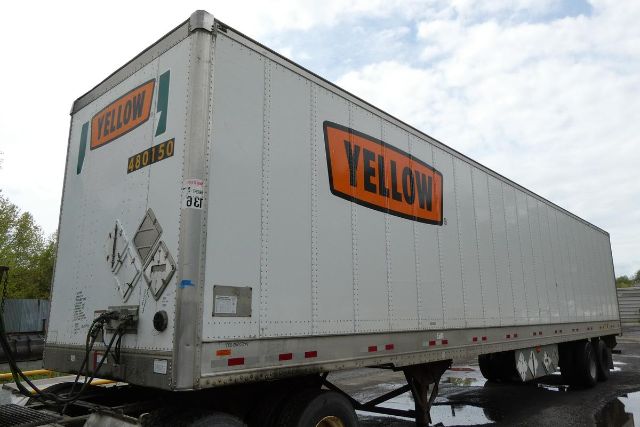
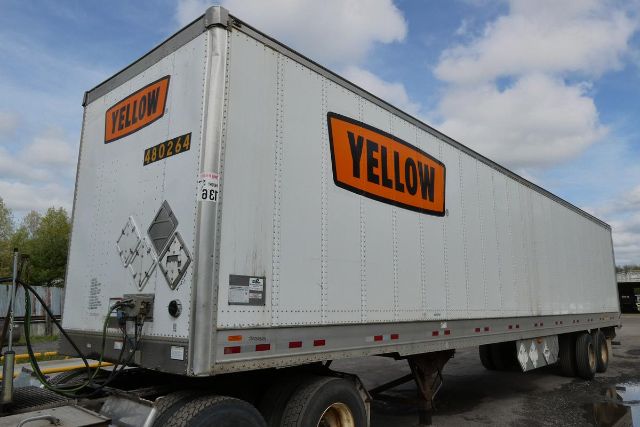
Have 2014 great dane van trailer to sell? List it here to reach thousands of buyers.
2014 Great Dane Van Trailers
The biggest buying decision is usually application, not brand alone. For dock freight and high-cube palletized loads, buyers often focus on interior height, floor condition, rear frame integrity, and door operation. A sliding tandem matters if the trailer will run in states with bridge-law sensitivity or move through shippers that require axle adjustment for loading patterns. Air ride can help protect fragile freight and reduce vibration, while spring ride may appeal to buyers who want a simpler suspension with lower repair complexity. On a 2014 model, it is smart to look closely at crossmembers, upper coupler plate wear, kingpin condition, landing gear function, and signs of prior rear impact around the threshold and door frame.
Great Dane vans from this era are commonly built with aluminum and steel combinations that balance tare weight with durability. Buyers should verify roof material, sidewall construction, scuff liner condition, and any repairs to the nose, rails, or rear sill. Floor type matters if the trailer will handle heavy concentrated loads such as beverages, paper, or industrial products. Tire size is commonly 11R22.5 or low-profile 22.5-inch rubber depending on fleet spec, and hub-piloted steel wheels are typical. If the trailer has added equipment such as logistics posts, tire inflation systems, translucent roof panels, side doors, heaters, or a liftgate, those features can change the trailer’s best use case and maintenance profile.
For many buyers, a 2014 Great Dane dry van trailer represents a middle ground between late-model pricing and older trailer risk. The right unit depends on how hard it was worked and how well it was maintained. A clean title, documented brake and tire history, solid floor, straight side panels, and a tandem slider that moves correctly usually matter more than cosmetic appearance. If the trailer will stay in a drop-and-hook fleet, loading dock compatibility and rear seal condition are important. If it will run irregular routes, pay attention to suspension type, axle spread, overall empty weight, and how easily the spec fits the freight mix. Great Dane remains a familiar make in the used van trailer market, which helps with resale, parts sourcing, and shop familiarity.
Frequently Asked Questions about 2014 Great Dane Van Trailers
What are the most common specs on a 2014 Great Dane van trailer?
Most 2014 Great Dane van trailers in the used market are 53 feet long, 102 inches wide, and built to a 13-foot 6-inch overall height. Common configurations include tandem axles, air brakes, wood-over-steel floors, aluminum or aluminum-steel construction, and either spring ride or air ride suspension. Many also have sliding tandems, which are important for bridge compliance and load distribution.
Is a 2014 Great Dane van trailer a good choice for general freight?
Yes, a 2014 Great Dane dry van can be a strong fit for general freight if the structure and running gear are in good condition. These trailers are commonly used for palletized consumer goods, boxed freight, dry food products, paper, and retail distribution. The key is to inspect the floor, rear frame, suspension, brakes, and tandem slider closely, because condition has a bigger effect on value than age alone in this class.
What should I inspect first on a used Great Dane dry van?
Start with the floor, roof, sidewalls, rear frame, and tandem assembly. Look for soft spots or patches in the floor, bow damage in the roof, rail or sidewall repairs, corrosion around the rear sill, and wear in the slider box and locking pin system. Also check the kingpin area, landing gear, brake components, tire condition, and door frame alignment. These items usually tell you quickly how the trailer was maintained and what repairs may be coming next.
What is better on a van trailer, air ride or spring ride?
Air ride is generally preferred for freight that is sensitive to vibration, and it can improve ride quality for many dry van applications. Spring ride is simpler and can be less expensive to maintain, which appeals to some buyers running basic freight lanes or shorter regional work. The better choice depends on cargo type, maintenance standards, and how important ride protection is for the operation.
Why does a sliding tandem matter on a dry van trailer?
A sliding tandem allows the axle group to be repositioned to meet bridge-law requirements, improve weight distribution, and fit shipper or receiver loading needs. That flexibility is valuable for over-the-road operations, multi-state routes, and heavier palletized freight. On a used trailer, the slider should move correctly and lock securely, because a neglected tandem system can turn into a costly repair and operational problem.