
2020 Great Dane Trailers For Sale
Shop 2020 Great Dane trailers with specs that matter, including dry van and reefer configurations, suspension, trailer length, and body options.
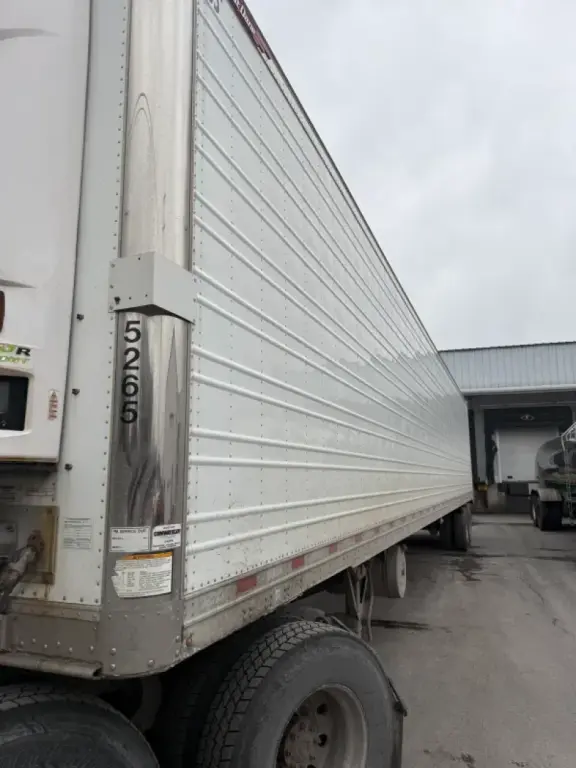
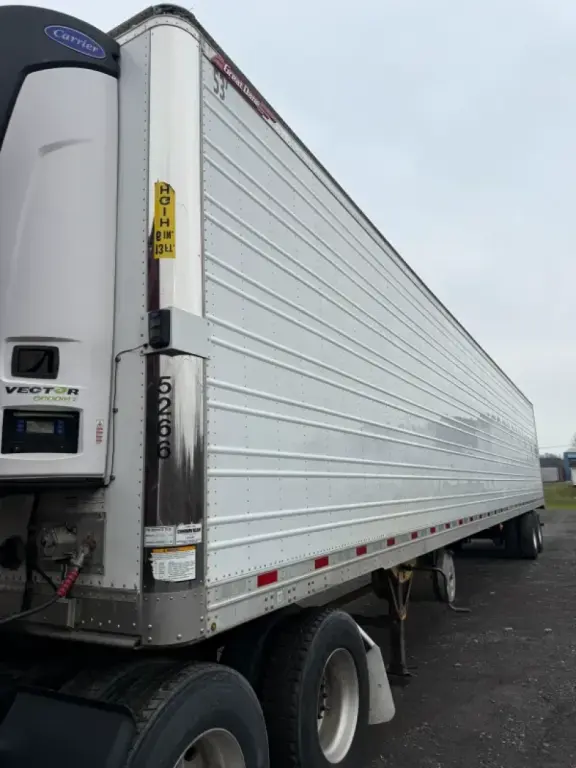
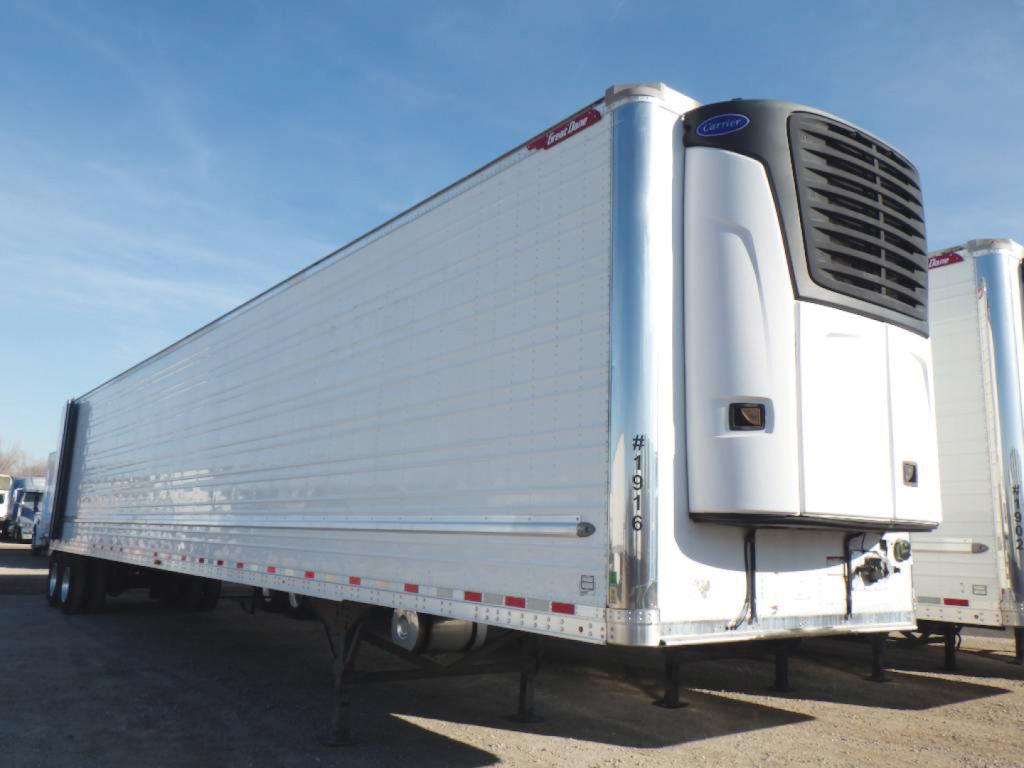
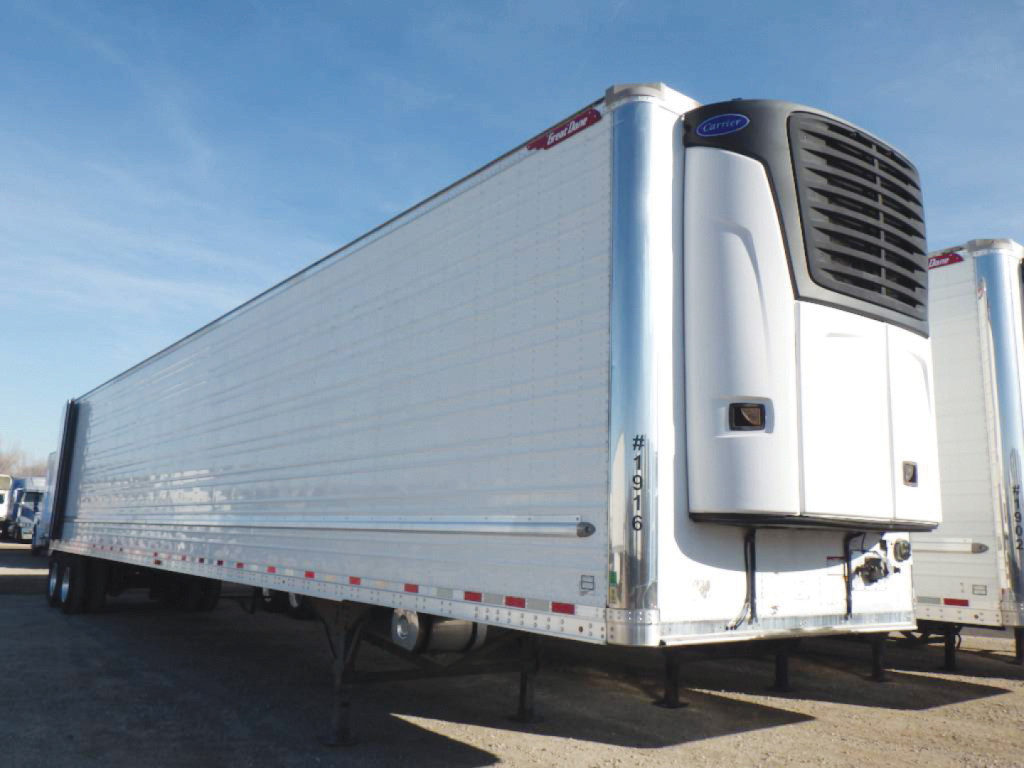

Selling a 2020 great dane trailer? List your 2020 great dane trailer for sale and reach thousands of commercial buyers.
2020 Great Dane Trailers
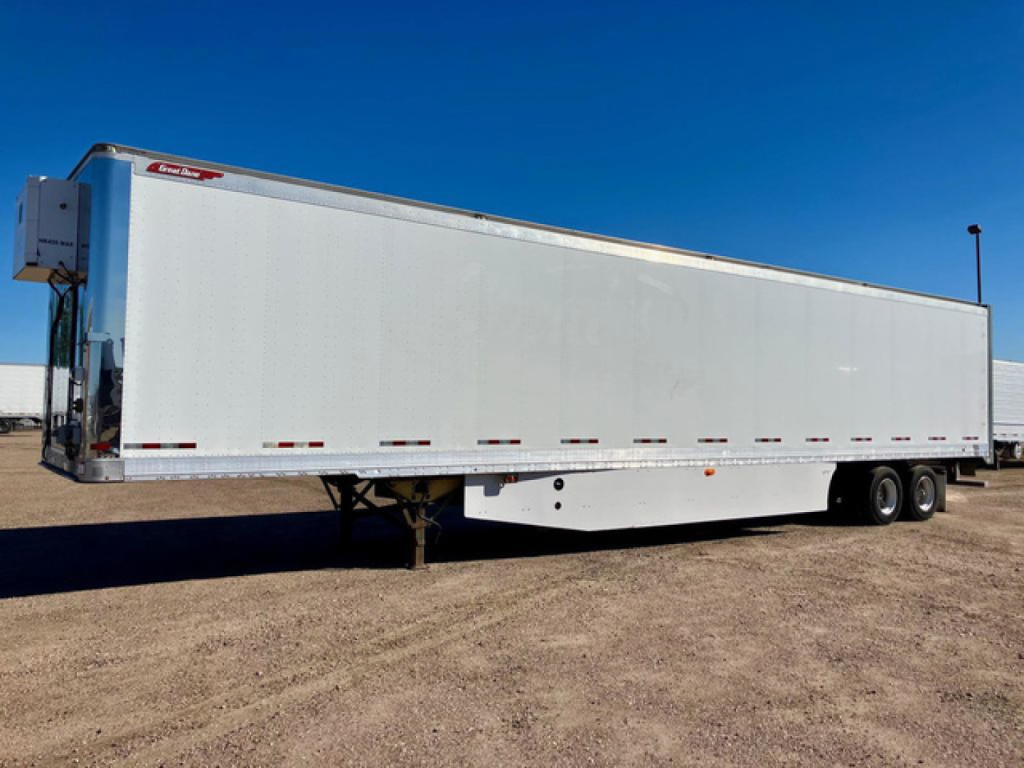
On dry van trailers, common buyer checkpoints include inside height, roof type, logistics track layout, scuff liner coverage, and floor composition. Many Great Dane vans use aluminum skins with wood or wood-over-steel floors, and 102-inch width is standard for maximizing cube. Sliding tandems remain the preferred setup for shippers and regional compliance, while air ride suspension is generally favored over spring ride for freight protection and resale appeal. Roll-up doors are common in distribution work, while swing doors can offer a tighter rear seal and simpler maintenance depending on the application. Side skirts, aerodynamic packages, and tire inflation systems can also add value if fuel economy and tire management are priorities.
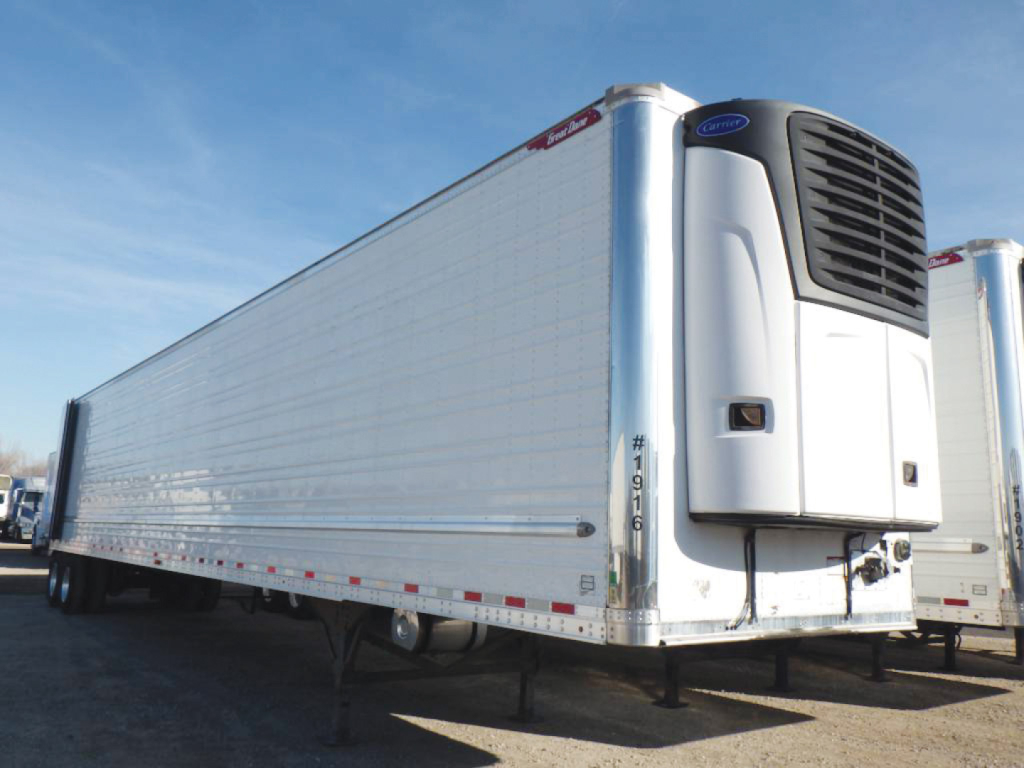
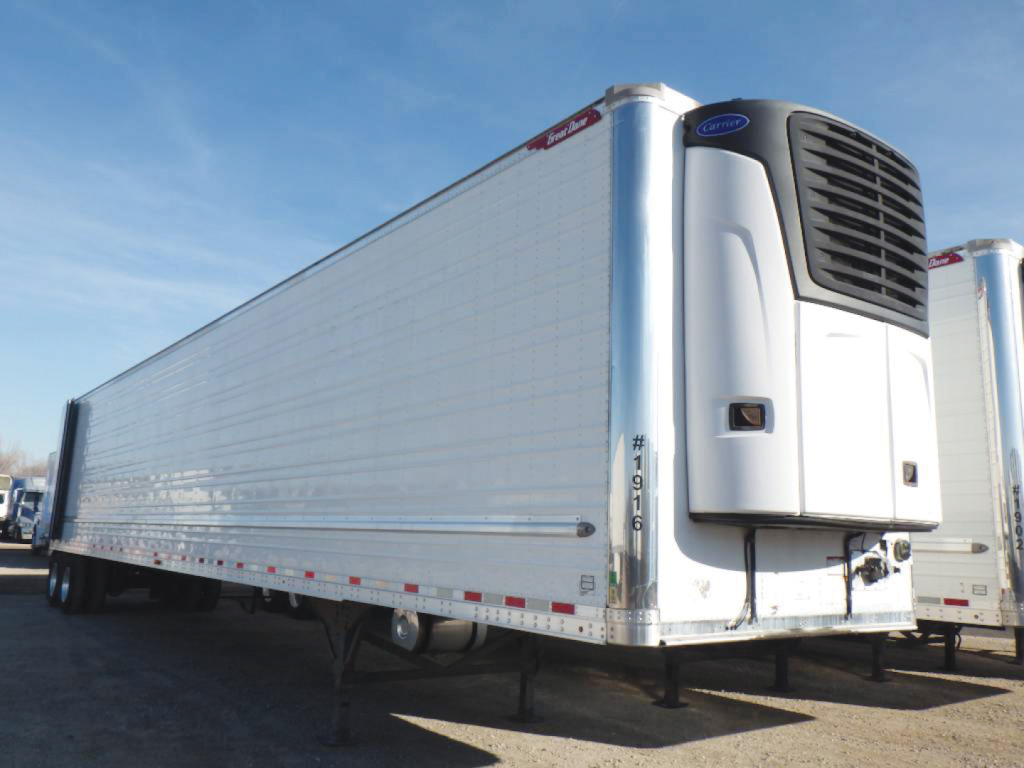
For reefer applications, a 2020 Great Dane refrigerated trailer often shows up with an insulated body, duct or aluminum floor, stainless front and rear trim, and units from Carrier or Thermo King. Buyers should confirm reefer unit hours, evaporator condition, chute integrity, door seal quality, and the condition of the floor channels and drains. A reefer trailer that spent its life in grocery, foodservice, or pharmaceutical lanes may have very different wear patterns than one used in mixed frozen freight. Interior liner condition, scuff damage, and evidence of moisture intrusion matter as much as the refrigeration unit itself.
Great Dane trailers from this model year are often attractive to fleets and owner-operators because they are modern enough to support current freight expectations without the price of a new build. The best unit for the job depends on lane length, dock frequency, state bridge requirements, and whether the trailer will stay in drop-and-hook service or dedicated routing. Buyers comparing 2020 Great Dane trailers should verify GVWR, empty weight, axle spread, brake type, tire size, wheel material, and any fleet maintenance history. On a used trailer, those details usually tell you more about long-term operating cost than the badge on the nose.
Frequently Asked Questions about 2020 Great Dane Trailers
What are the most common types of 2020 Great Dane trailers on the used market?
The most common 2020 Great Dane trailers are 53-foot dry vans and refrigerated trailers, usually with tandem axles and a 102-inch overall width. Dry vans are popular for general freight, retail, and distribution work, while reefers are used for temperature-controlled freight such as food, beverages, and pharmaceuticals. Great Dane also built other configurations, but these two categories are the main focus for most buyers comparing late-model used trailers.
What should I inspect first on a used 2020 Great Dane dry van trailer?
Start with the floor, rear frame, roof, and tandem slider because those areas often reveal how hard the trailer was worked. Check for soft floor sections, crossmember damage, patched roof panels, rear threshold wear, and signs that the slider rails have been abused or repaired. Then review tires, brakes, suspension components, door operation, and the condition of the interior lining, scuff liners, and logistics track. A clean exterior matters less than structural condition and maintenance history.
What matters most when buying a 2020 Great Dane reefer trailer?
The reefer unit and insulated body need to be evaluated together. Confirm the refrigeration unit brand, engine hours, service records, temperature performance, and condition of the evaporator, chute, and control system. Then inspect door seals, interior liner panels, floor channels, drains, and any signs of water intrusion or insulation damage. A reefer can look presentable outside and still have expensive cooling or body issues that affect freight claims and operating cost.
Are 2020 Great Dane trailers usually air ride or spring ride?
Many 2020 Great Dane trailers on linehaul and premium freight applications are equipped with air ride suspension because it helps protect cargo and is widely preferred in the resale market. Some trailers, especially in certain regional or cost-driven applications, may still have spring ride. Air ride generally offers better ride quality and can be a stronger fit for sensitive freight, while spring ride can be simpler and less expensive to maintain depending on the operation.
Why is a sliding tandem important on a 2020 Great Dane trailer?
A sliding tandem gives the operator flexibility to adjust axle position for bridge law compliance, weight distribution, and dock approach needs. That matters in multi-state freight operations where axle settings can affect legality and loading options. On a used trailer, the slider should move properly, lock securely, and show no major rail damage or excessive wear. A damaged or seized tandem slider can turn a good trailer into an expensive repair project.