
Great Dane Trailers For Sale in Illinois
Browse Great Dane trailers for sale in Illinois, including dry vans, dumps, and specialty trailers with specs buyers compare most.
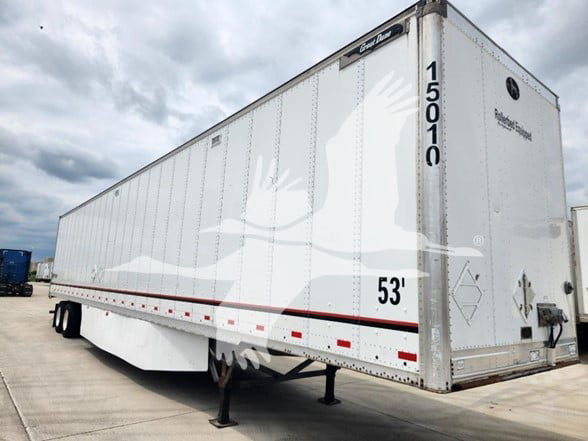
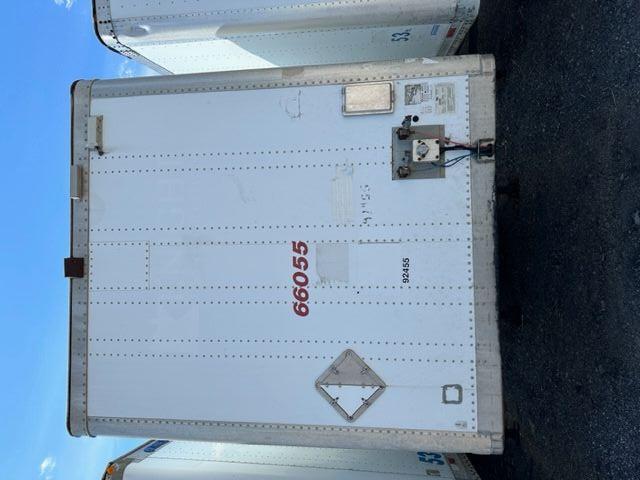
Selling a great dane trailer? List your great dane trailer for sale and reach thousands of commercial buyers.
Great Dane Trailers in Illinois
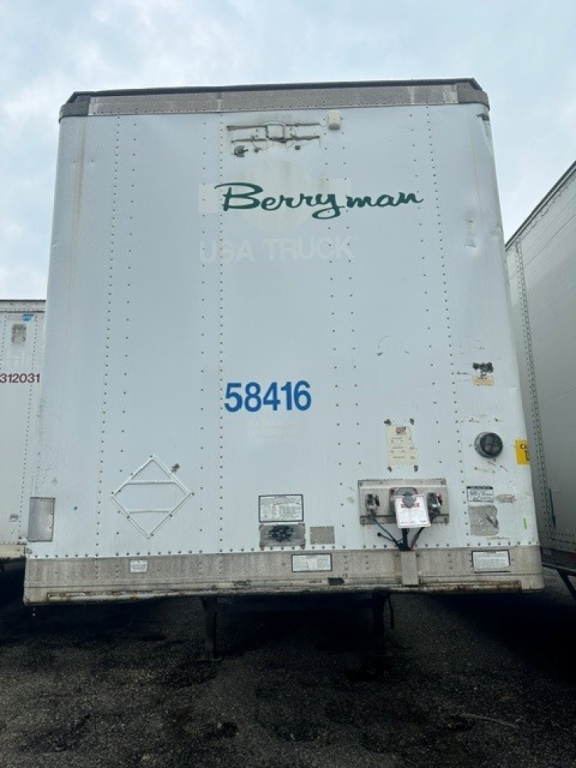
On dry van models, the details that matter most are suspension, door style, floor condition, and roof construction. Air ride suspension is common and helps protect freight on rough Midwestern lanes. Swing doors are still preferred by many fleets for full rear access and dock durability, while roll doors can be useful in multi-stop operations where overhead clearance and fast access matter. Buyers should also check for wood floor wear, threshold plate damage, scuff liner condition, roof bow repairs, and signs of sidewall patches around logistics posts. Common specs include 102-inch width, 53-foot overall length, sliding tandems, low-profile 22.5 tires, and aluminum or translucent roof panels.
If the trailer is being used in Illinois freight cycles, corrosion and underbody condition deserve close attention. Road salt can accelerate wear on crossmembers, rear frames, bogie assemblies, air tanks, and brake plumbing. A buyer comparing Great Dane trailers should inspect tandem slide rails for damage, confirm kingpin wear, look for suspension bushing play, and verify brake type, wheel-end service history, and tire inflation equipment if fitted. On liftgate-equipped vans, confirm rail structure, platform operation, and power unit condition, since liftgate repairs can quickly change the value of a trailer.
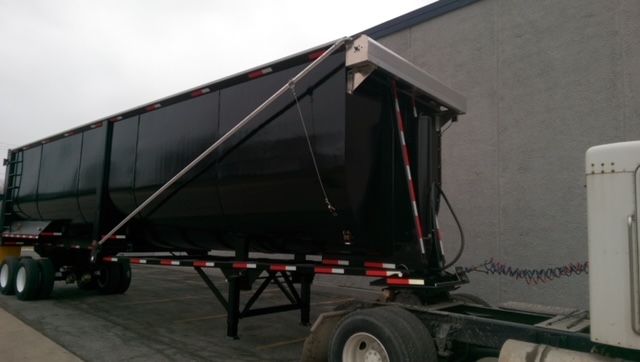
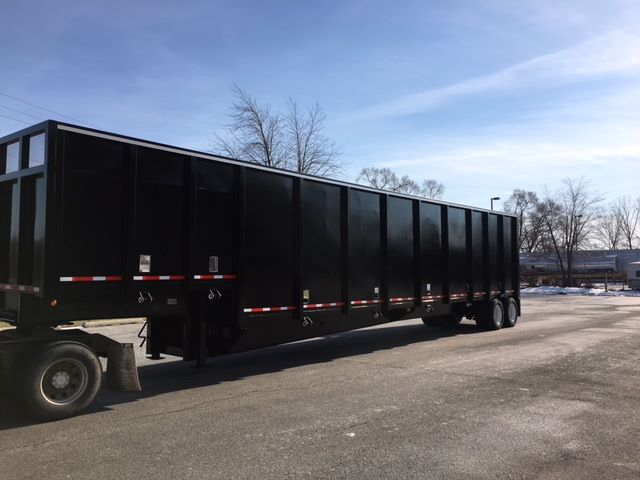
Great Dane also builds specialized platforms that appeal to scrap, aggregate, and niche hauling operations. Dump trailers may be spec'd with abrasion-resistant steel such as AR plate, while single-drop and crush car carrier setups prioritize deck layout, tare weight, and loading access. The advantage of shopping this make is that many units were originally fleet maintained and built around familiar components from suppliers like Hendrickson, making service and parts sourcing more straightforward. A good Great Dane trailer is usually judged less by badge alone and more by how its body, running gear, and spec package match the freight, route density, and dock environment it will see every week.
Frequently Asked Questions about Great Dane Trailers in Illinois
What should I look for first on a used Great Dane dry van trailer?
Start with the floor, rear frame, roof, and tandem area. Floor rot, patched crossmembers, cracked rear sill components, and worn tandem slide rails are the issues that most directly affect cost after purchase. On a Great Dane dry van, also inspect scuff liners, logistics track or posts, door frame alignment, and signs of water intrusion around the roof seams and front wall. A clean body matters, but structural condition matters more.
Are Great Dane trailers a good fit for regional freight in Illinois?
Yes, especially when the trailer has a practical fleet spec such as air ride suspension, sliding tandems, and standard door hardware. Illinois operations often involve mixed highway and urban miles, frequent dock contact, and winter exposure, so durability and serviceability are important. Great Dane trailers are commonly used in those conditions because parts are widely available and most shops are familiar with their standard van and chassis components.
Is a 48-foot or 53-foot Great Dane trailer better?
That depends on the lanes, dock layout, and freight profile. A 53-foot trailer gives maximum cubic capacity and is the standard choice for general dry freight and distribution work. A 48-foot trailer can still make sense in tighter urban operations, certain dedicated contracts, or where yard space and maneuverability matter more than cube. Buyers should confirm bridge law, tandem settings, and customer dock constraints before deciding.
How important is suspension choice on a Great Dane trailer?
Suspension choice affects ride quality, maintenance cost, and cargo protection. Air ride is common on dry vans because it helps reduce shock to sensitive freight and is widely accepted in general freight operations. Mechanical suspension can be simpler in some applications, but many buyers in the van market still prefer air ride for resale and freight versatility. Condition is just as important as design, so inspect airbags, shocks, bushings, hangers, and alignment wear.
Do specialty Great Dane trailers hold value differently than dry vans?
Yes. Specialty units such as dump trailers, single-drop trailers, and crush car carriers are valued more by application-specific features than by age alone. Body material, liner thickness, tarp system, lift or dump gear condition, deck layout, and axle configuration can move pricing significantly. Dry vans tend to have a broader buyer pool, but a correctly spec'd specialty Great Dane trailer can retain strong value when it matches a consistent hauling niche.