
Great Dane Van Trailers For Sale in Illinois
Shop Great Dane van trailers for sale in Illinois. Compare 53-foot dry vans with air ride, sliding tandems, logistics posts, and swing doors.
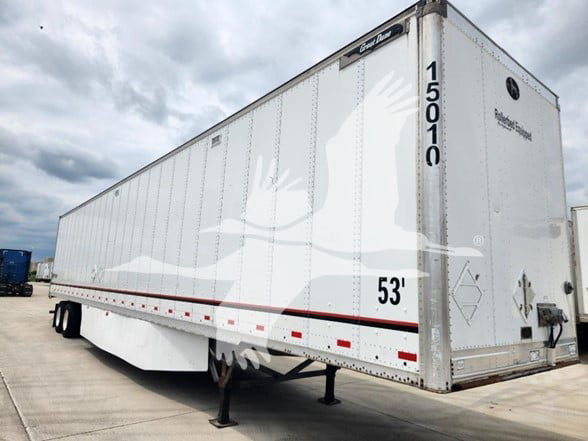
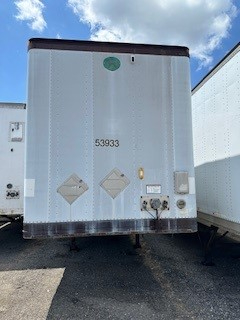
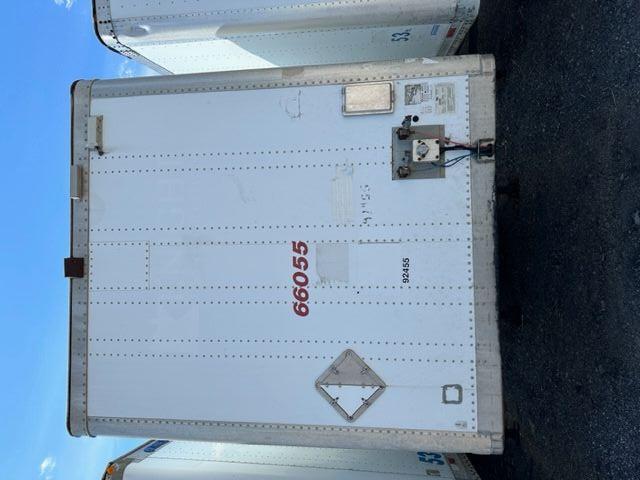
Have great dane van trailer to sell? List it here to reach thousands of buyers.
Great Dane Van Trailers in Illinois
A buyer comparing used Great Dane dry vans should pay close attention to wall construction, floor condition, and trailer specs that affect daily usability. Common features include wood floors, scuff liners or scuff plate, logistics posts, swing doors, sliding tandems, and either air ride or spring ride suspension. Air ride is generally preferred for more fragile freight and better ride quality, while spring ride can still make sense for lower acquisition cost and simpler maintenance. Logistics tracks and plywood or composite lining are important if the trailer will handle mixed palletized freight, load bars, or frequent dock contact. Front and rear vents, translucent or aluminum roofs, stainless rear frames, and threshold plates are also worth checking because they affect cargo environment, structural life, and wear at the back of the trailer.
Great Dane Champion-series vans are especially common on the used market, and many buyers narrow their search by looking at tandem type, wheel spec, and interior lining before anything else. A sliding tandem adds flexibility for bridge laws and axle scaling, which is important on Midwest lanes and multi-state operations. Tire inflation systems, side skirts, low-profile 22.5 tires, and disc or steel wheels can all influence operating cost and service intervals. Older aluminum vans may still be solid freight boxes if the roof bows, crossmembers, rear frame, and floor have been maintained, while newer plate vans and composite-lined models can be a better fit for fleets trying to reduce cargo damage and downtime.
When evaluating a Great Dane van trailer, the real questions are freight type, dock frequency, and expected service life. A trailer used in dense Chicago-area distribution may need stronger interior protection and a cleaner rear opening than one assigned to basic warehouse transfers. Check for floor rot or soft spots, door seal condition, tandem rail wear, signs of sidewall repairs, and the condition of the kingpin apron and landing gear mounts. Buyers looking for a dependable dry van trailer, also known simply as a van trailer, usually get the best long-term value by matching the trailer’s interior configuration and suspension to the freight it will haul every day.
Frequently Asked Questions about Great Dane Van Trailers in Illinois
What are the most common specs on a Great Dane van trailer?
The most common setup is a 53-foot dry van with 102-inch width, 13-foot 6-inch height, swing doors, a wood floor, and a sliding tandem. Many used Great Dane van trailers also include logistics posts, scuff liners, air ride suspension, and 22.5 low-profile tires. These specs fit standard dock operations and general dry freight applications across regional and long-haul routes.
Is air ride better than spring ride on a used Great Dane dry van?
Air ride is usually the preferred choice for general freight because it provides a smoother ride and can help reduce cargo shift and product damage. It is especially useful for retail freight, packaged goods, and higher-value loads. Spring ride can still be a practical option for buyers focused on lower purchase cost or simpler suspension service, but it typically offers less protection for sensitive freight.
What should I inspect first on a used Great Dane van trailer?
Start with the floor, sidewalls, rear frame, roof, and tandem assembly. Floor condition is critical because wood floors can hide wear, delamination, or soft spots from forklift traffic and moisture. Then inspect scuff damage, logistics post integrity, door seals, hinge wear, slider function, kingpin area condition, and landing gear mounts. Structural repairs and cargo-area damage often matter more than cosmetic appearance.
Are Great Dane Champion vans a good fit for general freight?
Yes. Great Dane Champion vans are widely used for dry freight because they are built for dock loading, palletized cargo, and high-cycle fleet work. Buyers often like them for their common parts availability, familiar trailer specs, and practical options such as composite or plywood lining, scuff protection, sliding tandems, and air ride suspension. The right fit depends on freight type and how much dock abuse the trailer is expected to take.
Why do logistics posts and scuff liners matter in a van trailer?
Logistics posts and scuff liners make a dry van more versatile and more durable. Logistics posts allow securement flexibility for load bars, straps, and decking systems, which is useful for mixed freight and partial loads. Scuff liners protect the lower sidewalls from pallet and forklift contact, helping reduce interior wall damage and extending trailer service life in frequent loading environments.